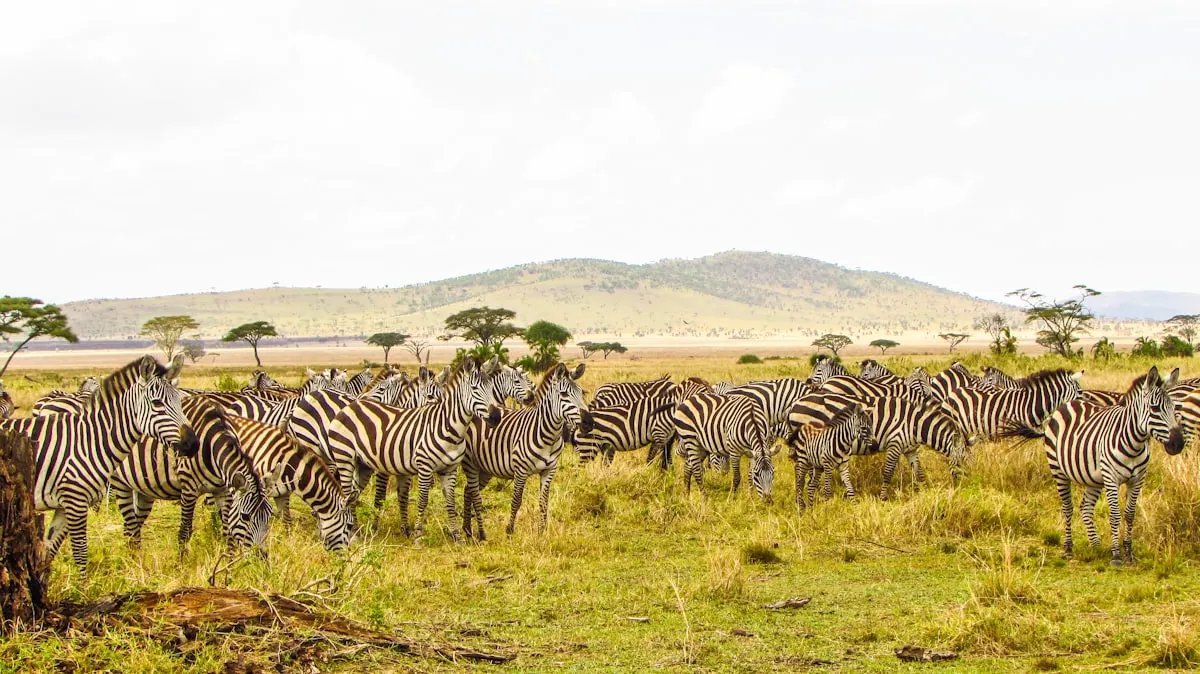
Tanzania Mega Roadshow Travels to Seoul, Busan and Jeju
Tanzania is stepping up its efforts to attract Korean travelers with tourism packages that combine safaris, beach holidays and cultural heritage. The Tanzania Tourist Board and the Embassy of Tanzania in Seoul held the Tanzania Tourist Board Mega Roadshow 2026 in Seoul, Busan and Jeju from July 6 to 10, 2026.
The event began at the Lotte Hotel Seoul in Sogong-dong on July 6, followed by the Lotte Hotel Busan on July 8 and Grand Hyatt Jeju on July 10. According to travel-industry reports, 25 tourism-related organizations—including local Tanzanian safari operators, hotels, resorts and airlines—took part in the Seoul event.
Thirteen leading local companies, including safari operators and hotels, held business-to-business meetings with Korean travel agencies and tourism-industry representatives. The roadshow focused on developing packages tailored to Korean travel demand, organizing familiarization tours, and expanding cooperation in tourism, aviation and accommodation.
9,468 Korean Visitors in 2025 as Tanzania Targets Wider Asian Market
George Joel Mwagane, a senior tourism officer at the Tanzania Tourist Board, told World Travel News that 9,468 South Koreans visited Tanzania in 2025. The tourism board said the figure points to significant growth potential in the Korean market, compared with the roughly 2,000 annual visitors recorded before the COVID-19 pandemic.
Tanzania sees South Korea as one of its key gateways for expanding across the Asian tourism market. At the Busan event, Mwagane outlined plans to co-develop customized products with Korean travel agencies and organize familiarization tours to allow them to preview destinations in Tanzania.
There are still no direct flights between South Korea and Tanzania, so travelers generally need to connect through major hubs in the Middle East or Africa. Improving air connectivity, shortening travel times and expanding tourism information in Korean are therefore seen as key priorities for attracting more Korean visitors.
Tanzania’s Tourism Industry Sees Growth in Visitors and Revenue
According to the 2025 International Visitor Exit Survey, jointly published by Tanzania’s Ministry of Natural Resources and Tourism, central bank and National Bureau of Statistics, international arrivals rose 7.1 percent, from 2,141,895 in 2024 to 2,294,495 in 2025.
Tourism revenue increased 13 percent over the same period, from $3.9031 billion to $4.4106 billion. The report attributed the rise in revenue to both increased visitor numbers and higher per-person spending.
The leading activities among visitors in 2025 were wildlife safaris and beach tourism. The Ngorongoro Conservation Area, Serengeti National Park, Stone Town in Zanzibar, the beaches and Tarangire National Park were identified as major destinations.
Multi-Destination Packages Built Around the Serengeti, Kilimanjaro and Zanzibar
World-Class Safaris and Natural Heritage
Serengeti National Park is renowned for the Great Migration, when more than one million wildebeest and hundreds of thousands of other herbivores move across the region. UNESCO has inscribed seven Tanzanian sites on its World Heritage List, including the Serengeti, Kilimanjaro National Park and the Ngorongoro Conservation Area.
Mount Kilimanjaro, at 5,895 meters above sea level, is Africa’s highest peak and one of Tanzania’s signature adventure destinations. In the country’s northern tourism circuit, visitors can combine a Kilimanjaro climb with safaris in the Serengeti and Ngorongoro Conservation Area in a single itinerary.
Zanzibar’s Beach Resorts and Cultural Attractions
Zanzibar, in the Indian Ocean, offers a destination where beach holidays, honeymoons and water sports can be combined. Stone Town, a UNESCO World Heritage Site, preserves the character of an East African Swahili trading city shaped by African, Arab, Indian and European influences.
The Tanzania Tourist Board has presented the Korean market with a “360-degree destination” strategy that goes beyond Tanzania’s traditional safari image to include beach holidays, cultural heritage, MICE and business tourism. It also plans to develop combined packages pairing safaris with a relaxing stay in Zanzibar for long-haul travelers.
Air Connectivity, Products and Local Services Key to Establishing Tanzania in Korea
The roadshow was significant because Tanzanian tourism businesses discussed product design and operating terms directly with Korean travel agencies. To convert that interest into actual bookings, however, the industry will need to address airfares, the ease of making connections, local transportation, guides and accommodation standards together.
The Tanzania Tourist Board said it plans to organize familiarization tours for Korean travel agencies and media in conjunction with the Swahili International Tourism Expo, which will be held in Dar es Salaam from October 23, 2026. The success of Tanzania’s expansion in the Korean market will likely depend on whether joint products are launched and Korean-language marketing is sustained.
Frequently Asked Questions (FAQ)
When and where was the Tanzania tourism roadshow held?
It was held in Seoul on July 6, 2026; Busan on July 8; and Jeju on July 10. The event was organized by the Tanzania Tourist Board and the Embassy of Tanzania in Seoul.
How many South Korean tourists visited Tanzania?
A Tanzania Tourist Board official said that 9,468 South Koreans visited the country in 2025. The figure was presented by a tourism board official as an indicator of the Korean market’s growth potential.
What are Tanzania’s main tourist attractions?
The country’s major attractions include Serengeti National Park, the Ngorongoro Conservation Area, Mount Kilimanjaro, Zanzibar and Tarangire National Park. Safaris, mountain climbing, beach holidays and cultural heritage tourism can be combined in a single itinerary.
Are there direct flights from South Korea to Tanzania?
There are currently no scheduled nonstop flights directly connecting South Korea and Tanzania. Travelers generally connect through major hub airports in the Middle East or Africa.
What was the main purpose of the roadshow?
Its main goals were to develop customized packages through B2B meetings between Korean travel agencies and Tanzanian businesses, and to expand cooperation on familiarization tours, tourism investment, aviation and accommodation.