Japan’s Drinks Culture, from Beer and Wine to Sake
Japan’s drinks culture spans everything from popular beers and regional Japanese wines to sake brewed with rice and koji, distilled shochu, and traditional teas. Each drink has its own origins, ingredients, and ideal serving temperature, adding another layer to a culinary journey through Japan.
Japanese Beer’s Clean, Crisp Appeal
Japan’s best-known beer brands include Asahi, Kirin, and Sapporo. Lagers dominate, typically offering lively carbonation, an easy-drinking body, and a crisp finish that lets the flavors of the food take center stage.
According to Asahi Breweries, its flagship Asahi Super Dry, launched in 1987, helped reshape Japan’s beer market with its distinctly “dry” profile. In Japan, it is also common to enjoy beer poured from a well-chilled keg into a draft-beer glass, crowned with a generous head of foam.
Craft Beer with a Sense of Place
Small breweries across Japan make beers that draw on local water, agricultural products, and climate. In farming regions such as Hokkaido and Nagano, you may find beers flavored with fruit and herbs, while breweries in urban areas continue to experiment with new styles.
Beer pairs particularly well with salty or rich foods such as sushi, sashimi, yakitori, and tempura. On a trip, sampling major brands alongside beers from local breweries is a good way to experience the breadth of Japan’s beer scene.
Yamanashi and Hokkaido: Hubs of Japanese Wine
As domestic grape growing and winemaking techniques have advanced, Japanese wine has been carving out an identity of its own. The Japan National Tourism Organization presents Yamanashi as Japan’s leading wine region, highlighting the vineyards and wineries around Mount Fuji as major attractions.
When choosing Japanese wine, look for the “Japanese Wine” designation on the label. Under standards set by Japan’s National Tax Agency, Japanese wine is made in Japan exclusively from grapes harvested in Japan. Separate rules also apply to labeling the region of origin, grape variety, and harvest year.
Koshu, Yamanashi’s Signature Grape
Yamanashi is known for grapes such as Koshu and Muscat Bailey A. Under the GI Yamanashi standards set by Japan’s National Tax Agency, Koshu wines often show delicate aromas, a soft texture, citrus notes, and refreshing acidity.
Yamanashi wines pair naturally with light dishes such as sashimi, shellfish, sushi, and tofu. Wines from Hokkaido, shaped by the region’s cool climate, can be a good choice for anyone looking for a style with pronounced acidity.
Sake, Japan’s Signature Traditional Drink
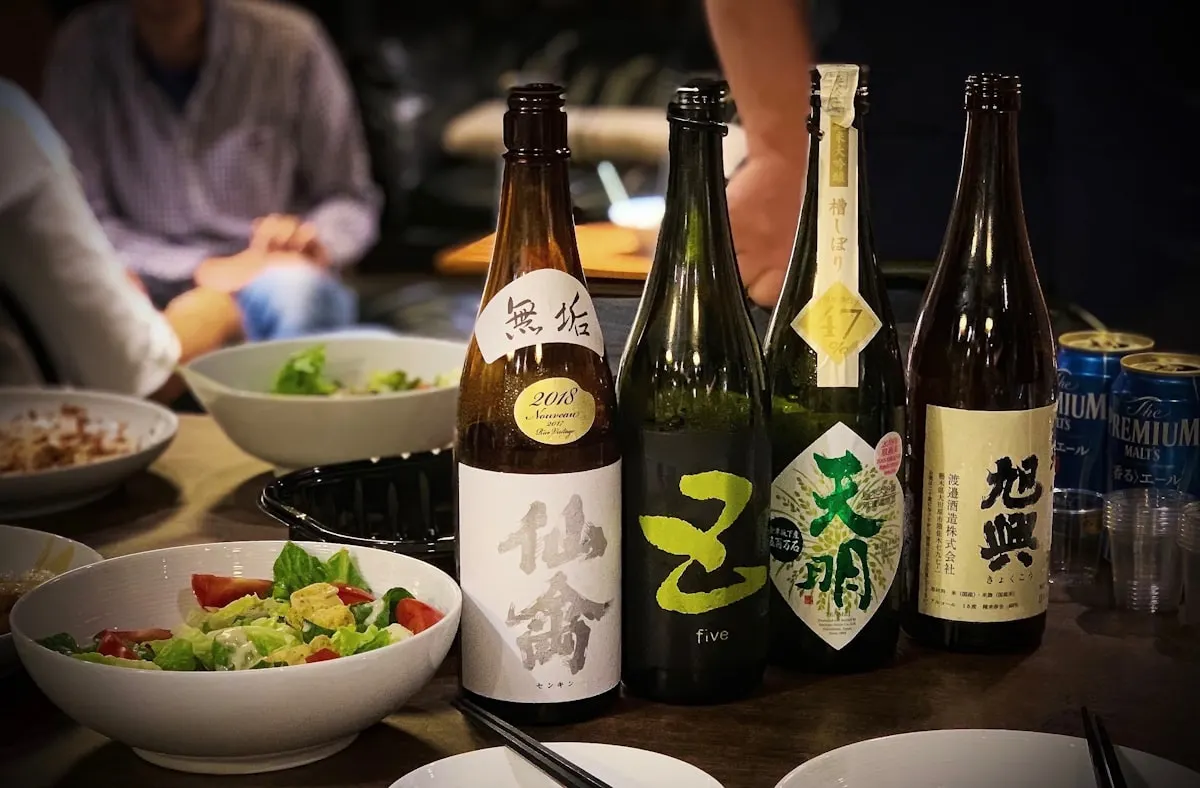
Sake is Japan’s best-known traditional alcoholic drink, brewed by fermenting rice, rice koji, and water. In Japanese, the word “sake” can refer to alcoholic drinks in general, so the rice-based drink is also sometimes called “nihonshu” to distinguish it.
Japan’s National Tax Agency classifies sake under several designated categories, including ginjo, junmai, and honjozo. Junmai, for example, is made only with rice and rice koji, while ginjo refers to sake made with rice polished to 60 percent or less of its original weight using the ginjo brewing method.
Sake Styles and Serving Temperatures
- Junmai: Made only with rice and rice koji, it tends to showcase savory rice flavors and a rich texture.
- Ginjo and daiginjo: Because the rice is polished extensively, these styles often have delicate flavors and aromas reminiscent of fruit.
- Honjozo: A small amount of brewer’s alcohol is added to create a lighter, well-balanced profile.
- Namazake: Because it is not pasteurized, it is known for fresh aromas and a lively palate.
- Nigorizake: Coarsely filtered, this sake has a cloudy appearance and a soft texture.
According to the Japan Sake Service Institute, sake can be enjoyed across a broad temperature range of roughly 5 to 55 degrees Celsius. Ginjo styles are often served chilled, while junmai and honjozo may also be enjoyed at room temperature or warm. Since the ideal temperature varies by bottle, it is best to follow the label or the seller’s recommendation.
Shochu and Umeshu: More Japanese Drinks to Try
Shochu is a traditional Japanese spirit made by fermenting and then distilling ingredients such as rice, barley, sweet potatoes, and buckwheat. According to the Japan National Tourism Organization, Kyushu—particularly Kagoshima—is known as a center of sweet-potato shochu production. Shochu can be enjoyed neat, on the rocks, or mixed with water or sparkling water in a highball.
Umeshu is a sweet liqueur made by steeping plums in alcohol and allowing them to mature. Its bright acidity and sweetness make it relatively approachable for travelers who are new to alcohol, and it is commonly served over ice or topped with sparkling water.
Beyond Alcohol: Green Tea and Matcha
Japan’s drinks culture cannot be understood through alcohol alone. The Japan National Tourism Organization describes Shizuoka as Japan’s largest green-tea-producing region, while Uji matcha has become one of the country’s defining traditional drinks, closely associated with the tea ceremony.
Sencha is the everyday leaf tea most commonly enjoyed in Japan, while matcha is made by finely grinding tea leaves and whisking the powder directly into water. Other varieties, including hojicha and genmaicha, emphasize roasted or toasted-rice aromas and can be chosen to complement a meal or dessert.
How to Make the Most of Japan’s Drinks
Japan’s drinks are at their most rewarding when you consider both where they come from and how they pair with food. Consider adding a winery and vineyard visit in Yamanashi, a sake brewery tour in regions such as Niigata or Hyogo, or a shochu distillery visit in Kagoshima to your itinerary.
If you are not sure where to begin, start with beer, then compare Japanese wine or sake alongside food. It is also worth setting aside the assumption that sake should always be served cold. Tasting the same bottle at different temperatures makes changes in its aroma and texture easier to appreciate.
Frequently Asked Questions (FAQ)
What are the most famous Japanese beer brands?
Japan’s best-known beer brands include Asahi, Kirin, and Sapporo. Alongside these major producers, you will find a wide range of regional craft beers and limited-edition releases.
Are Japanese wine and wine made in Japan the same thing?
No. Japanese wine refers to wine made in Japan exclusively from grapes grown in Japan. It is distinct from products made in Japan using imported grape concentrate or imported wine as an ingredient.
What are the main grape varieties used in Japanese wine?
Koshu and Muscat Bailey A are particularly well known, especially in Yamanashi. Depending on the region and winemaking method, international varieties such as Chardonnay and Merlot are also used.
Does sake have to be served cold?
Sake can be served chilled, at room temperature, or warm, depending on the bottle. Ginjo styles are often enjoyed cold, while junmai and honjozo can also show their character at room temperature or when warmed.
What is the difference between sake and nihonshu?
In everyday Japanese, sake can refer to alcoholic drinks in general. Nihonshu is used more precisely for the rice-based fermented drink commonly called sake in Korea.
What Japanese drinks are recommended for travelers who do not drink alcohol?
Japanese teas such as sencha, matcha, hojicha, and genmaicha are excellent choices. Depending on the region, you can also find a wide variety of fruit drinks, soft drinks, and nonalcoholic beer.