South Korea Emerges as a New Destination for Indian Incentive Travel
South Korea is rapidly gaining popularity in India’s corporate incentive travel market. In September alone, around 2,000 employees and associates from two global companies based in India will visit the country. The surge is more than a simple rise in tourism—it signals that India is emerging as a new, high-value market for South Korea’s tourism industry.
September’s Large Incentive Groups: Scale and Profile
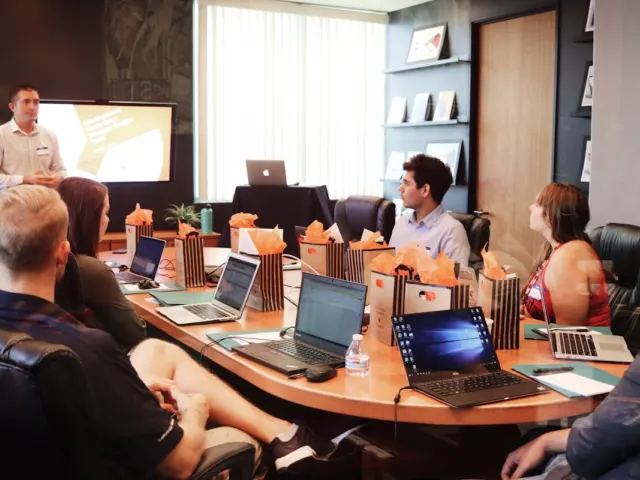
About 1,400 employees and associates of Herbalife India, a global health and wellness company, will visit Seoul, Gangwon Province and other destinations in three groups between September 6 and 11. It will be the largest Indian corporate incentive group to visit Seoul since the 3,257 employees of HDFC Bank visited in 2023.
Meanwhile, 465 employees and associates of Birla Opus, an Indian paint manufacturer and distributor, will visit Seoul and Gyeonggi Province from September 1 to 7. The group was initially expected to number 300, but expanded to 465 after a preliminary site inspection.
Why Herbalife Chose South Korea Over Georgia
Herbalife’s decision to visit South Korea followed careful consideration. The company had initially been considering Georgia as a leading incentive travel destination. However, during a site inspection in South Korea in June, company executives met with senior officials from the Korea Tourism Organization and confirmed the organization’s strong commitment to supporting the group, ultimately deciding on South Korea.
The KTO’s New Delhi office had been in regular contact with Herbalife India since 2024 as part of its efforts to attract the group. It also held a MICE presentation in Bengaluru, home to Herbalife’s Indian headquarters, actively promoting travel experiences in South Korea and the country’s MICE support programs.
Itinerary: A Focus on Korean Culture and History
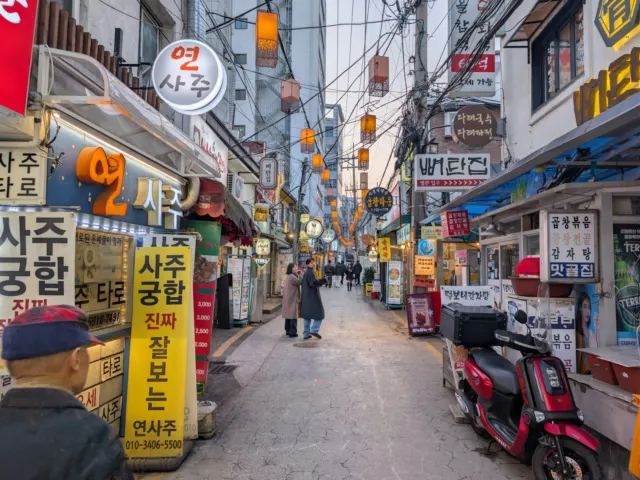
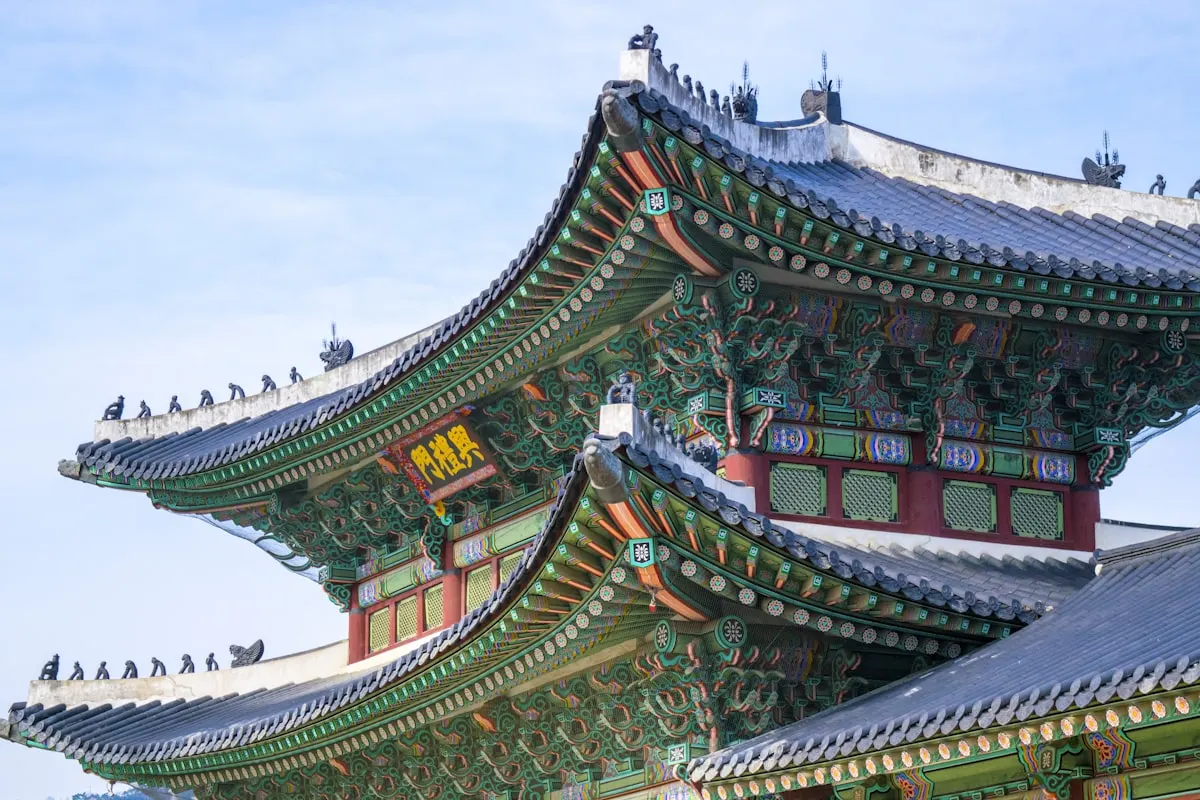
The visitors will arrive in three groups between September 6 and 11. Each participant will spend three nights and four days in Seoul, staying across four five-star hotels in the city, and visit attractions including Gyeongbokgung Palace, Bukchon Hanok Village and Myeong-dong. The incentive travelers will experience both Korea’s traditional culture and its modern urban life.
K-Culture Reshapes India’s MICE Market
As K-culture continues to grow in popularity, Indian companies are expanding their incentive travel destinations beyond their traditional focus on Europe and Southeast Asia to include South Korea. India’s MICE demand, once concentrated in Europe and Southeast Asia, has recently been shifting rapidly toward South Korea alongside the global spread of K-culture.
This is more than a change in destination. Foreign visitors arriving in South Korea for incentive travel spend an average of $2,710 per person—about 1.5 times more than general international tourists, giving them a significant economic impact on the country’s tourism industry.
What This Year’s Surge in Indian Incentive Travelers Means
Through the third quarter of this year, the Korea Tourism Organization had attracted and supported a total of 4,075 Indian incentive travelers, a 279% increase from the same period last year. In May, 650 employees of HDFC, one of India’s leading financial companies, visited South Korea, and visits by medium- and large-sized Indian incentive groups have continued.
With visits by additional medium- and large-sized groups scheduled for the fourth quarter, the number of Indian incentive travelers visiting South Korea this year is expected to surpass 10,000.
The Korea Tourism Organization’s Proactive Strategy
These results reflect the Korea Tourism Organization’s long-term, systematic approach. The KTO’s New Delhi office had been in regular contact with Herbalife India since 2024 as part of its efforts to attract the group. It also held a MICE presentation in Bengaluru, home to Herbalife’s Indian headquarters, actively promoting travel experiences in South Korea and the country’s MICE support programs.
The Korea Tourism Organization plans to focus even more closely on the Indian market. Next year, it intends to designate its New Delhi office as a dedicated hub for attracting corporate meetings and incentive travel, while continuing to target major Indian companies through local MICE roadshows and other initiatives.
Frequently Asked Questions (FAQ)
Q. What is the main reason Indian companies are choosing South Korea?
A. The spread of K-culture is a major factor. Indian companies once focused their incentive travel on Europe and Southeast Asia, but South Korea has emerged as a new destination as interest in the Korean Wave has grown. The Korea Tourism Organization’s proactive outreach and tailored MICE programs have also played an important role.
Q. Why did Herbalife choose South Korea instead of Georgia?
A. Herbalife had initially been considering Georgia as a leading incentive travel destination. However, during a site inspection in South Korea in June, the company confirmed the Korea Tourism Organization’s strong commitment to providing support, as well as its tailored MICE programs, and ultimately chose South Korea.
Q. Which areas will the Indian incentive groups visit?
A. Herbalife’s 1,400 employees will visit Seoul and Gangwon Province, while Birla Opus’s 465 employees will visit Seoul and Gyeonggi Province. Their itinerary includes major Seoul attractions such as Myeong-dong, Gyeongbokgung Palace and Bukchon Hanok Village, as well as Gangwon Province’s natural scenery.
Q. What is the economic impact of incentive travelers?
A. Incentive travelers spend an average of $2,710 per person, about 1.5 times the approximately $1,801 spent by general international tourists. Because large groups use accommodation, dining, shopping and tourism services together, they have a significant economic impact across the tourism industry.
Q. How much have Indian incentive visits to South Korea increased this year?
A. Through the third quarter of this year, the Korea Tourism Organization had attracted and supported 4,075 Indian incentive travelers, a 279% increase from the same period last year. With additional group visits expected in the fourth quarter, the annual total is forecast to exceed 10,000.
Q. What is the Korea Tourism Organization’s strategy for the Indian market?
A. The Korea Tourism Organization plans to designate its New Delhi office next year as a dedicated hub for attracting corporate meetings and incentive travel. It will also pursue proactive marketing, including MICE roadshows in Bengaluru and other locations. The strategy is to develop India into a key market for MICE travel to South Korea.