Japan records 3,440,000 visitors in July, the first year-on-year increase in four months
The Japan National Tourism Organization (JNTO) announced that the number of visitors in July 2026 was 3,442,100, an increase of 0.1% compared to the same month of the previous year. This was the first year-on-year increase recorded in four months and the highest ever recorded for July.
Rapidly changing patterns of visitor demographics by region
A noteworthy point is the dramatic change in the composition of visitors by region. South Korea had the largest number of visitors at 8,940,000, an increase of 31.9% compared to the previous year. Taiwan followed with 7,630,000 visitors, a 26.4% increase. Notably, Taiwan exceeded 700,000 visitors for the first time on a monthly basis, and Hong Kong also saw a sharp increase of 54.8% with 2,720,000 visitors.
Meanwhile, the number of visitors from China decreased sharply to 4,282,000, representing a 56.1% decline. This decrease has continued for eight consecutive months compared to the same month of the previous year, following the Chinese government’s recommendation in November of last year to refrain from visiting Japan and the reduction of flights.
Weakening Yen and Market Diversification Drive Growth
Demand during the summer vacation season and the weak yen drove the recovery. In mid-August, the yen weakened to 158–159 yen per dollar, remaining at its lowest level in about 40 years. The number of American tourists also increased by 3.3% to 2,862,000, while the number of visitors from the Middle East rose by 41.0%.
The market share previously held by China, which had been Japan’s largest source market, is being filled by neighboring markets such as South Korea, Taiwan, and Hong Kong. From January to July of this year, the number of visitors from China decreased by 56.4% compared to the same period last year. However, the number of tourists from the other 17 markets increased by an average of 343,000 per month, offsetting 72% of the losses.
Cascading policy effects and tourism expansion
A spokesperson for the tourism bureau stated at the first press conference on the 19th that the bureau will focus on expanding demand in the Asian market, diversifying the market, increasing per-visitor spending, and promoting regional tourism. Given that foreign tourist spending reached a record high of 9,500,000,000,000 yen in 2025, there is a clear effort to maintain a high quality of visitors this year as well.
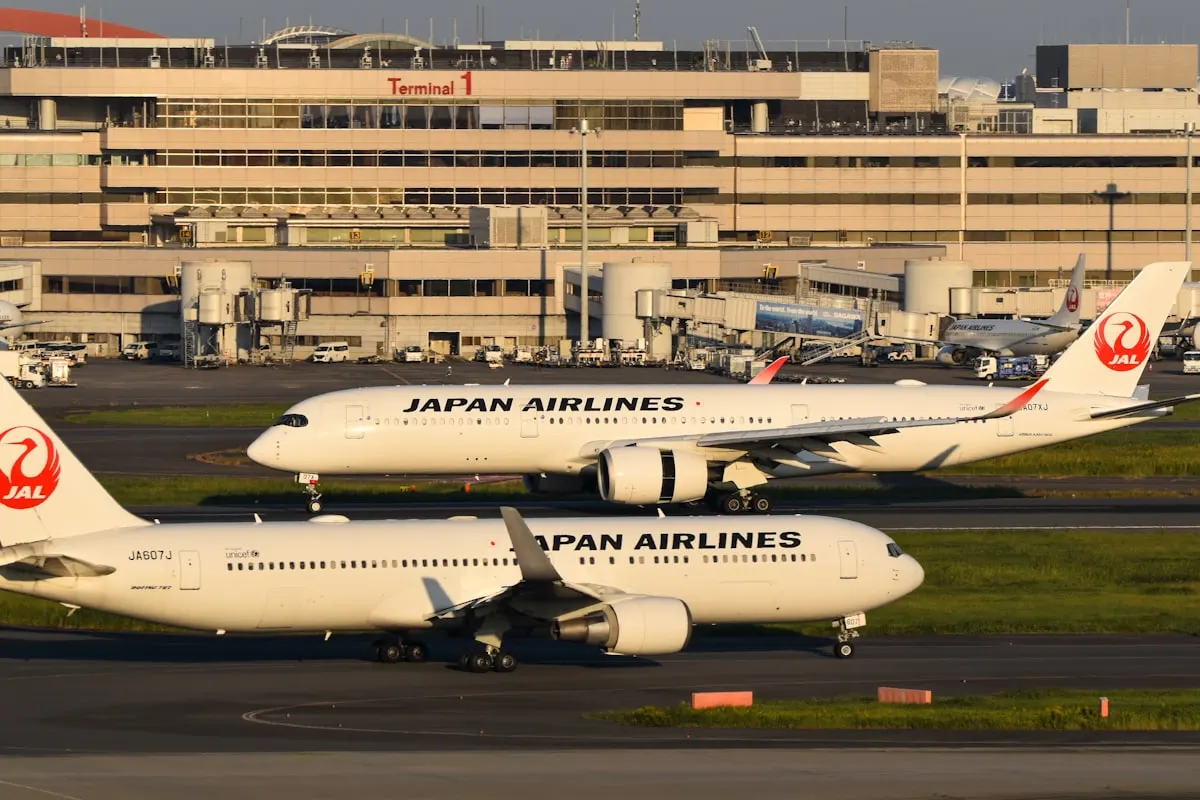
Efforts to expand airport infrastructure are ongoing. Major hub airports, including Narita and Haneda airports, are increasing the number of international flights, thereby improving accessibility from Europe, North America, and Southeast Asia.
Tasks and Prospects
However, the key question is whether the growth momentum will continue after the base effect fades. In April this year, the number of visitors fell 5.5% from the previous month to 3,692,200 due to geopolitical tensions. JNTO plans to focus on developing emerging markets such as Vietnam, India, and the Middle East, while also improving accessibility between regions.
Frequently Asked Questions (FAQ)
Q: How many visitors to Japan were there in July 2026?
According to an announcement by the Japan National Tourism Organization, the number of visitors in July 2026 was 3,442,100, marking the highest figure ever recorded for the month of July.
Q: Which major markets led to the increase in visitors in July?
South Korea (8,940,000, 7,000 people), Taiwan (7,630,000, 8,000 people), and Hong Kong (2,720,000, 5,000 people) led the increase, with South Korea experiencing a 31.9% increase compared to the same month of the previous year, and Hong Kong experiencing a 54.8% increase.
Q: Why has the number of Chinese tourists decreased?
A: Due to the Chinese government’s recommendation to refrain from visiting Japan and a reduction in flights, the number of tourists arriving from China fell 56.1% to 4,282,000, marking an eighth consecutive month of decline.
Q: What impact has the weakening Japanese yen had on the recovery of the tourism industry?
In mid-August, the Japanese yen reached a low of 158-159 yen per US dollar, a level not seen in approximately 40 years. This depreciation of the yen has enhanced Japan’s price competitiveness, which has, in turn, stimulated the influx of tourists.
Q: What is the outlook for the Japanese tourism industry in the future?
A: The tourism bureau is working to diversify markets, increase per-visitor spending, and promote regional tourism, and plans to focus on developing emerging markets. However, geopolitical factors may act as variables.
Q: What is the reason for the significant increase in tourists from South Korea and Taiwan?
The increase was driven by factors including geographical proximity, increased flights, and a rise in cruise ship visits, which expanded the pool of people in South Korea interested in Korean culture and those seeking to travel to Taiwan.