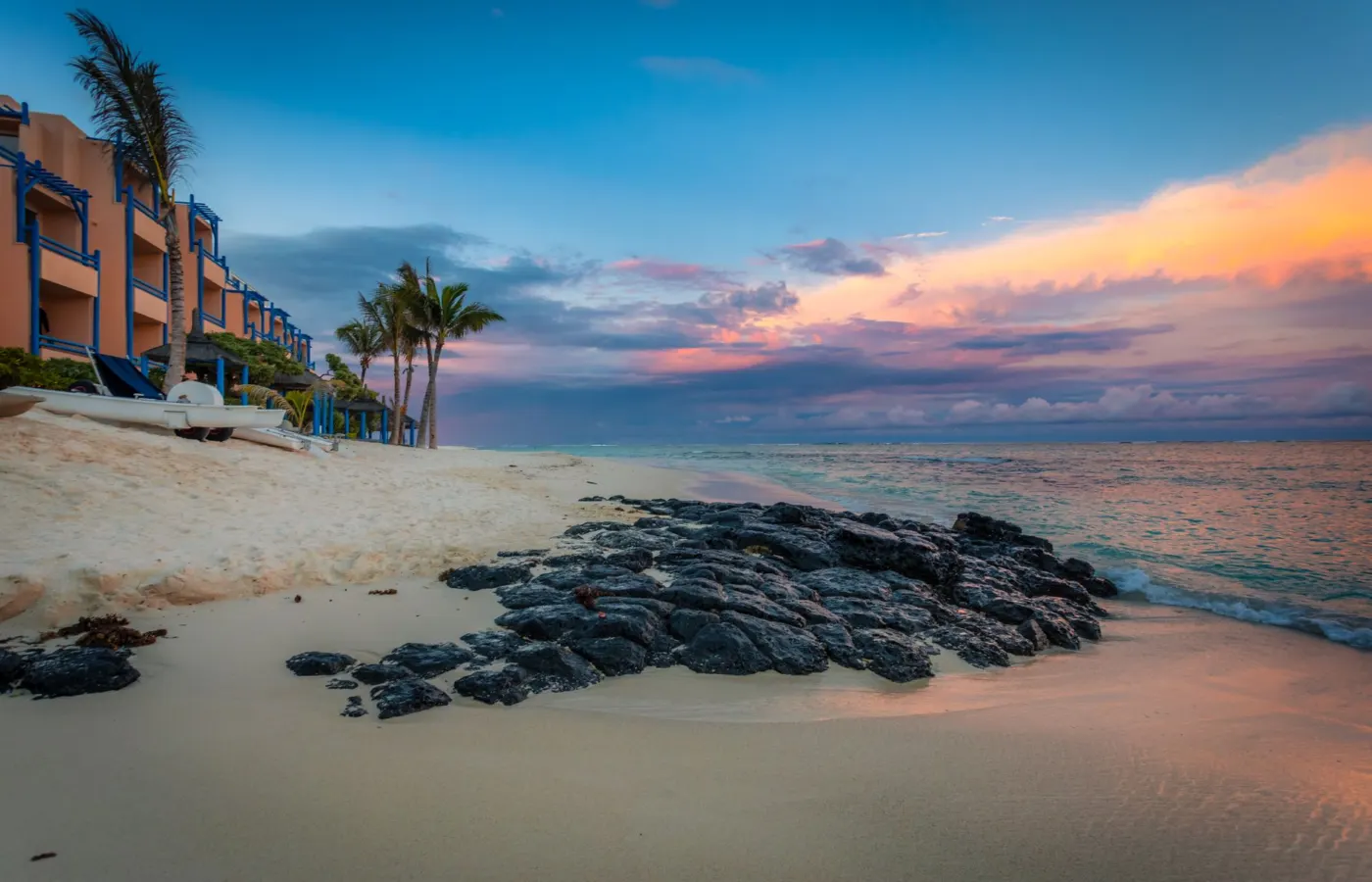
Mauritius’s advance targeting the Korean market: Differentiation through MICE and golf
Mauritius, previously known only as a honeymoon destination, is significantly expanding its tourism portfolio with the goal of attracting a 5-6% increase in Korean visitors. This strategic move involves expanding its business areas into various fields, including MICE (corporate meetings, incentive travel, conventions, and exhibitions), golf, and film production.
July roadshows in Seoul and Busan mark the beginning of full-scale cooperation with the travel industry
The Mauritius Tourism Promotion Authority (MTPA) held a roadshow for travel planners and influencers at The Plaza Hotel in Seoul on July 21st, and also organized a trade fair with participation from local hotels and Destination Management Companies (DMCs) to facilitate practical consultations. Three days later, on July 24th, the MTPA held a roadshow for the travel industry in the Yeongnam region at the Lotte Hotel in Busan. Approximately 70 people, including travel agencies, product planners, and journalists, attended the event in Seoul, while approximately 50 people attended the event in Busan.
At a media conference, Benoit Arte, the director of MTPA, stated, “Since taking office in December of last year, we have restructured our strategy with a focus on targeting emerging markets, and South Korea was the first target.” He added, “This roadshow is an opportunity to reconnect with the South Korean travel industry.”
High added value of the MICE industry, extension of tourist stay duration
The MICE industry is a high-value industry that attracts a large number of foreign tourists and increases the economic impact of related industries such as hotels and shopping. In the case of Seoul, the MICE industry is considered a highly profitable industry, with its economic impact being 300 times greater than the support invested in attracting and hosting events. This is also the reason why Mauritius is pursuing the MICE industry in addition to honeymoon tourism.
12 golf courses, with mild weather year-round as a key feature
Mauritius boasts more than 12 golf courses, and offers six themes of tourism, including not only golf but also MICE (Meetings, Incentives, Conferences, and Exhibitions) events, family travel, and language immersion programs where one can learn both English and French. Thanks to the courses that stretch along the coastline and the mild climate throughout the year, it is also recognized as a world-class golf resort destination. In particular, the grounds of the Mauritius Gymkhana Club have a long history, with golf being enjoyed there since 1844.
High-end resorts and competitive pricing
According to Benoît Arte, the director who visited South Korea representing the Mauritius Tourism Board, more than 80% of Mauritius’s accommodation facilities consist of 5-star or higher-class hotels, and the competitive structure allows for cost-effective services. Furthermore, Mauritius offers visa-free benefits to 183 countries, including South Korea, which has significantly improved accessibility.
Air accessibility has also been significantly improved. Ethiopian Airlines will begin operating three flights per week on the Incheon-Addis Ababa-Mauritius route, starting on July 12, 2026.
Diversifying into emerging markets: South Korea is the “primary target.”
Mauritius has long been recognized as a honeymoon destination in the Korean market, but the tourism board plans to diversify its offerings to include high-end family travel, golf, MICE (Meetings, Incentives, Conferences, and Exhibitions), and language study programs. The Mauritius Tourism Board views the Korean market as a high-value customer segment and aims to achieve long-term revenue growth through this strategy.
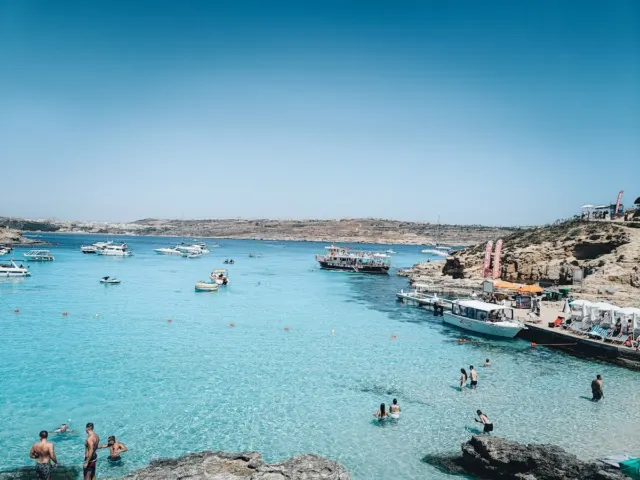
The entire island group is located within a 1-hour horizontal distance and a 1 hour 20-minute vertical distance from each other, and is of a size close to that of Jeju Island, but it is an island where everything is concentrated. Since tourism is Mauritius’s primary industry, the local people are proficient in English, friendly, and the weather is exceptionally good, which is a major attraction.
Frequently Asked Questions (FAQ)
Q: What is the reason that Mauritius is focusing on targeting the Korean market?
A: The Mauritius Tourism Promotion Authority considers South Korea to be a high-value market among emerging markets. While previously focusing on honeymoon travel, it believes that South Korea has high potential to generate diversified demand, including MICE (Meetings, Incentives, Conferences, and Exhibitions), golf, and family travel.
Q: How many local companies participated in the Mauritius roadshow in 2026?
A total of 9 companies participated, including the Mauritius Tourism Promotion Authority, 6 local hotels and resorts, 3 destination management companies (DMC), and 3 tour operators.
Q: How has the air accessibility of Mauritius improved?
A: Ethiopian Airlines began operating three flights per week on the Incheon-Addis Ababa-Mauritius route starting in July, and passengers can also utilize existing routes via the Middle East and Malaysia.
Q: What is the economic impact of the MICE industry?
A: The MICE (Meetings, Incentives, Conferences, and Exhibitions) industry is a high-value-added industry that generates significant economic benefits. The economic impact resulting from hosting and organizing events can be as high as 300 times the amount of support invested.
Q: How many golf courses are there in Mauritius?
A: Mauritius has more than 12 international standard golf courses, characterized by its scenic views along the coastline and its mild climate throughout the year.
Q: What is the standard of accommodation in Mauritius?
A: More than 80% of Mauritius’s accommodation facilities consist of luxury hotels with 5 stars or higher, and due to competition between resorts, high-quality services are available at reasonable prices.