Foreign tourists: Experiencing Korea as an “everyday life” rather than a “tourist destination.”
The travel patterns of foreign tourists visiting South Korea are rapidly changing. This shift moves beyond the typical tourism focused on famous landmarks, towards “local travel” where visitors sit in cafes, stroll through alleyways, and experience local cuisine like local residents. However, significant technical barriers still exist for foreign tourists seeking these deeper, more immersive Korean experiences.
Korean travel has been revived, but the approach is completely different
In 2024, South Korea recorded 16,360,000 foreign tourists, indicating a rapid recovery in the tourism market. Notably, there has been a change in the travel patterns of foreign tourists. As of 2023, the proportion of foreign tourists traveling independently was 85%, an increase of 9.4 percentage points compared to 2019. Furthermore, the rate of foreign tourists returning to South Korea reached 54.7% in 2024.
This signifies that South Korea has transformed from a simple tourist destination into a place that people “want to revisit.” Foreign tourists are now independently searching for themes that interest them and enjoying their trips to South Korea, going beyond traditional tourist destinations like Insadong and Myeongdong.
What foreign tourists want is not “staged” tourism but “local experience”
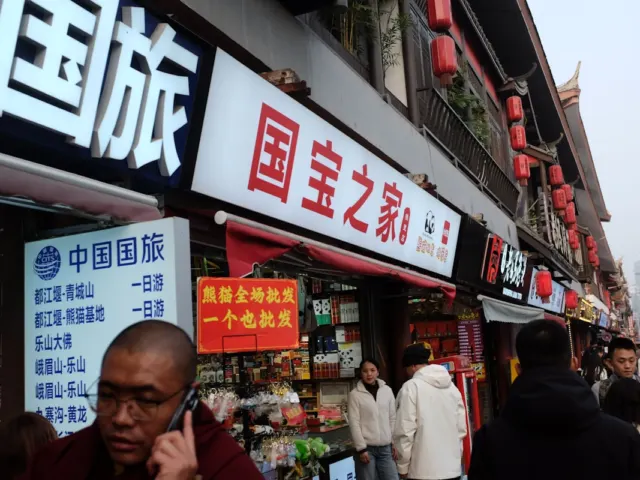
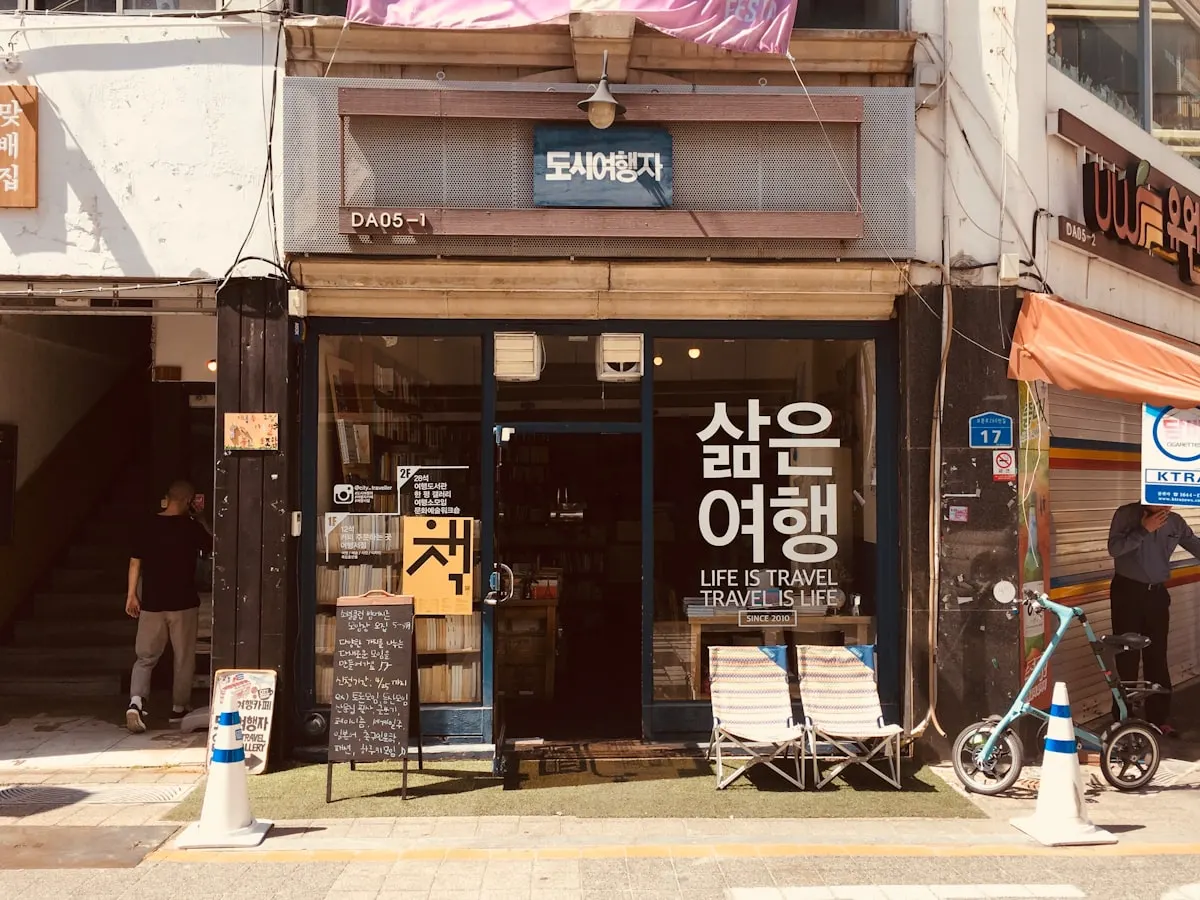
Foreign tourists are experiencing Korea not as a “tourist destination” but as an “everyday space,” and they are entering spaces that Koreans actually use, such as neighborhood cafes, retail stores, pharmacies, and curated shops. Foreign tourists are increasingly likely to naturally incorporate local cultural experiences, such as cafes, exhibitions, and neighborhood walks, into their itineraries, rather than just visiting famous tourist attractions.
Furthermore, while foreign tourists still visit Seoul the most, they are also showing increasing interest in areas outside of Seoul, such as Busan, Gyeonggi Province, and Jeju Island, for their next trips.
Digital Barriers Hindering Local Experiences: Mobile Phone Authentication and Reservation Systems
The problem lies in the technical barriers that prevent foreign visitors from fully experiencing the local culture. While the number of foreign tourists visiting South Korea is rapidly increasing, they often encounter inconveniences during their travels due to issues with transportation, payment, and mobile phone authentication. In particular, South Korea uses mobile phone numbers not only as a means of communication but also as a form of identification, which creates a high barrier to entry for foreign visitors.
A significant number of restaurant reservation services, map applications, taxi-hailing services, performance ticketing services, and simple payment services require Korean mobile phone verification. Many short-term foreign visitors do not have Korean mobile phone numbers or foreign resident registration numbers, and as a result, a considerable number of them give up using these apps altogether.
Are the improvement efforts of the Korean government and the Korea Tourism Organization sufficient?
The Korean government and the Korea Tourism Organization are strengthening multilingual support to improve the convenience of foreign tourists. The Ministry of Culture, Sports and Tourism, together with the Korea Tourism Organization, is producing image content in English, Japanese, and Chinese to help foreign tourists more easily use domestic public transportation. This content includes information on transportation options between Seoul and other regions, payment methods, online booking procedures, and how to use transportation apps.
Furthermore, the Korea Tourism Organization operates the “1330 Tourism Information Center,” a tourism information hotline that provides multilingual tourism information services for domestic and international tourists. It offers 24-hour services including nationwide tourism information, interpretation, and consultation for tourism-related complaints.
Despite this, experts point out that K-tourism needs to move beyond simple content competition and focus on improving digital accessibility for foreign visitors and enhancing the global payment environment.
To attract foreign visitors “again”:
As South Korea transitions from being a one-time tourist destination to a place that people repeatedly visit, it is crucial to remove digital barriers that hinder their experiences. If improvements are made to mobile authentication systems, foreign-friendly designs are implemented in reservation platforms, and a wider range of global payment methods are offered, foreign tourists will be able to more easily discover the hidden charms of South Korea and choose to visit again.
Frequently Asked Questions (FAQ)
Q. How many foreign tourists are currently visiting South Korea?
In 2024, the number of foreign tourists visiting South Korea reached approximately 16,360,000, and in 2025, it was recorded at approximately 18,940,000.
Q. What is the likelihood of foreign tourists visiting again?
A. A survey in 2024 revealed that the rate of repeat visits by foreign tourists was 54.7%, indicating that South Korea is not just a destination for a single visit, but a place that people choose to return to.
Q. What is the most significant change in the travel preferences of foreign tourists?
As of 2023, 85% of foreign tourists chose independent travel, and there has been a shift towards “localization,” where tourists experience cafes, alleys, and local restaurants, rather than visiting famous tourist attractions.
Q. What is the most common inconvenience experienced by foreigners traveling in Korea?
A. Mobile phone verification and app registration are cited as the biggest obstacles. Many services, including restaurant reservations, map applications, and taxi hailing, require Korean mobile phone verification.
Q. What efforts is the Korean government making to improve the convenience of foreign tourists?
The Ministry of Culture, Sports and Tourism and the Korea Tourism Organization are working to provide multilingual transportation information, operate 24-hour multilingual services at the 1330 Tourism Information Center, and offer online booking information.
Q. Are the regions that foreign tourists visit when they revisit South Korea changing?
A. Yes, foreign tourists visiting Seoul are increasingly interested in visiting other cities such as Busan, Gyeongju, Jeonju, and Pohang in their subsequent trips, and there is a clear trend towards seeking local experiences and discovering the hidden charms of each region.