International Travel to Korea Expands Beyond Seoul to Busan, Sokcho and Gyeongju
Inbound tourism to Korea has continued its post-pandemic recovery, with international visitors increasingly venturing beyond Seoul into regional cities. Demand is spreading not only to major tourist destinations such as Busan and Jeju, but also to coastal and historic destinations including Sokcho and Gyeongju.
According to the 2023 Korea Tourism Statistics compiled by the Korea Tourism Organization, approximately 11.03 million foreign visitors traveled to Korea in 2023, a 245% increase from 2022. As tourism demand rebounds, it is becoming increasingly common for travelers to combine Seoul with Busan or add regional cities to their itineraries.
Busan Emerges as the Leading Tourist Hub After Seoul
Busan is widely seen as a leading example of tourism spreading beyond the capital. According to the Busan Metropolitan Government and the Busan Tourism Organization, 1,820,057 international tourists visited the city in 2023, up 277.4% from the previous year.
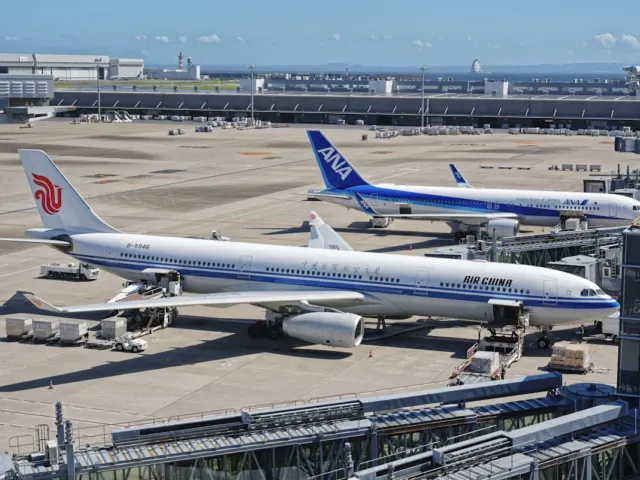
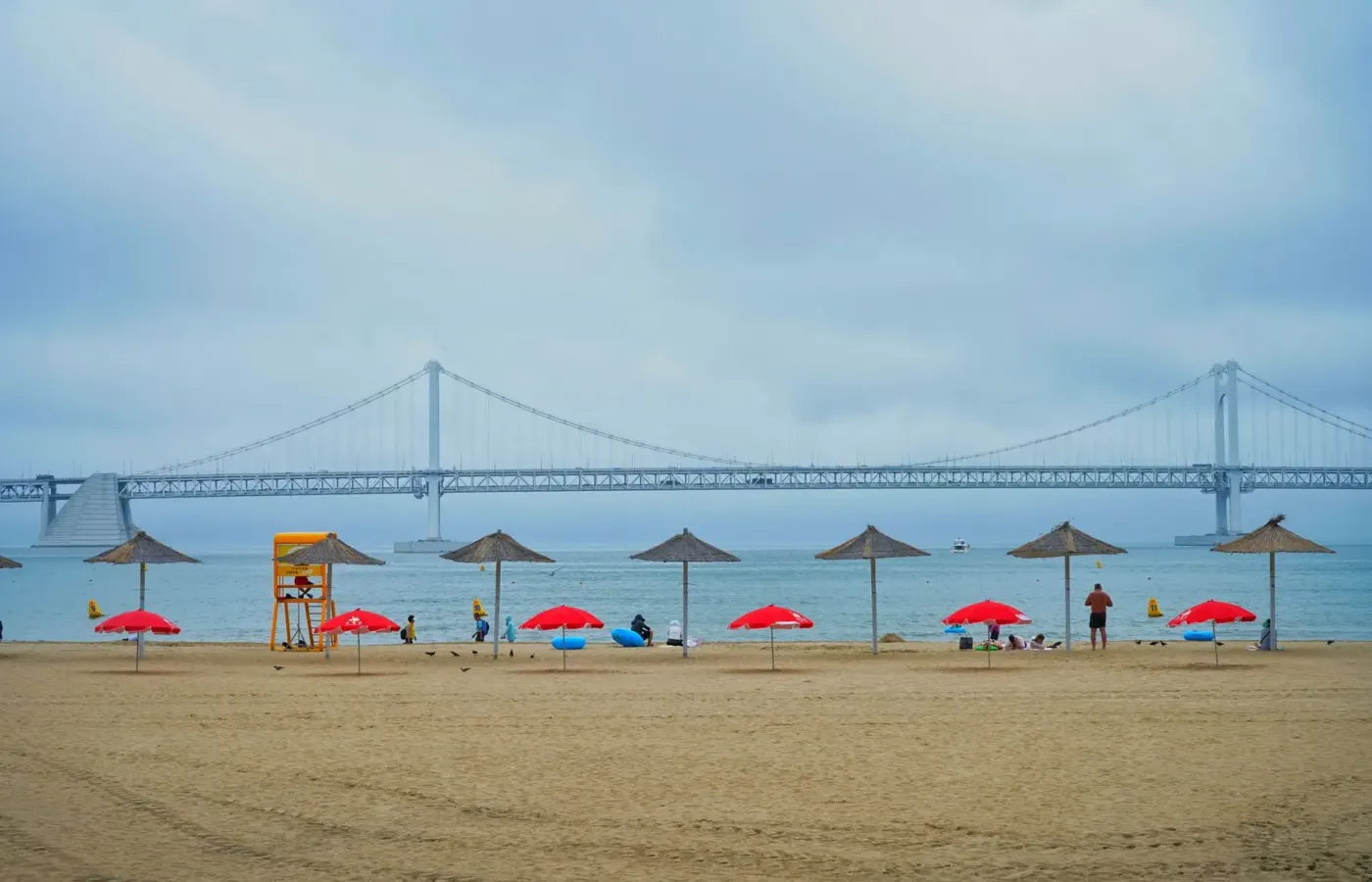
Alongside beach destinations such as Haeundae and Gwangalli, attractions including Gamcheon Culture Village, traditional markets, local restaurants and cafés have become major draws for international visitors. Easy access via Busan Port and Gimhae International Airport is also helping support regional trips linked to Seoul.
The Korea Tourism Organization views a two-hub strategy centered on Seoul and Busan, combined with signature experiences from each region, as an effective way to distribute international visitors more widely. In Busan, the focus is on developing longer-stay products that bring together coastal scenery, food and nighttime attractions.
Sokcho and Gyeongju Draw Visitors with Nature and History
Sokcho’s appeal lies in the variety of experiences available in one city, from Seoraksan and the East Coast to traditional markets and fresh seafood. Its relatively easy access from Seoul also makes it an attractive option for international travelers on shorter trips.
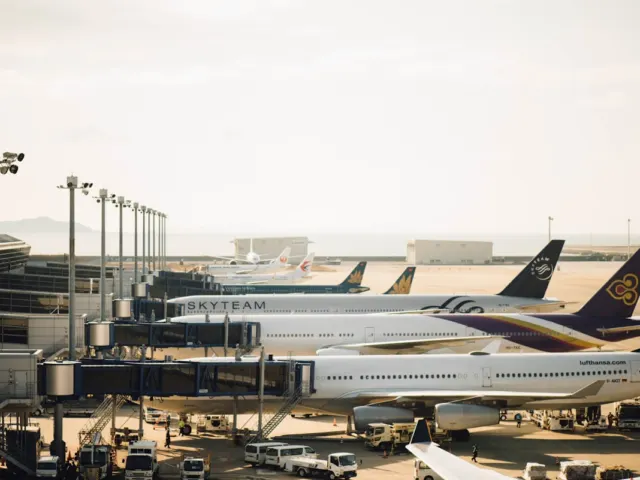
An analysis based on express-bus booking data from online travel platform Klook found that the Seoul–Sokcho route was among the most popular intercity routes used by foreign travelers. The trend suggests that international visitors are increasingly traveling around the country by rail and express bus, rather than relying primarily on air travel.
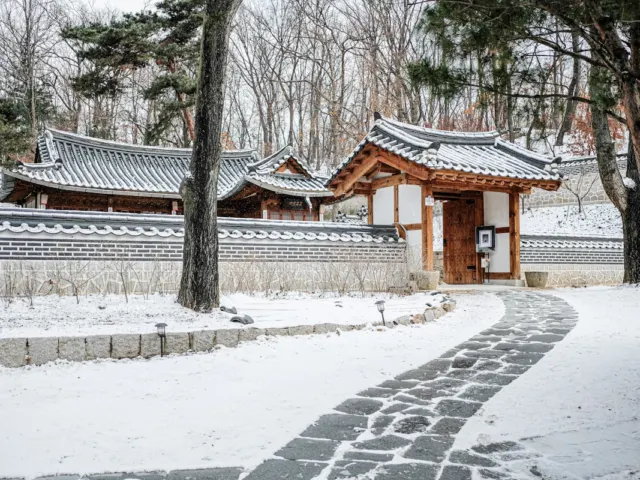
Gyeongju is home to internationally recognized historical and cultural sites including Bulguksa Temple, Seokguram Grotto, Daereungwon and Cheomseongdae. A Korea Tourism Organization report also identified the Gyeongsang region—including Busan, Gyeongju and Andong—as well as Gangwon Province, as key destinations outside Seoul, indicating sustained demand for regional trips focused on history and traditional culture.
The Rise of Independent Travel Is Driving Regional Exploration
The growth of free independent travel (FIT) is a key factor expanding the range of destinations visited by international tourists. Unlike group tours that follow fixed itineraries, FIT travelers build their own trips around their interests and the length of their stay.
According to the Korea Tourism Organization’s analysis of inbound markets by country, Japanese visitors to Korea are particularly likely to book flights and accommodation independently through online travel agencies. For trips outside Seoul, they are also using travel products covering the Gyeongsang region—including Busan, Gyeongju and Andong—as well as Gangwon Province.
The regional experiences sought by international travelers are also broadening beyond shopping and urban sightseeing to include nature, traditional culture, food, wellness and nighttime tourism. For regional cities to become destinations where visitors stay for two or three days or more, rather than simply stopovers on day trips, transportation, booking services and multilingual information all need to be strengthened together.
Regional Tourism Strategies Must Reflect More Diverse Source Markets
The makeup of Korea’s inbound tourism market is also becoming more diverse. Japan accounted for the largest number of visitors in 2023, at approximately 2.32 million, followed by China with about 2.02 million, the United States with 1.09 million, Taiwan with 960,000 and Vietnam with 420,000.
Long-haul markets such as the United States and Europe offer strong potential for regional tourism because travelers tend to stay longer and visit multiple destinations. By contrast, short-haul markets such as Japan and Taiwan can choose Busan, Gangwon or Jeju even on shorter trips, making them well suited to repeat visits.
Revitalizing regional tourism will require destinations to communicate their appeal more clearly. Busan can emphasize the sea and food, Sokcho nature and relaxation, and Gyeongju history and traditional culture. Foreign-language information and public-transit connections must also be improved.
The Challenge Is to Create Destinations Beyond Seoul
The increase in international visitors traveling to regional areas has implications not only for tourism distribution but also for local economic growth. If accommodation, restaurants, experiences and transportation services grow together, tourism spending can spread beyond the capital region.
Simply encouraging international tourists to visit regional areas, however, will not be enough. More bookable experiences are needed, along with multilingual information on transportation and operating hours and integrated services that make it easier to travel between destinations.
The shift from Seoul-centered travel to destinations such as Busan, Sokcho and Gyeongju shows that the next growth engine for Korean tourism lies in the regions. As Korea prepares for an era of 20 million international visitors, it will need to diversify not only the number of tourists but also the places they stay and the experiences they have.
Frequently Asked Questions (FAQ)
Which destinations in Korea are most popular with international visitors?
Seoul remains the country’s biggest destination, but demand is spreading to Busan, Jeju, Gangwon Province and Gyeongju. In particular, Busan welcomed 1,820,057 international tourists in 2023, establishing itself as a leading regional tourism hub.
Why are more international tourists visiting Busan?
Key factors include beaches such as Haeundae and Gwangalli, Gamcheon Culture Village, traditional markets, the city’s food scene and convenient transport links with Seoul.
What appeals to international tourists about Sokcho?
Visitors can experience the natural scenery of Seoraksan and the East Coast alongside leisure activities, fresh seafood and markets such as Sokcho Jungang Market.
Why do many international tourists visit Gyeongju?
They can explore major Silla-era historical and cultural sites, including Bulguksa Temple, Seokguram Grotto, Daereungwon and Cheomseongdae, all in one area. The chance to combine traditional cultural experiences with cafés and modern commercial areas is another advantage.
What is free independent travel (FIT)?
FIT is a style of travel in which visitors independently select and arrange their flights, accommodation, transportation and sightseeing plans. As FIT travel grows, more international tourists are visiting destinations outside Seoul based on their individual interests.