A Pause in Your Kyoto Journey—The Kamogawa Riverbank
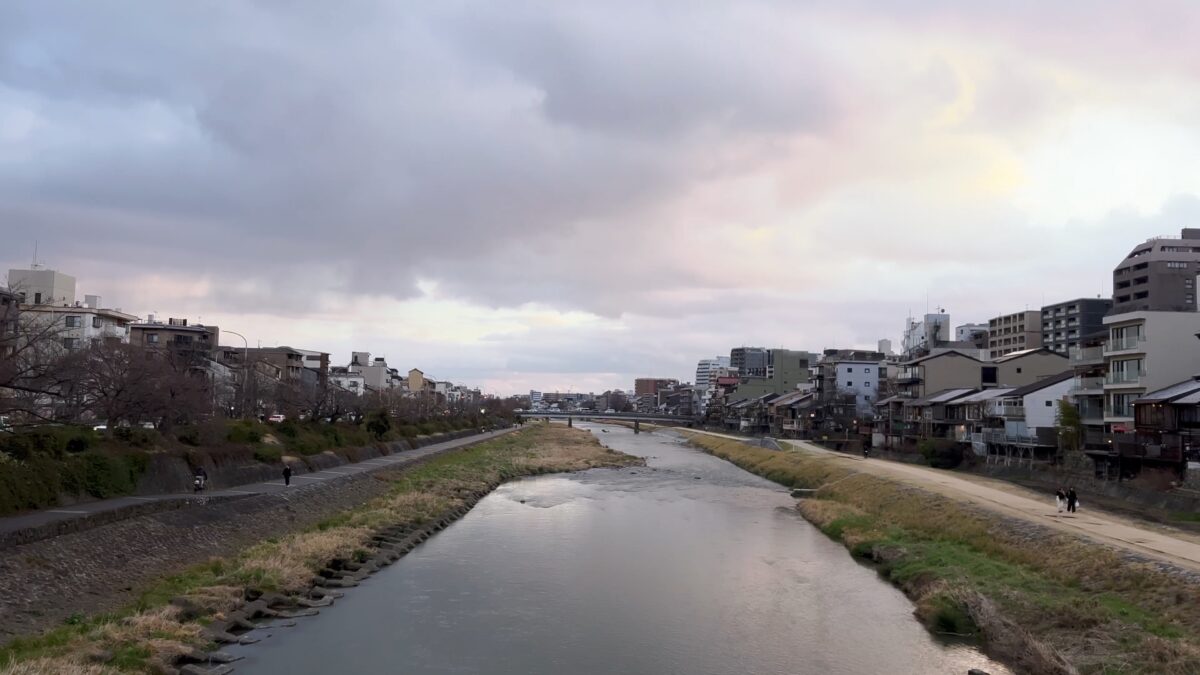
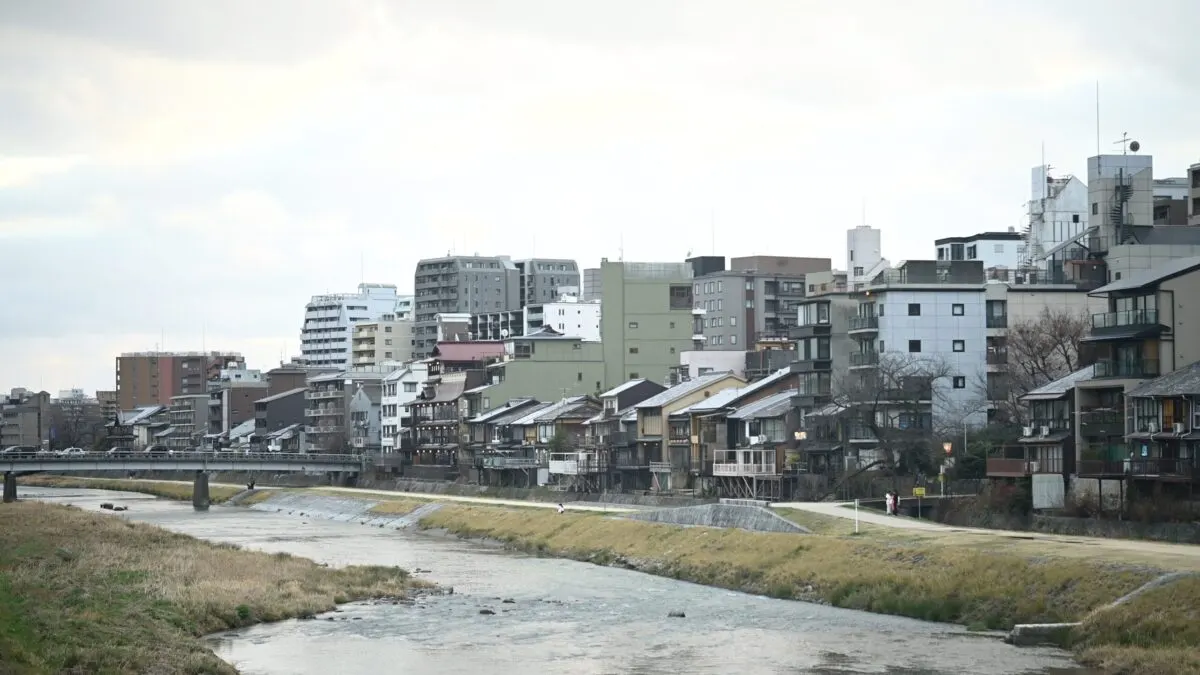
The Kamogawa (also written as Kamo River) originates near Mount Sagikigatake and flows through the heart of Kyoto’s urban landscape before merging with the Katsuragawa River at Toba. The section around Shijo is flanked by the lively Gion district to the east and the bustling Kawaramachi shopping area to the west, making it the commercial heart of Kyoto and one of the city’s most iconic vistas.
The riverbanks are a cherished gathering spot where locals and visitors alike spend their leisure time unhurried and at ease.
True to its name, the Kamogawa is home to a remarkable variety of wildlife. Ducks such as mallards, spot-billed ducks, and Eastern spot-billed ducks swim alongside herons and cormorants. Few urban rivers offer such an authentic window into the lives of wild birds thriving in the city’s midst.
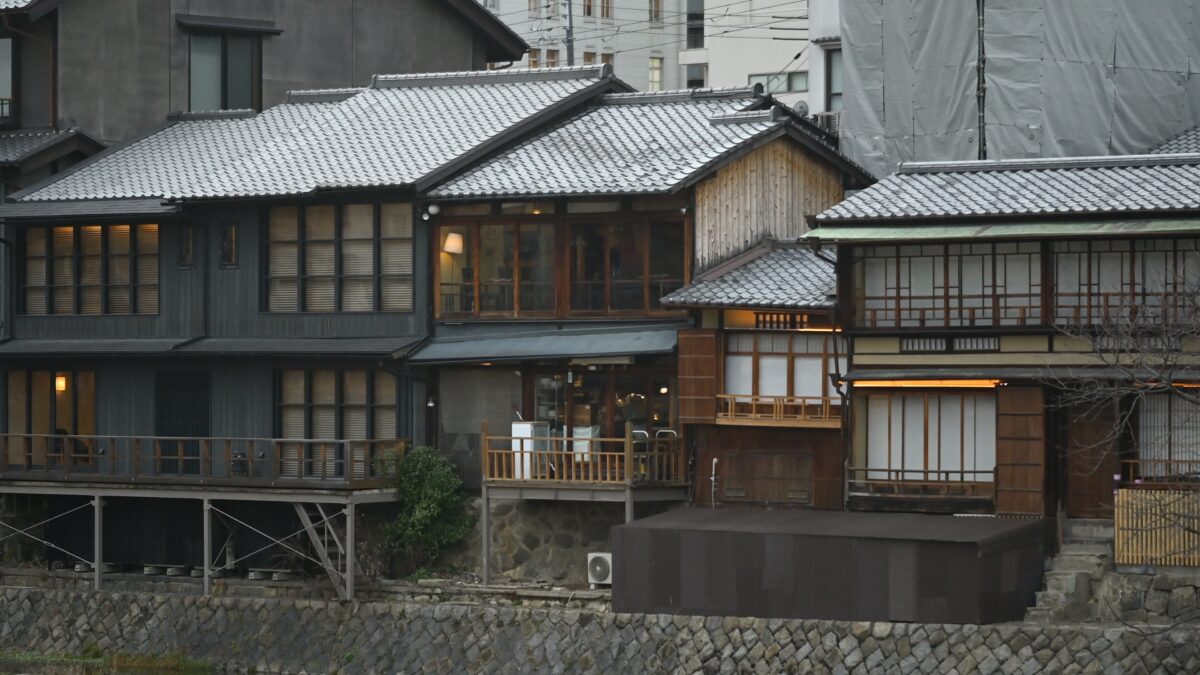
Along the western bank from Nijo to Gojo, seasonal riverside platforms called noryo yuka are erected from May through September. Commonly referred to simply as “yuka,” these terraces have a storied history stretching back to the early Edo period. Diners enjoy meals and drinks while savoring the cool breeze off the water, and popular establishments are perpetually booked solid. Though evening service dominates once temperatures drop, many restaurants also offer daytime seating during the pleasant months of May, June, and September.
When traveling through Kyoto, you can easily lose track of whether you came to rest or to check off a sightseeing itinerary. There’s simply too much to see and eat.
When that sense of exhaustion creeps in, this is the place to come.
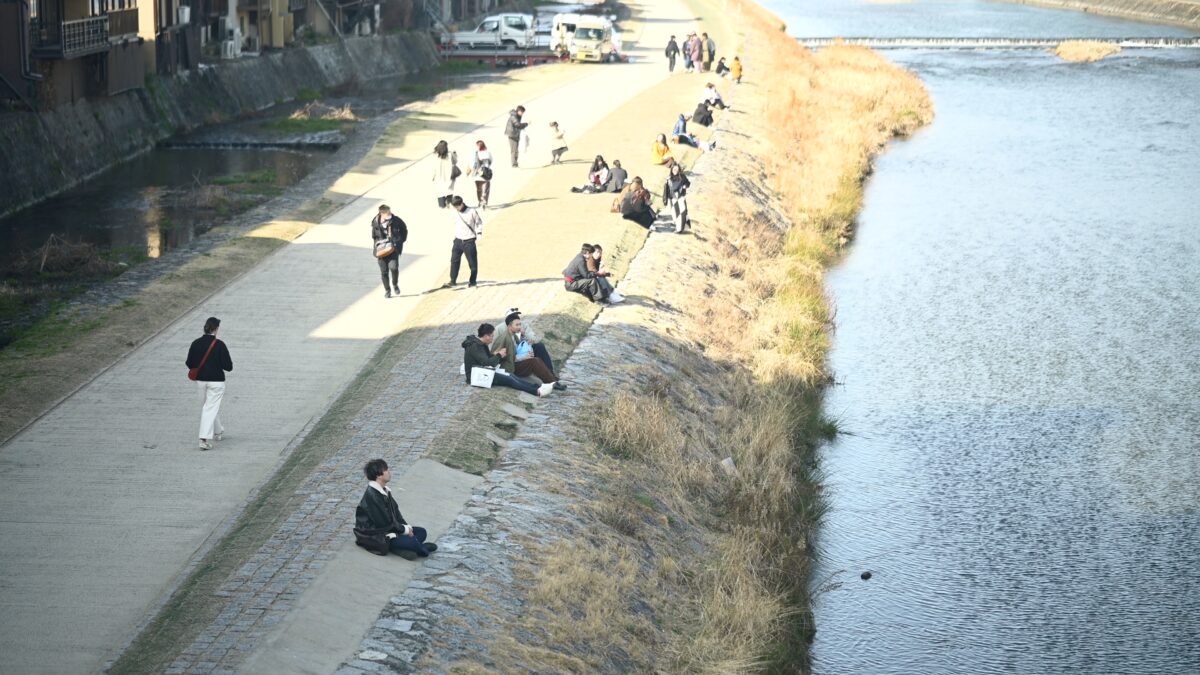
Sit by the water for a while—stare blankly at the river or nurse a cold beer—and the answer to where you should go next may just come to you.
Better yet, claim a table at one of the many restaurants lining the banks with a good view, order some grilled meat, and have a drink. I still regret not doing this when I was there.
While I did pause to gather my thoughts, I failed to transform that moment into a truly delicious memory—a regret that lingers.
In truth, the Kamogawa is the centerpiece that ties together Nishiki Market, Yasaka Shrine, and the Gion district. Even if you merely wander aimlessly along these banks and the surrounding streets, you’ll capture the essence of what makes Kyoto special.
The best time to visit is at sunset.
By all means, bring a cold beer and some good snacks, and head down to the riverbank. You’ll find it entertaining to watch the steady stream of tourists hurrying across the bridges while taking in the unhurried beauty of Kyoto unfolding before your eyes. And in that moment, Kyoto itself will become a joy.
Now, thinking of my next trip to Kyoto, I finally feel like I have a plan.