U.S. Maintains Level 2 Travel Advisory for Indonesia
The U.S. Department of State kept Indonesia at Level 2, “Exercise Increased Caution,” on July 7, 2026, while updating its guidance on natural disasters, civil unrest and terrorism. The update did not raise the overall advisory level or any of the country’s risk indicators.
However, Central Papua and Highland Papua remain under the highest-level recommendation, Level 4, “Do Not Travel,” because of localized armed conflict and the risk of kidnapping. Anyone planning a trip to Indonesia should distinguish between the nationwide advisory and warnings that apply to specific regions.
Key Risks Highlighted in the Indonesia Travel Advisory
Earthquakes, Tsunamis and Volcanic Eruptions
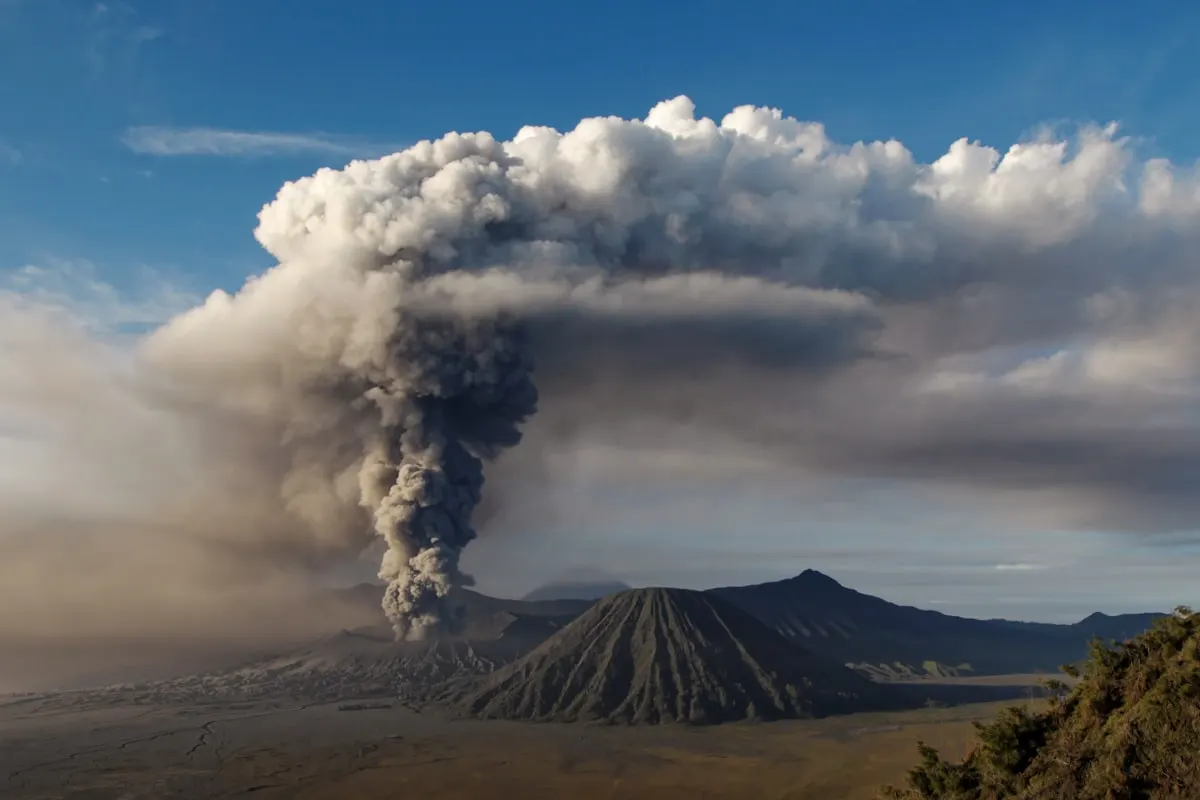
According to the U.S. State Department, Indonesia is prone to recurring earthquakes, tsunamis and volcanic eruptions. A major disaster could disrupt not only flights and roads but also electricity, communications, water and sewage systems, and medical services.
Earthquake and tsunami information is available through InaTEWS, operated by Indonesia’s Meteorology, Climatology and Geophysical Agency. For the latest updates on volcanic activity levels and restricted areas, travelers should check MAGMA Indonesia, run by the Center for Volcanology and Geological Hazard Mitigation.
If you feel a strong earthquake or prolonged shaking in a coastal area, do not wait for an official warning. Follow local instructions and move to higher ground or a designated shelter. Around volcanoes, travelers should also monitor crater access restrictions and the possibility of flight cancellations.
Protests and Crowded Areas
The U.S. State Department warns that protests over political and economic issues are common in Indonesia, and some demonstrations can turn violent. In major cities, including Jakarta and Surabaya, demonstrations may lead to road closures or changes to public transportation services.
Travelers should avoid confrontations between protesters and police, government buildings and large crowds. Foreign nationals who take part in protests while visiting on a tourist visa may face deportation under Indonesian law, so it is best to avoid approaching demonstrations even to take photographs or watch.
Terrorism Risks and Public Venues
The U.S. State Department says the possibility of terrorist attacks in Indonesia, often with little or no warning, cannot be ruled out. Past attacks and potential targets have included police facilities, religious sites, hotels, bars, markets, shopping malls, restaurants and large events.
This does not mean that tourist destinations across the country face an immediate threat of attack. However, during religious holidays or political events, travelers should identify entrances and emergency exits. Anyone who notices unattended items or unusual security restrictions should leave the area promptly.
Why Are Central Papua and Highland Papua at Level 4?
The U.S. State Department says sporadic but ongoing localized conflicts have occurred in Central Papua and Highland Papua. Armed separatist groups have also kidnapped foreign nationals, leading the U.S. government to issue a Level 4 travel warning for both regions.
U.S. government employees working in Indonesia may not visit either area without special authorization. Because of security and transportation conditions, the emergency consular assistance the U.S. government can provide to its citizens is also limited.
The U.S. Level 4 designation is part of a travel advisory system for American citizens. Although it resembles the Republic of Korea’s Level 4 travel-ban designation, the two systems do not have the same legal effect or apply to the same people. South Korean travelers should therefore check Indonesia-related advisories issued by the Korean Ministry of Foreign Affairs separately.
Safety Measures to Take Before Departure
- Check regional advisories: Review advisories not only for your destination city but also for overland routes and transfer points.
- Monitor disaster information: Check the latest BMKG notices on earthquakes and tsunamis and the latest MAGMA Indonesia updates on volcanic activity immediately before departure.
- Avoid protest areas: Use local media and information from your accommodation to identify demonstration sites and road closures.
- Make an independent evacuation plan: Do not rely solely on government assistance. Identify alternative airports, ports, overland routes and emergency accommodations in advance.
- Review your travel insurance: Confirm that it covers overseas medical expenses, emergency evacuation, and itinerary changes or trip cancellations caused by disasters.
- Save emergency contacts: Keep the contact details for the Embassy of the Republic of Korea in Indonesia, the Consular Safety Call Center, family members, your airline and your insurer both on your phone and on paper.
U.S. citizens can register their itineraries with the State Department’s free Smart Traveler Enrollment Program (STEP) to receive email alerts about protests, health concerns, natural disasters and travel advisories. South Korean travelers should prepare based on safety information from the Korean Ministry of Foreign Affairs’ Overseas Safety Travel service and local diplomatic missions.
Assess Regional Risks Rather Than Canceling the Entire Trip
The U.S. government is not currently advising against travel to all of Indonesia. The nationwide advisory remains at Level 2, while Central Papua and Highland Papua are separately classified as Level 4, meaning the level of risk can vary significantly depending on the destination.
Even when visiting major tourist destinations such as Bali and Jakarta, travelers cannot completely rule out the risks of natural disasters, protests or terrorism. Check the latest advisories again before departure, and review your flight and accommodation terms so you can adjust your plans quickly if conditions change.
Frequently Asked Questions (FAQ)
What is the current U.S. travel advisory level for Indonesia?
As of July 7, 2026, Indonesia as a whole is at Level 2, “Exercise Increased Caution.” The announcement updated the guidance but did not raise the overall advisory level or any of the risk indicators.
Is all of Indonesia subject to a do-not-travel advisory?
No. The U.S. State Department’s do-not-travel recommendation applies to Central Papua and Highland Papua. The rest of the country is generally at Level 2, but travelers should check conditions in each area again before departure.
Why are Central Papua and Highland Papua considered dangerous?
Localized clashes linked to armed separatist groups have continued, and cases of foreign nationals being kidnapped have been reported. The ability of outside agencies to provide emergency assistance may also be limited.
Where can I find information on earthquakes and volcanic activity in Indonesia?
For earthquakes and tsunamis, check information from Indonesia’s Meteorology, Climatology and Geophysical Agency, including BMKG and InaTEWS. For volcanic activity and access restrictions, consult the latest updates from MAGMA Indonesia.
Do South Koreans need to register with STEP?
STEP is a service operated by the U.S. Department of State for American travelers. South Koreans should check the Korean Ministry of Foreign Affairs’ Overseas Safety Travel service and safety notices from the Embassy of the Republic of Korea in Indonesia.