New York ranks No. 1 among global tourism cities in 2026…Seoul holds No. 5 for the second year in a row
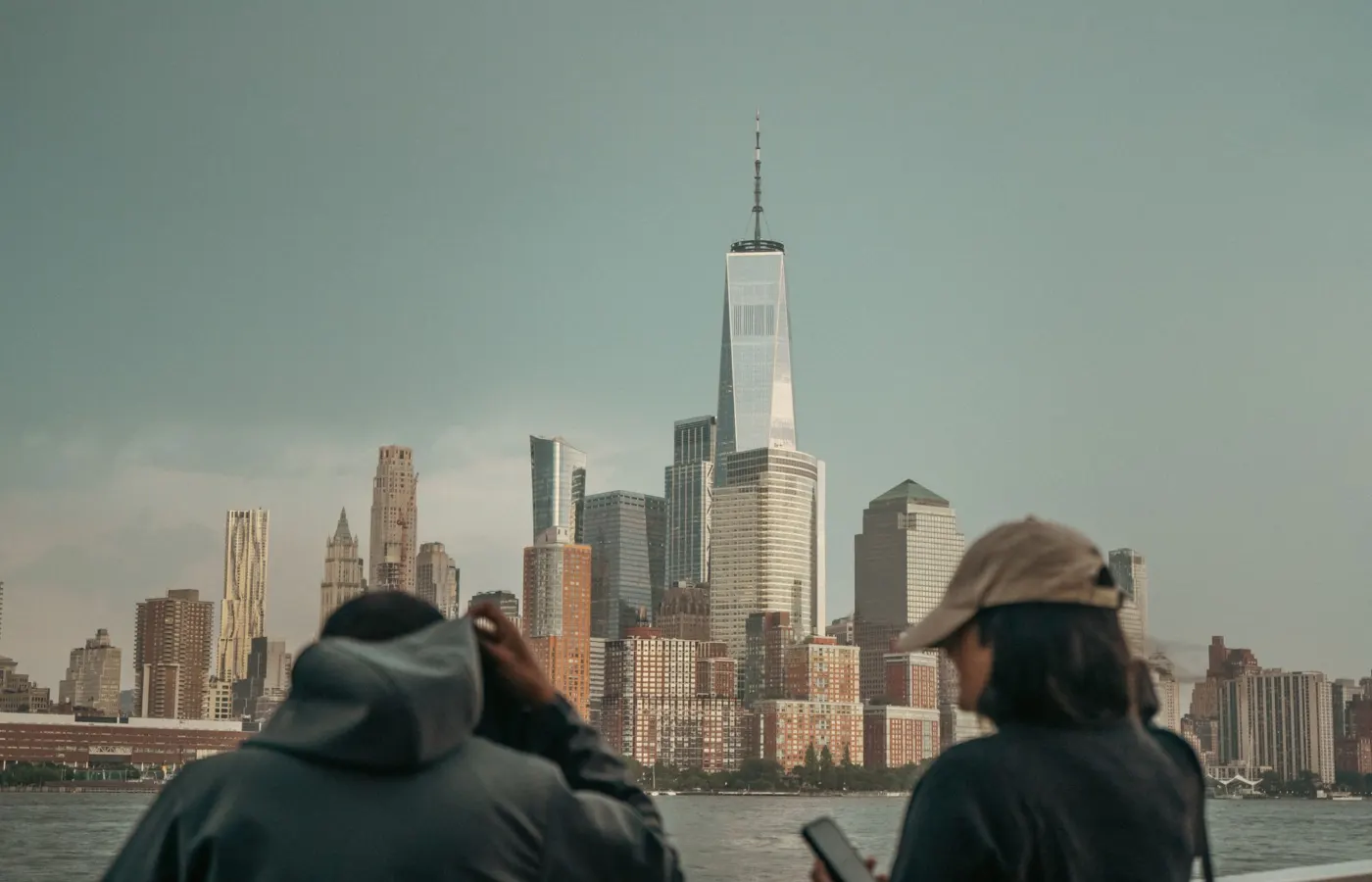
Yanolja Research ranked New York, United States, No. 1 overall in its Global Tourism City Attractiveness Assessment, released on July 16, 2026. Osaka, Japan, which topped the overall rankings last year, placed third but retained the No. 1 spot for attractiveness—a measure of tourists’ positive evaluations. Seoul ranked fifth overall, keeping its place among the world’s top five tourism cities for the second consecutive year.
The assessment differs from conventional tourism-city competitiveness rankings because it focuses less on tourism infrastructure and visitor numbers than on how familiar tourists are with a city and how positively they experienced it.
New York takes the top spot, leading in awareness and individual strengths
According to Yanolja Research, the 2026 assessment covered 261 cities, up from 191 the previous year, with results published for the top 200. The analysis drew on global social data in 14 languages provided by Brandwatch, a UK-based company, covering the period from June 2025 through May 2026.
New York ranked first for awareness, which reflects how widely known a city is. It also placed first across all three evaluation dimensions—“Beauty and Natural Scenery,” “Experiential Content” and “Hospitality”—helping it secure the top overall ranking. Researchers attributed New York’s rise from fourth overall last year to a combination of strong global recognition and highly positive evaluations of the tourist experience.
Paris, France, ranked second overall, followed by Osaka, Japan, in third and Kyoto, Japan, in fourth. Paris retained the top spot for “Culture and History,” while Osaka and Kyoto ranked first and second, respectively, in the separately calculated attractiveness category.
Seoul ranks fifth overall and fourth for attractiveness
Seoul ranked fifth overall, placing it among the world’s top five for the second consecutive year after 2025. In the attractiveness category, published separately for the first time this year, Seoul ranked fourth globally, behind Osaka, Kyoto and New York. The result points to the high quality of visitors’ actual experiences in the city.
Seoul also showed broad-based strength across the individual measures. It ranked third in “Beauty and Natural Scenery,” “Experiential Content” and “Hospitality,” and seventh in “Culture and History,” placing it among the world’s top 10 in all four dimensions. The results suggest that Seoul’s tourism competitiveness is not dependent on a single factor but is built across its cityscape, cultural assets, visitor experiences and tourism services.
Busan and Jeju enter the top 50 as South Korea’s tourism cities gain ground
Other South Korean cities also posted notable gains. Busan ranked 42nd overall and Jeju 44th, placing both in the global top 50. Incheon, included in the assessment for the first time this year, ranked 51st, while Daegu ranked 88th. All five South Korean cities included in the assessment placed within the global top 100.
South Korea’s regional cities shared one notable pattern: their attractiveness rankings were higher than their awareness rankings. Busan ranked 26th for attractiveness compared with 52nd for awareness; Jeju ranked 22nd for attractiveness versus 67th for awareness; and Incheon ranked 27th for attractiveness compared with 76th for awareness. Researchers said these cities have lower global visibility than their actual visitor evaluations would suggest, leaving room for further gains if overseas promotion and regional tourism partnerships are strengthened.
What the tourism-city attractiveness index means for policymakers
The Yanolja Attractiveness Index evaluates tourism cities along two axes: awareness and attractiveness. Awareness reflects the volume and level of attention cities receive on social media, while attractiveness captures positive sentiment through sentiment analysis. Taken together, the two measures distinguish cities that are widely known from those that receive especially high marks from actual visitors.
The results show that Seoul and South Korea’s regional cities are competitive when it comes to the visitor experience. At the same time, regional cities have lower awareness than attractiveness, highlighting the importance of developing distinctive content for each destination and expanding Korea-bound travel demand beyond Seoul to Busan, Jeju, Incheon and Daegu.
Yanolja Research said it plans to publish the index regularly in the future to track global tourism trends and changes in the competitiveness of individual cities. Tourism policy and city branding will also need to move beyond visitor numbers to reflect what tourists actually experience and how those experiences make them feel.
Frequently Asked Questions (FAQ)
Q. Which city ranked No. 1 overall among global tourism cities in 2026?
A. New York, United States. New York ranked first for awareness and also topped the rankings for “Beauty and Natural Scenery,” “Experiential Content” and “Hospitality.”
Q. Where did Osaka rank?
A. Osaka ranked third overall. However, it ranked first globally in the attractiveness category, which measures tourists’ positive evaluations.
Q. What was Seoul’s overall ranking in 2026?
A. Seoul ranked fifth overall, remaining among the world’s top five for the second consecutive year after 2025. It ranked fourth globally in the attractiveness category.
Q. What were Seoul’s strengths?
A. Seoul ranked third in “Beauty and Natural Scenery,” “Experiential Content” and “Hospitality,” and seventh in “Culture and History,” placing it among the global top 10 in all four evaluation dimensions.
Q. How did South Korea’s other tourism cities rank?
A. Busan ranked 42nd, Jeju 44th, Incheon 51st and Daegu 88th. All five South Korean cities included in the assessment placed within the global top 100.