U.S. military prepares for operations extending to cislunar space as next-generation airlift plans take shape
U.S. Joint Chiefs of Staff Chairman Gen. Dan Caine used a speech on the final day of the Air Force Association’s Air, Space & Cyber Conference in National Harbor, Maryland, on Sept. 16, 2026, to argue that the U.S. military must broaden its view of the operational environment—from beneath the sea to cislunar space. The Air Force also outlined plans that day for a next-generation airlifter to replace the C-5M and C-17, while disclosing that it is considering ways to extend the service lives of its existing fleet.
The discussion reflected the Pentagon’s view that space operations and air mobility should not be treated as separate domains, but as interconnected elements of a single joint operational system linking surveillance, command and control, transportation and logistics.
Caine calls for an expanded operational focus reaching into cislunar space
According to Breaking Defense, Gen. Caine emphasized at the AFA conference that the U.S. military must begin adapting its forces now so they can operate in increasingly contested environments. The cislunar region he referred to encompasses a broad area extending beyond low Earth orbit and out toward the Moon.
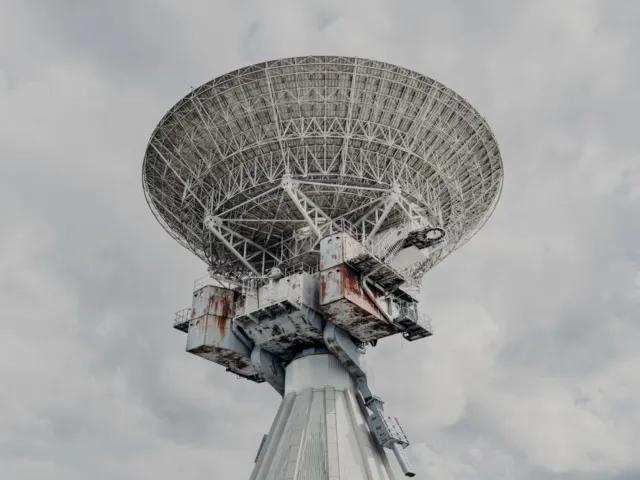
Cislunar operations are not simply about building military bases on the Moon. They also involve the ability to maintain space situational awareness, communications and navigation across the space between Earth and the Moon. The U.S. Space Force is already establishing organizations and programs aimed at expanding deep-space navigation and space-domain awareness capabilities.
In April 2026, the U.S. Space Force established the Cislunar Coordination Office to synchronize cislunar-related initiatives. According to Air & Space Forces Magazine, the office is responsible for developing a roadmap for deep-space missions and coordinating cooperation with industry.
Surveillance, communications and navigation are central to cislunar operations
Sustained operations in the space between Earth and the Moon will require the ability to track the location and movement of objects in space, along with long-range communications networks and reliable navigation systems. A key starting point will be the ability to monitor the activities of rival nations’ satellites and space-based assets and analyze how those activities change over time.
The region involves far greater distances and longer communications delays than operations in Earth orbit. That is driving demand for an integrated approach combining deep-space sensors, distributed communications systems and automated data-processing technologies rather than relying solely on existing satellite networks.
Gen. Caine’s remarks align with a broader shift in U.S. defense strategy that treats space not merely as a support domain, but as a central arena for combat and deterrence. The conference, however, did not provide detailed disclosures about specific operational concepts or weapons employment in the cislunar region.
Next-generation airlifter aims to replace the C-5 and C-17
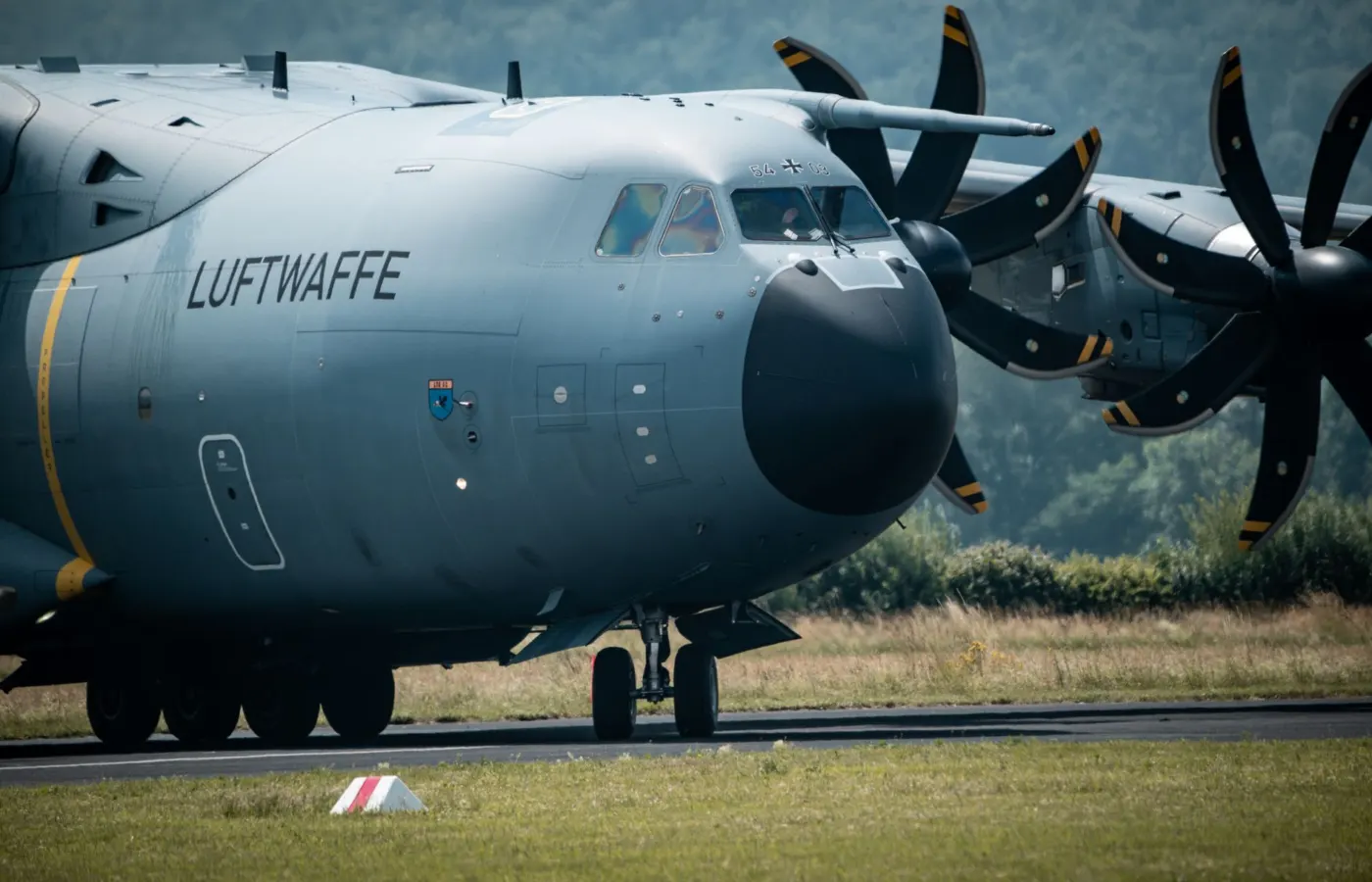
In the air mobility sphere, the proposed next-generation airlifter known as NGAL, or Next-Generation Airlift, emerged as a major topic. The aircraft is intended to replace the C-5M Super Galaxy and C-17A Globemaster III. The Air Force’s current plan calls for replacing both aircraft with a single family of next-generation heavy airlifters.
Air & Space Forces Magazine reported that, under the Air Force’s plan to restructure its airlift fleet, NGAL deliveries would begin in 2038, with initial operational capability targeted for 2041. The schedule points to a development, testing and production effort spanning many years—and means the C-5 and C-17 fleets will need to remain in service for the foreseeable future.
The next-generation aircraft is expected to require more than heavy cargo-hauling capacity. It will also need greater survivability in contested areas, secure connectivity, long-range operating capability and the ability to use austere airfields. The Pentagon views NGAL as a central joint airlift platform for deploying troops and equipment even during conflict.
C-17 production restart and service-life extensions also under consideration
Because it will take time for a next-generation airlifter to enter service, sustaining the existing fleet is another critical issue. According to National Defense Magazine, Air Mobility Command chief Lt. Gen. Daniel Tully said the Air Force could consider restarting C-17 production as well as extending the service lives of aircraft already in its inventory.
Boeing delivered the final C-17 from its Long Beach, California, plant in 2015, bringing total production to 279 aircraft. Whether to reopen the production line or focus on upgrades and life extensions for existing aircraft could depend on the results of further analysis of the available options.
NGAL is still in an early phase, with requirements being refined rather than a single design having been finalized. The Air Force is expected to gather industry proposals and compare the cost, performance and development risks of different alternatives before determining the program’s direction.
The integration of space and air mobility is emerging as a new axis of competition
The common themes emerging from this year’s AFA conference were connectivity and persistence. Cislunar operations require surveillance, communications and navigation in deep space, while NGAL is intended to provide a reliable means of moving troops and equipment across a dispersed battlefield.
Neither challenge can be solved through the performance of a single weapons system. Satellites, aircraft, ground command posts and data networks must be linked into a unified operational architecture capable of continuing to move information and supplies even as threats intensify.
Ultimately, Gen. Caine’s comments on cislunar space and the discussion of NGAL show that the United States increasingly views the future battlespace as a connected problem spanning Earth orbit and continent-scale airlift networks. The central challenge will be turning technological ambition into deployable capabilities supported by a stable industrial base.
Frequently asked questions (FAQ)
What is cislunar space?
Cislunar space refers to the region extending from orbits around Earth to the area around the Moon. From a military perspective, surveillance, communications, navigation and space-domain awareness in this region are key areas of focus.
What did Gen. Dan Caine emphasize at the AFA conference?
Gen. Caine said the U.S. military must prepare for a broad operational environment extending beyond traditional battlefields on Earth—from beneath the sea to cislunar space.
What kind of aircraft is NGAL?
NGAL stands for Next-Generation Airlift. It is a proposed next-generation strategic airlifter that the U.S. Air Force is developing to eventually replace the C-5M and C-17.
When is NGAL expected to enter service?
Under the Air Force’s current plan, NGAL deliveries would begin in 2038, with initial operational capability targeted for 2041. The schedule could change depending on development, funding and test results.
Could C-17 production resume?
The U.S. Air Force is considering several options, including the possibility of restarting C-17 production. Upgrading existing aircraft and extending their service lives are also being discussed as ways to bridge the gap before NGAL enters service.