Overview
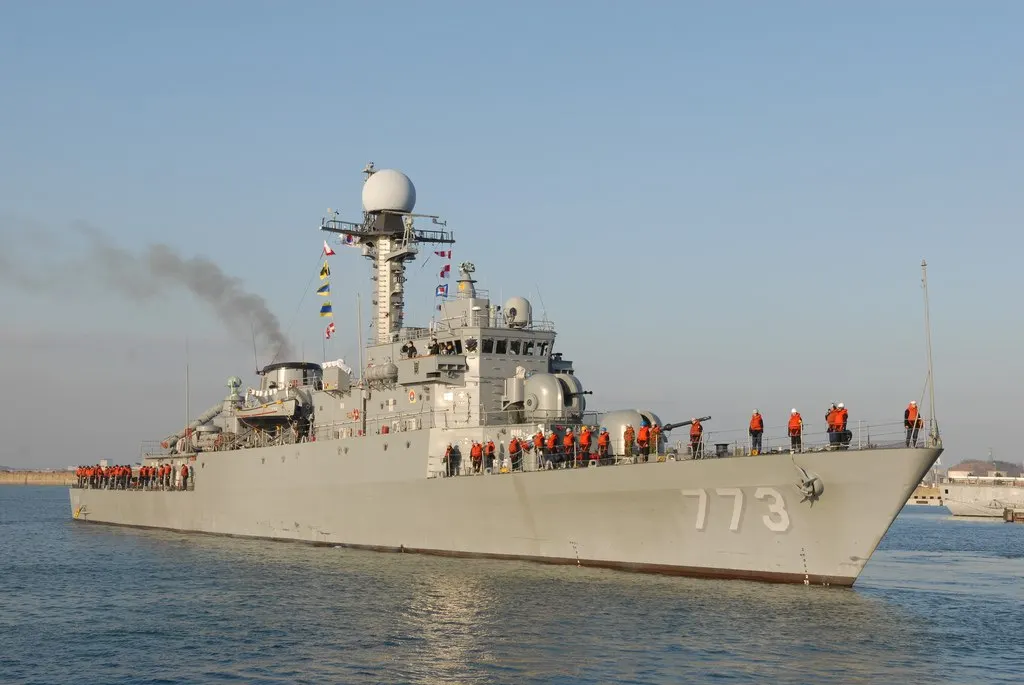
The Pohang-class patrol corvette is a light patrol vessel operated by the Republic of Korea Navy. Designed as a small combatant for coastal defense, anti-surface warfare and anti-submarine operations, the class has served in South Korea’s coastal waters since the 1980s. After modernization, some vessels were exported to countries in Southeast Asia and South America.
- Key features
- Optimized for coastal operations: Small in size but capable of high-speed maneuvering and substantial firepower
- Versatile mission profile: Capable of anti-surface warfare, anti-submarine operations, maritime surveillance and patrol duties
- High-speed performance: Maximum speed of 32 knots, or approximately 59 km/h
- Successful export record: Decommissioned vessels have been sold to the Philippines, Vietnam, Colombia and other countries
Development Background
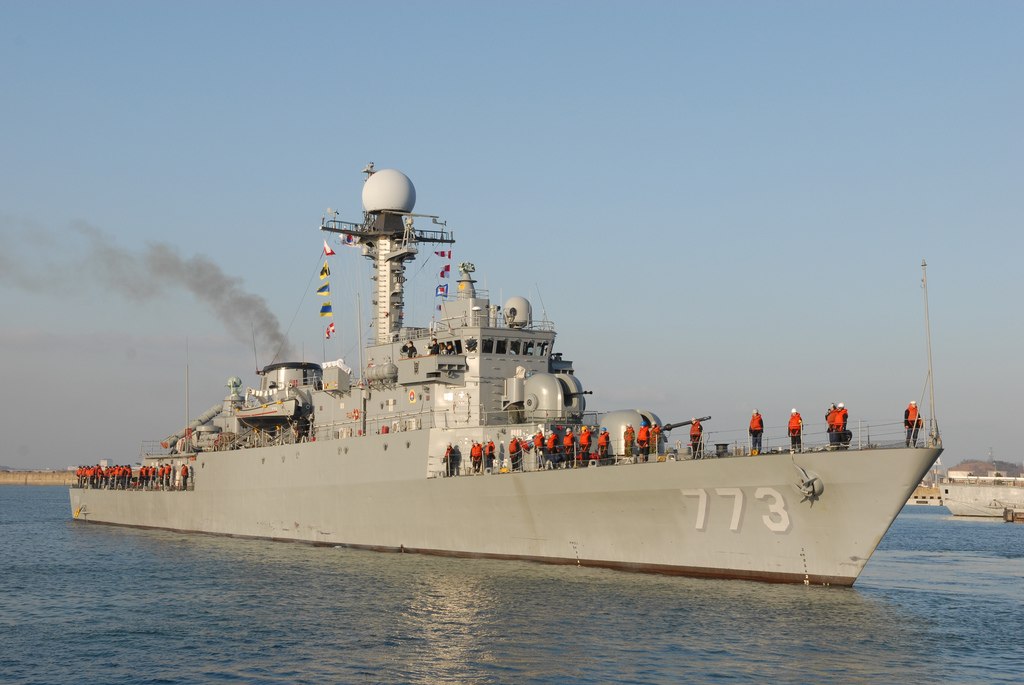
In the early 1980s, the Republic of Korea Navy recognized the need to replace its aging U.S.-built vessels and develop an indigenous patrol corvette. This led to the development of the first domestically built patrol corvette for the Republic of Korea Navy, with the lead ship, Pohang, launched in 1984.
- Development timeline
- 1984: Lead ship Pohang launched
- 1993: The 24th ship, Gunsan, launched; 24 vessels built in total
- 2000s: Modernization upgrades carried out on some vessels
- From the 2010s onward: Decommissioned vessels exported to the Philippines, Vietnam, Colombia and other countries
Strengths and Weaknesses
🔹 Strengths
✔ Optimized for coastal operations: High-speed maneuverability and a design tailored to defending Korean waters ✔ Cost-effective to operate: Relatively low maintenance costs ✔ Versatile mission capabilities: Suitable for anti-surface warfare, anti-submarine operations, maritime surveillance and other roles ✔ Successful export record: Modernized after decommissioning and sold to countries in Southeast Asia and South America
🔻 Weaknesses
❌ Limited air-defense capability: Its anti-aircraft defense systems are limited ❌ Aging after decades of service: Lacks combat systems suited to modern warfare ❌ Unable to defend against ballistic missiles: Further upgrades would be needed to strengthen overall naval capabilities
Image source: Republic of Korea Armed Forces, CC BY-SA 2.0 / Wikimedia Commons
Comparison with Patrol Vessels of Neighboring Countries (China, Japan and North Korea)
| Category | Pohang class (South Korea) | Type 056 corvette (China) | Abukuma-class escort ship (Japan) | North Korean patrol craft (estimated) |
|---|---|---|---|---|
| Displacement | 1,200 tons | 1,500 tons | 2,000 tons | 500–1,000 tons (estimated) |
| Dimensions (beam × length × height) | 10m × 88m × 5m | 11m × 90m × 5.2m | 11m × 109m × 5.5m | 8m × 70m × 4m (estimated) |
| Top speed | 59 km/h | 56 km/h | 54 km/h | 45 km/h (estimated) |
| Main gun | 76mm naval gun | 76mm naval gun | 76mm naval gun | 57mm naval gun (estimated) |
| Anti-ship missiles | Harpoon missiles | YJ-83 | SSM-1B | Limited capability (estimated) |
| Anti-submarine capability | Torpedoes and depth charges | Torpedoes and anti-submarine rockets | Torpedoes and anti-submarine rockets | Limited capability (estimated) |
| Areas of advantage | Optimized for coastal defense and highly maneuverable | Equipped with modern electronic-warfare systems | Strong anti-submarine capability | Can be deployed in large numbers |
Comparison with Patrol Vessels of Major Powers (the United States, the United Kingdom, Russia and France)
| Category | Little Rock class (United States) | River class (United Kingdom) | Buyan-class patrol vessel (Russia) | La Fayette class (France) |
|---|---|---|---|---|
| Displacement | 3,500 tons | 2,000 tons | 1,900 tons | 3,800 tons |
| Dimensions (beam × length × height) | 12m × 115m × 6m | 11m × 90m × 5.5m | 10.5m × 94m × 5.5m | 16m × 133m × 8m |
| Top speed | 85 km/h | 55 km/h | 57 km/h | 52 km/h |
| Main gun | 76mm naval gun | 30mm autocannon | 76mm naval gun | 100mm naval gun |
| Anti-ship missiles | RGM-84 Harpoon | None | P-800 Oniks | MM40 Exocet |
| Anti-submarine capability | Anti-submarine rockets and torpedoes | None | Torpedoes and anti-submarine rockets | MU90 torpedoes |
| Areas of advantage | Incorporates modern stealth technology | Optimized for coastal patrol duties | Powerful anti-ship missiles | Optimized for air defense and European naval operations |
Future Development
- Replacement with new patrol vessels: New coastal-defense vessels need to be developed
- Expanded overseas exports: Further exports could be pursued by upgrading decommissioned vessels
- Enhanced electronic warfare and air-defense capabilities: Research into upgrading radars and combat systems
- Improved operational efficiency: Reduce maintenance costs and continue fleet modernization