Overview
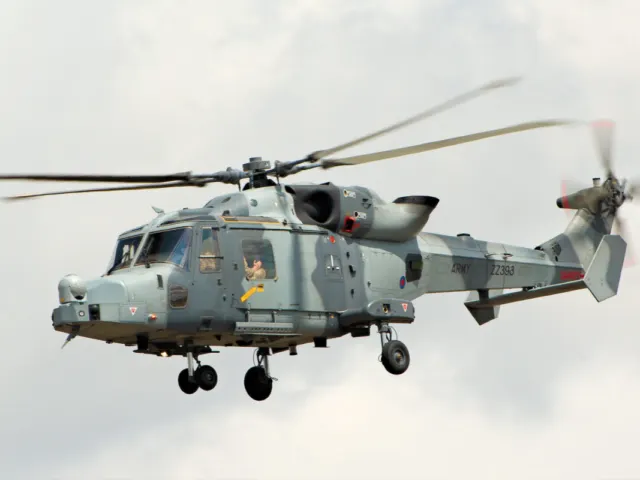
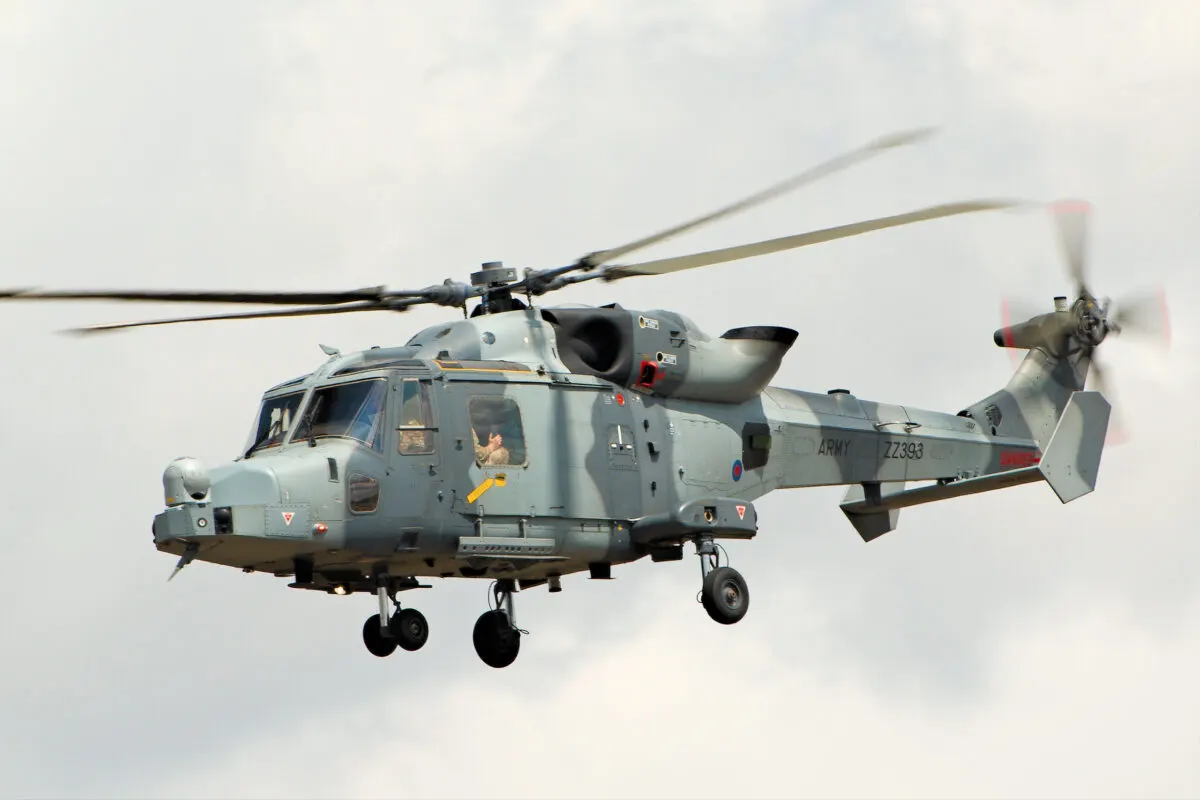
The AW159 Wildcat is a modern naval helicopter operated by the Republic of Korea Navy. A multirole platform designed for anti-submarine and anti-surface warfare, it combines advanced detection and strike capabilities to support the Navy’s anti-submarine operations and fleet-defense missions.
- Key features
- Powerful anti-submarine warfare capabilities: Equipped with modern sonar systems and anti-submarine torpedoes
- Anti-surface strike capability: Able to engage maritime targets
- Advanced sensors and networked systems: Capable of operating in coordination with warships and maritime patrol aircraft
- A compact helicopter with considerable combat power: Improved performance compared with the older Super Lynx
Development Background
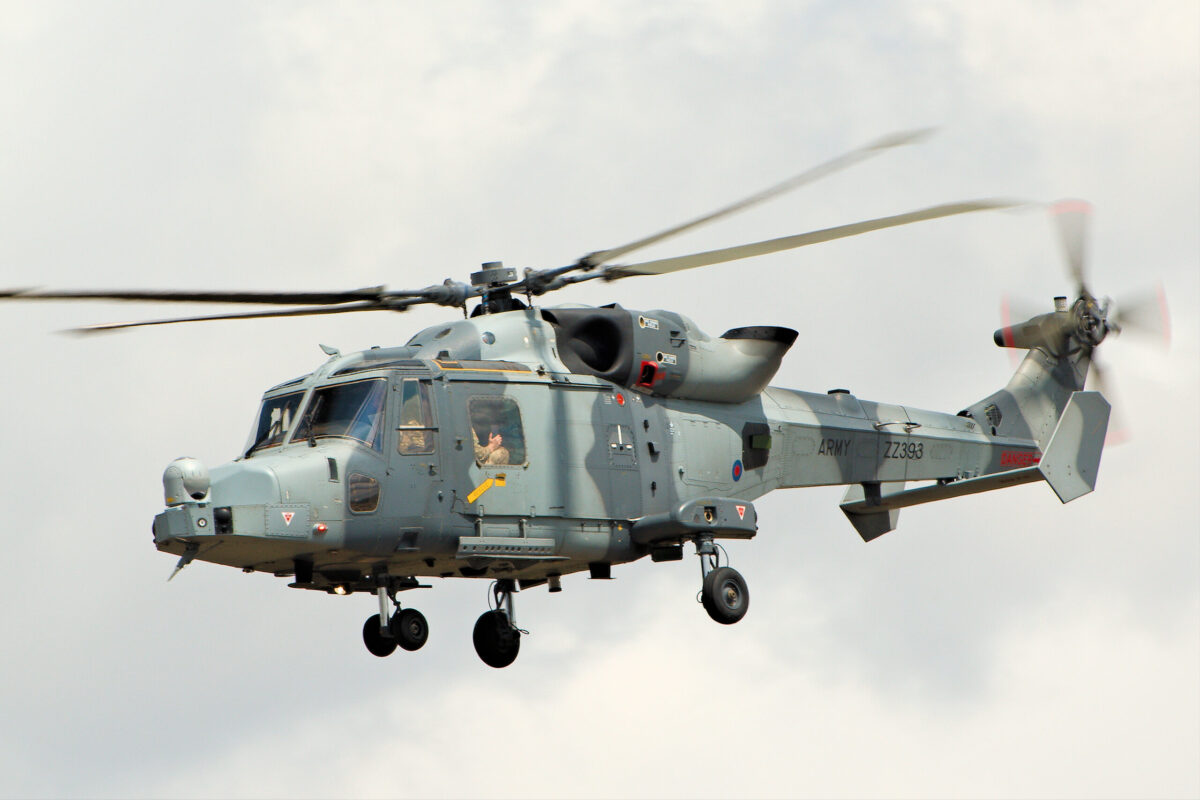
As its existing Super Lynx naval helicopters began to age, the Republic of Korea Navy determined that it needed to introduce a next-generation maritime operations helicopter incorporating modern technology. The Navy selected the AW159 Wildcat and began deploying it operationally in 2020.
- Development timeline
- Mid-2010s: The next-generation naval helicopter program got underway
- 2016: Selection of the AW159 was finalized
- 2020: Entered operational service with the Republic of Korea Navy
- Today: Conducting anti-submarine warfare and anti-surface strike missions
Strengths and Weaknesses
🔹 Strengths
✔ Advanced anti-submarine warfare capability: Can be equipped with dipping sonar and anti-submarine torpedoes ✔ Support for anti-surface operations: Capable of engaging maritime targets ✔ Advanced sensor and navigation systems: Precise search and tracking capabilities ✔ Can operate from smaller warships: Suitable for deployment on frigates and destroyers
🔻 Weaknesses
❌ Limited operating radius: Shorter range and operating radius than medium-sized helicopters ❌ Limited payload capacity: Carries less weaponry than larger attack helicopters ❌ High maintenance costs: Maintaining its advanced electronic systems is expensive
Comparison with Naval Helicopters in Neighboring Countries (China, Japan and North Korea)
| Category | AW159 (South Korea) | Z-9 (China) | SH-60K (Japan) | North Korean Mi-14 (estimated) |
|---|---|---|---|---|
| Displacement | 6.3 tonnes | 4.1 tonnes | 10.5 tonnes | 12 tonnes (estimated) |
| Maximum speed | 311 km/h | 305 km/h | 330 km/h | 230 km/h (estimated) |
| Operating radius | 778 km | 600 km | 1,000 km | 500 km (estimated) |
| Anti-submarine capability | Dipping sonar, torpedoes | Sonar, torpedoes | Dipping sonar, torpedoes | Limited (estimated) |
| Anti-surface strike capability | Yes (anti-ship missiles) | Limited | Yes (anti-ship missiles) | Limited (estimated) |
| Key advantage | Modern anti-submarine sensors and weapons | Compact size and maneuverability | Long-range operational capability | Limited combat capability remains available |
Comparison with Naval Helicopters Operated by Advanced Military Powers (United States, United Kingdom, Russia and France)
| Category | MH-60R Seahawk (United States) | Merlin Spring (United Kingdom) | Ka-27 (Russia) | NH90 NFH (France) |
|---|---|---|---|---|
| Displacement | 10.2 tonnes | 5.8 tonnes | 11 tonnes | 11 tonnes |
| Maximum speed | 333 km/h | 306 km/h | 270 km/h | 300 km/h |
| Operating radius | 830 km | 750 km | 980 km | 900 km |
| Anti-submarine capability | Dipping sonar, anti-submarine torpedoes | Dipping sonar, torpedoes | Sonar, torpedoes | Dipping sonar, torpedoes |
| Anti-surface strike capability | Yes (Hellfire missiles) | Limited | Yes (anti-ship missiles) | Yes (anti-ship missiles) |
| Key advantage | Strong operating radius | Versatile multirole capability | Long-range operational capability | Optimized for naval operations |
Future Development
- Continued improvements in anti-submarine warfare: Upgrades to dipping sonar and other sensors
- Expanded use of anti-ship missiles: Exploring the possibility of integrating Haeseong missiles
- Integration with unmanned naval helicopters: Reviewing options for operating alongside drones and other unmanned systems
- Exploring export opportunities: Assessing potential sales to countries in Southeast Asia and Europe