From the Thousand-Year Capital to the Temple of Flowers: How to Reach Hasedera from Kyoto
When planning a Kansai region trip, most travelers think of Nara as synonymous with two main attractions: Nara Park, where deer roam freely, and Todai-ji Temple. But for those seeking to experience Japan’s timeless charm and the profound depth of Buddhist art, there’s a lesser-known gem worth discovering south of Nara city itself.
Nestled in the quiet lanes of Sakurai, Hasedera (長谷寺) is a sacred sanctuary known for its stunning seasonal blooms—peonies, hydrangeas, autumn leaves, and snow-laden branches painting the landscape throughout the year. More remarkable still is its signature feature: 399 distinctive wooden-roofed stone steps (known as Naborirō) that wind their way up the mountainside. This architectural marvel alone makes the journey unforgettable.
The train ride from Kyoto Station to this mystical mountain sanctuary is not just a practical journey—it’s an adventure in itself.
1. Trip Overview: What to Expect
Hasedera sits approximately 65 to 70 kilometers (40 to 44 miles) from Kyoto by rail. There’s no direct train, so you’ll need to make one or two transfers. Total travel time, including wait times between trains, typically ranges from 1 hour 20 minutes to 1 hour 50 minutes.
The best option is to use Kintetsu Railway (Kintetsu Electric Railway), the dominant private rail operator in the Kansai region. If you hold a JR Pass, there’s an alternative JR-based route, but the Kintetsu line offers superior convenience and comfort.
2. From Kyoto Station to Hasedera: Two Route Options
🚂 Route A: Kintetsu Railway Express (Recommended for Speed and Comfort)
- Total Travel Time: Approximately 1 hour 20 minutes to 1 hour 40 minutes
- Fares: Around ¥1,140 for regular express service; approximately ¥2,060 for Limited Express
- Route Summary: Kyoto Station → Yamato-Yagi Station (transfer) → Hasedera Station
 [Kyoto Station (Kintetsu Line)]
       ↓ (Kintetsu Kyoto Line Express or Regular Express / 50-60 minutes)
 [Yamato-Yagi Station (大和八木)] *Transfer Point*
       ↓ (Transfer to Kintetsu Osaka Line Semi-Express or Local Train / 15-20 minutes)
 [Hasedera Station (長谷寺)] Arrival
- Departing Kyoto: Head to Kintetsu Kyoto Station and board a train bound for Kashihara-Jingū-mae. If you prefer reserved seating and extra comfort, book the Limited Express service. For budget-conscious travelers, the regular Express train works perfectly fine.
- Transfer at Yamato-Yagi: After roughly 50 minutes, you’ll arrive at Yamato-Yagi Station (大和八木), a major transfer hub in Nara Prefecture. Switch to the Kintetsu Osaka Line, boarding a local or semi-express train heading toward Haibara or Nabari. Check the platform signs for clarity.
- Arrival at Hasedera: The train will pass through Sakurai Station and arrive at Hasedera Station (長谷寺) approximately 15 to 20 minutes later.
- Pro Tip 💡: If you’re planning to visit other Nara attractions (such as Nara Park or Kashihara) on the same day, purchasing a Kintetsu Rail Pass (1-day or 2-day pass) before your trip can yield substantial savings. Many passes are available for purchase overseas before arrival.
🚄 Route B: JR Pass Holders—A Hybrid JR + Kintetsu Route
- Total Travel Time: Approximately 1 hour 40 minutes to 2 hours
- Fares: Kyoto to Sakurai covered by JR Pass (free); Sakurai to Hasedera requires separate Kintetsu fare of ¥240 (pay on-site)
- Route Summary: Kyoto Station (JR) → Nara Station (transfer) → Sakurai Station (transfer) → Hasedera Station
 [Kyoto Station (JR Line)]
       ↓ (JR Nara Line 'Miyakoji Rapid' / approx. 45 minutes)
 [JR Nara Station] *First Transfer*
       ↓ (JR Manyo Mahoroba Line / approx. 30 minutes)
 [JR Sakurai Station] *Second Transfer*
       ↓ (Switch to Kintetsu Osaka Line ticket office / approx. 10 minutes)
 [Hasedera Station (長谷寺)] Arrival
- Kyoto to Nara: From JR Kyoto Station, board the JR Nara Line ‘Miyakoji Rapid’ train heading to JR Nara Station (approximately 45 minutes). Avoid slower local trains, which take considerably longer.
- Nara to Sakurai: At JR Nara Station, transfer to the charming JR Manyo Mahoroba Line—a scenic route that captures the essence of ancient Japan—and travel to Sakurai Station (approximately 30 minutes).
- Final Leg: At JR Sakurai Station, walk to the adjacent Kintetsu ticket counter (the stations are neighboring). Purchase a one-way Kintetsu Osaka Line ticket to Hasedera (¥240) or tap your IC card, then ride just one more stop (approximately 10 minutes) to reach Hasedera Station.
3. From Hasedera Station to the Temple Entrance: A Scenic 1.3 km Walk
Hasedera Station feels like a quiet, charming rural outpost. The moment you step outside, fresh mountain air and the scent of countryside living greet you—a far cry from the bustle of Kyoto.
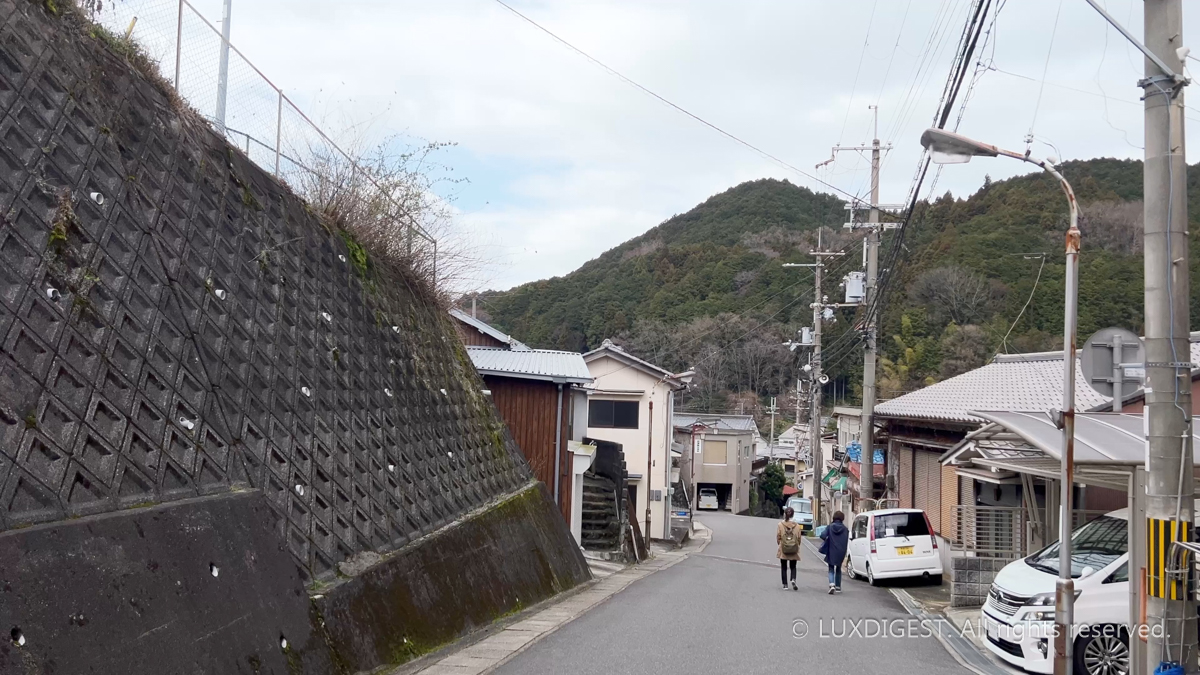
- Distance: Approximately 1.3 kilometers (0.8 miles)
- Walking Time: 20 to 30 minutes at a moderate pace
- Navigation & Scenery: Clear signage makes it virtually impossible to get lost. However, the station sits on higher ground, so your initial descent involves some steep sections and stone steps down into the village below. Remember: on the return trip, these become an uphill climb, so pace yourself accordingly.
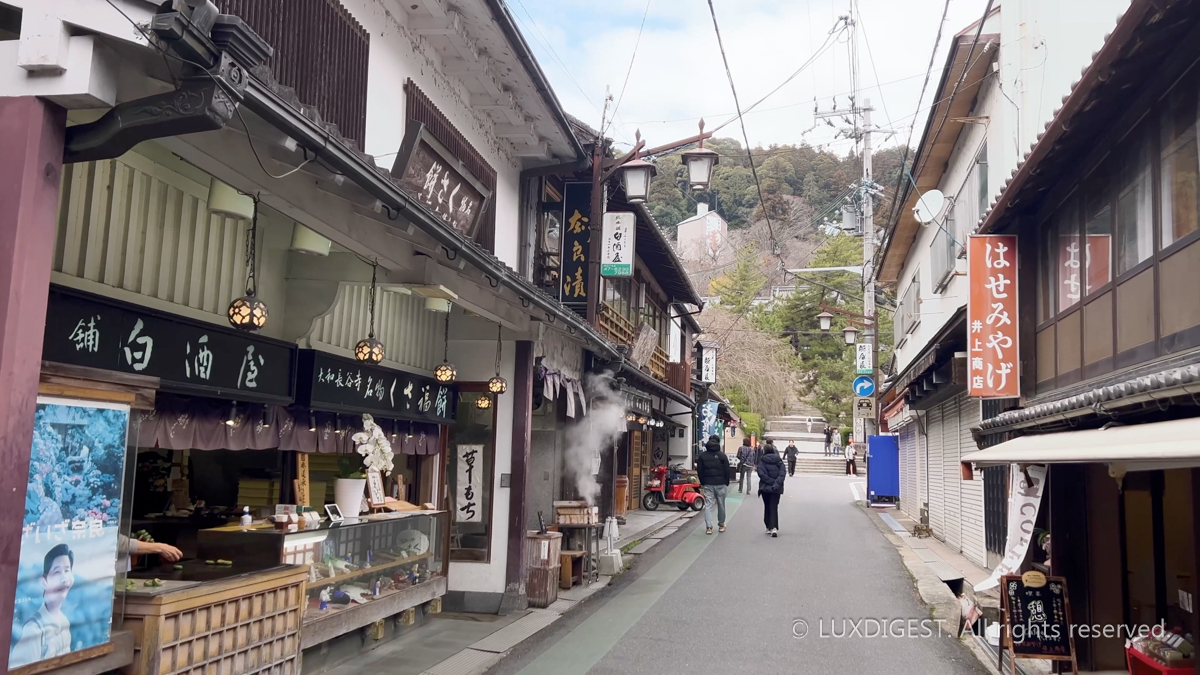
- Once you cross the charming footbridge spanning the Hase River, you’ll enter a sandō (approach path) lined with traditional wooden structures that transport you back in time—as if you’ve stepped into the Edo or Meiji periods.
- This lane is a highlight in itself. The aroma of freshly grilled kusamochi (mugwort mochi)—a local Nara specialty—drifts from vendors’ braziers. Small traditional soba shops and stores selling tsukemono (Japanese pickles) line both sides of the narrow street.
- As you wander with a warm piece of freshly baked mochi in hand, the imposing vermillion Niōmon Gate—the temple’s grand entrance—will suddenly loom into view, marking your arrival at the sacred grounds.
4. Hasedera’s Interior: A Recommended Route Through 399 Steps and Sacred Statuary
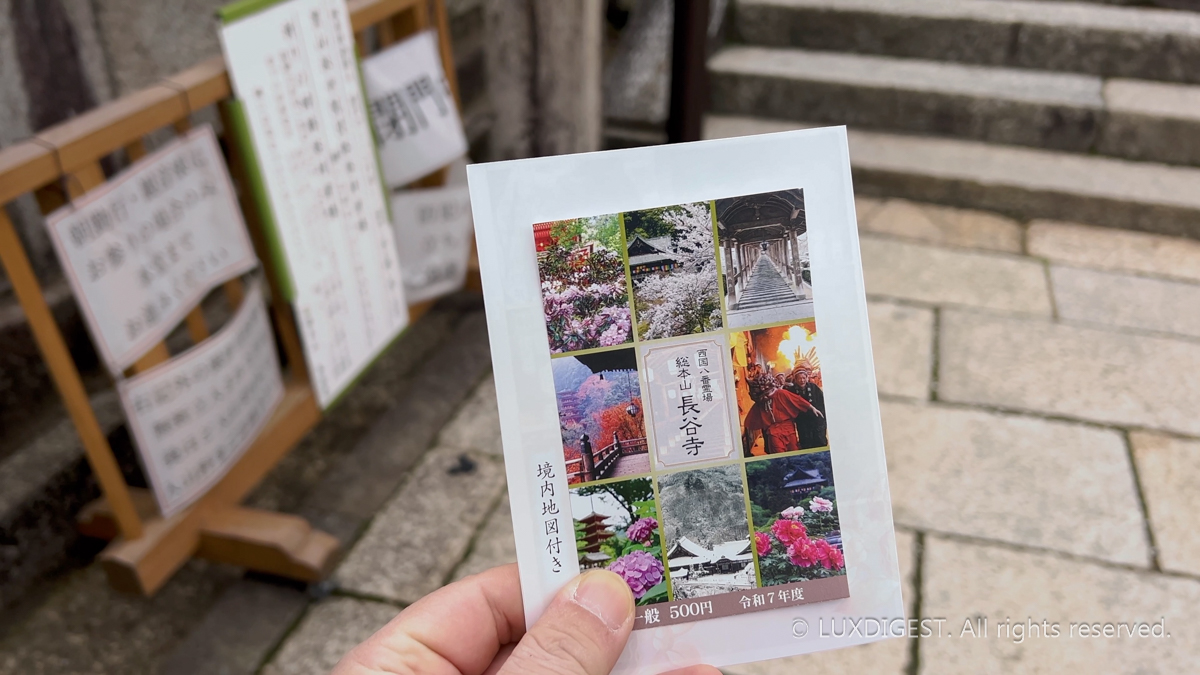
After paying the ¥500 adult admission fee at the entrance booth, you’ll begin ascending the temple’s impressive vertical pathway. Hasedera clings to steep mountain terrain, so stairs become your constant companion.
[Niōmon Gate (Main Entrance)]
       ↓
[Naborirō (登廊)] - 399 roofed stone steps (the sanctuary's signature feature)
       ↓
[Main Hall (National Treasure)] - 11-faced Kannon statue viewing + elevated stage lookout
       ↓
[Five-Story Pagoda (Gojū no Tō)] - Post-WWII wooden pagoda
       ↓
[Descent Path & Gardens] - Seasonal flowers and ponds on your way down
⛩️ Highlight 1: The Spiritual Ascent—399 Roofed Steps of the Naborirō
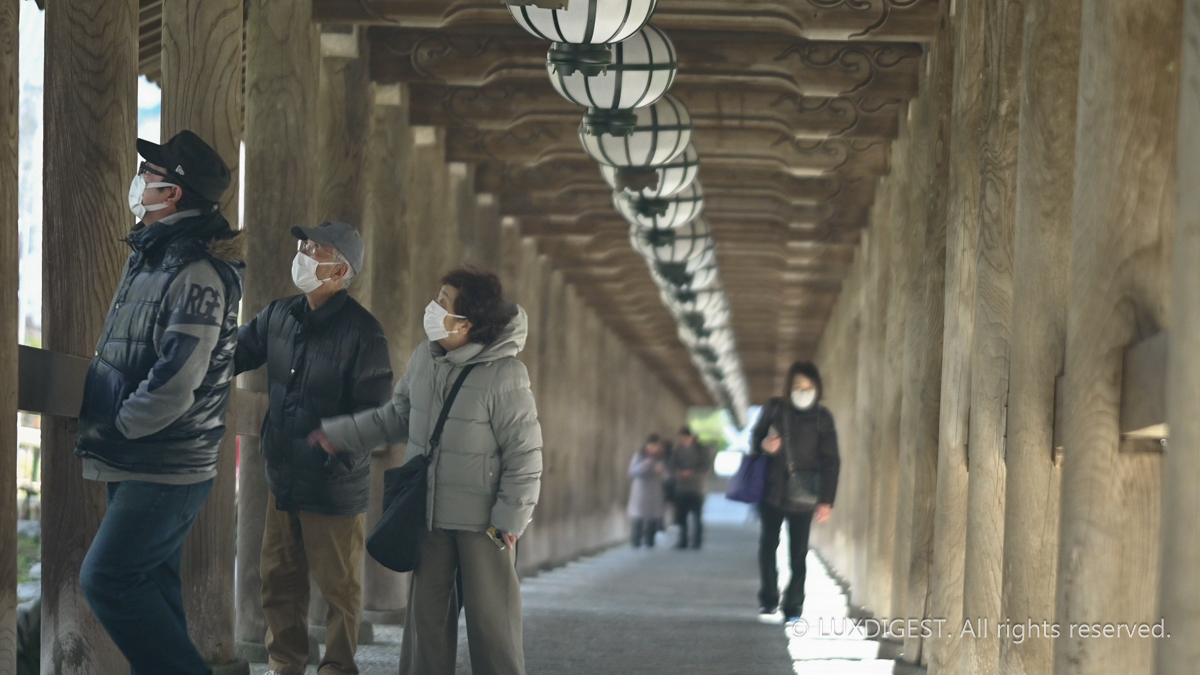
Just beyond the Niōmon Gate stretches the temple’s most iconic feature: the Naborirō (登廊), a graceful covered corridor with ancient tile roofing overhead and open columns on both sides. The gentle gradient of the stone steps and the play of seasonal light through the timber frame make this one of Japan’s most photogenic sacred passages.
- The staircase is divided into three sections and contains exactly 399 steps.
- Why It Captivates 🌸: The gradient is remarkably gentle, making the climb accessible even for those with modest fitness levels. Come late April through early May, and thousands of blooming peonies flank both sides of this corridor, creating an almost otherworldly carpet of color. In June, hydrangeas take center stage; in autumn, fiery maples frame the tiled roof above. Every few steps invite another photograph.
- Take your time. Breathe in the mingled scents of wood and moss. Let the natural rhythms of the seasons wash over you as you ascend in silence.
🏯 Highlight 2: The Main Hall—Japan’s Largest Wooden Kannon Statue
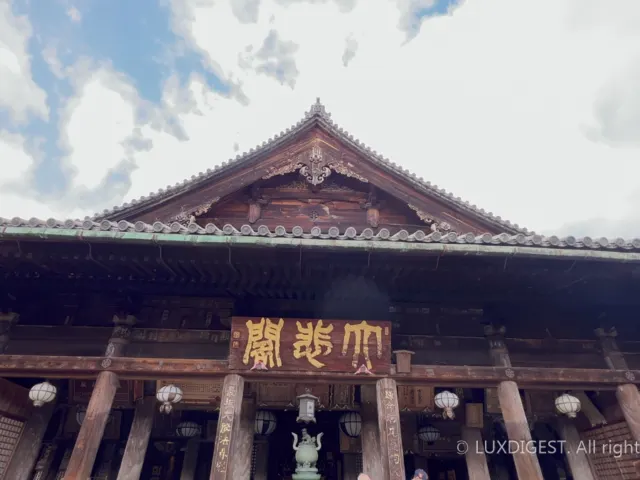
At the summit, after conquering all 399 steps, you’ll arrive at the Main Hall (a National Treasure) perched majestically at the mountain’s crown.
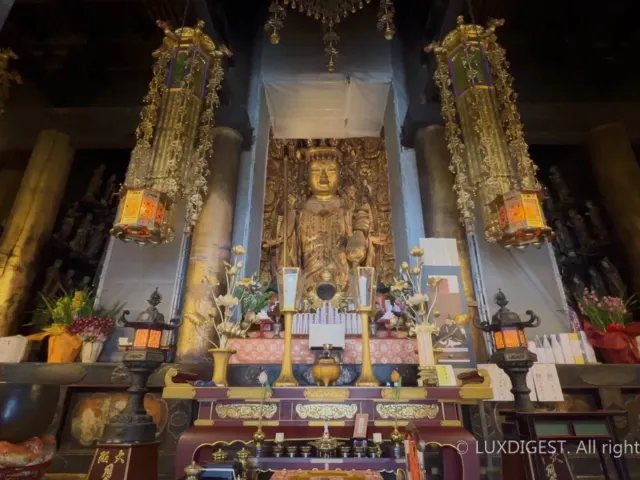
- An Unmissable Encounter 🌟: Step into the dimly lit hall, and you’ll find yourself face to face with an extraordinary 11-faced Kannon (Avalokiteśvara) statue. This wooden sculpture stands approximately 10.18 meters tall (roughly 40 feet)—Japan’s largest wooden Buddhist statue. Caught in soft golden light against the darkness of the inner sanctum, the Kannon’s serene yet commanding presence often moves visitors to tears, regardless of their religious background. During special viewing seasons (spring and autumn), you may have the rare privilege of touching the statue’s feet while offering a personal prayer—an unforgettable moment.
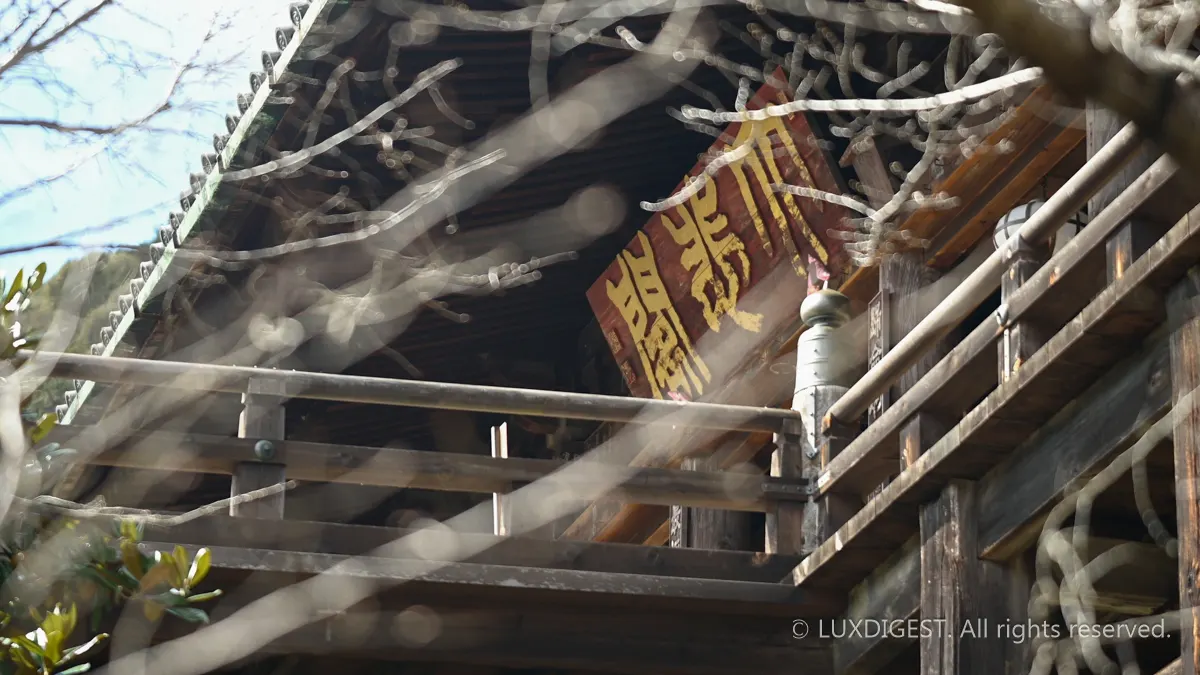
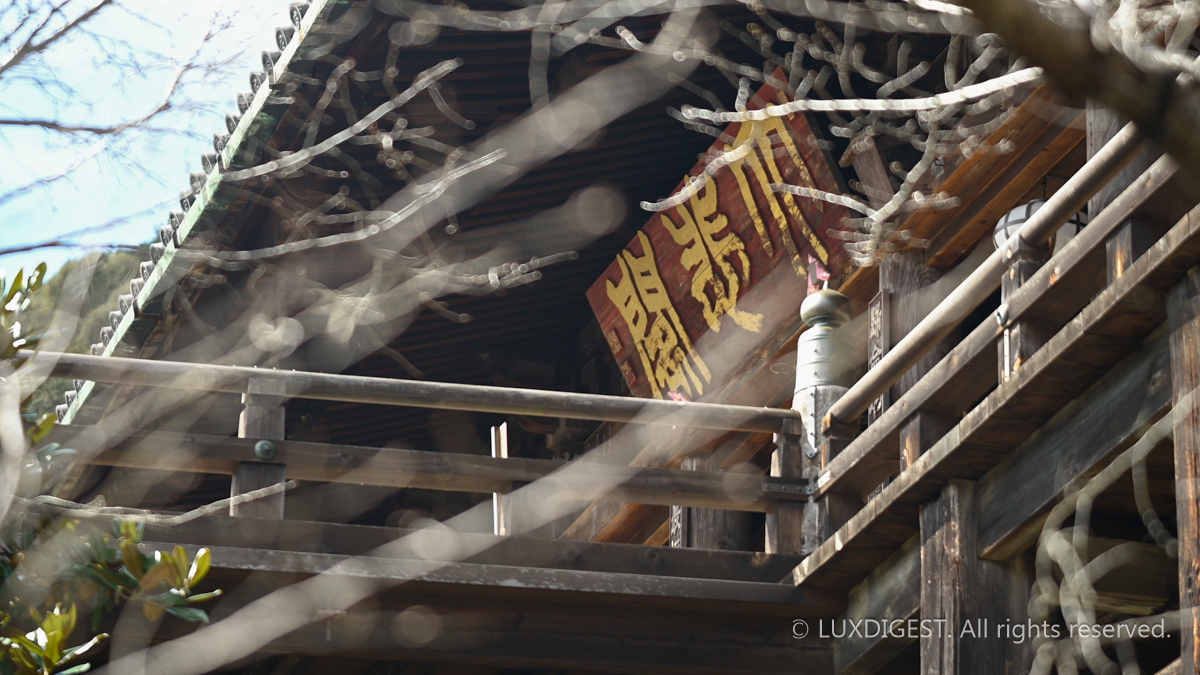
- The Elevated Viewing Platform: In front of the main hall, a wooden platform juts out over the mountainside, mirroring the famous design of Kyoto’s Kiyomizu-dera. From the platform’s edge, you’ll gaze down at a panoramic vista: the Hasegawa village nestled below, surrounding peaks beyond. Spring transforms this view into a canvas of cherry blossoms; autumn paints it in blazing reds and golds. This vista alone justifies the entire journey. Note: The platform does slope slightly, which may cause minor vertigo for some.
🌲 Highlight 3: The Five-Story Pagoda in the Forest
Exiting the main hall and following the left-hand trail deeper into the temple grounds, you’ll emerge into a cathedral-like grove of ancient Japanese cedar. Suddenly, the vibrant vermillion of the Five-Story Pagoda pierces the green canopy—a stunning contrast. This pagoda holds special significance as Japan’s first post-World War II five-story pagoda, its clean lines and fresh presence creating a powerful aesthetic dialogue with the weathered timber and stone around it. Walk the quiet forest paths surrounding it to fully absorb the spiritual energy of this sacred site.
Note: During our visit, this structure was undergoing renovation and was cordoned off from view.
5. Essential Visitor Tips for Hasedera
- Total Time Required: Round-trip travel from Kyoto alone consumes 3 to 4 hours. Add another 2 to 3 hours for leisurely exploration of both the temple interior and the charming approach village. Plan for a full half-day commitment. We strongly recommend departing Kyoto early in the morning.
- Footwear & Attire 👟: The walk from the station has inclines; the temple itself comprises 399 stone steps plus mountain trails. Uncomfortable shoes will turn joy into suffering. Wear well-cushioned, supportive athletic shoes.
- Opening Hours by Season:
- April – September: 8:30 AM – 5:00 PM
- October, November, March: 9:00 AM – 5:00 PM
- December – February: 9:00 AM – 4:30 PM
Note: Admission closes 30 minutes before closing time, so plan accordingly.
- Dining Recommendations 🥢: The approach lane (sandō) leading to the temple entrance is dotted with centuries-old restaurants and traditional soba shops. Consider sampling kakino-ha zushi (persimmon-leaf sushi), a Nara specialty, or warming yourself with nyumen, a noodle soup perfect for a temple visit.
6. Closing Thoughts: The Gift of Timeless Serenity
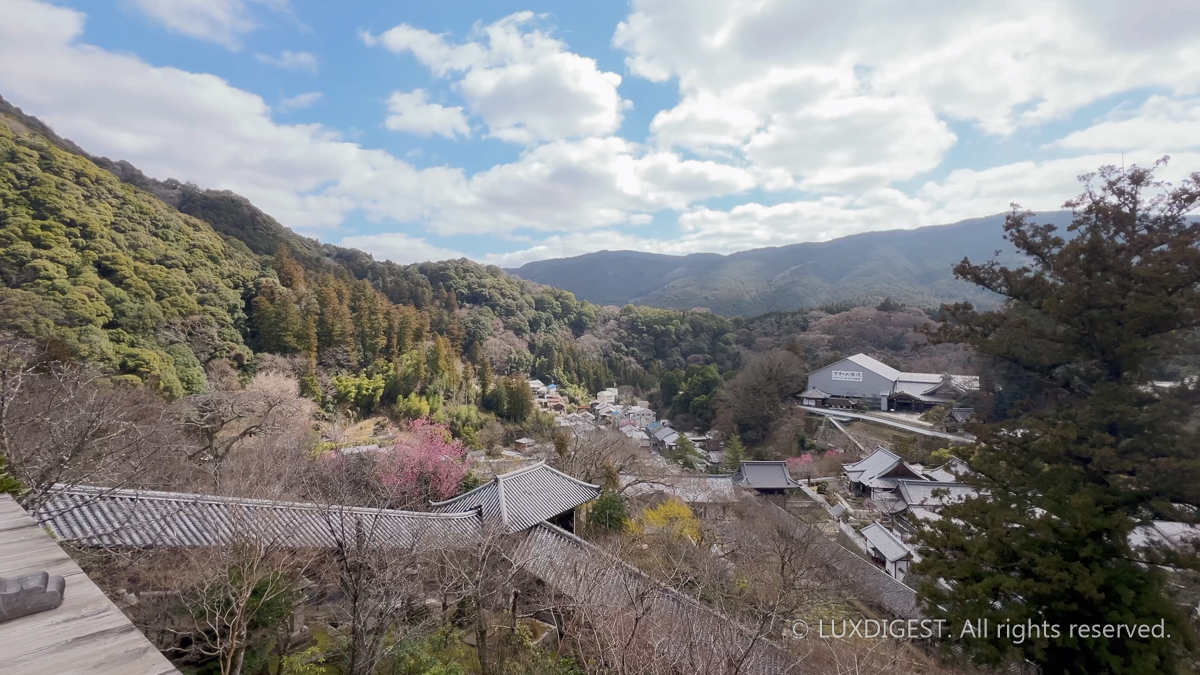
While Hasedera’s sister temple near Tokyo embraces the vibrant energy of the sea and popular tourism, this principal Hasedera in Nara feels like a secret sanctuary cradled deep in the mountains—a timeless refuge where moments seem suspended in amber.
The transfers and train changes required to reach this remote location may feel like minor obstacles, but once you’ve walked the quiet village lanes, climbed the 399 luminous steps, and stood before the vast presence of the ancient Kannon, you’ll understand why the effort was worthwhile. “I’m so glad I came here” will be your heartfelt refrain.
If crowded urban temples have left you feeling drained, let the profound tranquility of Nara’s deep mountain sanctuary restore your spirit. Wishing you safe travels and a journey filled with wonder.
Related Video
Hidden Photo Spots at Todai-ji Temple: Capture Your Best Travel Shots
https://nonilda.luxdigest.com/governors-review-of-the-visit-to-cho-myung-jeon-hall-in-japan/
https://nonilda.luxdigest.com/kiyomizudera-is-like-a-symbol-of-kyoto/