Where Kyoto’s Best Fun Is Hiding: Exploring Nishiki Market
If you’re wondering where to begin your trip to Kyoto, Nishiki Market is a good place to start.
It offers a little bit of everything: sights to see, food to try and even a shrine tucked into the middle of the market.
Located in central Kyoto, Nishiki Market boasts a history stretching back around 400 years.
It is also known by the nickname “Kyoto’s Kitchen.”
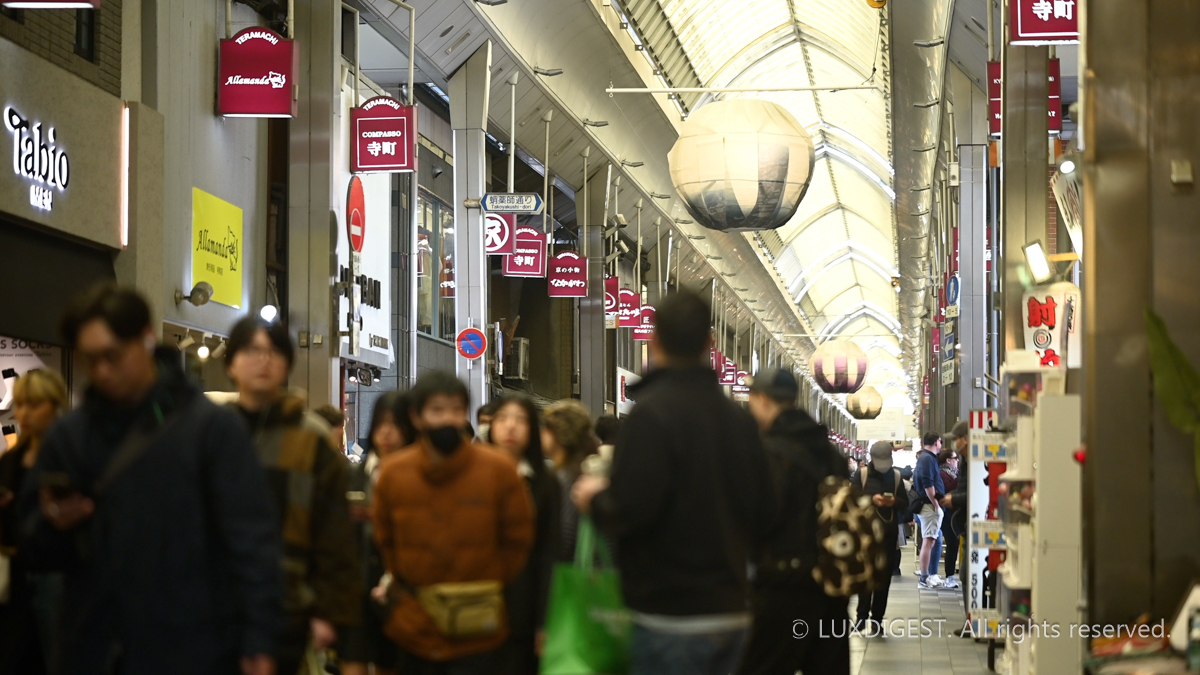
Running approximately 390 metres from east to west, Nishikikoji Street is lined with around 130 shops, most of them selling fresh food. It is widely regarded as the heart of Kyoto’s food culture.
Bustling with local residents, restaurant owners and visitors from Japan and overseas, Nishiki Market offers an abundance of ingredients, including fresh vegetables and fruit, seafood, meat and prepared foods.
Travellers may not be shopping for groceries, of course—that is more likely to be a priority for local residents. But the market also sells cooking utensils and traditional handicrafts, making it a wonderful place to experience Kyoto’s food and culture.
One of Nishiki Market’s defining features is its concentration of specialist shops.
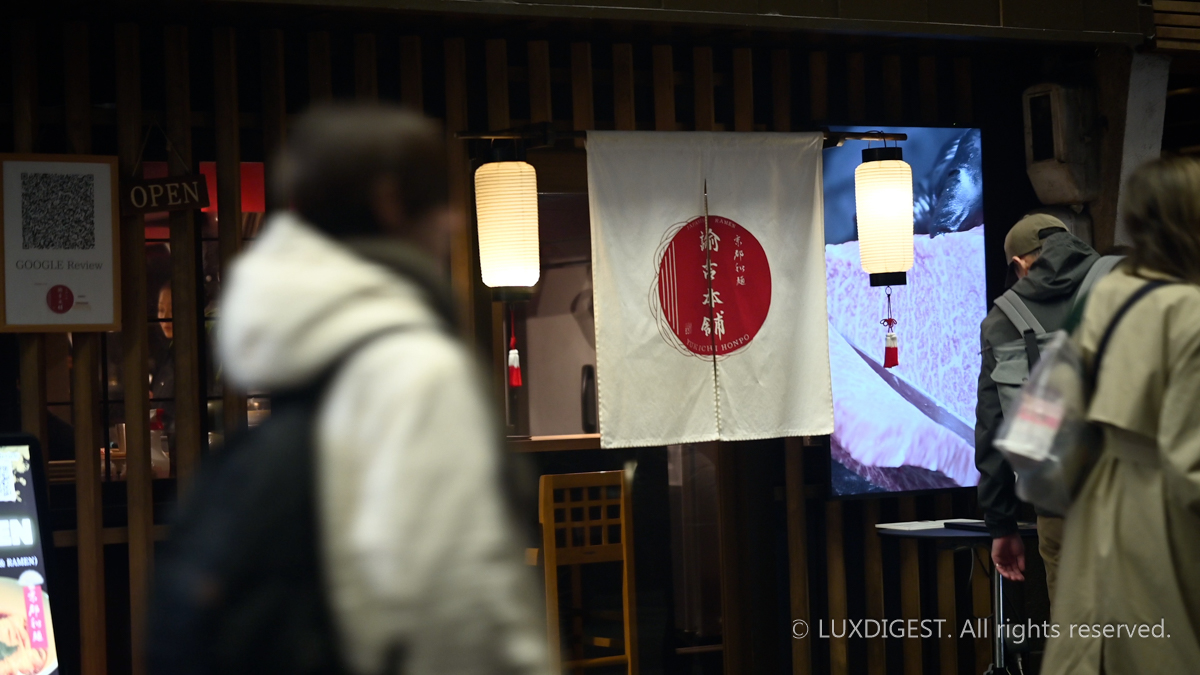
Each shop draws on specialist knowledge and skills passed down through generations, offering products of exceptional quality.
Nishiki Market also plays a central role in supporting Kyoto’s culinary culture. Many traditional restaurants, Japanese eateries and ryokan buy their ingredients here, making the market indispensable to Kyoto cuisine. Local homemakers also visit to pick up fresh ingredients.
In this way, Nishiki Market serves as both the centre of Kyoto’s food culture and an important meeting place for residents and visitors.
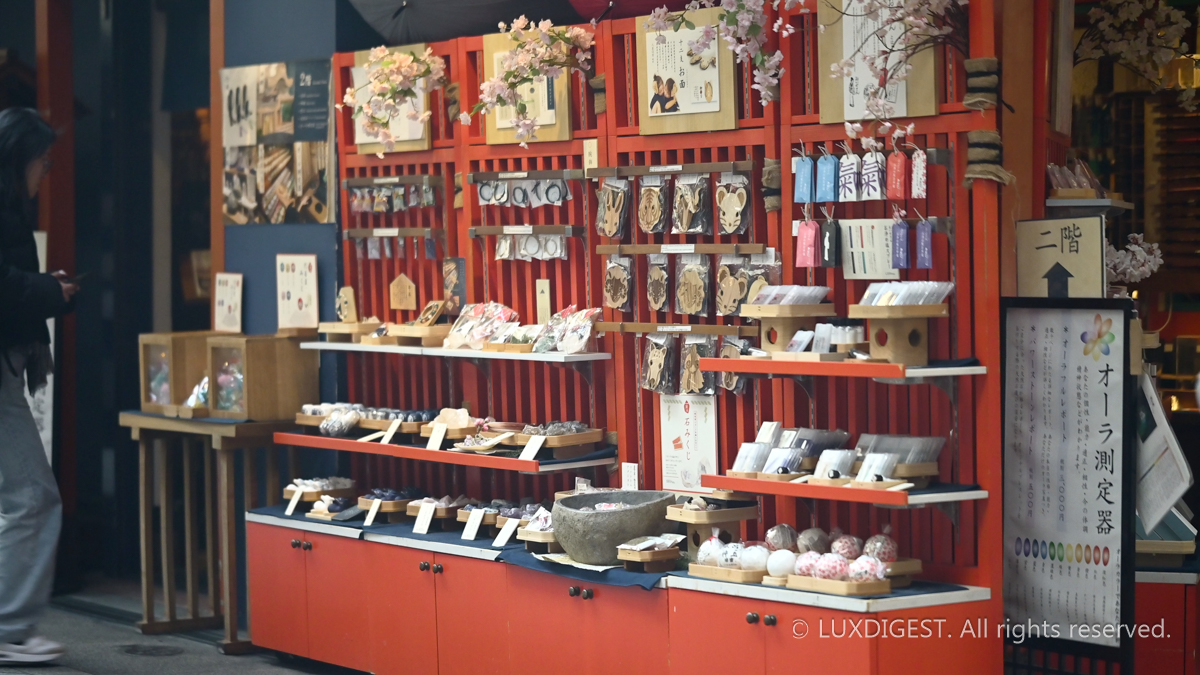
Kyoto’s Kitchen, with 400 Years of History
Today’s Nishiki Market looks very different from the open-air fish market that stood here 400 years ago.
More than 100 small shops now fill the narrow passage, which is about 400 metres long and 3.9 metres wide.
Location and Getting There
Nishiki Market is easy to reach by subway or bus.
The market occupies the historic Nishikikoji Street, which has been a fixture of Kyoto for centuries, running parallel to the road immediately north of Shijo Street.
To arrive by subway, take the Karasuma Line to Shijo Station, then enter the market from the west side of Takakura Street.
Exit at the market’s eastern end and you will find yourself on Teramachi Street, a popular north–south shopping arcade.
Local Foods You Shouldn’t Miss
As Kyoto is a centre of Zen Buddhism, it is hardly surprising that tofu became an important source of protein.
However, yuba—one of the staples of Kyoto cuisine—may be unfamiliar to many visitors. Yuba is the thin film that forms on the surface of heated soy milk.
Some varieties of yuba have a creamy consistency, while others are dried to a pale greyish-white colour.
Both varieties are sold throughout Nishiki Market.
Those with a sweet tooth will find delicious soy-milk doughnuts and ice cream waiting for them.
Other Kyoto specialities include mackerel sushi, dashimaki tamago—a sweet Japanese-style rolled omelette—pickles made with Kyoto-grown vegetables and premium green tea from Uji.
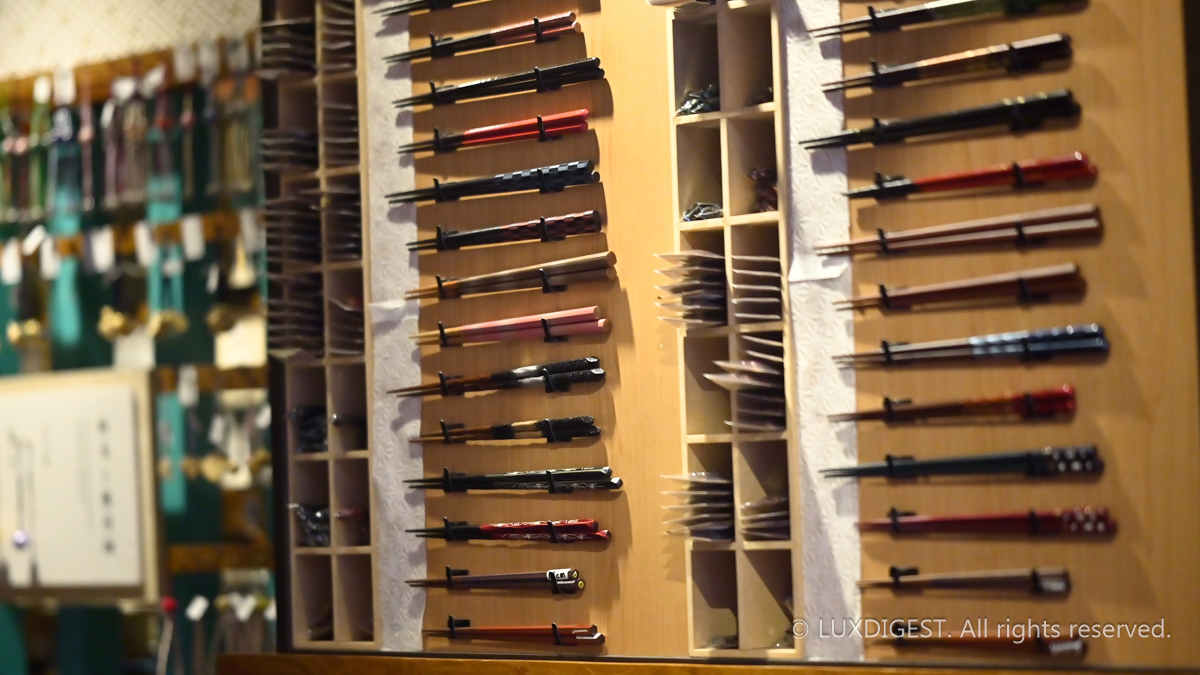
You can also buy top-quality cooking utensils from a Kyoto shop that has been operating for 450 years, or purchase Kyōyaki pottery from Kyoto decorated with elegant floral patterns.
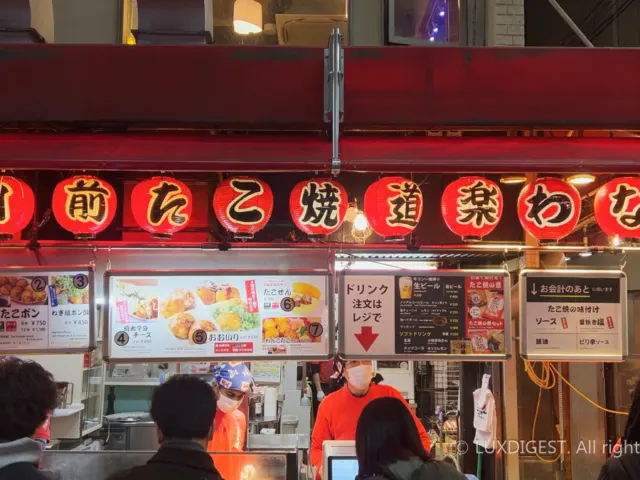
Once you have finished shopping, you can grab a quick bite at one of the market’s many eateries, including specialist noodle shops.
Unlike many other markets, Nishiki Market does not open particularly early. It becomes extremely crowded after 11 a.m., however, so it is best to arrive before then.
How long you spend at Nishiki Market depends on how much you enjoy shopping and eating.
With so many boutiques and shops nearby, some visitors spend several hours in the area.
Those less interested in shopping can get a good sense of Kyoto residents’ food and everyday habits in about an hour.
Just a few metres from the market’s eastern end stands the tranquil Nishiki Tenmangu Shrine, whose entrance is decorated with numerous lanterns.
Visitors can write wishes on slips of paper and offer them to Sugawara no Michizane, the deity enshrined there.
Hands-On Experiences at Nishiki Market
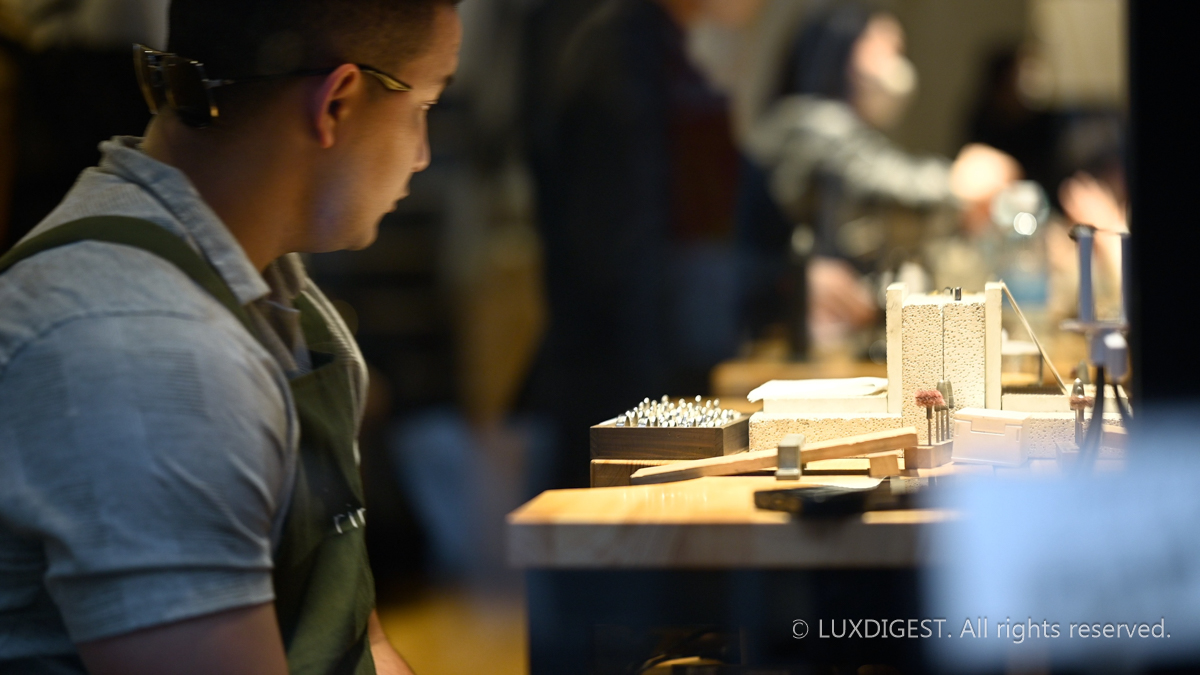
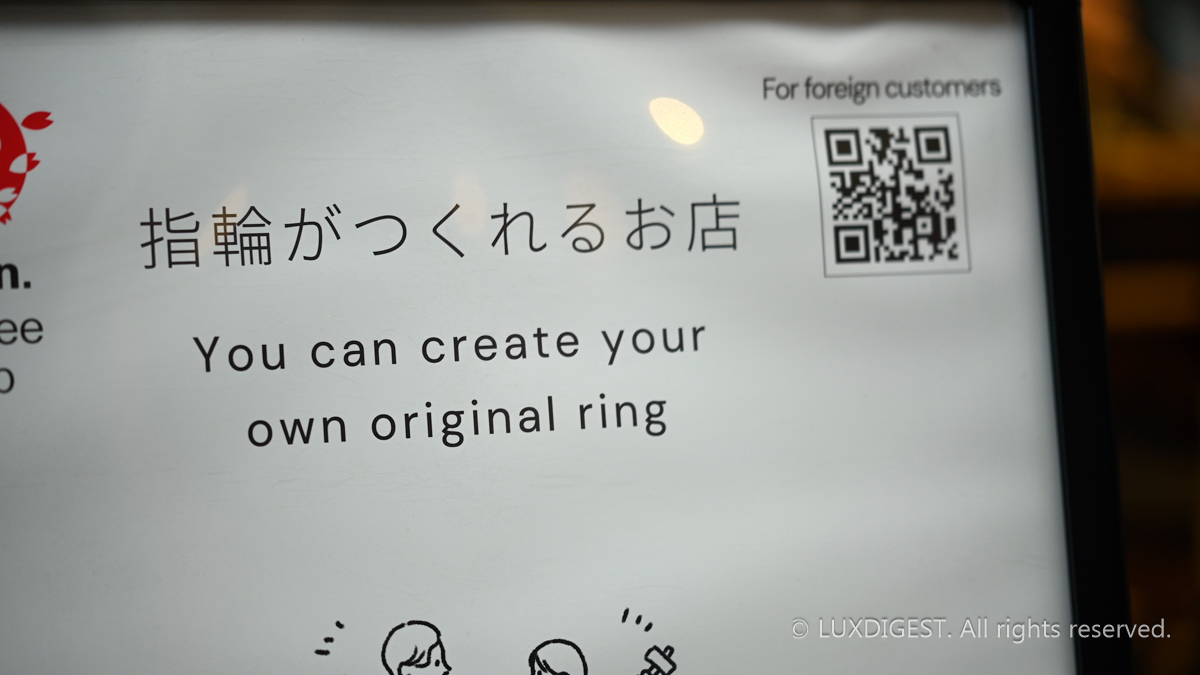
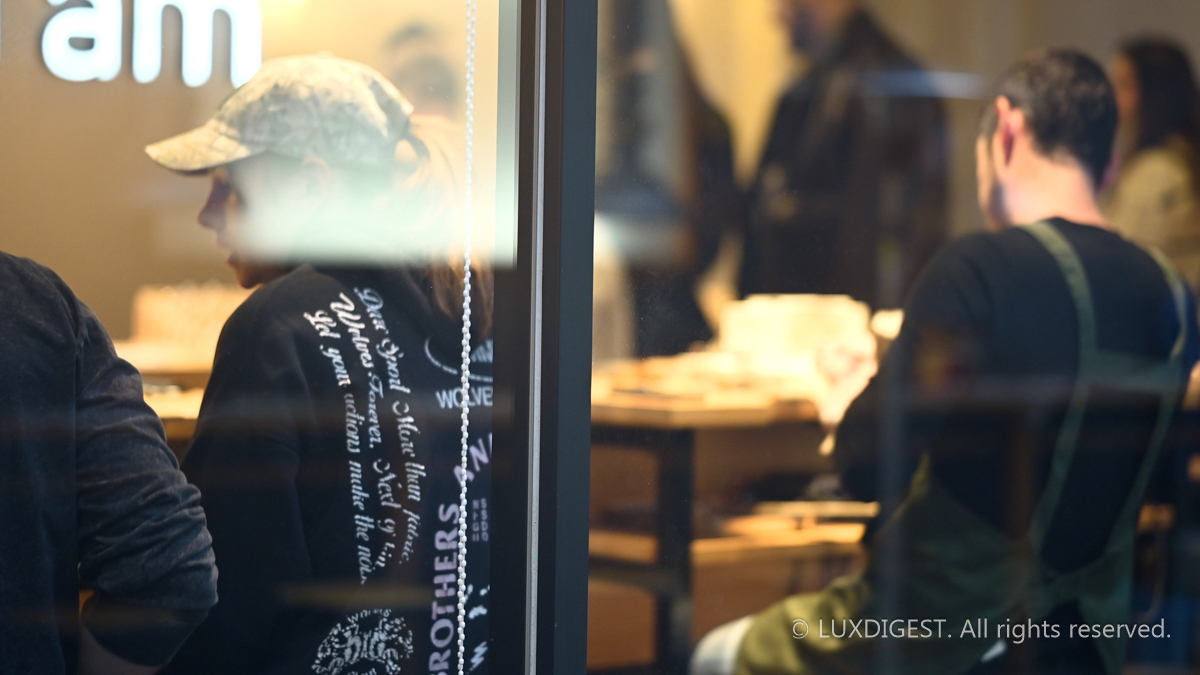
As I wandered through the market, one activity in particular caught my eye.
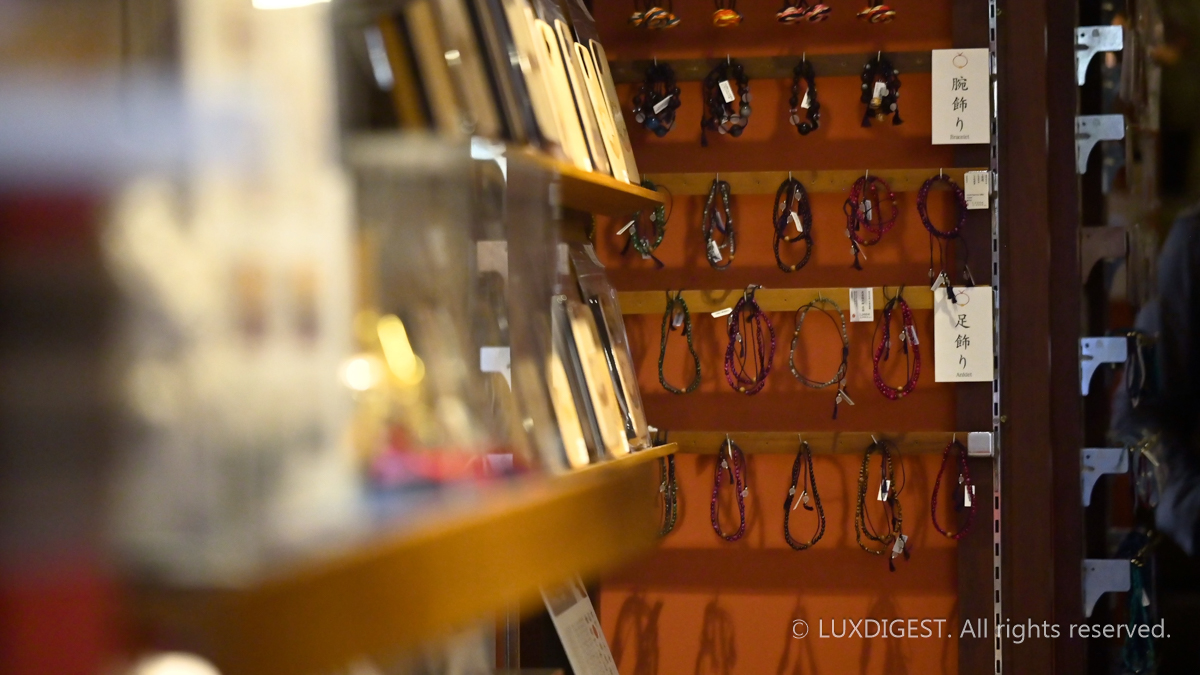
A large number of tourists were taking part in a workshop where they made rings by hand. It appeared to be a package experience available by advance reservation.
For couples travelling together, making their own rings must add a particularly special meaning to the trip.


What is Nishiki Market famous for?
Nishiki Market is best known for its seafood, but it also offers a wide range of Kyoto specialities, preserved foods and even various cooking utensils.
Which days is Nishiki Market closed?
The market is open every day, but individual shops keep different hours. Most operate from 9 a.m. to 6 p.m. Some smaller, family-run shops close on particular weekdays, especially Wednesdays. If you have a specific shop in mind, check its opening hours before you visit.
Is Nishiki Market open at night?
No. Most shops at Nishiki Market close by 6 p.m. Some restaurants remain open until 8 or 9 p.m.
What is the best time to visit Nishiki Market?
Nishiki Market can become very crowded, so it is best to arrive between 10 and 11 a.m. Nearly all the shops will be open by then, and you can avoid the larger crowds that arrive later.