The Aesthetics of a Thousand-Year-Old Temple: A Complete Guide to the Best Photo Spots at Hasedera Temple (長谷寺) in Nara
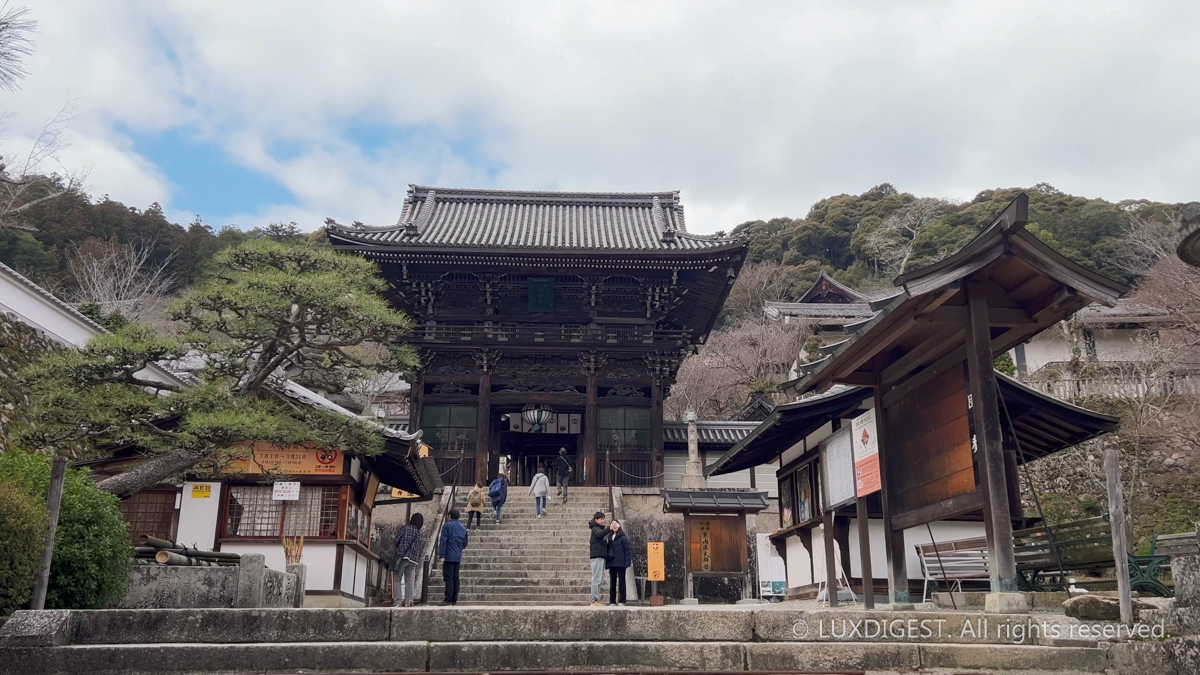
For anyone who sees the world through a camera lens, Hasedera Temple in Nara is a gift. Flowers bloom here throughout the year, elegant wooden buildings cascade down the mountainside, and a deep sense of quiet lingers between them—all of which can turn even the simplest shutter press into a memorable image.
From the moment you shoulder your camera and pass through Hasedera’s Niōmon gate, a thousand years of light and shadow unfold before you. Whether you are a traveler looking to capture a few memorable smartphone portraits or a dedicated photographer patiently waiting for the perfect light beside a tripod, these are Hasedera’s five finest photo spots, along with practical tips for making the most of each one.
1. The Beauty of Light and Lines on 399 Stone Steps: Noborirō (登廊)
The long, covered stone staircase you encounter soon after arriving at Hasedera is called the Noborirō (登廊). A signature feature of the temple, it is also one of its most beautiful places to photograph. The 399 steps connecting the Lower Worship Hall to the Main Hall are divided into three sections—lower, middle, and upper—and rise up the mountain in a gentle, sweeping curve.
+-------------------------------------------------------------------------+

| 📷 NOBORIRŌ PHOTO KEY POINTS                                            |
| - Recommended lenses: Standard (24–70mm) or telephoto (70–200mm)       |
| - Best time: 9–10 a.m. (diagonal rays filtering through the lattice roof) |
+-------------------------------------------------------------------------+
- Compose your shot: Try shooting from the bottom of the staircase with the camera held low and angled upward. The vanishing point created by the seemingly endless pillars and ceiling rafters produces a powerful sense of depth. With a telephoto lens, compressing part of the staircase can further emphasize the dynamic geometry of the wooden structure.
- Work with the light: Visit in the early morning or late afternoon, when the sun is low, and soft shafts of light will stream through the wooden latticework between the roof sections. Capturing the texture of the timeworn stone steps as they catch those rays can be especially striking in black and white.
- Add a sense of story: If a monk happens to be climbing the steps, or a worshipper in traditional dress is making their way upward, wait for the right silhouette and press the shutter. A human presence brings a quiet, narrative lyricism to the still architecture.
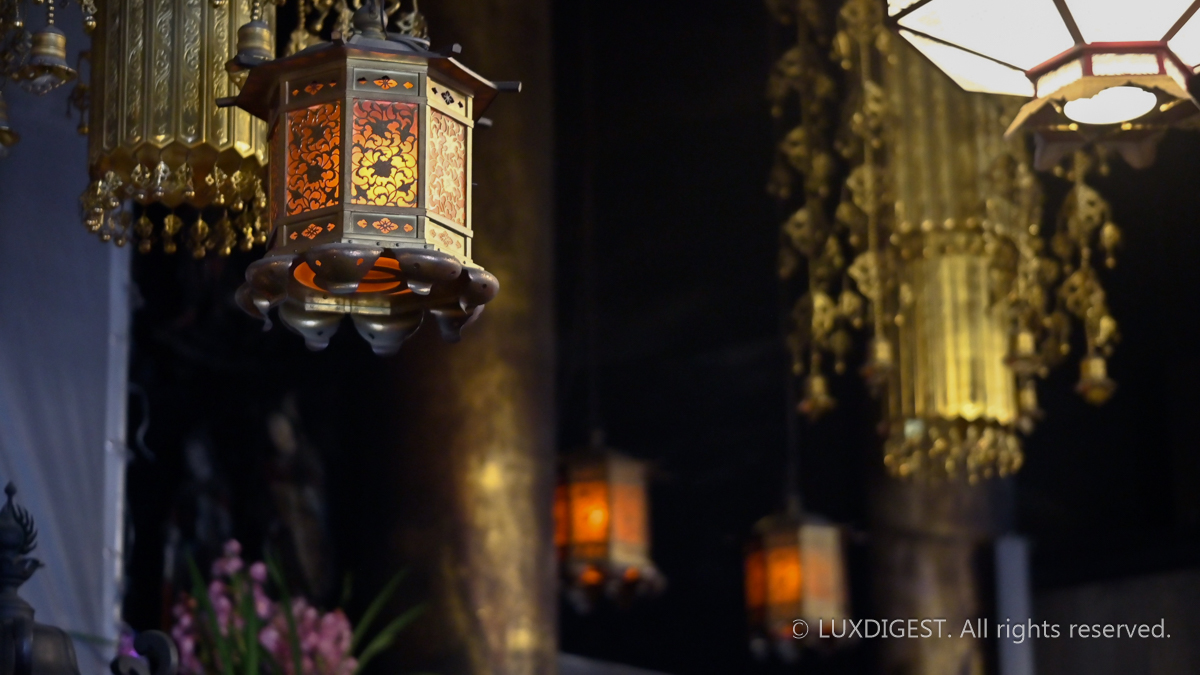
2. A Breathtaking Sense of Openness, as if Walking Above the Clouds: The Main Hall Stage (本堂 舞台)
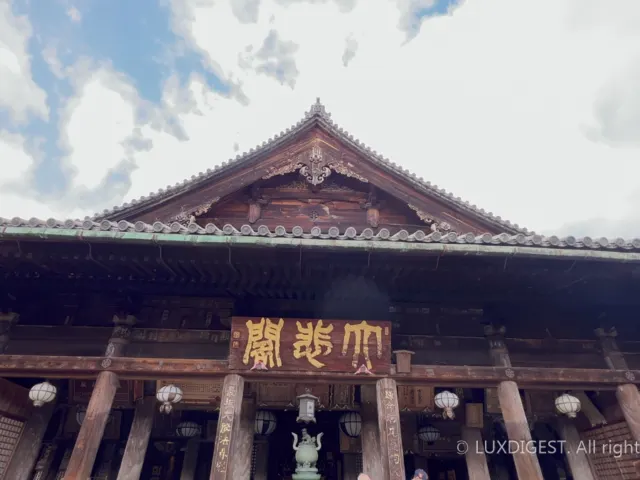
Hasedera’s Main Hall, a designated National Treasure, features a butai (舞台, or stage) built on wooden pillars rising from a massive cliff—an arrangement reminiscent of Kyoto’s Kiyomizudera Temple. From here, the view opens in every direction, giving you a sweeping perspective over the natural landscape embraced by Hasedera.
+-------------------------------------------------------------------------+

| 📷 MAIN HALL STAGE PHOTO KEY POINTS                                     |
| - Recommended lens: Wide angle (16–35mm)                                |
| - Best time: Beautiful year-round; peonies in spring and autumn foliage are peak seasons |
+-------------------------------------------------------------------------+
- Blend the architecture with nature: Stand at the edge of the stage and look ahead: the opposite mountains and the temple grounds below spread out like a panorama. In spring, pink clouds of cherry blossoms fill the view; early summer brings lush greenery; and autumn sets the scene ablaze with richly colored foliage. Use a wide-angle lens to accentuate the openness, or let the Main Hall’s eaves enter the upper edge of the frame for a natural framing effect and a more balanced composition.
- A superb portrait location: This is also one of Hasedera’s best spots for striking portrait photographs. Against the broad wooden floor and timeworn railings, place your subject to one side of the frame and have them gaze toward the distant mountains. The result can feel almost dreamlike, as if the subject were floating above the clouds and taking in the landscape.
3. A Reflective Pool of Green and Red: The View Reflected in the Main Hall’s Glass Tabletop (床みどり・床momiji)
This hidden gem has become explosively popular with photographers around the world in recent years, thanks in large part to social media. Inside the Main Hall, the scenery outside is mirrored across sections of the polished floor or specially installed glass tabletops, creating a striking reflection to photograph.
+-------------------------------------------------------------------------+

| 📷 REFLECTION PHOTO KEY POINTS                                         |
| - Recommended lens: Fast standard prime (around 50mm)                  |
| - Best time: Fresh green foliage in May–June (toko-midori); autumn colors in November (toko-momiji) |
+-------------------------------------------------------------------------+
- Create a perfect mirror image: The key is to bring the camera close to the glass and align the lens axis perfectly parallel to its surface. This creates a precise symmetry: the real trees and autumn foliage appear above the center of the frame, while their near-identical reflection appears below, producing a flawless mirror image.
- Control the light: The interior is dark while the outdoors is bright, so the difference in exposure can be significant. Meter for the highlights to prevent the colors outside from washing out. The shadowy interior acts as a frame, making the vivid colors at the center of the image stand out even more.
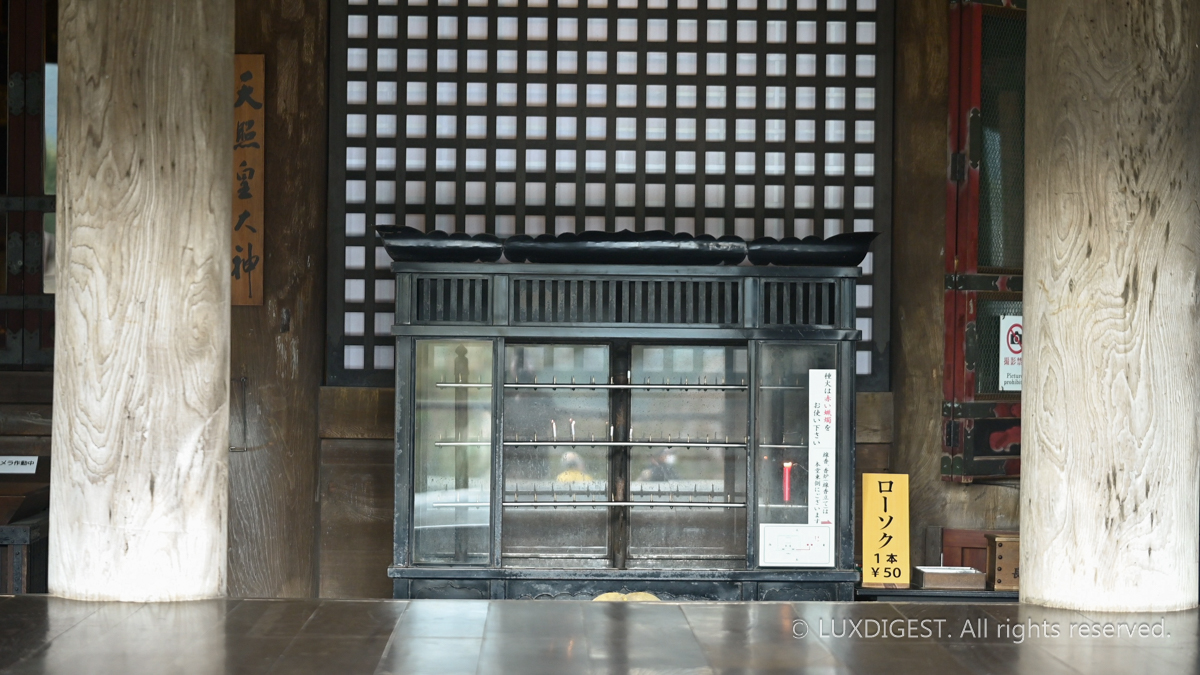
4. A Seasonal Floral Ensemble with an Ancient Temple: The Paths Around the Five-Story Pagoda (五重塔)
Among Hasedera’s many treasures, the Five-Story Pagoda (五重塔), rising against the green mountains, is the crowning element of the temple’s elegant silhouette. The depth of your photograph will depend less on capturing the pagoda alone than on how successfully you place it within the surrounding landscape.
+-------------------------------------------------------------------------+

| 📷 FIVE-STORY PAGODA PHOTO KEY POINTS                                  |
| - Recommended lenses: Telephoto or macro                                |
| - Best time: Late April to early May during the peony festival; hydrangea season in June |
+-------------------------------------------------------------------------+
- Use flowers as a defocused foreground: The paths leading toward the Five-Story Pagoda are lined with peonies in spring and hydrangeas in summer. Place a brightly blooming peony or hydrangea close to the camera in the foreground, then let the pagoda recede softly out of focus in the distance. In a single frame, you can capture Hasedera’s identity as a “temple of flowers.”
- Look back from the path: Step away from the pagoda and turn around on the path back toward the Main Hall. You will see it sitting quietly amid the dense forest. In autumn, frame the pagoda with a single branch of red maple leaves entering at the edge of the image, capturing the season’s blend of melancholy and brilliance.
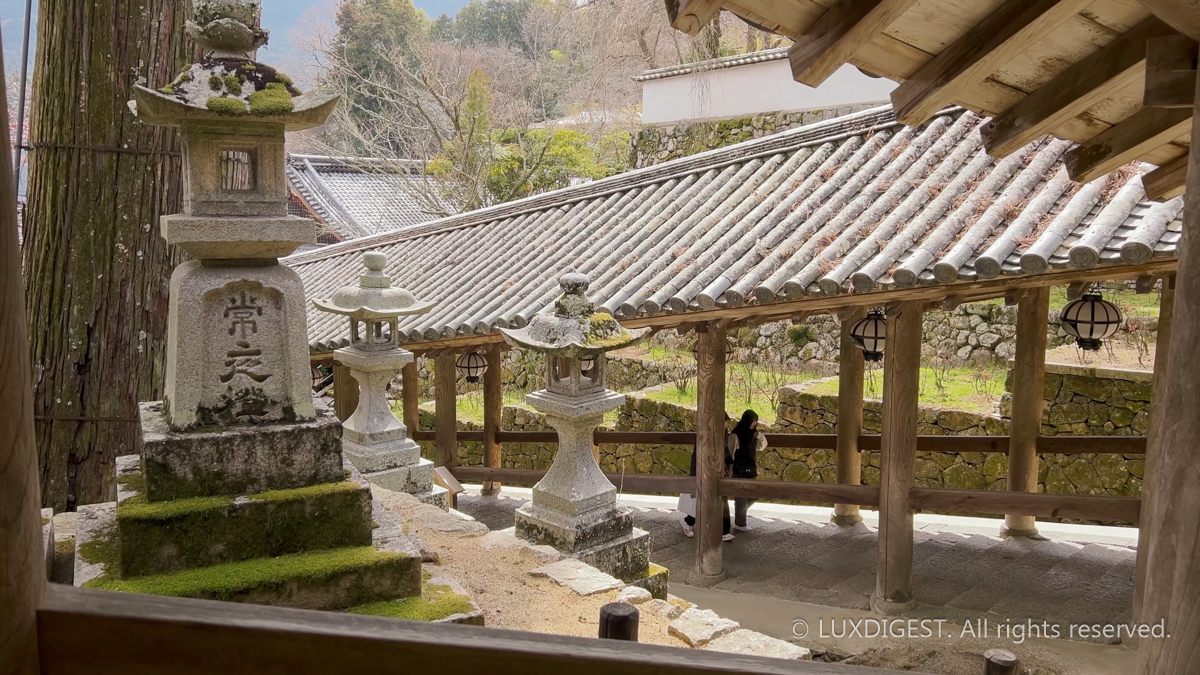
5. A Miniature World Seen from Above: The Eastern Steps Above the Main Hall (Viewpoint)
Walk a little farther uphill behind the Main Hall or along the eastern slope, and you will reach an open viewpoint overlooking the rooftops of the 399-step Noborirō you have just climbed. From here, the clustered streets of Hasedera’s temple-front town, or monzen-machi, spread out below.
+-------------------------------------------------------------------------+

| 📷 VIEWPOINT PHOTO KEY POINTS                                           |
| - Recommended lens: Telephoto (100mm or longer recommended)            |
| - Best time: Sunset, as lights begin to appear in the town and temple   |
+-------------------------------------------------------------------------+
- Create a sense of compressed depth: Use a telephoto lens to compress the tiled rooftops below. The overlapping lines of the roofs create an intriguing geometric atmosphere, evoking the feeling of looking down on a miniature village from a vanished past, with time itself brought to a standstill.
- Make the most of twilight’s magic hour: If you visit in the late afternoon or during a special nighttime opening, such as the Mantōe lantern illumination, wait for the sky to deepen into blue hour. Capture the moment when the temple lanterns and village streetlights begin to glow warm orange against the gathering dusk. With a long exposure, you can create a landscape image so warm and lyrical it feels almost moving.
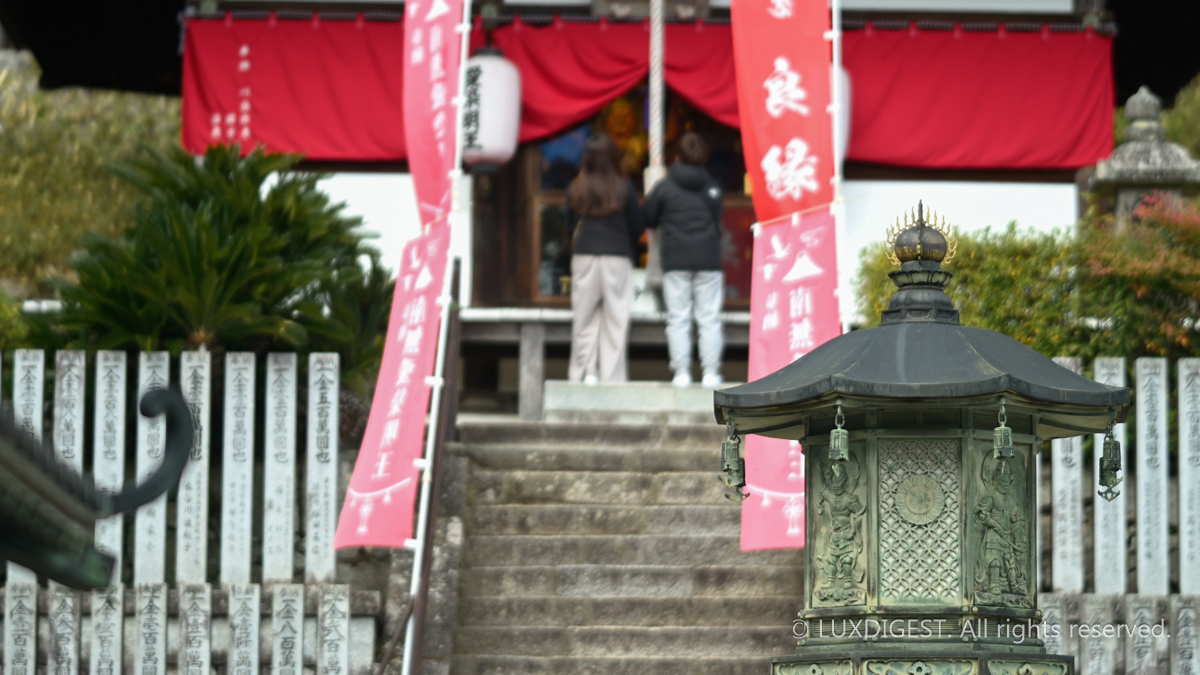
💡 An Analog-Inspired Guide to Photographing Hasedera
- Slow your steps and clear your mind: Hasedera has plenty of steep stairways, and rushing will leave you out of breath—and likely cause you to miss the best compositions. Before lifting your camera, take time to absorb the scene with your eyes. Listen to the monks’ chanting and the wind chimes moving in the breeze. Only when your mind grows still can a truly authentic image find its way into the frame.
- Be considerate of worshippers: Before it is a tourist destination, Hasedera is a sacred temple where countless people still come to pray. Avoid using flash directly in front of Buddhist statues, and do not push a camera into the faces of people who are praying. As a courtesy, keep your camera’s shutter sound turned off whenever possible.
- Do not fear rainy weather: If it rains on the day of your visit, consider it a blessing. Hasedera’s old wooden buildings take on a rich, deep tone when wet, while the colors of the hydrangeas and autumn leaves become far more saturated and vivid. Walk quietly through the temple grounds beneath an umbrella and capture the moment raindrops fall from the eaves. You may come away with contemplative images of a depth that a clear day could never offer.