Udo Beacon Lookout: The Southernmost Coastal Watch and Communication Post Against Japanese Pirates
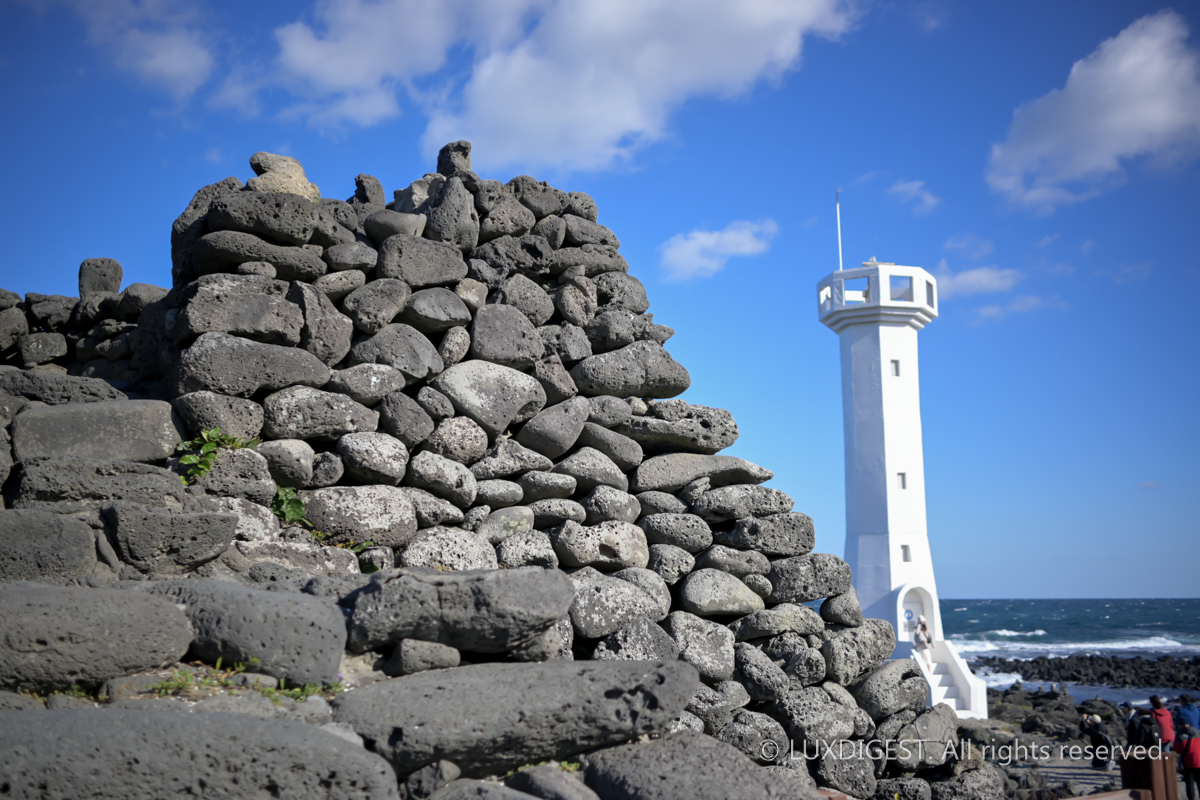
See Udo in a Day: Udo Beacon Tower
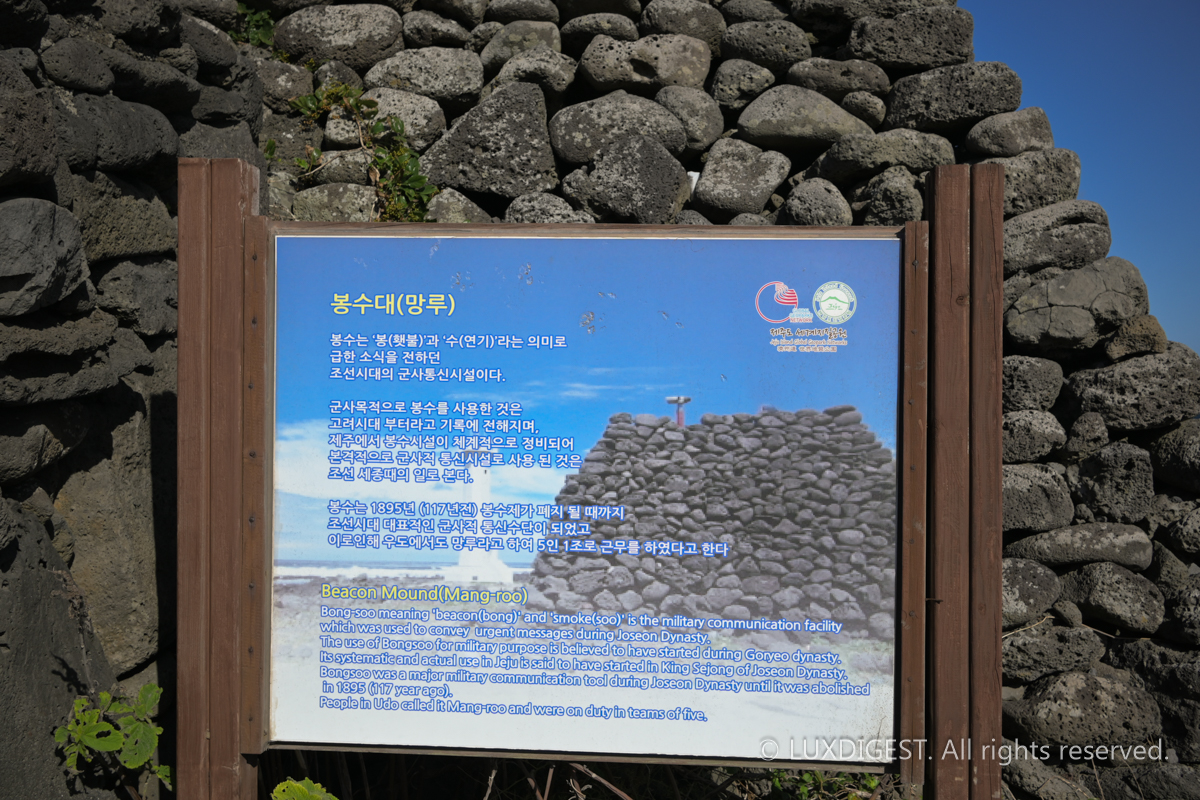
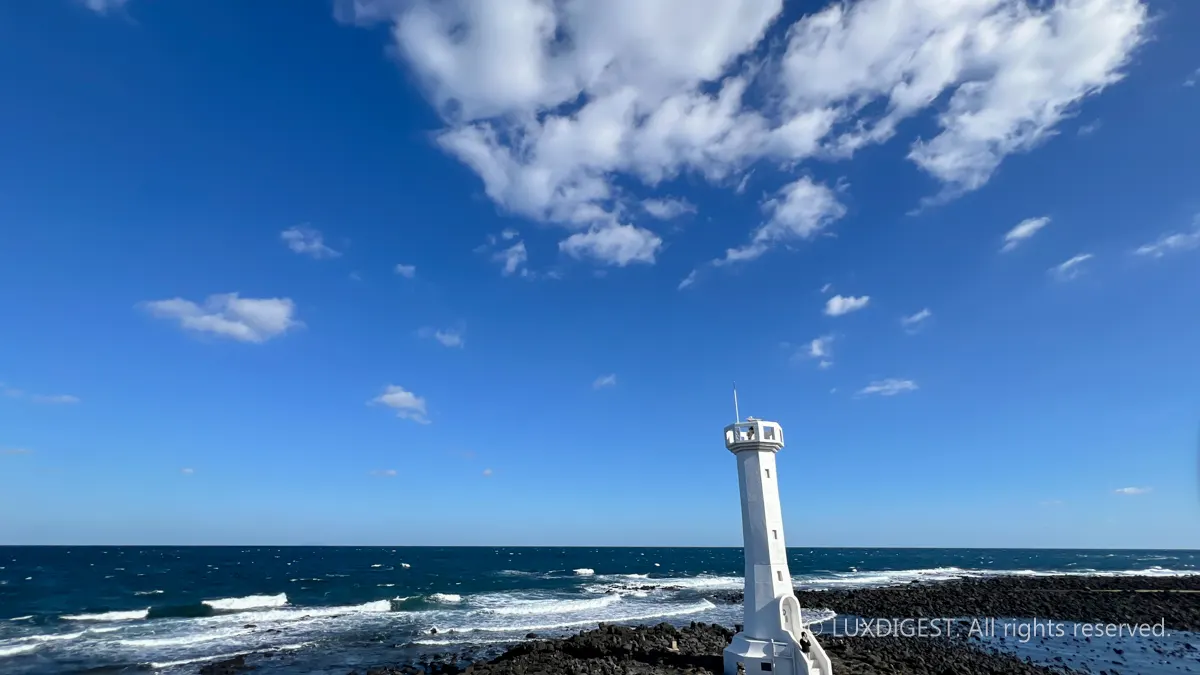
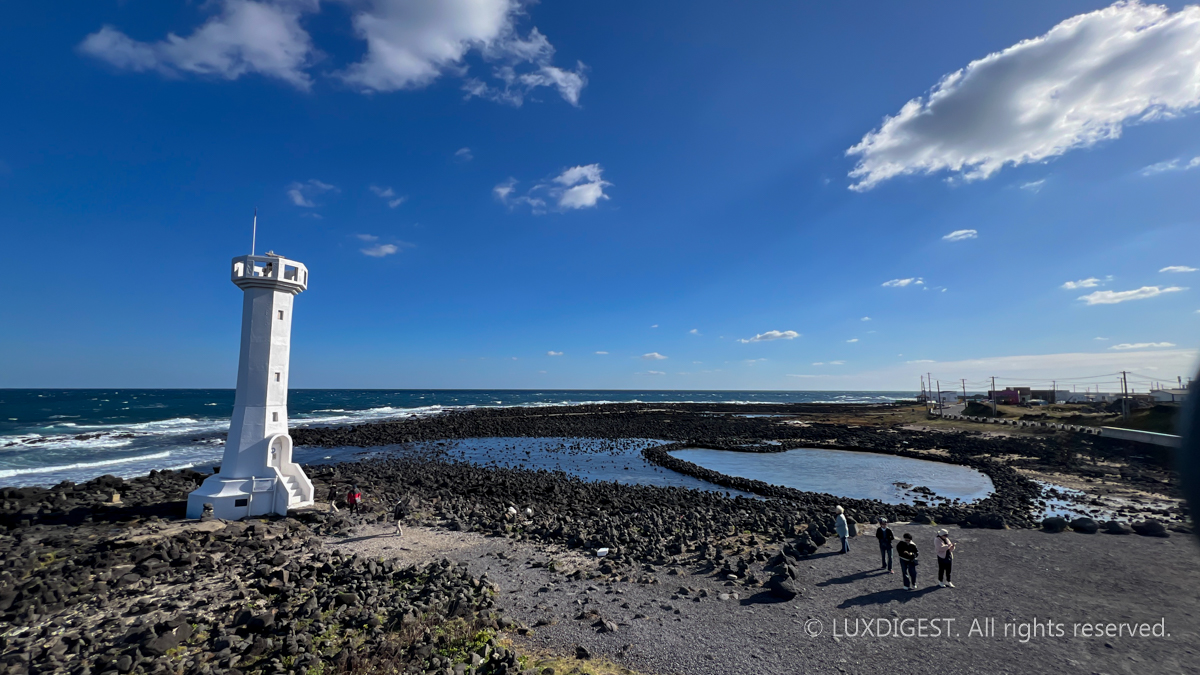
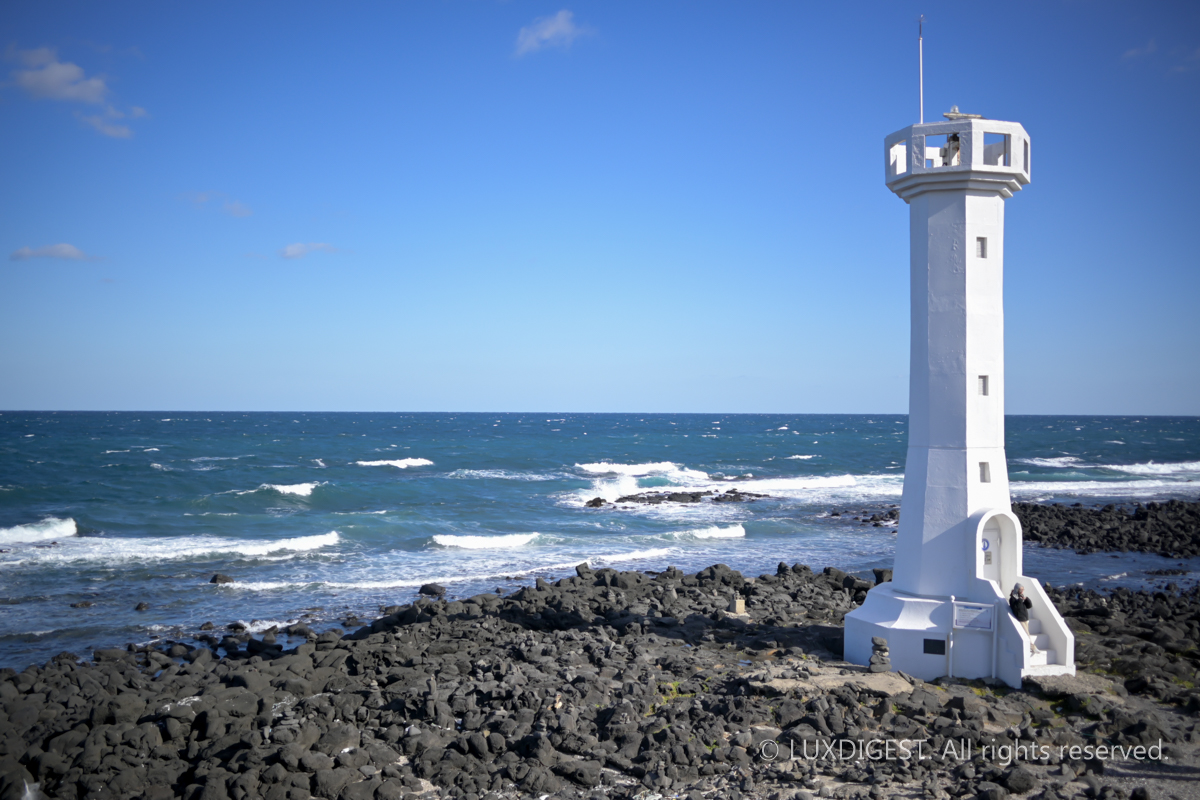
Located at the northeastern tip of Udo, this beacon tower once served as a vital lookout.
It is also a place where the past and present exist side by side.
Long ago, this was where people watched for raids by Japanese pirates and lit signal fires to warn of approaching enemies.
I climbed up to the beacon for a moment, but the wind was incredibly strong.
It was hard to believe anyone could have managed to light a fire in conditions like that.
They must have had their own way of doing it.
Standing in a place that once functioned like a whistle for the Korean people feels strangely novel.
I have seen plenty of beacon towers on mountain peaks, but this is the first one I have encountered sitting low beside the sea—and on an island, at that.
Let’s take a closer look at the photos.
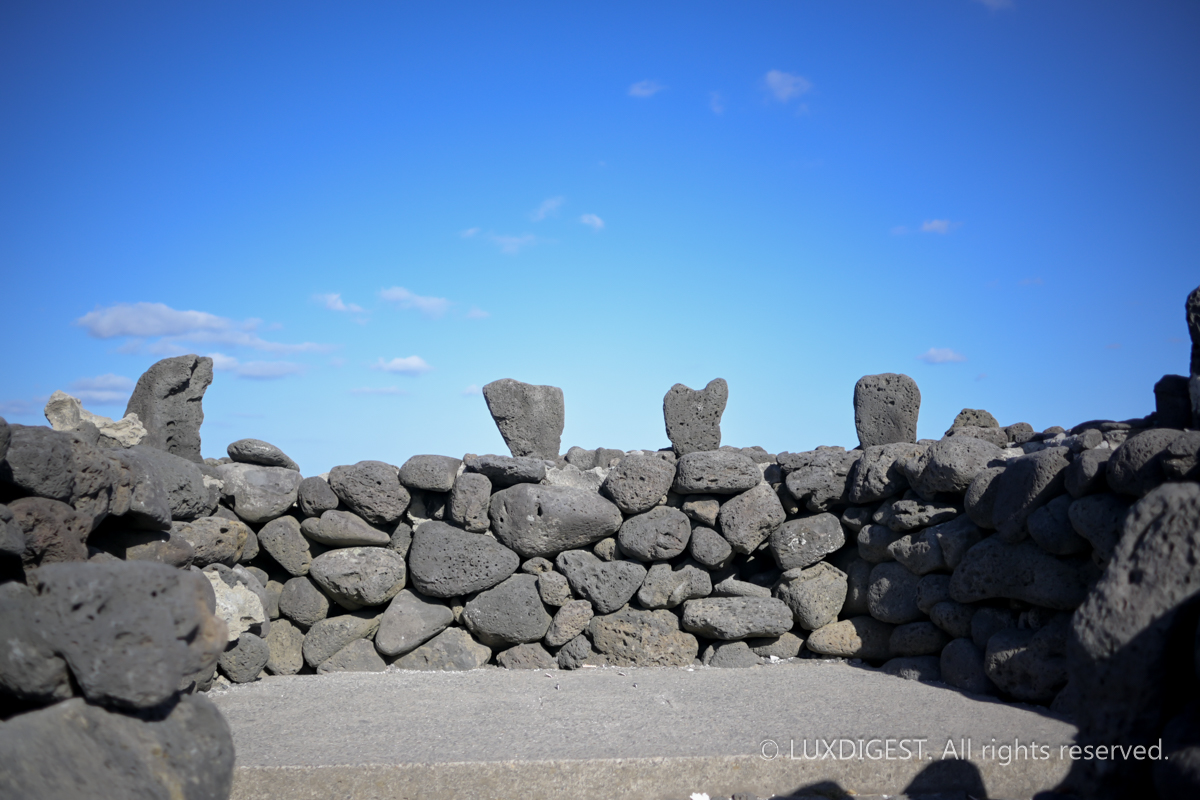
This is the very top of the beacon tower.
There appears to be room for only two or three people.
Someone must have kept an almost unblinking watch over the sea, then hurried to raise smoke as soon as enemy ships appeared.
When that happened, the governor of Jeju and troops from the island’s three districts would reportedly set out from the main island of Jeju.
Who was responsible for driving off the enemy? The governor of Jeju and troops from the three districts
Jeju was divided administratively into Jejumok, Jeongui-hyeon, and Daejeong-hyeon, with troops stationed around the fortresses in each district.
Jejumok: The island’s largest concentration of military forces was based here, under the direct command of the governor of Jeju.
Jeongui-hyeon and Daejeong-hyeon: Troops commanded by local magistrates defended their own areas and provided mutual support in emergencies.
What coastal defense outposts protected Jeju? A shoreline defense network centered on nine forts
Nine strategic locations along the coast were established as military forts, forming the first line of defense against Japanese pirate landings.
Hwabukjin, Jocheonjin, Byeolbangjin, Susan-jin, Seogwijin, Myeongwoljin, Chagwijin, Aewoljin, and Susan-jin each had officers or fortress commanders stationed there to maintain a constant watch and lead combat operations.
Let’s see where these defensive sites are located today.
Under the jurisdiction of Jejumok (northern and western Jeju)
Hwabukjin (禾北鎭): Hwabuk 1-dong, Jeju City. The remains of Hwabukjin Fortress can be found near Hwabuk Port and are designated Jeju Monument No. 56.
Jocheonjin (朝天鎭): Jocheon-ri, Jocheon-eup, Jeju City. The site of Jocheonjin Fortress is where the famous Yeonbukjeong Pavilion stands today.
Aewoljin (崖月鎭): Aewol-ri, Aewol-eup, Jeju City. Traces of the fortress walls remain around Aewol Elementary School and the village near present-day Aewol Port.
Myeongwoljin (明月鎭): Dongmyeong-ri, Hallim-eup, Jeju City. The largest of the nine forts, it has been extensively restored as Myeongwol Fortress and is well worth a visit.
Chagwijin (遮歸鎭): Gosan-ri, Hangyeong-myeon, Jeju City. The site lies near the Gosan-ri Community Center and once served as a strategic position overlooking Chagwido, a natural monument, and Suwolbong Peak.
Under the jurisdiction of Jeongui-hyeon (eastern and southern Jeju)
Byeolbangjin (別防鎭): Hado-ri, Gujwa-eup, Jeju City. The fortress walls are remarkably well preserved near Hado Elementary School, where they formed the key defensive base for the Gujwa area.
Susan-jin (水産鎭): Susan-ri, Seongsan-eup, Seogwipo City. The only one of the nine forts located inland rather than by the sea, it stands on the grounds of Susan Elementary School. The fortress walls surrounding the school create a distinctive scene.
Seogwijin (西歸鎭): Seogwi-dong, Seogwipo City. Located near Lee Jung-seop Street above Seogwipo Port, the site has recently been restored as Seogwijin Fortress Park.
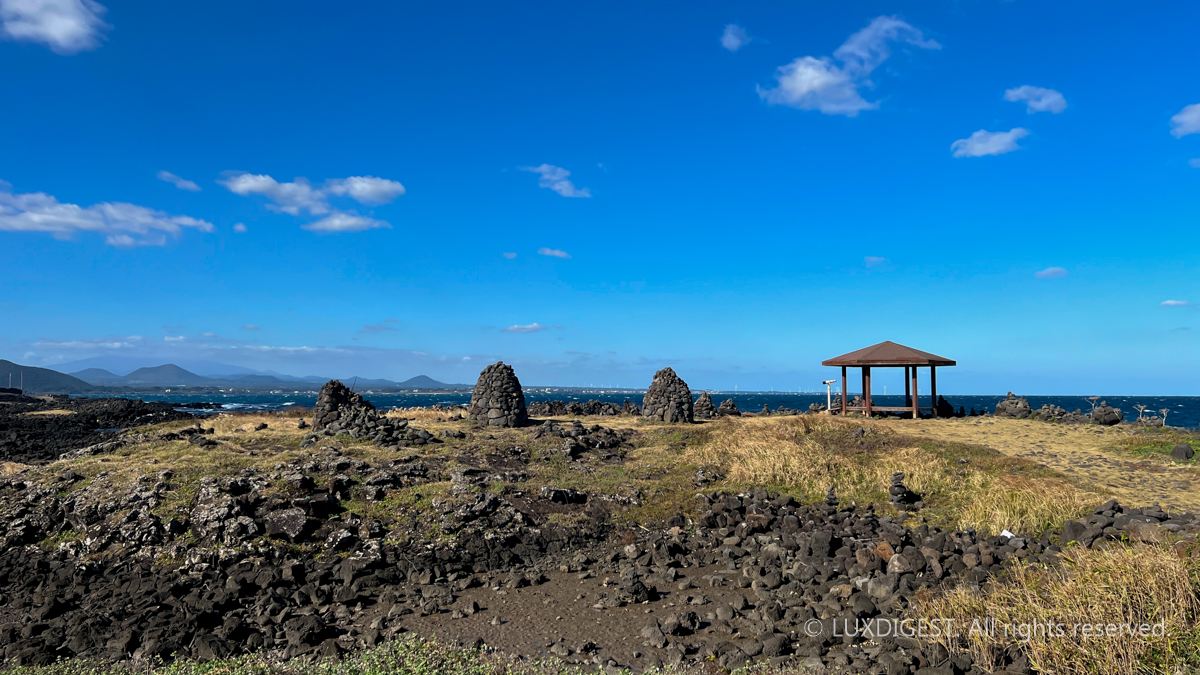
The view is even more atmospheric with the oreums of Jeju’s main island rising in the distance.
Don’t you think?
I would have liked to sit for a while, gaze out at the sea, and simply take in the atmosphere, but the wind would not let me.
Jeju’s famous winds certainly live up to their reputation.
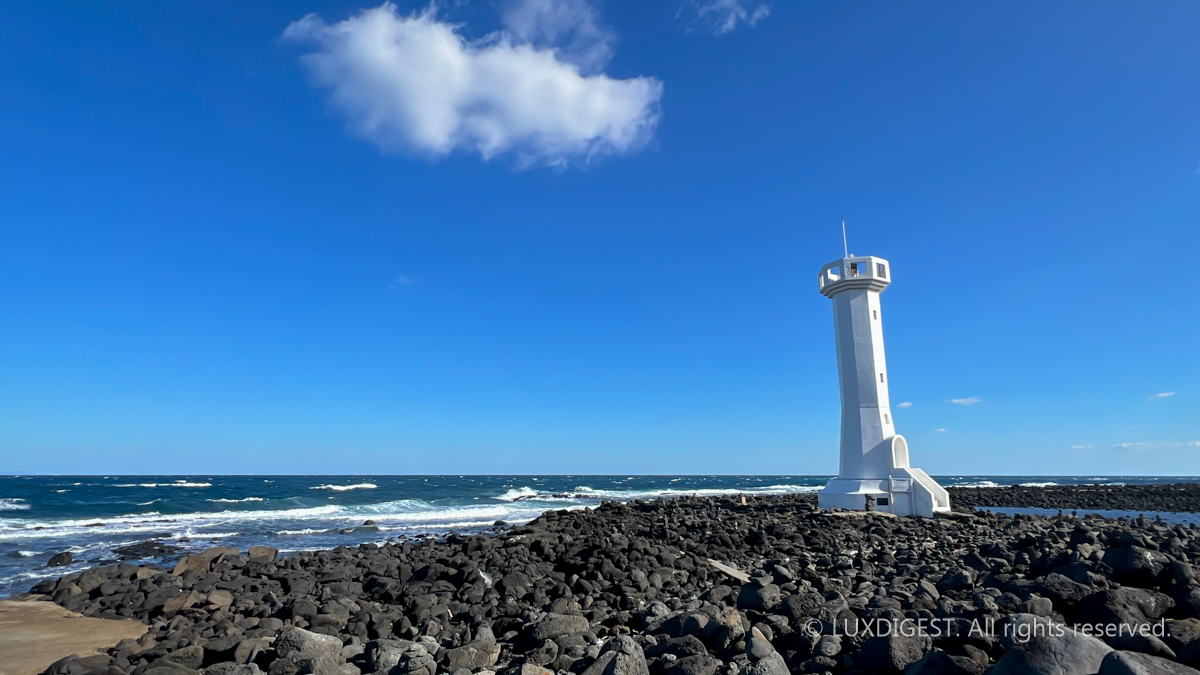
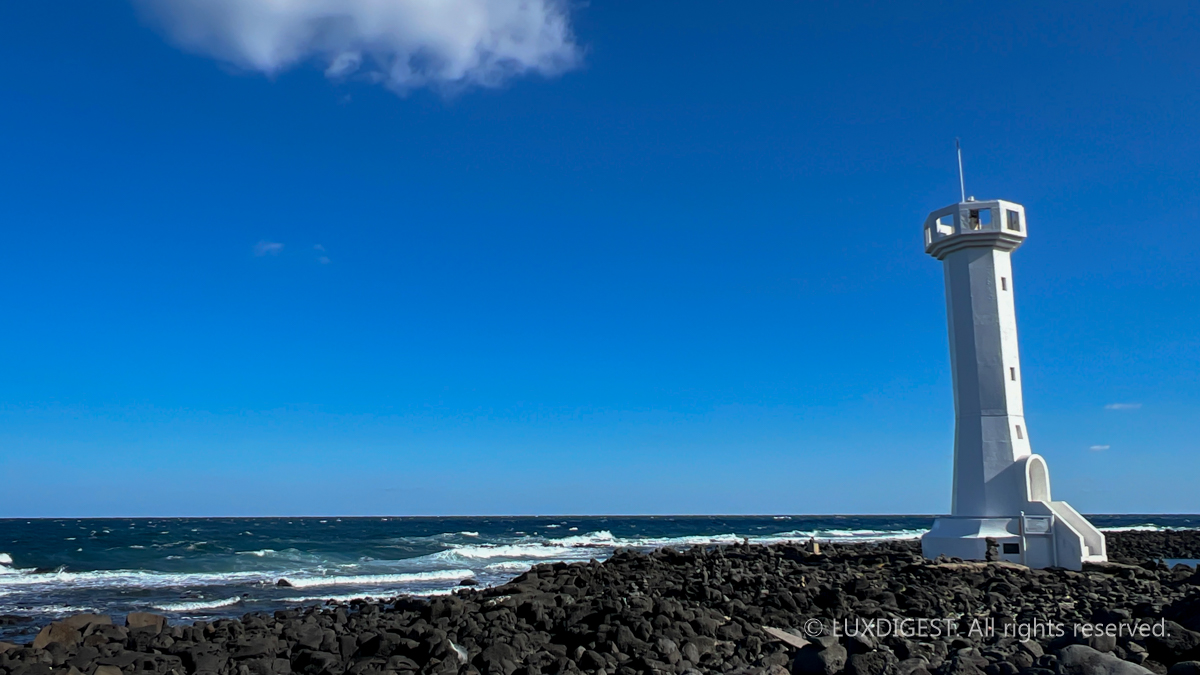
Even back then, Jeju had an organized system in place to protect the island.
The fact that the Udo beacon lookout was the front line of that system
makes this a place that inspires a quiet sense of gratitude.
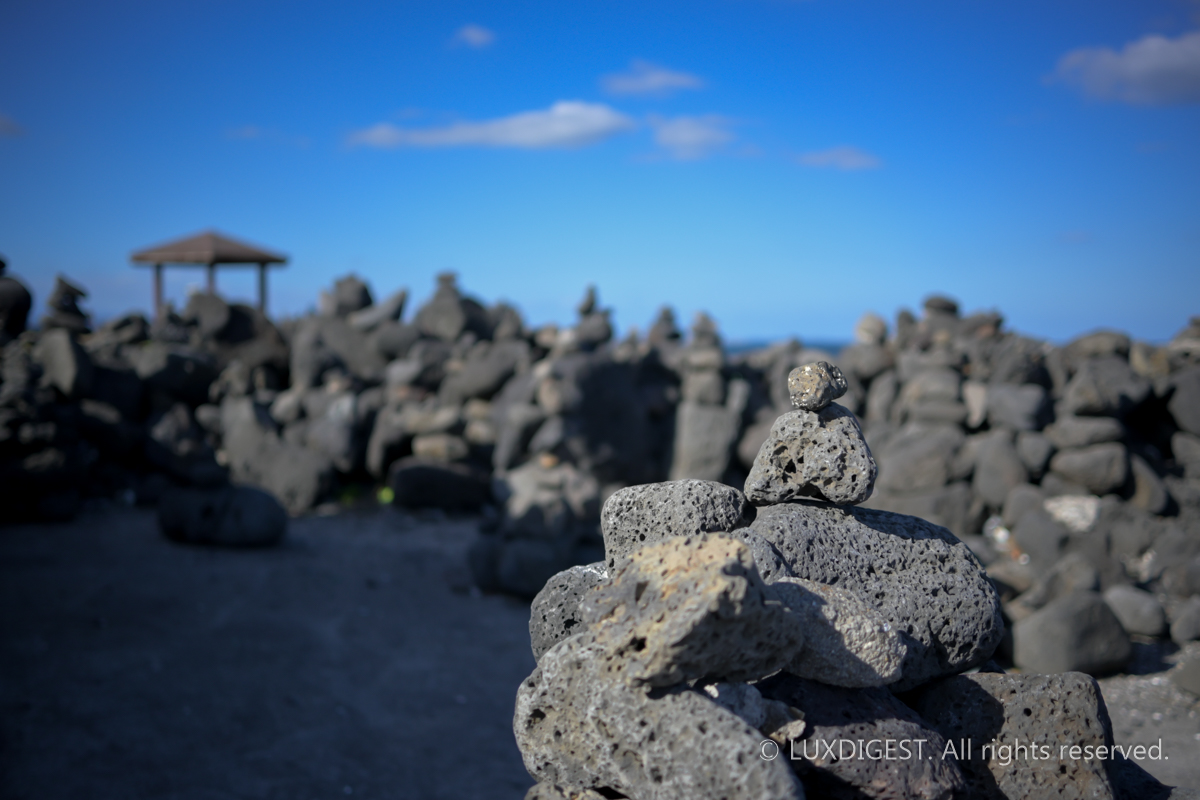
Jeju’s Love Affair with Hearts
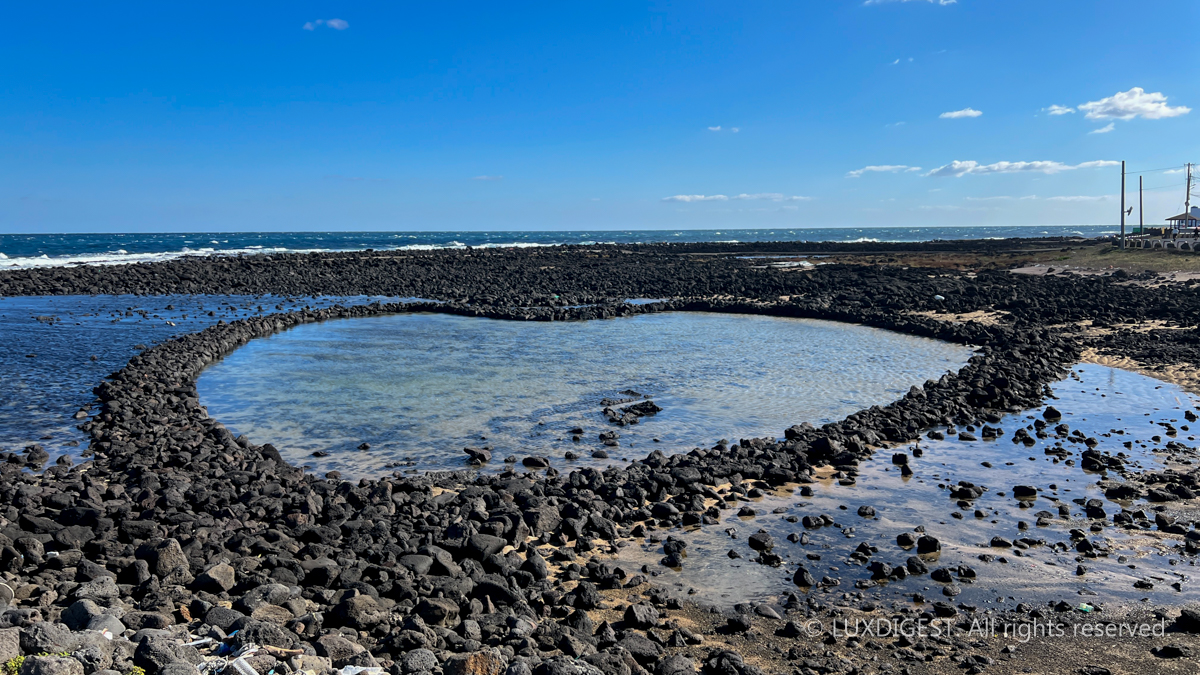
As I wandered around the area, I came across hearts made from stones.
They were probably created by local residents or Jeju’s tourism authorities.
There was no explanation of who made them, which only made me more curious.
As you travel around Jeju, you will notice quite a few unexpected heart-shaped installations.
They may be intended as photo spots for couples and honeymooners.
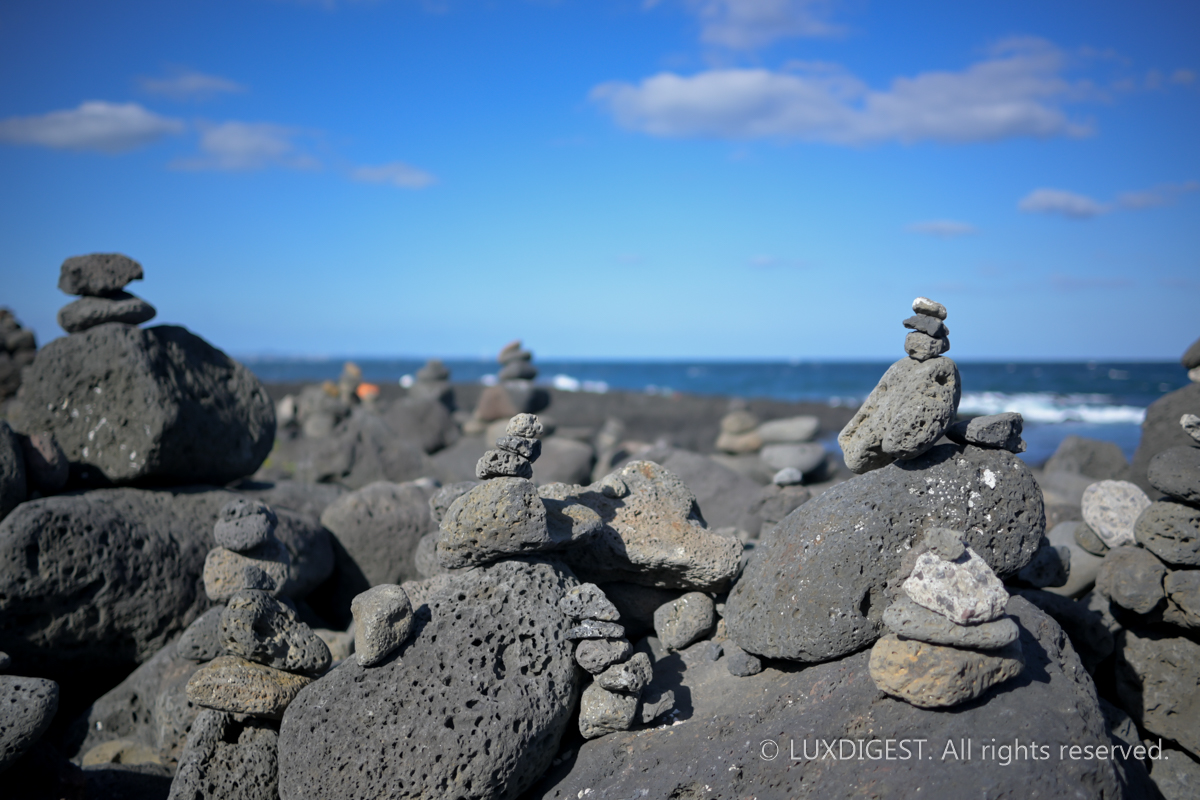
The wishes people leave behind here create another small attraction for visitors.
Hopefully Jeju’s powerful winds will leave these stones undisturbed, but the little stone towers look so fragile.
Udo Has a Beacon Tower
I had no idea Udo was home to a historic site like this.
Today, the lighthouse continues its work by helping keep ships safe, but throughout its long history,
this beacon tower served to protect the people of Korea. That makes it feel like a meaningful place—one that deserves a little gratitude.
Udo, be sure to stop by and see it for yourself.