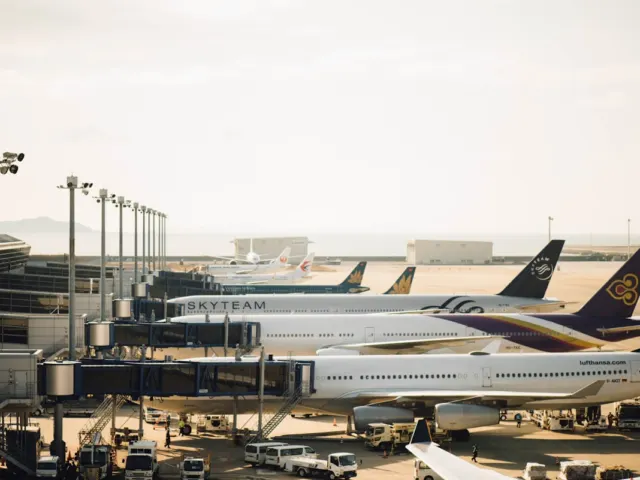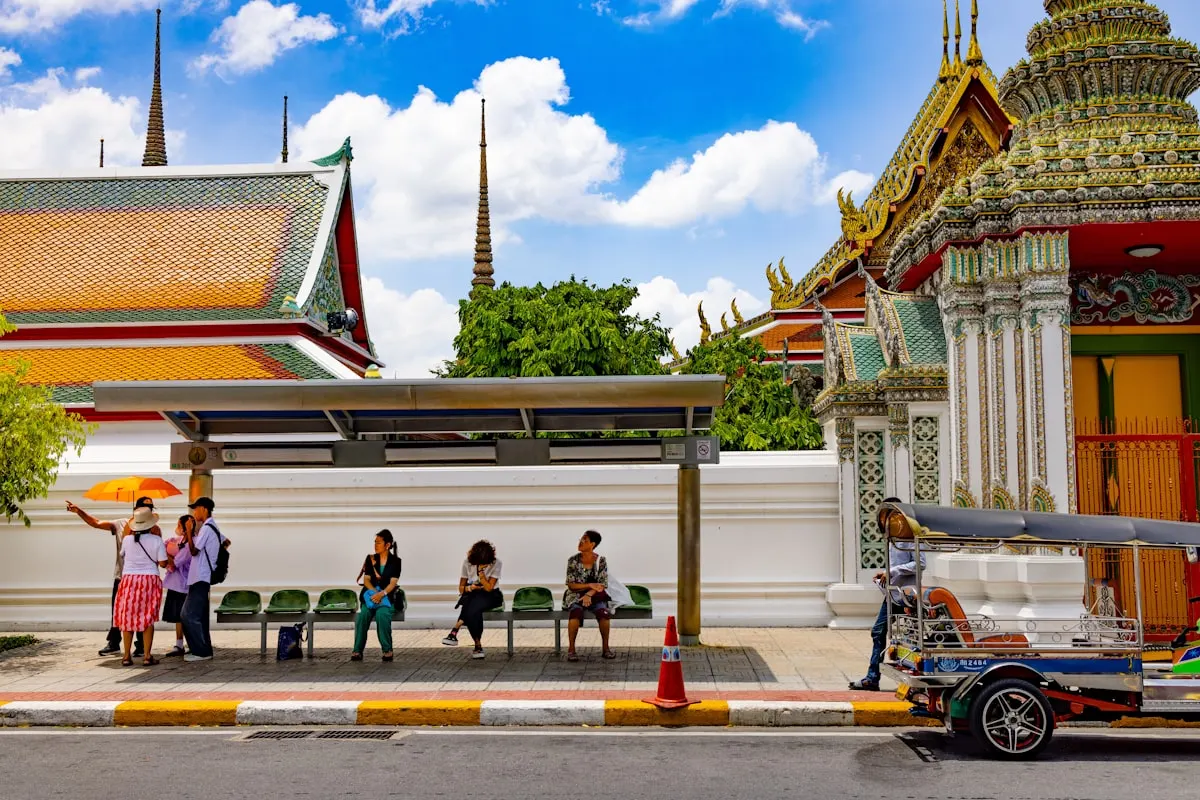
The U.S. Department of State on July 7, 2026, changed its travel advisory for Thailand to Level 1: Exercise Normal Precautions. Thailand is generally considered a safe destination, although separate risk warnings apply to certain areas.
Travelers should exercise particular caution near the Thailand-Cambodia border and in the southern provinces of Yala, Pattani and Narathiwat, where there is a risk of armed conflict or civil unrest.
Thailand’s Travel Advisory Levels and Key Risk Areas
Thailand-Cambodia Border Area
The U.S. Department of State recommends Level 2: Exercise Increased Caution for the Thailand-Cambodia border area. The region is considered at risk of armed conflict, and Thai authorities may establish security exclusion zones without notice.
Security exclusion zones are intended to protect civilians from unexploded ordnance and the dangers of military conflict. Travelers must follow all checkpoints, movement restrictions and on-the-ground instructions issued by the Thai military and security authorities. U.S. government assistance may also be limited in an emergency.
Yala, Pattani and Narathiwat Provinces
Level 2 also applies to Yala, Pattani and Narathiwat, the three southernmost provinces of Thailand. According to the U.S. Department of State, intermittent violence has occurred in these areas between Thai security forces and insurgents.
Emergency laws are in effect in some areas, giving Thai security authorities special powers to respond to security threats. The U.S. government advises that emergency assistance available to its citizens in these provinces may be limited for security reasons.
Safety Advice for Travelers to Thailand
The U.S. Department of State recommends that visitors to Thailand check the latest travel advisory before departure and throughout their trip, and make an independent evacuation plan in case of an emergency. Those visiting areas considered higher-risk should closely monitor local authorities’ instructions and transportation and security announcements.
- Enroll in STEP: Sign up for the U.S. Department of State’s Smart Traveler Enrollment Program to receive safety alerts and emergency guidance from the nearest embassy or consulate.
- Create an emergency contact plan: Leave family or friends with your itinerary, accommodation details, contact information and a copy of your passport.
- Follow local instructions: Do not approach military or police checkpoints or security exclusion zones, and do not photograph or touch unidentified objects or military facilities.
- Review your travel insurance: Confirm in advance whether your policy covers medical expenses, emergency medical evacuation, trip cancellation and trip interruption.
Health Preparations and Insurance Checks
The U.S. Centers for Disease Control and Prevention (CDC) recommends consulting a health care provider before traveling to Thailand to determine whether vaccinations or medications are needed, and checking the latest health information based on the purpose of the trip and the areas to be visited. Some areas may present a risk of malaria, so preventive medication may be recommended depending on the itinerary.
The CDC also advises travelers to consider travel health insurance that covers medical care abroad and emergency medical evacuation. Standard trip-cancellation insurance may not cover overseas medical expenses, so travelers should carefully review the scope of medical and evacuation coverage, as well as exclusions.
Final Checks Before Traveling to Thailand
Thailand as a whole is under a recommendation to exercise normal precautions, but the border area and the three southern provinces carry separate security risks. Travelers should check the latest conditions in their planned destinations and, where possible, adjust itineraries in higher-risk areas or follow guidance from local authorities.
Checking Thailand-related updates from the U.S. Department of State and the CDC again just before departure can help travelers stay informed about changes in security and health conditions.
Frequently Asked Questions (FAQ)
Q. Is a travel ban currently in effect for all of Thailand?
A. No. As of July 7, 2026, the U.S. Department of State recommends Level 1, or exercising normal precautions, for Thailand as a whole. However, Level 2 warnings apply to certain areas.
Q. Which areas of Thailand require particular caution?
A. The areas near the Thailand-Cambodia border and the provinces of Yala, Pattani and Narathiwat. The risk of armed conflict or civil unrest is considered relatively higher in these areas.
Q. Can I visit the Thailand-Cambodia border area?
A. If a visit is unavoidable, check the latest security updates before departure and follow local authorities’ controls and movement restrictions. Security exclusion zones may be established without notice.
Q. Is STEP necessary for travelers to Thailand?
A. U.S. citizens can enroll in STEP to receive safety alerts from the nearest embassy or consulate and improve their ability to be contacted in an emergency. Travelers of other nationalities should also check whether their governments offer overseas travel registration services.
Q. What coverage should travel insurance for Thailand include?
A. At a minimum, confirm coverage for medical expenses abroad and emergency medical evacuation. Depending on your needs, also consider coverage for trip cancellation and interruption. It is important to review policy limits and exclusions before departure.