Let’s Visit Taiwan’s National Palace Museum
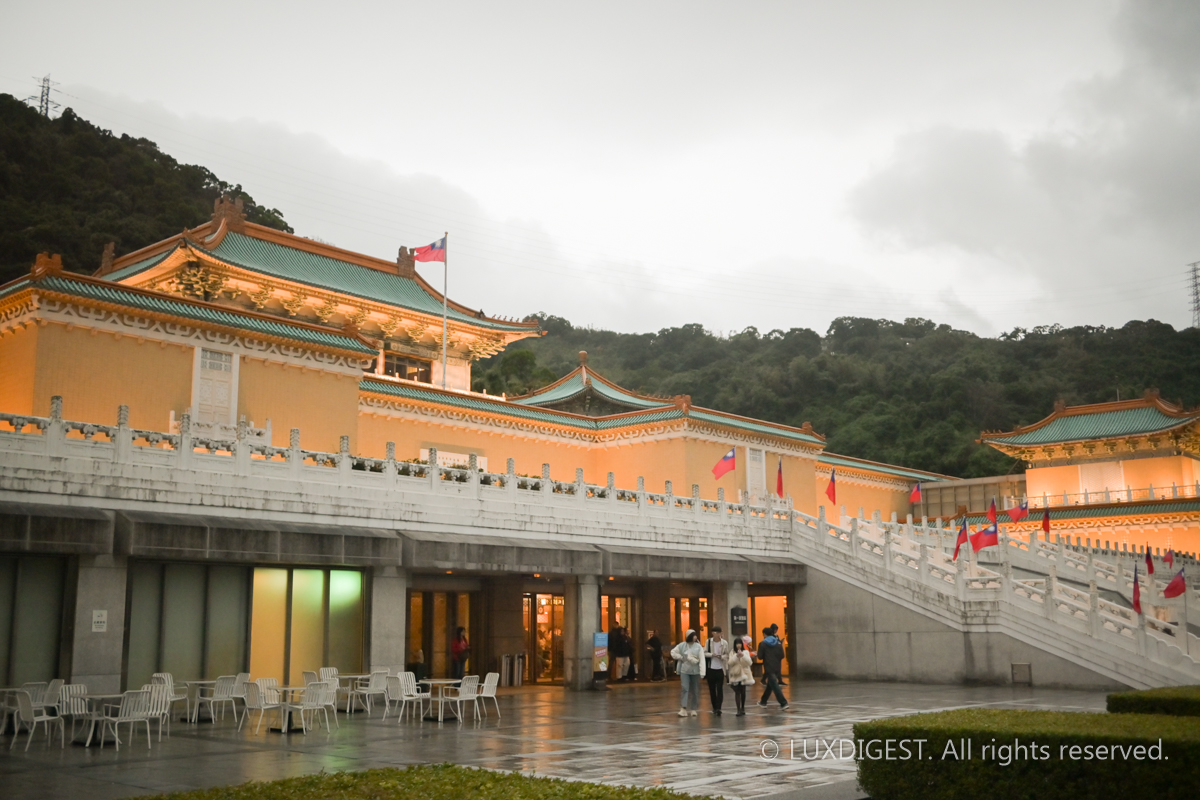
Taiwan’s National Museum, first established in 1908, is one of the country’s most popular museums. At the time of its founding, Taiwan was under Japanese colonial rule. Its collections reflect Taiwan’s distinctive history and culture while also bearing the influence of Japanese culture.
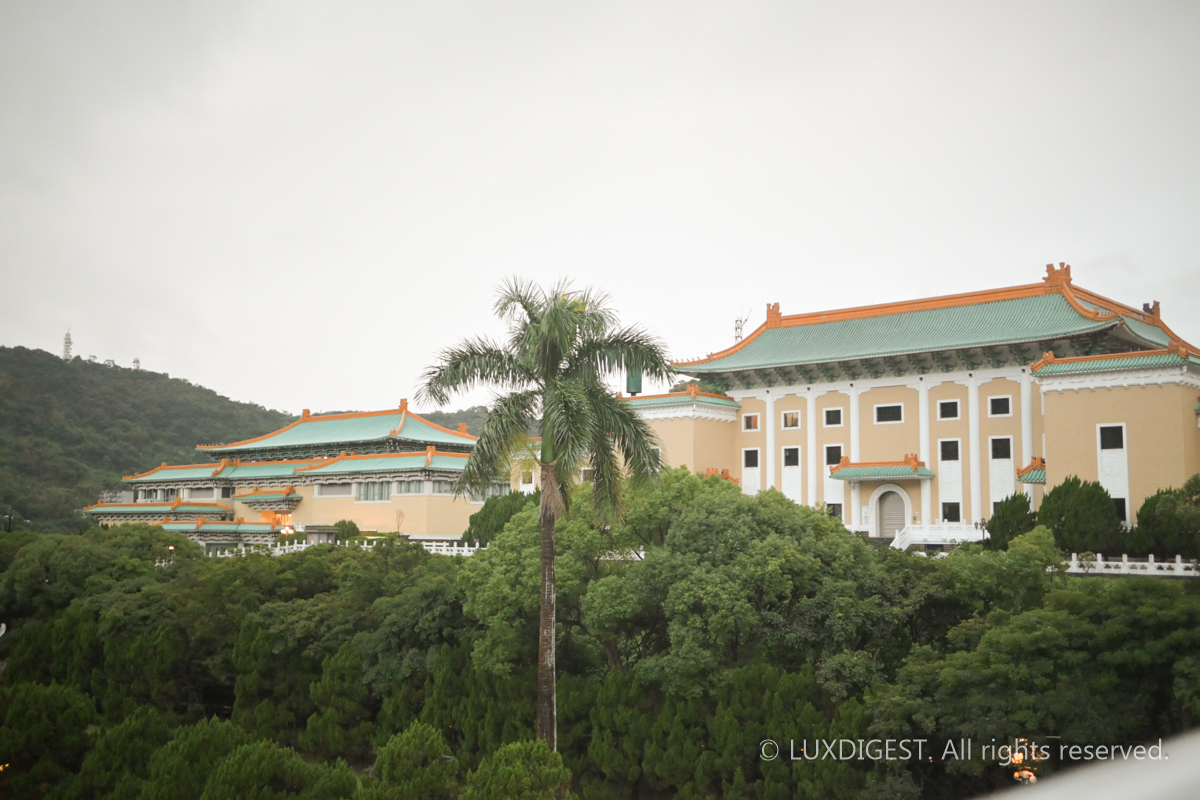
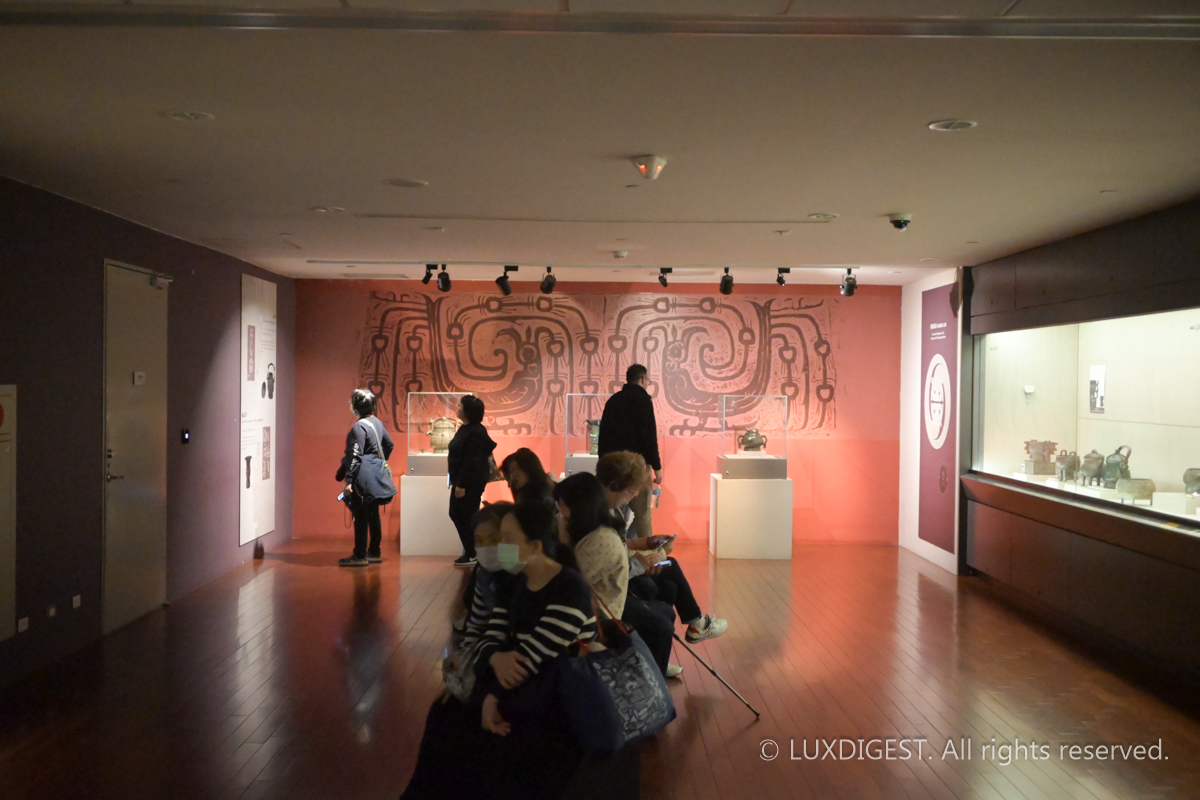
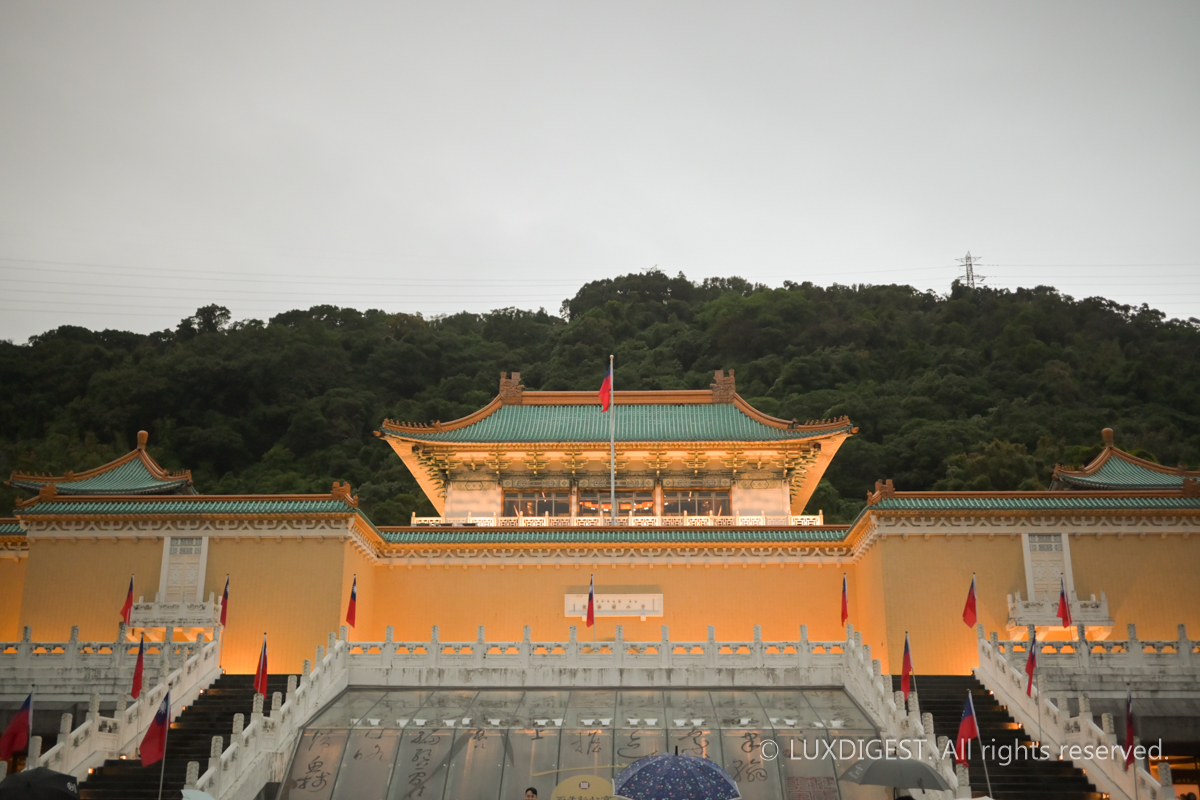
Located in Taipei’s Zhongshan District, the museum features a distinctive architectural style that blends Western and traditional Chinese influences. The main building, in particular, incorporates numerous classical design elements, creating an unmistakable sense of Chinese heritage. Inside, the museum is divided into galleries organized around different themes, helping visitors gain a broad understanding of Taiwan’s culture and history.
Taiwan’s National Museum is an iconic cultural landmark
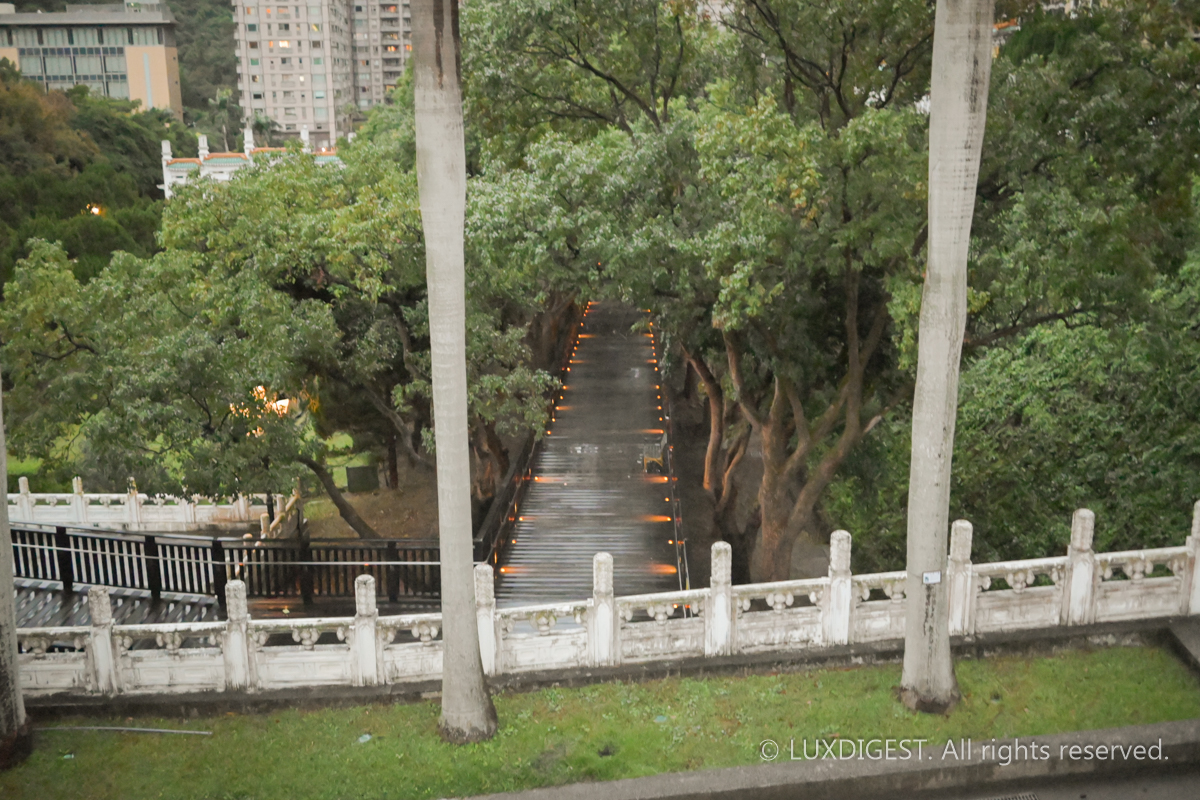

The Museum’s Major Collections
The museum is said to hold more than 698,000 to 700,000 artifacts and works of art.
With a collection too large to display all at once, the objects are presented in rotating, themed sections.
It is remarkable to think that Chiang Kai-shek continued moving the artifacts to Taiwan when he fled the mainland after losing the war against the Chinese Communist Party.
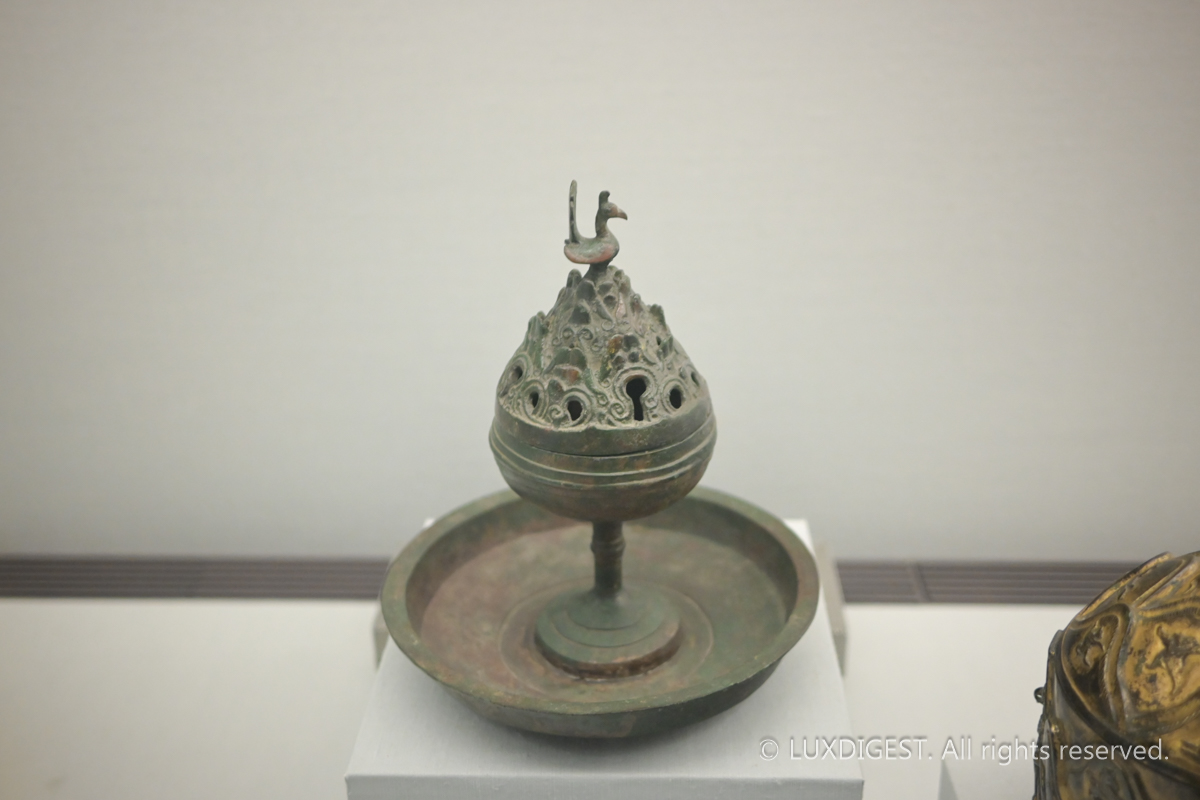
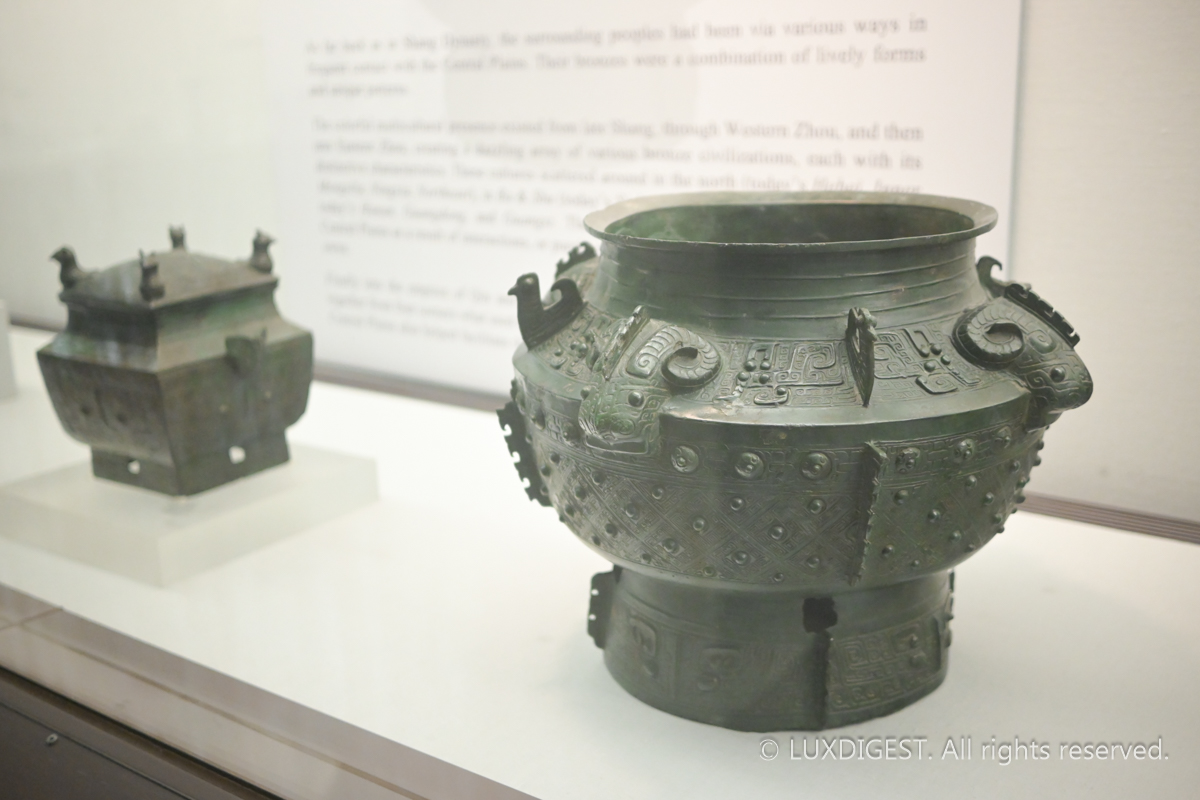
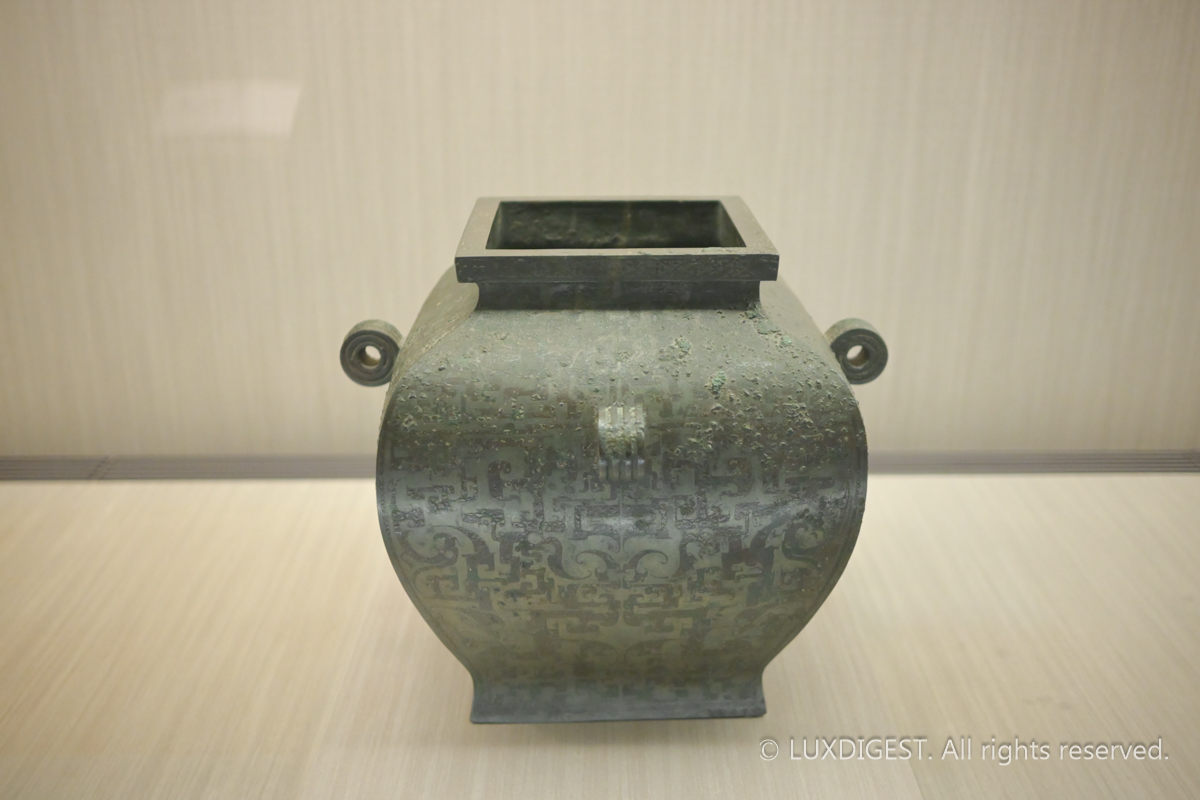
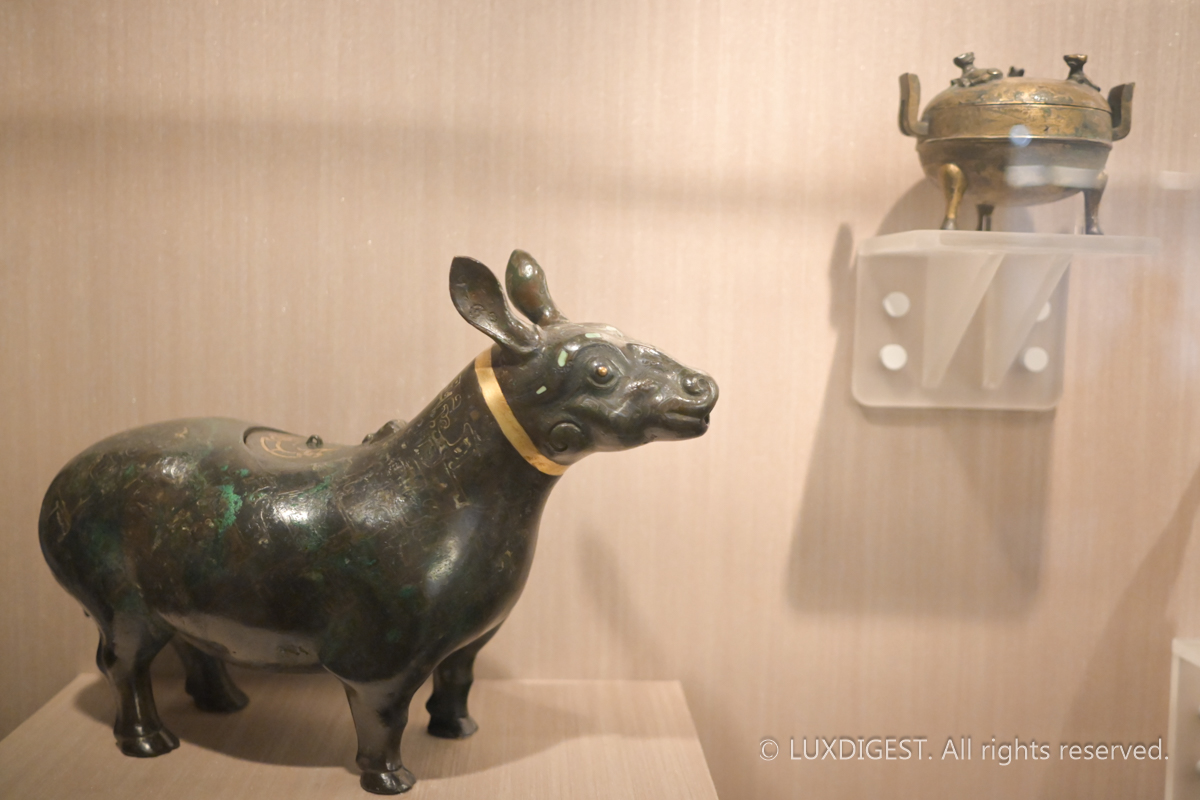
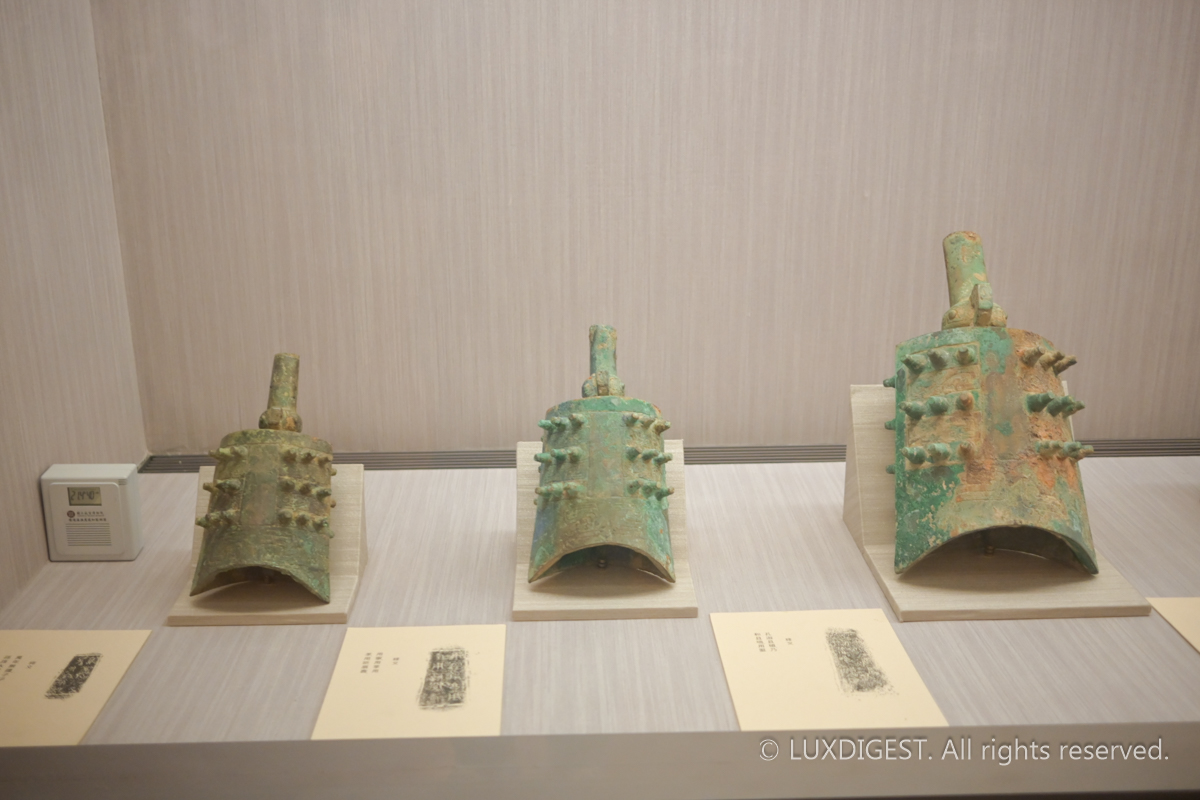
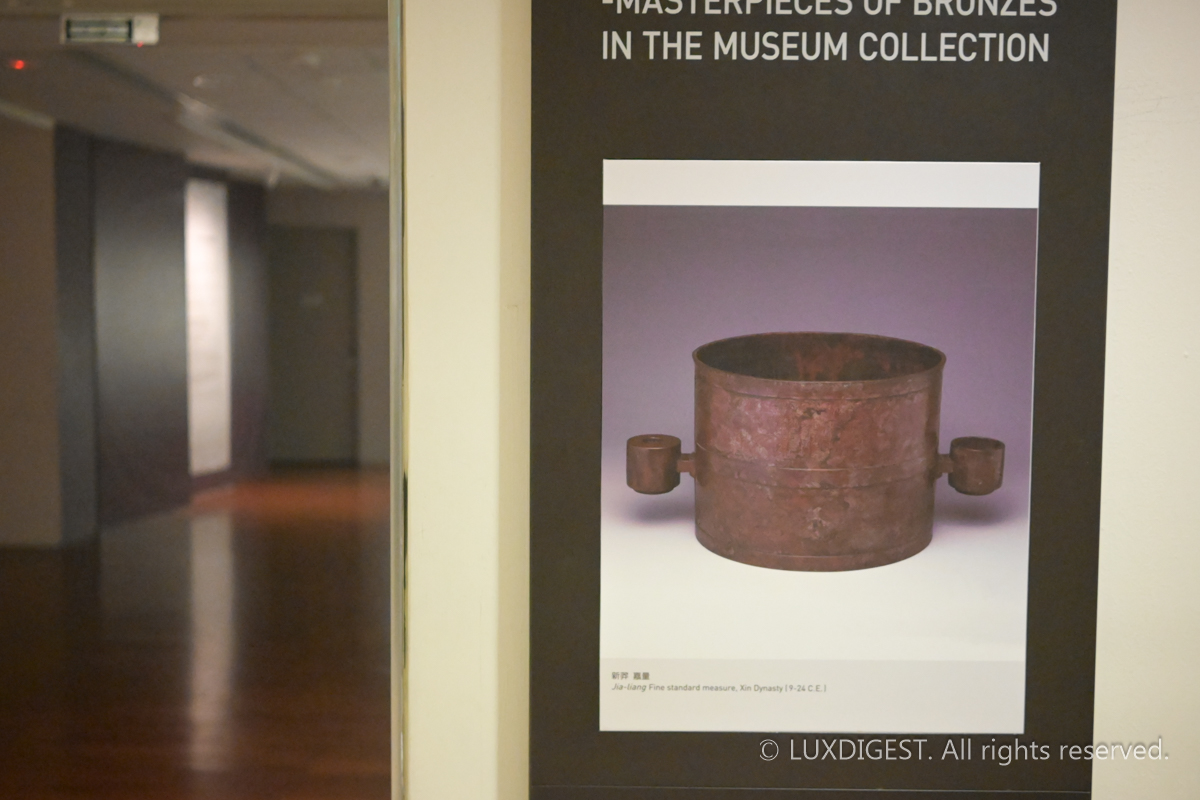
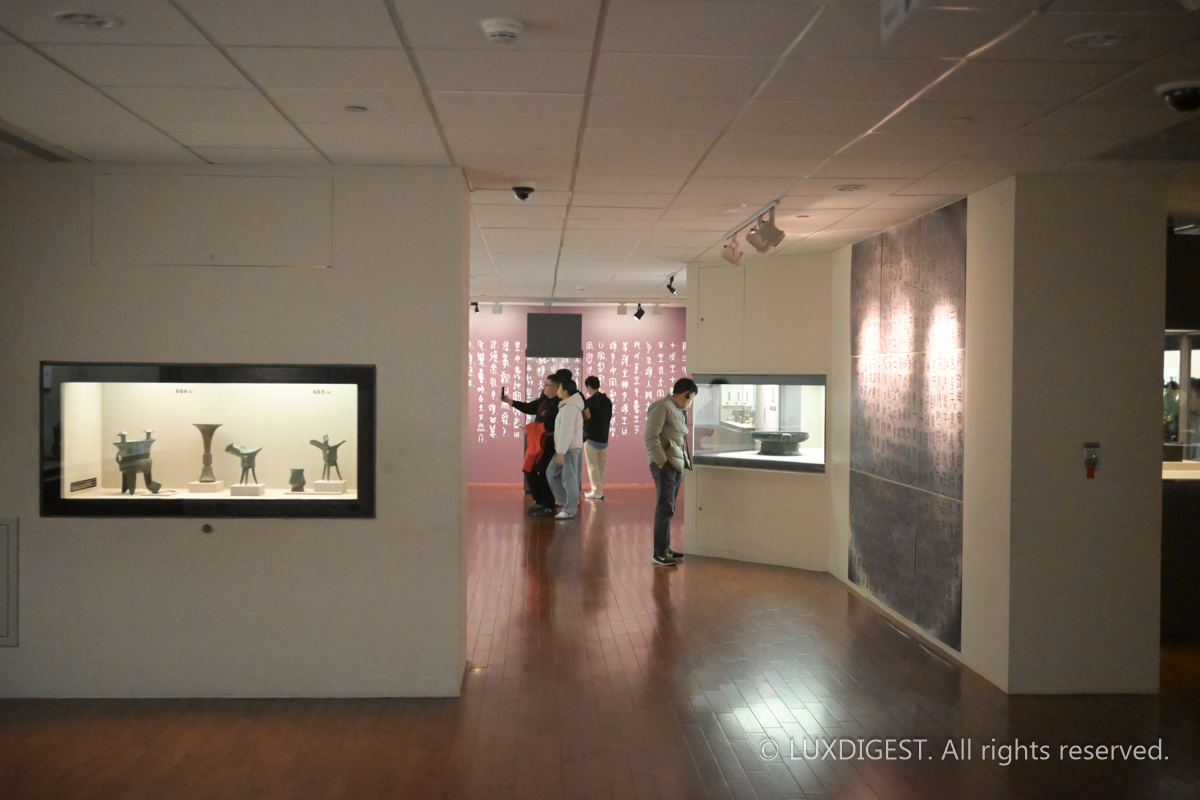
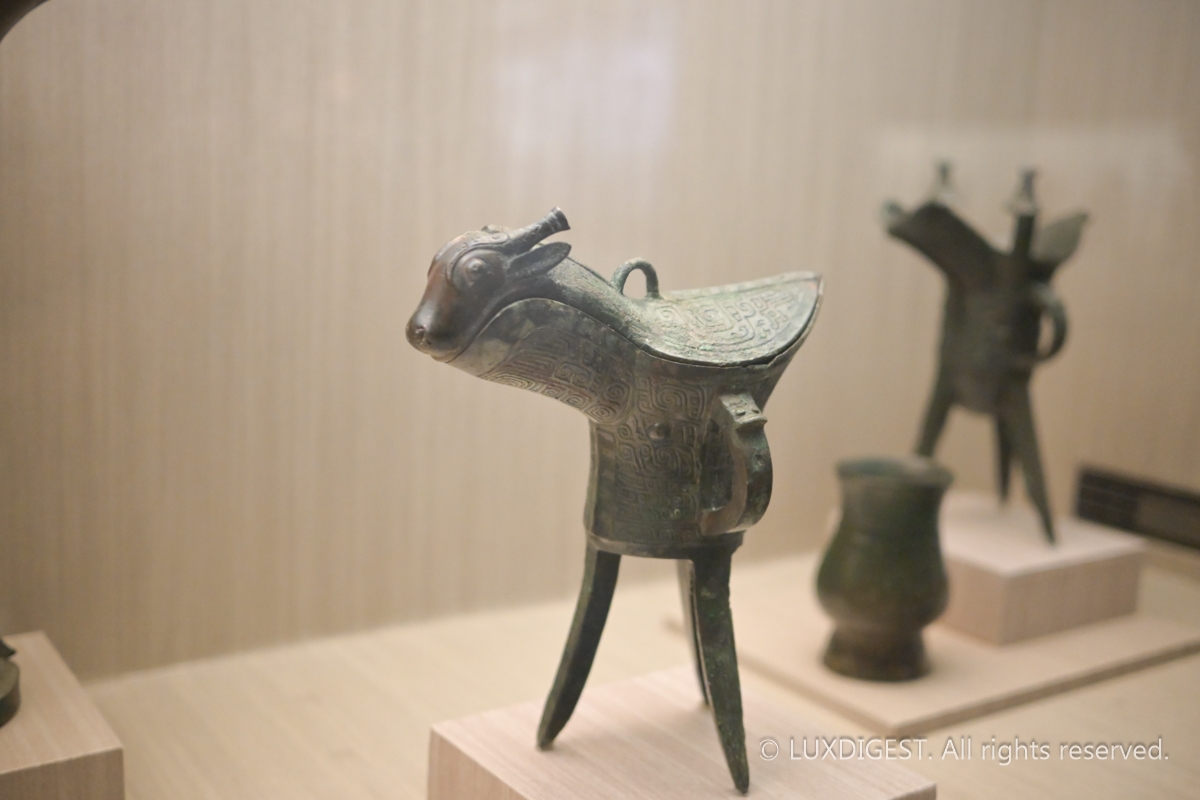
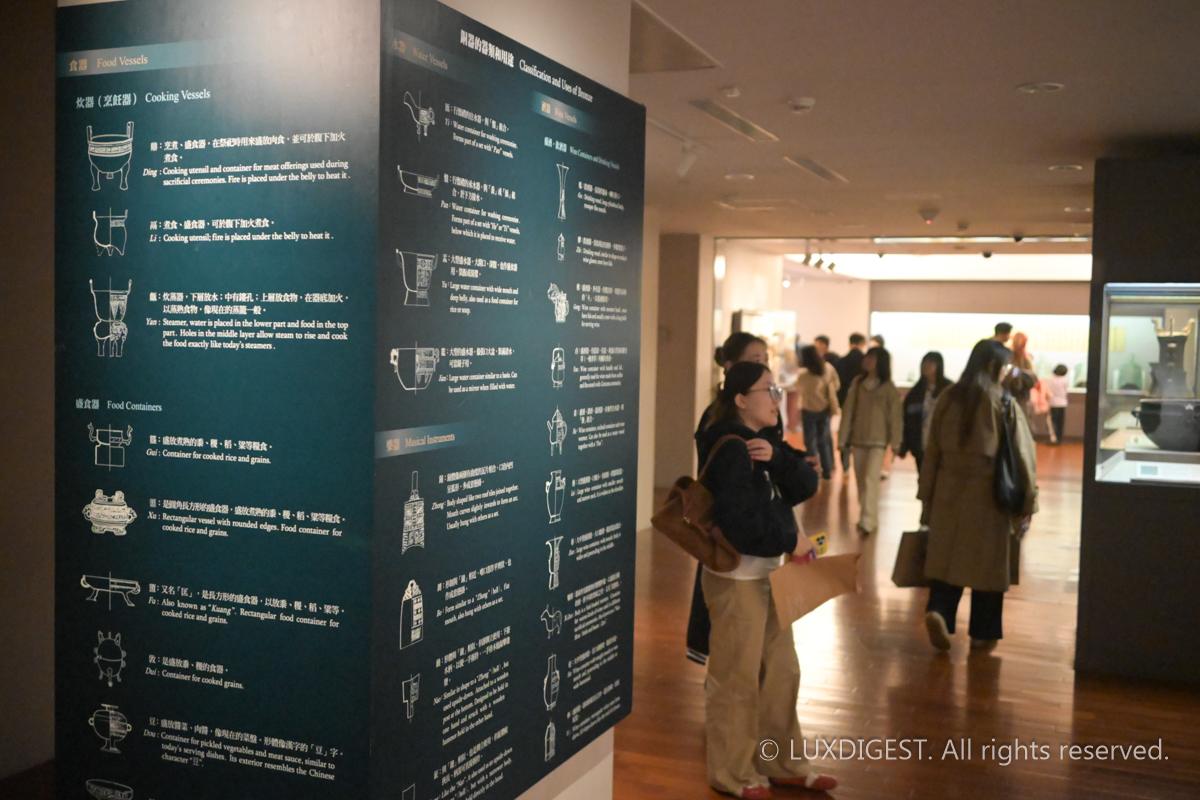
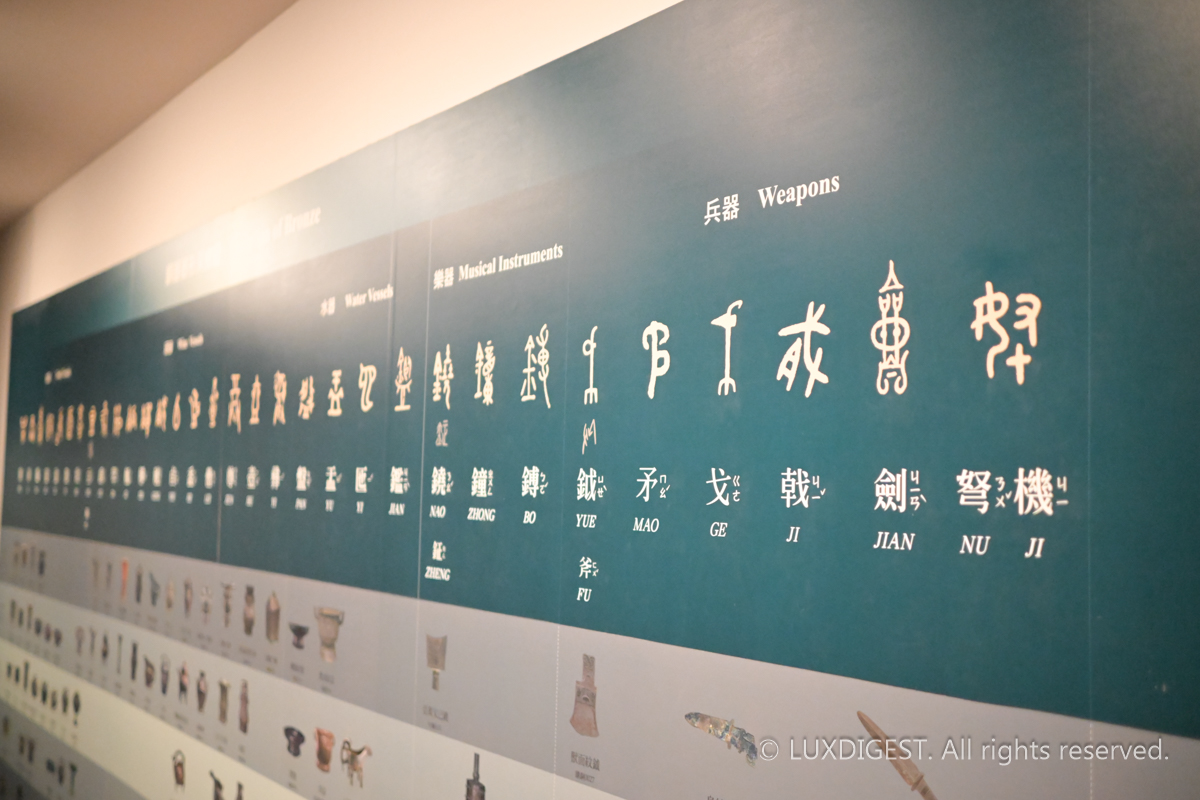
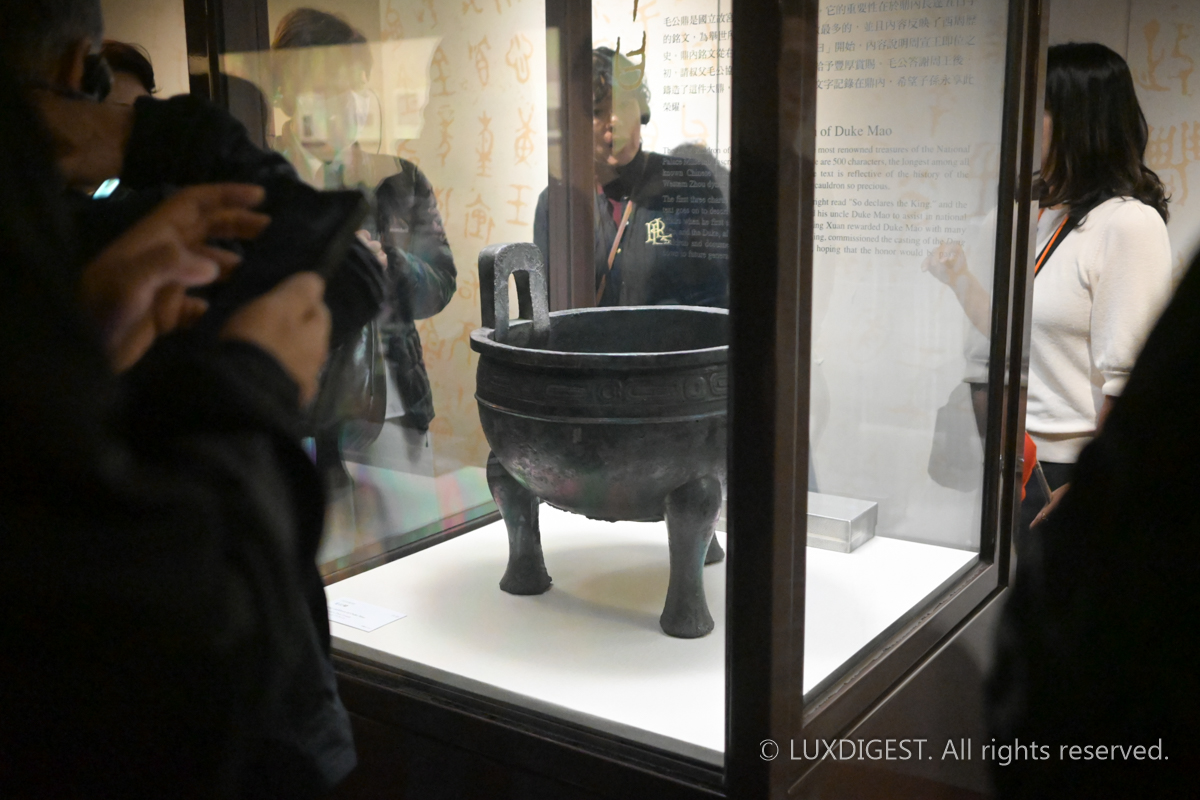
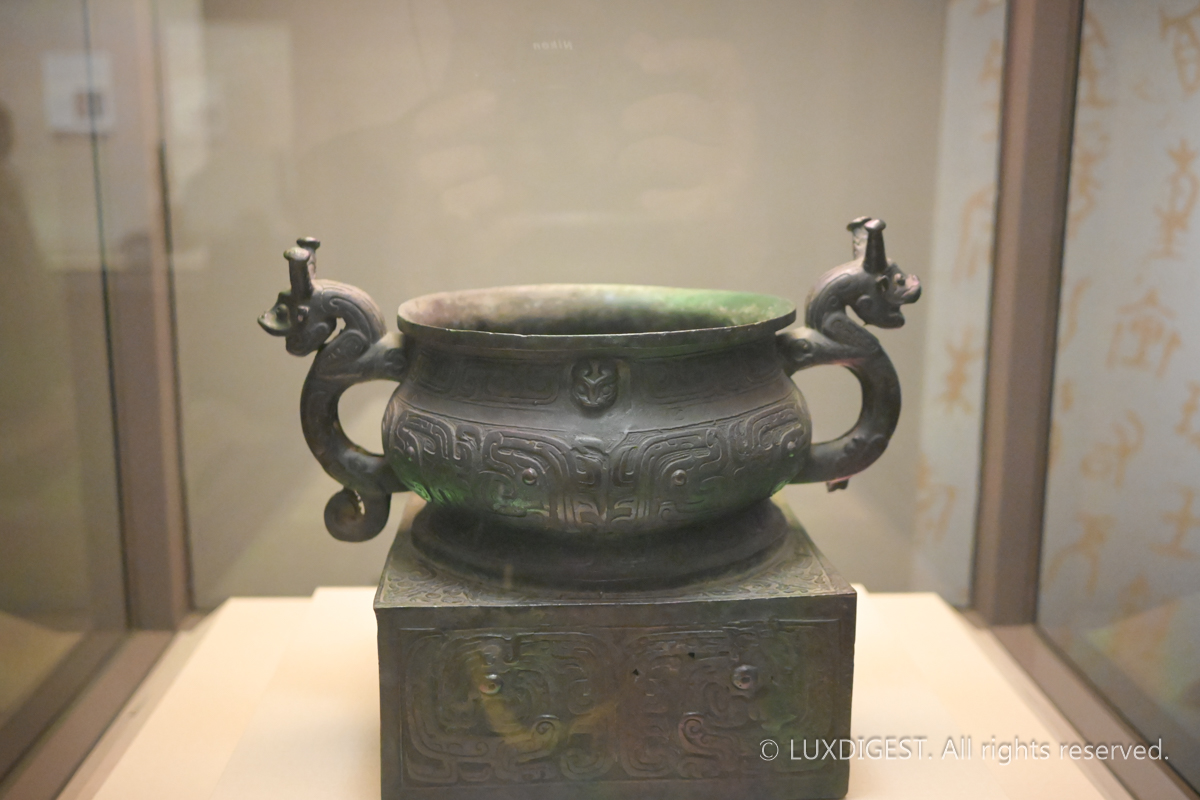
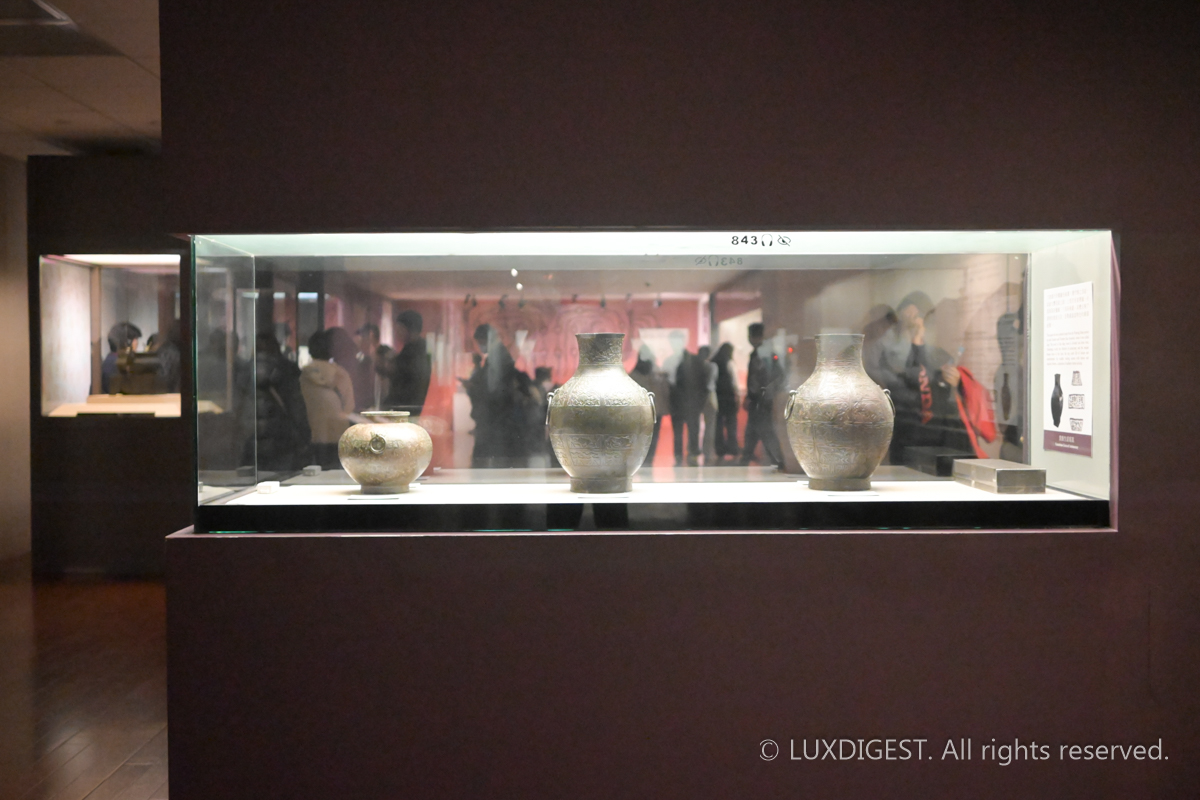
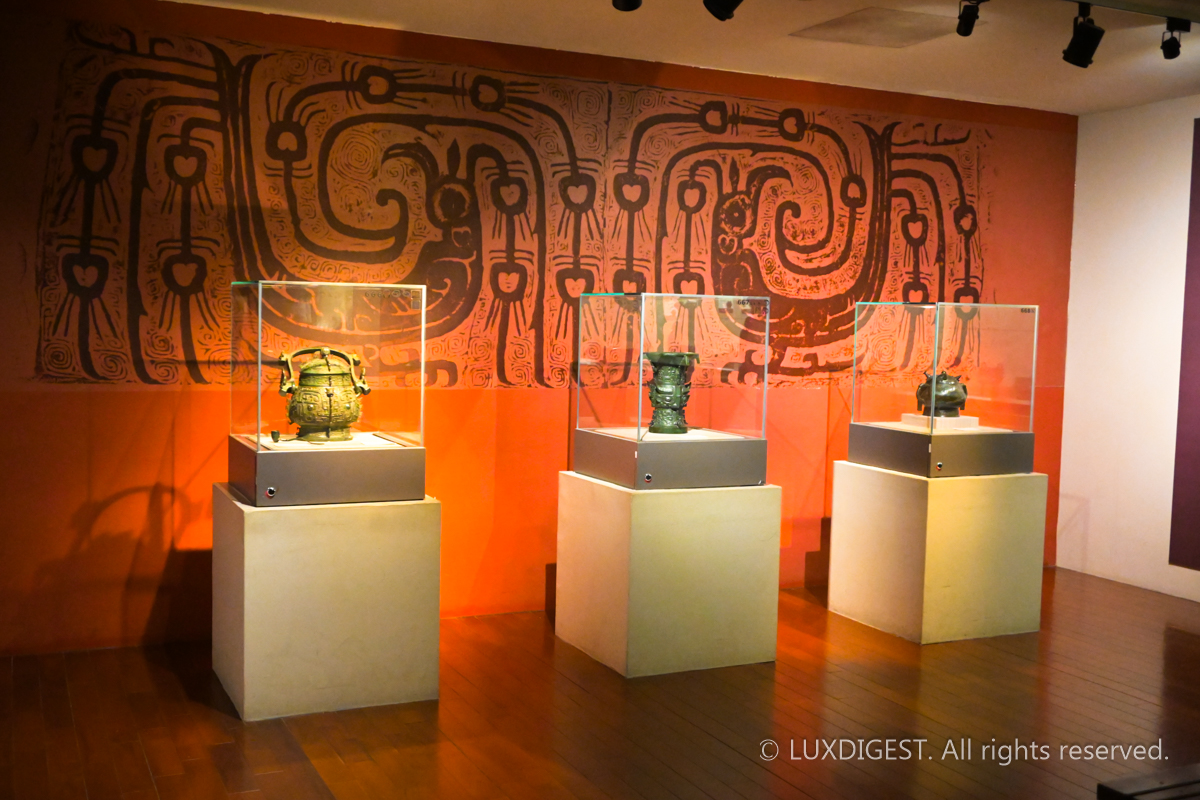
The ancient artifacts section presents an array of objects excavated from ancient civilizations in Taiwan and across Asia. Bronze Age artifacts are especially prominent, with some dating back several thousand years. Visitors can gain insight into daily life in ancient societies, while detailed explanations provide context for the historical significance of each object.
The art galleries bring together Taiwan’s modern art and traditional artistic traditions. Alongside works by renowned Taiwanese artists, the section also features masterpieces from other parts of East Asia. Paintings, sculptures and multimedia installations capture visitors’ attention, while background information on each work encourages a deeper appreciation of the art.
Finally, the natural history galleries offer a look at Taiwan’s distinctive ecosystems. Exhibits feature a wide range of plants and animals, with particular attention given to species native to Taiwan. The galleries also highlight the importance of protecting and preserving the island’s natural world.
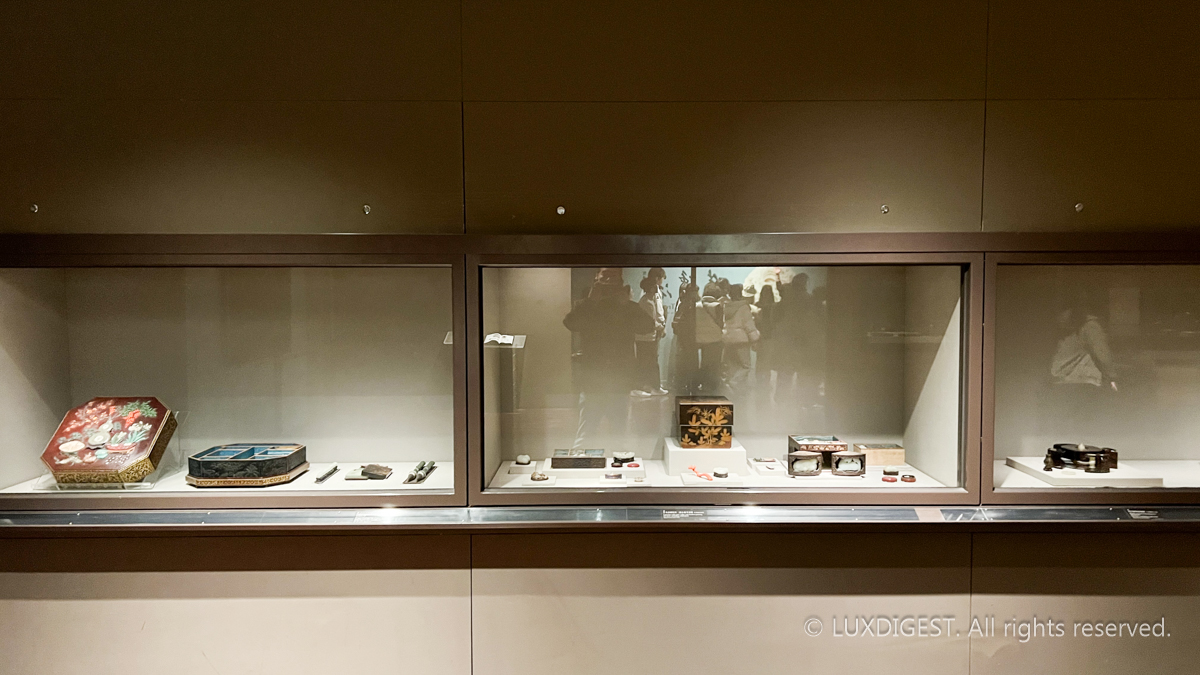
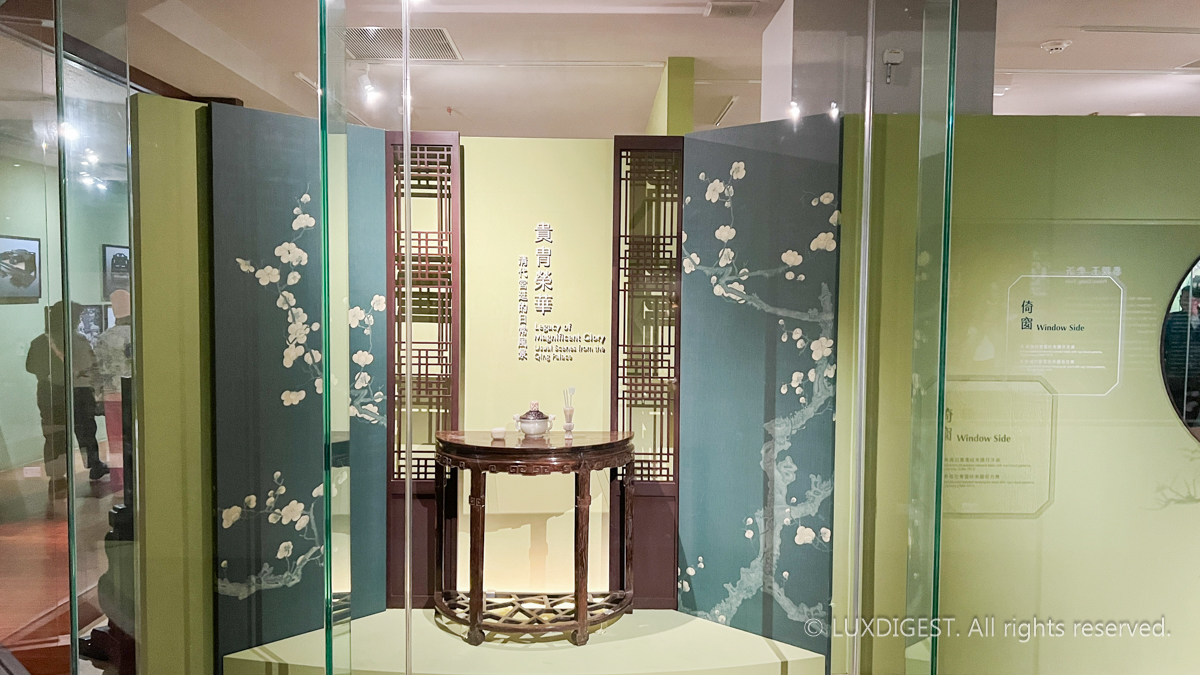
Special Exhibitions and Events
Taiwan’s National Museum regularly hosts special events, giving visitors the chance to engage with the country’s culture in greater depth. These varied programs showcase Taiwan’s cultural diversity and can make a visit to the museum’s collections even more rewarding.
How Much Does Admission Cost?
The museum is open daily from 9 a.m. to 5 p.m. and is closed every Monday. Planning your visit around these hours will make for a smoother experience.
Admission is NT$300 for adults. Discounts are available for young people, seniors and groups. Young people and seniors receive 50 percent off, while groups of 10 or more receive an additional 20 percent discount per person. The museum also offers free admission on the last Wednesday of every month, making that a good opportunity to visit.
Online reservations allow visitors to select their preferred time and group size. Advance reservations are required for group visits, and groups of up to 100 people can be accommodated. In other words, visitor numbers are limited—which is why booking ahead is essential.
Food and drinks are not permitted inside the museum, and visitors are asked not to use flash photography. These rules help protect the collections and ensure a pleasant environment for everyone.
Notable Architecture
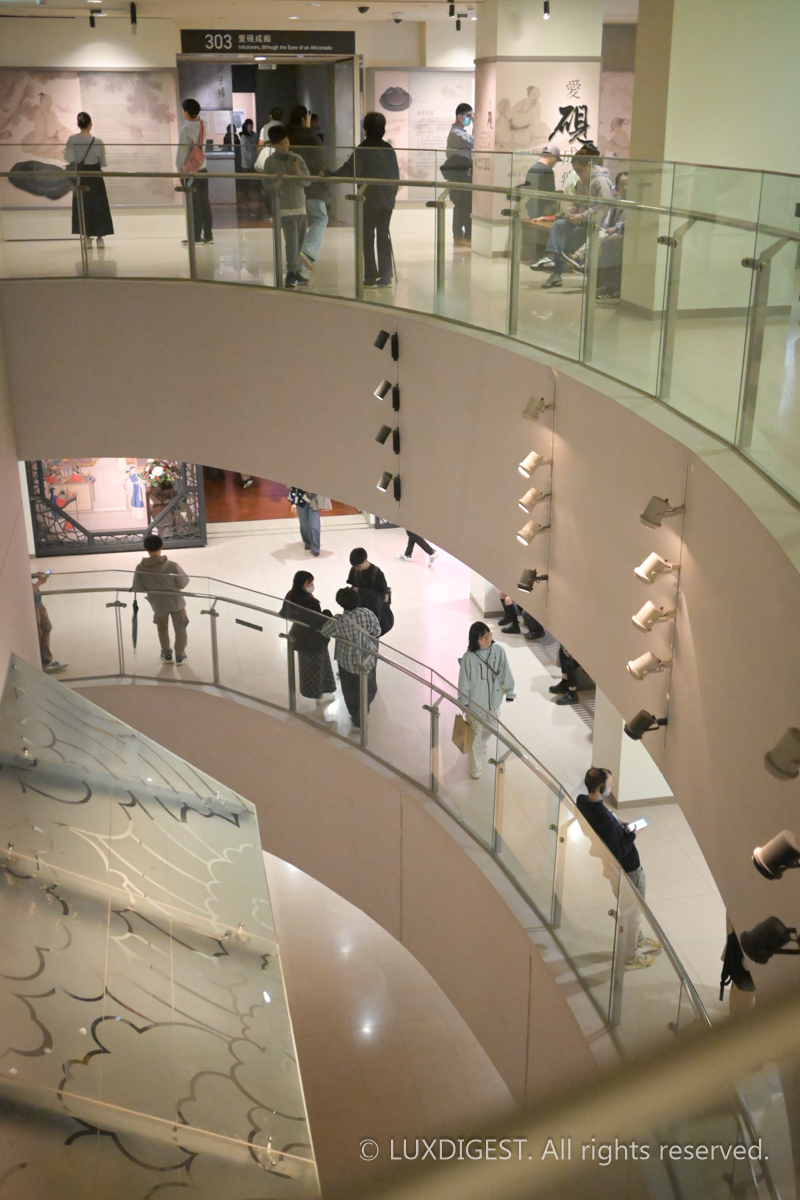
Taiwan’s National Museum has plenty to captivate visitors with its distinctive architecture alone. The building combines classical elements with modern design, creating an appealing visual experience.
Its exterior features rich colors and forms that blend with the surrounding landscape, reflecting Taiwan’s culture and traditions.
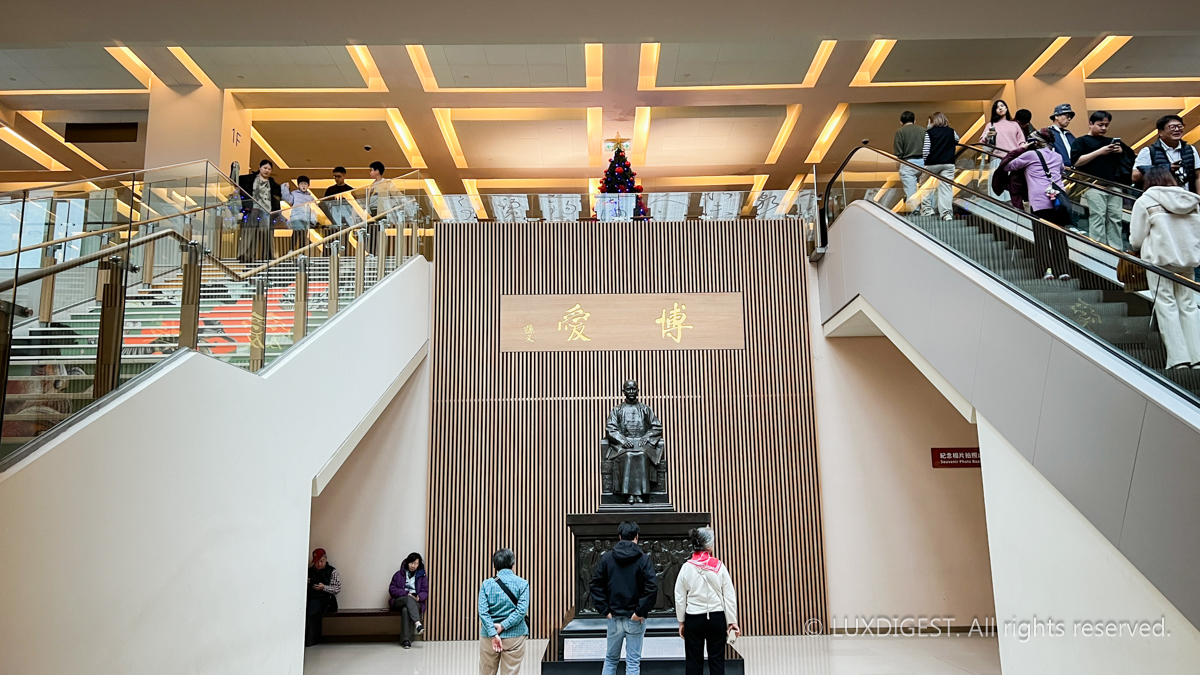
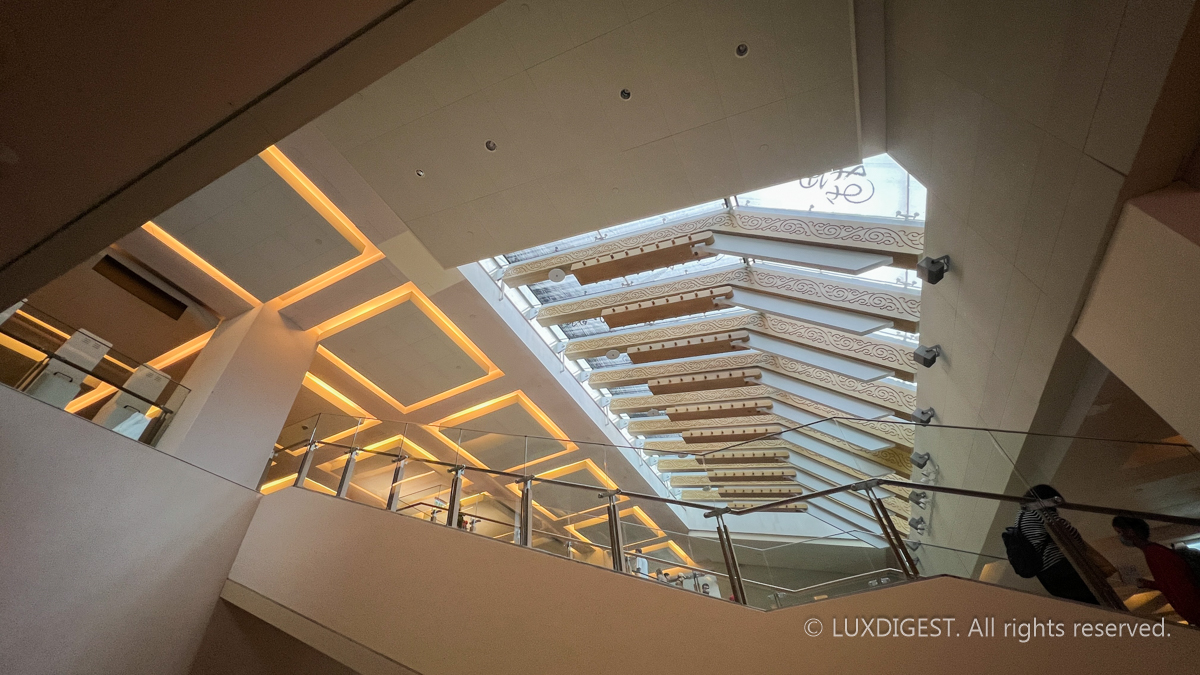
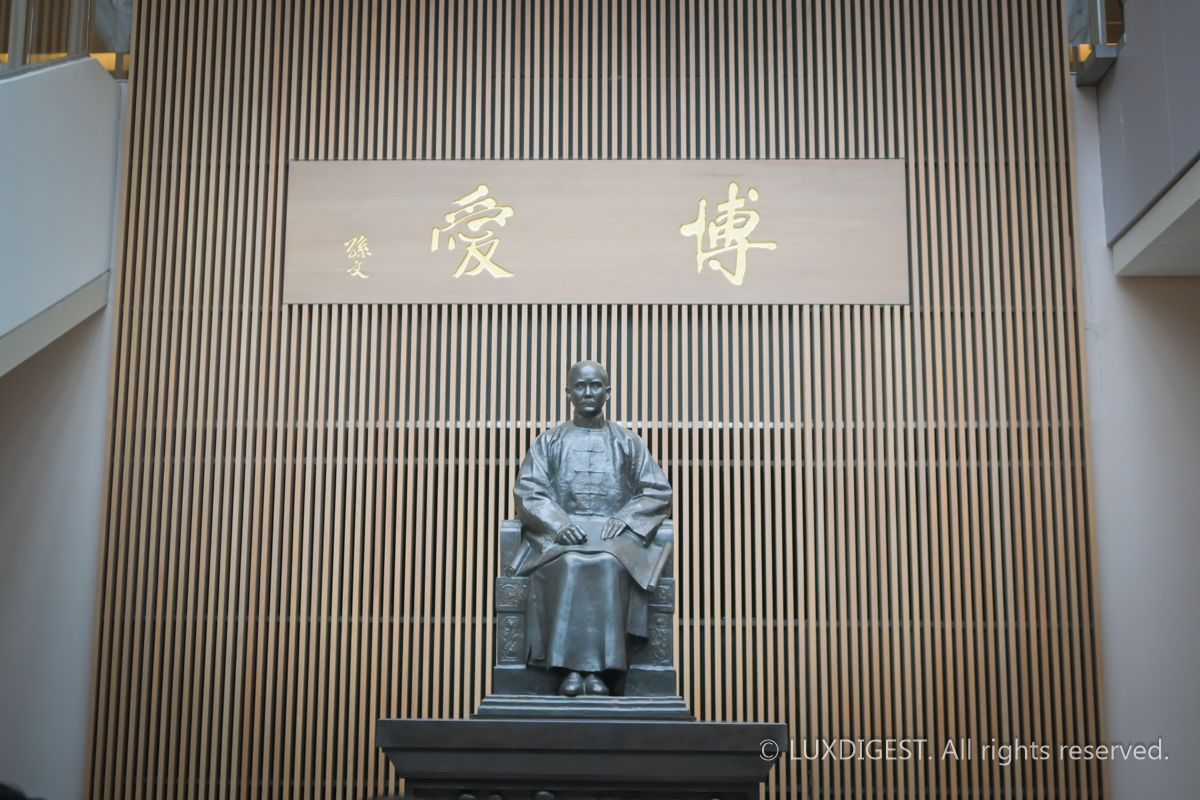
Inside, the spacious rooms and high ceilings create an open, airy atmosphere, while a variety of sculptures and artworks are arranged throughout the building.
This thoughtful layout offers visitors more than simply a chance to view the exhibits—it creates an experience in its own right.
The central hall is particularly famous for its grand architecture and could almost be considered a work of art itself. Special exhibitions and events are often held here, drawing visitors from across the museum.
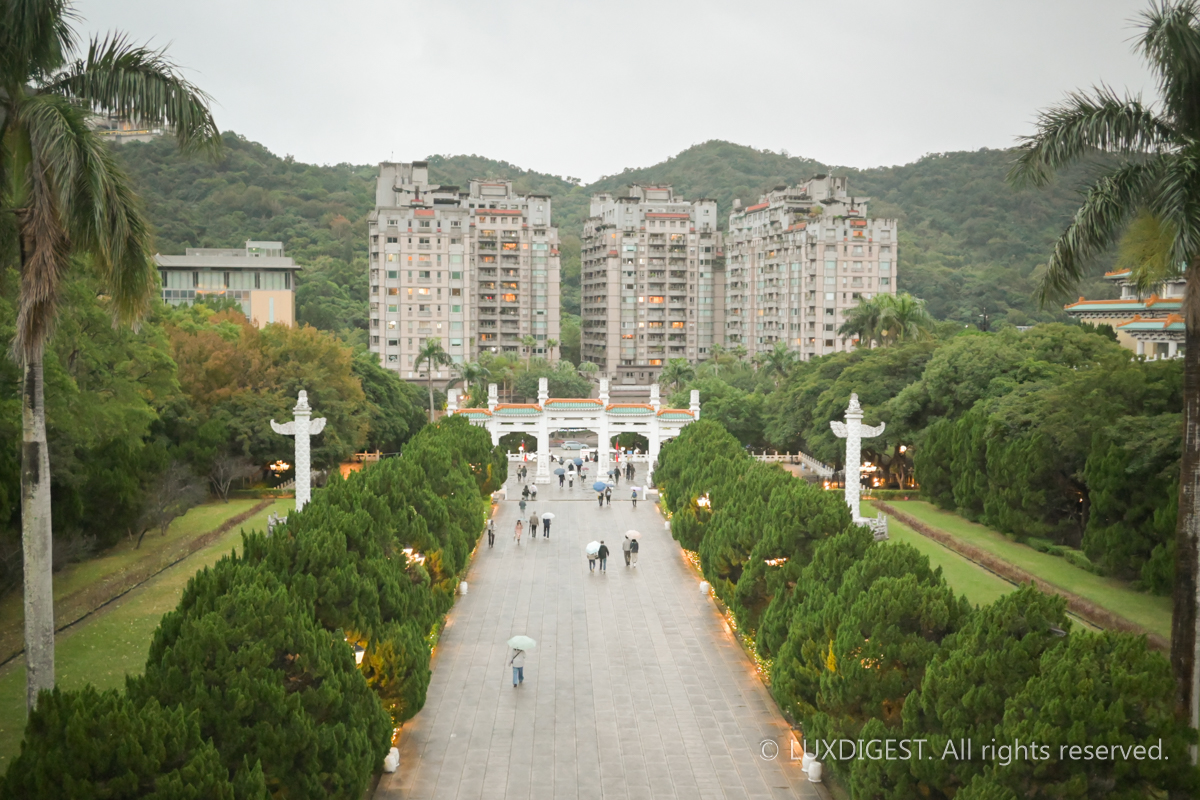
The landscaping around the museum is also worth noting. Green lawns and a variety of plants come together in a peaceful setting, making the grounds a pleasant place to rest after exploring the galleries.
The museum’s architecture tells many stories of its own and forms a beautiful space that visitors should make a point of exploring.
These architectural qualities transform Taiwan’s National Museum from a simple exhibition venue into a cultural landmark.
Key Highlights at the National Palace Museum
Openwork Ivory Sphere
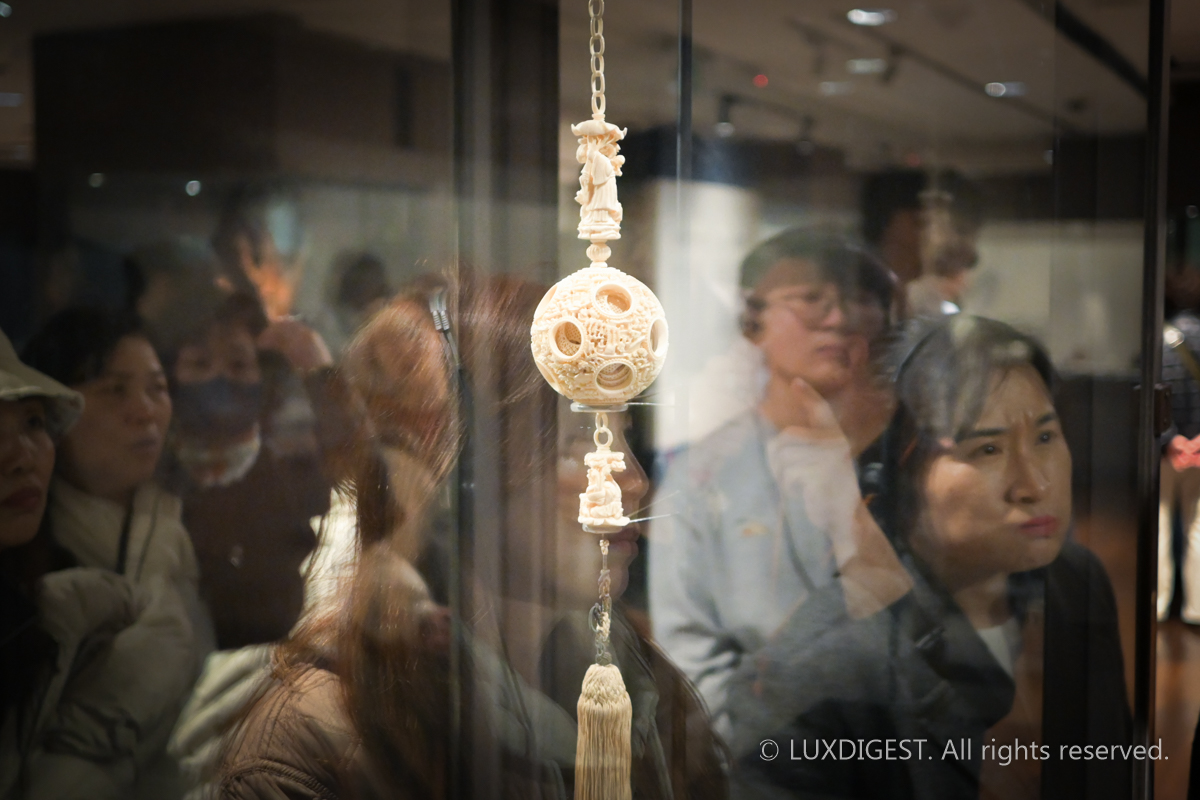
The first photograph shows a spherical ivory sculpture suspended in the center of a glass display case.
Material: Ivory
Technique: Openwork carving
Feature: A single block of ivory was carved into multiple nested spheres. The 17 inner spheres are said to move independently.
Each sphere interlocks with the others without coming apart. It is said to have taken three generations to complete—a truly extraordinary achievement. No wonder visitors look so amazed.
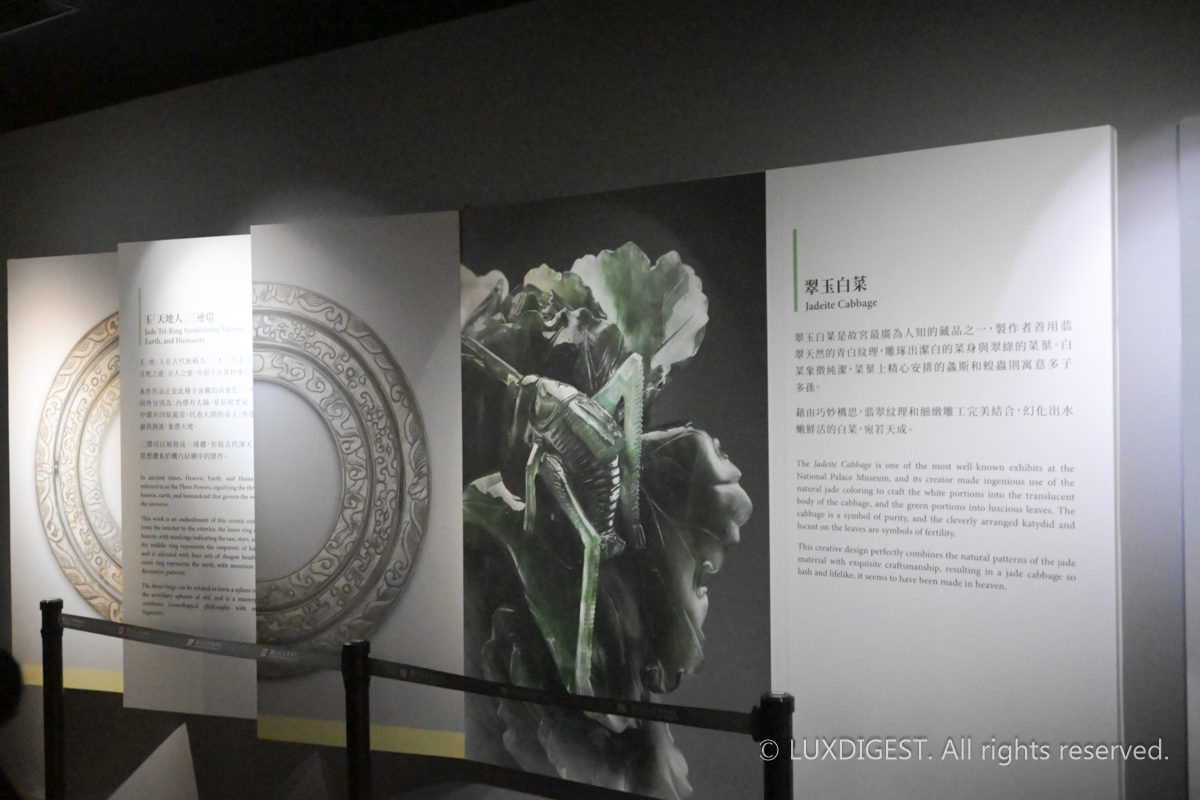
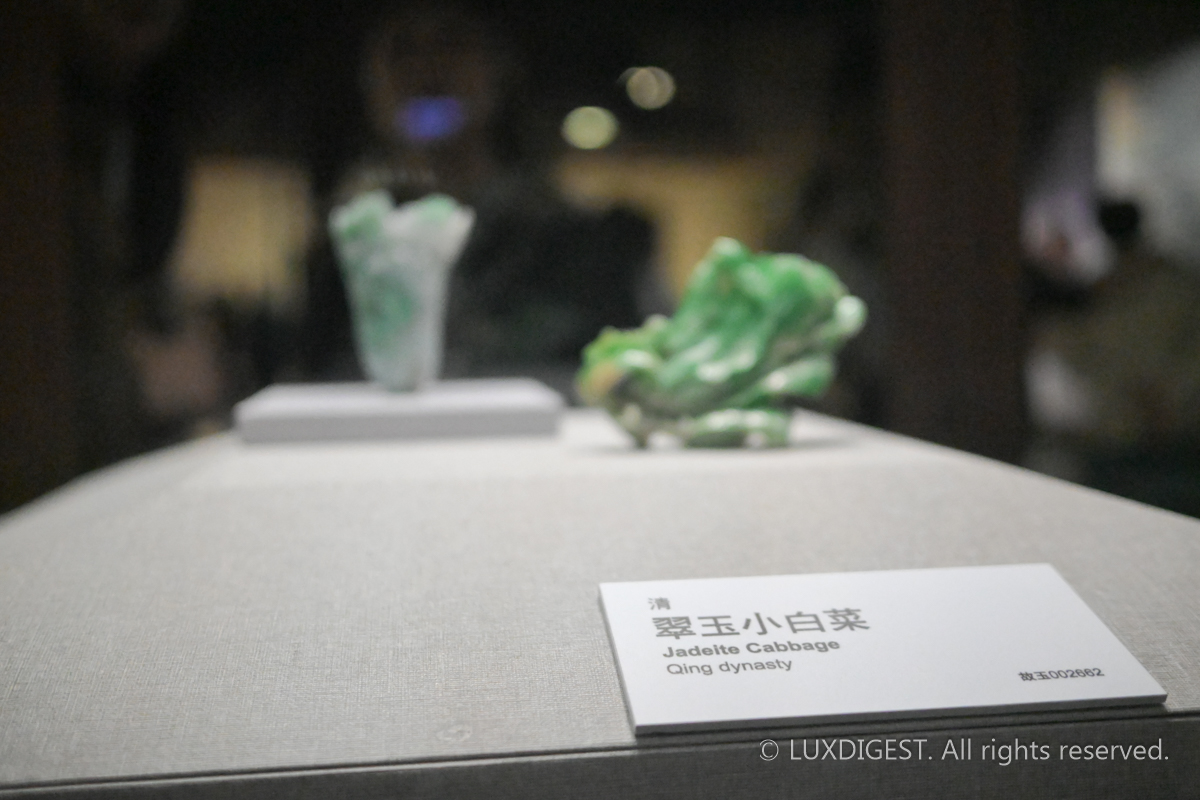
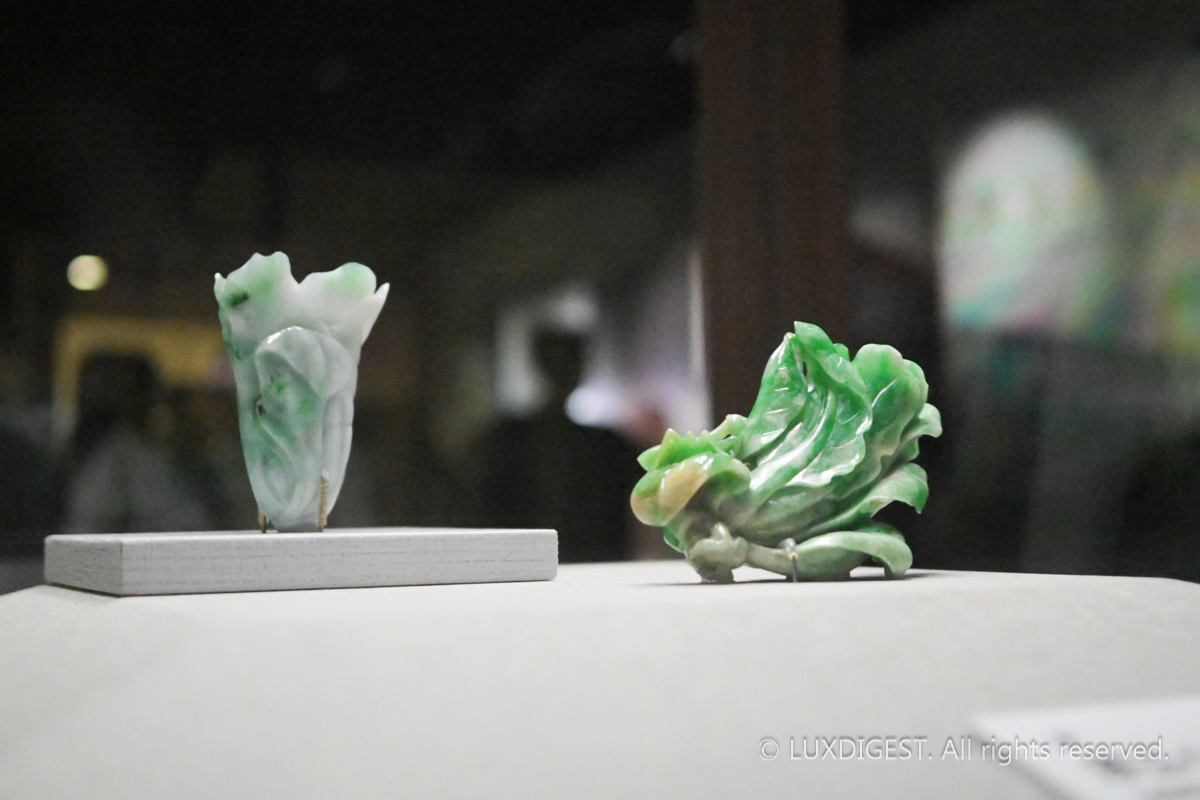
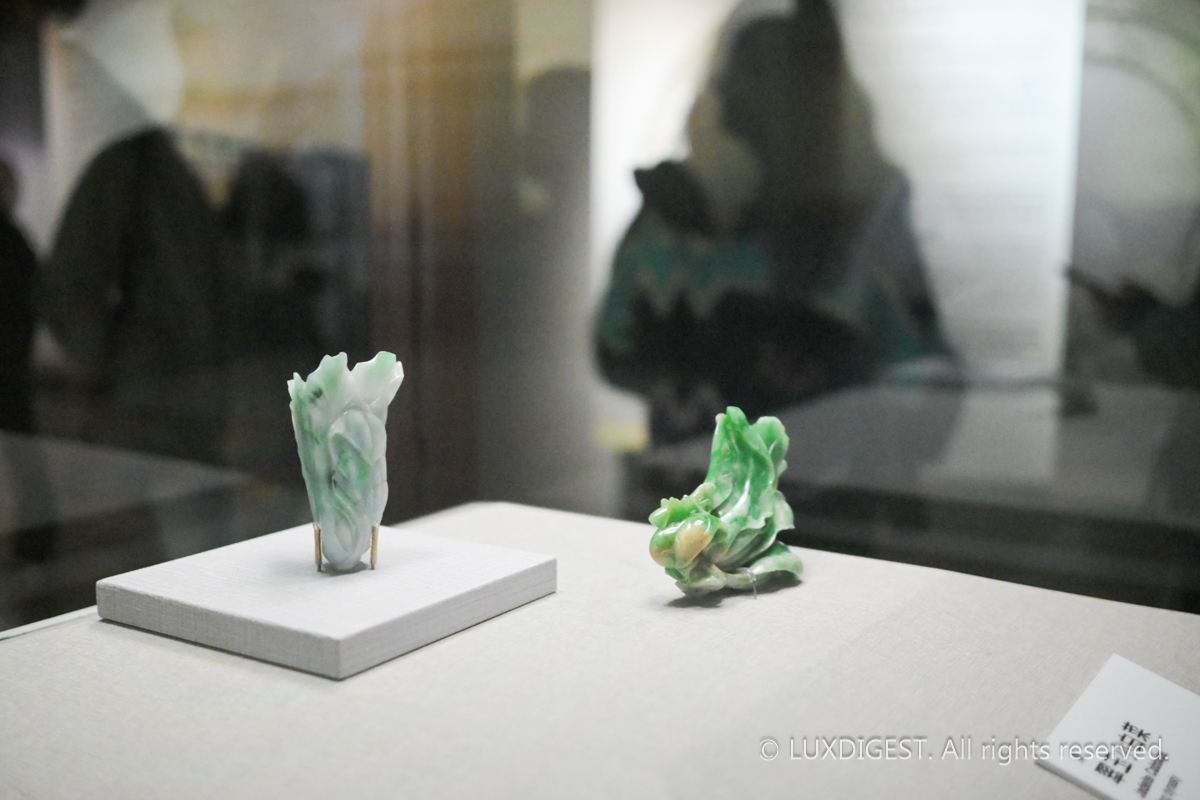
Jadeite Cabbage (翠玉白菜, Jadeite Cabbage)
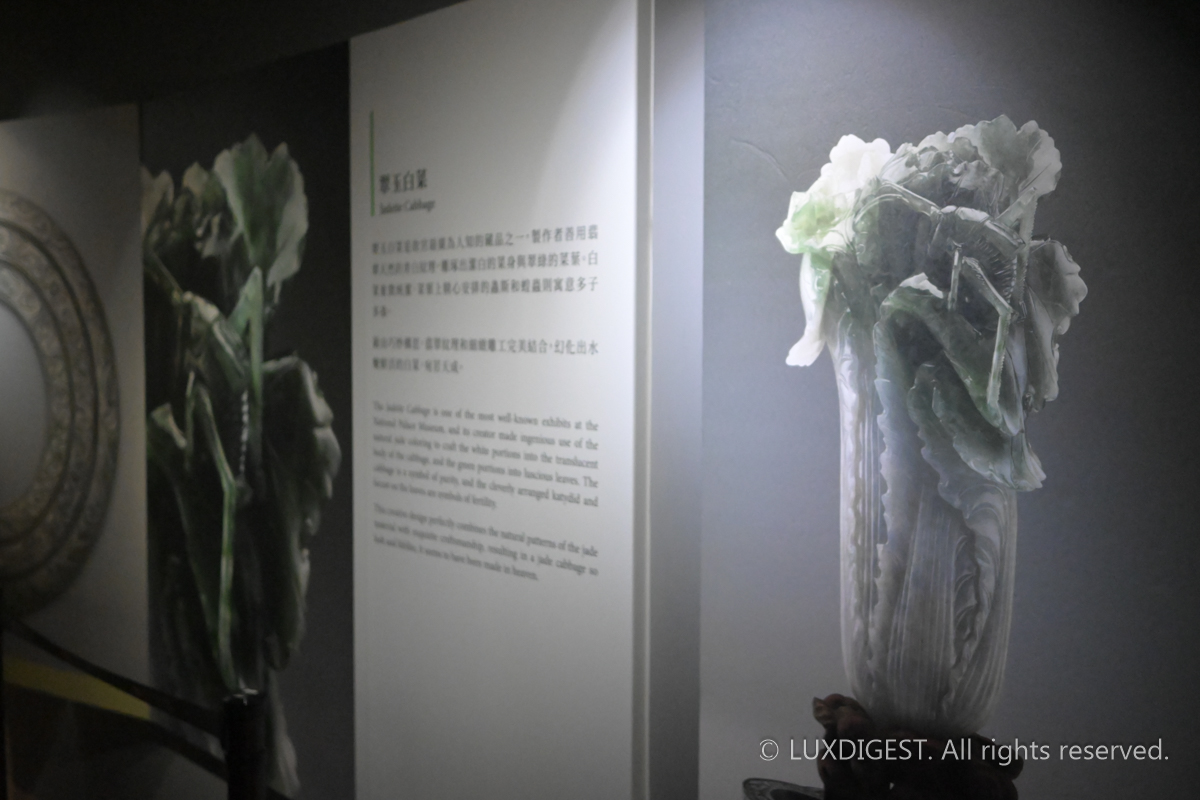
The centerpiece of the second photograph is
the unmistakable icon of Taiwan’s National Palace Museum.
Material: Jadeite
Form: Cabbage
Period: Qing dynasty
Highlight: The jade’s natural variations in color were incorporated into the cabbage’s veins, and the piece was carved by repeatedly rubbing it with thread.
A replica was on display when we visited, while the original was reportedly on loan for an exhibition in the United Kingdom. These two pieces are the museum’s star attractions and draw visitors’ attention from around the world.
There are countless other remarkable objects, far too many to introduce one by one.
The best approach is to visit in person and take the time to explore the pieces that catch your eye.
Suggested Routes and Itineraries
The first stop should be the ancient artifacts galleries. This area is essential for understanding Taiwan’s history and culture.
The sculptures and ceramics are particularly noteworthy.
Afterward, head to the Chinese traditional art galleries to admire ancient paintings and calligraphy. Together, these two sections convey the depth of Taiwan’s cultural heritage.
Next, visit the natural history galleries, which present Taiwan’s ecosystems and diverse plant and animal life.
In particular, the hands-on area devoted to flower tea, a Taiwanese specialty, is a highlight not to be missed.
Finish your visit by exploring the modern art galleries for a glimpse of Taiwan’s contemporary artistic scene.
Although this route is organized by gallery area, it can easily be adjusted according to your interests.
Don’t forget to take regular breaks in the museum’s rest areas as you continue your visit.
Check the highlights for each gallery so you do not miss anything. With exhibits covering such a wide range of subjects, there is an interesting discovery waiting in every direction.
Attractions Near the National Palace Museum
Our first recommendation is the Taiwan National Gallery. It exhibits contemporary artworks and offers insight into the development of Taiwan’s cultural and artistic scene.
The gallery regularly hosts special exhibitions, so it is best to check the schedule before visiting.
Also nearby is Shizhaofei Park, another destination worth visiting.
The park is a relaxing place to enjoy Taiwan’s natural scenery, with attractive landscaping and walking paths arranged in harmony.
Visiting early in the morning or later in the afternoon is especially pleasant, when the air is cooler and fresher.
Finally, we recommend Shilin Night Market, one of Taiwan’s best-known traditional markets and a popular tourist attraction.
After visiting the museum, stopping by the nearby night market to sample local specialties and street food makes for an exciting bonus during any trip to Taiwan.
With its abundance of food and souvenirs, the market offers a special opportunity to experience Taiwan’s vibrant culture firsthand.
Visitor Impressions and Tips
Taiwan’s National Palace Museum is a popular destination and has received positive reviews from many visitors.
As mentioned above, the museum limits simultaneous admission to 100 people. For that reason, entering without an advance reservation can be difficult.
It is also more convenient to visit on a weekday rather than on a weekend or public holiday, particularly when it comes to navigating the galleries.
Photography is permitted, but flash photography is prohibited. Flash can damage artifacts through chemical reactions.
https://nonilda.luxdigest.com/todai-ji-temple-why-did-emperor-shomu-have-to-build-it-so-grandly/
Exploring Jiufen, Taiwan: The Real-Life Inspiration Behind Spirited Away