
Five Reasons Olive Oil Is Good for You — The Evidence Behind the Mediterranean Table

People in Mediterranean countries such as Greece, Italy and Spain do not necessarily eat less fat.
In fact, a significant share of their daily calories comes from fat. Yet rates of cardiovascular disease and blood cholesterol levels are lower than in other Western countries.
For decades, the key to explaining this apparent paradox has been olive oil. From a medical analyst’s perspective, olive oil’s reputation is not based on a vague health halo. It is supported by decades of clinical research and evidence from molecular biology.
Here are five evidence-based reasons olive oil is considered beneficial, along with practical advice on how to choose and cook with it to get the most from its potential benefits.
1. Improving cholesterol levels to protect cardiovascular health
What are the benefits?
Olive oil is rich in oleic acid, one of the best-known monounsaturated fatty acids.
Large-scale studies have found that a 5 percent increase in monounsaturated fat intake was associated with an approximately 20 percent reduction in the risk of coronary heart disease. Following a Mediterranean-style diet was linked to a reduction of about 40 percent.
A recent analysis by a European multinational research team pooled 17 clinical trials published between 2005 and 2025. Participants who consistently consumed 20 to 30 grams of extra-virgin olive oil a day—roughly one or two tablespoons—saw their systolic blood pressure fall by an average of 2.5 to 2.7 mmHg, while levels of LDL, the so-called bad cholesterol, fell by as much as 13.5 mU/mL.
Levels of HDL, or good cholesterol, rose slightly, while high-sensitivity CRP, a marker of inflammation, also declined.
The improvements were particularly pronounced among people already diagnosed with cardiovascular disease, high blood pressure or high cholesterol. The U.S. Food and Drug Administration (FDA) has also stated that consuming around 23 grams of olive oil a day may help reduce the risk of cardiovascular disease.
How can you include it in your diet?
Rather than replacing all the butter, margarine and conventional cooking oil you currently use with olive oil, one effective approach is to start with dishes that do not require heating, such as salad dressings and seasoned vegetable dishes.
Research also suggests that more is not necessarily better, so a realistic goal is to consume one or two tablespoons consistently each day.
2. Polyphenols provide anti-inflammatory and antioxidant effects
What are the benefits?
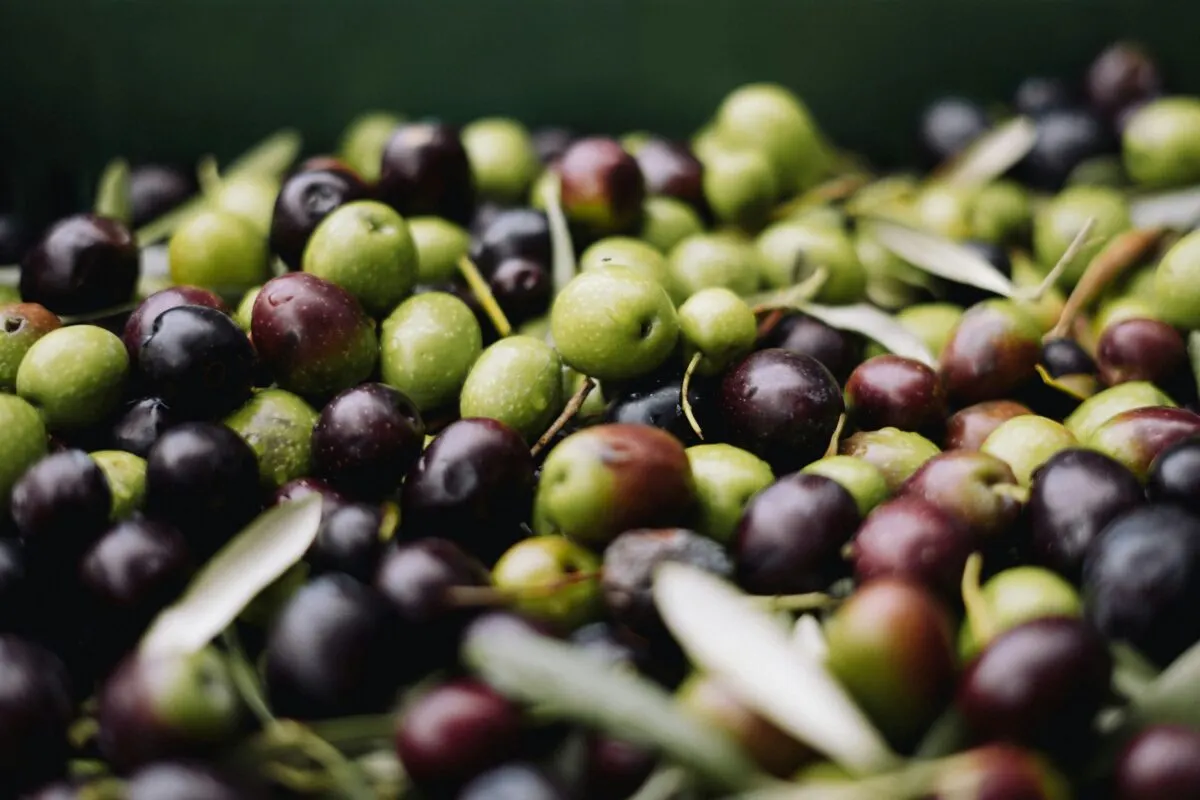
Olive oil—especially extra-virgin olive oil—is rich in antioxidant compounds called antioxidants and polyphenols. These compounds help limit cell damage caused by free radicals, prevent platelet aggregation, promote blood-vessel dilation and reduce inflammation.
One study found that a Mediterranean-style eating pattern including olive oil reduced the risk of peripheral artery disease by 64 percent.
Among the polyphenols in olive oil, polyphenols such as oleocanthal have attracted particular attention. According to a paper published in the international journal Molecular and Cellular Oncology in 2015, cancer cells exposed to oleocanthal from extra-virgin olive oil died within 30 minutes to an hour.
That is a remarkably rapid response, considering that natural cell death typically takes 16 to 24 hours.
How can you include it in your diet?
Polyphenols are relatively sensitive to heat. To preserve as much of their antioxidant potential as possible, it is preferable to consume cold-pressed extra-virgin olive oil without heating it.
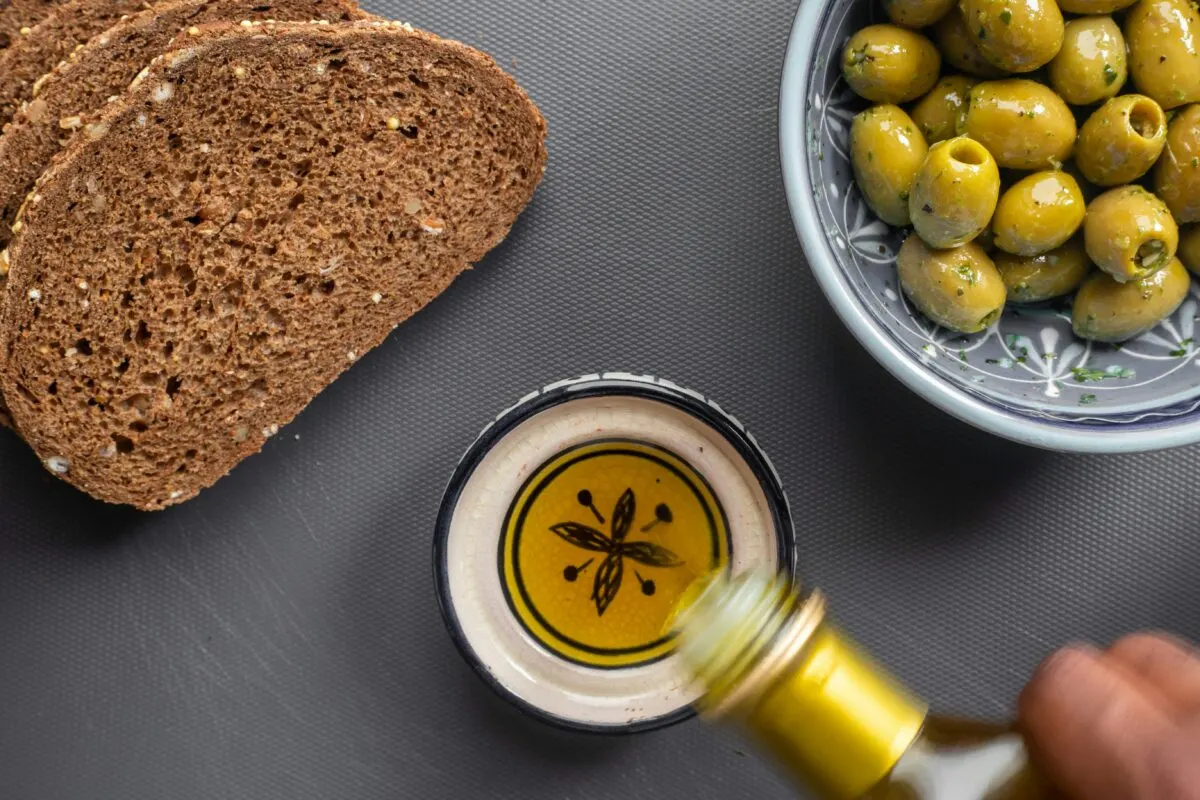
Dipping bread in it or drizzling it over salads can be an effective way to increase your polyphenol intake.
3. It may help regulate blood sugar and prevent diabetes
What are the benefits?
According to an analysis by a research team at the University of Barcelona of molecular biology studies accumulated over recent years, palmitic acid—a saturated fat found in foods such as pork belly and butter—can trigger excessive production of a compound called ceramide. This interferes with insulin signaling and contributes to insulin resistance. Oleic acid, the monounsaturated fat abundant in olive oil, appears to counteract these harmful effects of palmitic acid, potentially helping to prevent diabetes.
Extra-virgin olive oil has also been shown to blunt the sharp rise in blood sugar that can follow a high-glycemic meal.
When people with diabetes ate a high-glycemic meal with butter—or without any added fat—their blood sugar rose immediately. When they ate the same meal with olive oil, however, there was no similarly sharp spike.
How can you include it in your diet?
When eating high-glycemic foods such as white rice or bread, adding olive oil may help moderate the resulting rise in blood sugar.
Replacing cooking methods centered on saturated fats, such as pork belly or butter, with olive-oil-based cooking can also be a meaningful step in managing insulin resistance.
4. It supports brain health and cognitive function
What are the benefits?
Using olive oil generously is a defining feature of both the Mediterranean diet and the MIND diet, which is widely recognized as an approach to reducing dementia risk.
People who followed the MIND diet developed by researchers at Rush University most closely had a 53 percent lower risk of Alzheimer’s disease. Even those who followed it moderately saw their risk fall by 35 percent.
The healthy fats and omega-3 fatty acids in olive oil are thought to help maintain brain-cell function and reduce inflammation. Some reports have also found that frequent olive-oil consumers have a lower risk of depression than people who consume it less often.
How can you include it in your diet?
Olive oil alone cannot prevent dementia. The key is to follow a Mediterranean-style diet as a whole, including oily fish, nuts, vegetables and whole grains. The most practical approach is to make olive oil the basic cooking fat within that broader eating pattern.
5. It may support digestive and gut health
What are the benefits?
Olive oil is thought to promote smoother intestinal movement and help food pass through the digestive tract, which may ease constipation.
It is also believed to protect and strengthen the lining of the digestive tract, potentially helping prevent gastrointestinal conditions such as gastritis and peptic ulcers.
Eating olive oil with vegetables can also improve the absorption of fat-soluble vitamins, helping increase nutrient uptake in vegetable-focused diets.
How can you include it in your diet?
Taking a spoonful of olive oil on an empty stomach in the morning is sometimes promoted as a folk remedy. But unless you have a specific digestive condition, there is no need to take it separately before eating. Adding it regularly to vegetable salads or seasoned vegetable dishes is sufficient.
If you have a gastrointestinal condition, it is safest to consult your doctor about how to consume it.
How to choose and cook with olive oil
Choosing the right type of olive oil and using it appropriately are important if you want to make the most of its potential health benefits.
Extra-virgin olive oil is the first extract obtained by cold-pressing olive flesh without chemical treatment. Only oils with an acidity of 0.8 percent or less qualify for this grade.
It contains considerably more antioxidants and polyphenols than ordinary refined olive oil. However, it also has a relatively lower smoke point, so prolonged heating at high temperatures can destroy nutrients and accelerate oxidation.
By contrast, refined pure olive oil and pomace oil have higher smoke points and are relatively more stable for high-heat cooking, such as stir-frying and deep-frying.
In everyday cooking, a sensible rule is to use extra-virgin olive oil for salad dressings, seasoned vegetables and finishing dishes, while choosing regular olive oil or another oil with a higher smoke point for grilling, frying and other high-heat methods.
That said, extra-virgin olive oil is commonly heated briefly over low to medium heat in Mediterranean dishes such as aglio e olio. There is generally no need for concern as long as it is not heated at excessively high temperatures for extended periods.
Once opened, olive oil can go rancid when exposed to light, heat and oxygen. Store it tightly sealed in a dark place and, if possible, use it within three months.
Frequently asked questions (FAQ)
Q1. Is it okay to fry eggs or stir-fry with extra-virgin olive oil?
At typical household cooking temperatures—for example, brief cooking at around 175°C—extra-virgin olive oil generally remains within its smoke-point range. In Mediterranean countries, olive oil is routinely used for stir-frying and frying. However, it is safest to avoid reusing it repeatedly or heating it at excessively high temperatures for long periods.
Q2. How much olive oil should I consume each day?
The amount associated with benefits in several clinical studies is 20 to 30 grams a day, or roughly one to two tablespoons. Clinical findings from a research team at the University of Florida even suggested that a smaller amount of extra-virgin olive oil was more effective at improving LDL cholesterol and cardiometabolic markers. Rather than consuming as much as possible, consistently having one or two tablespoons a day is a more reasonable approach.
Q3. Should I buy refined olive oil or extra-virgin olive oil?
If you want to maximize your intake of polyphenols and other potentially beneficial compounds, extra-virgin olive oil is the better choice. Refined olive oil, however, has a higher smoke point and is more stable for high-heat cooking. Keeping both on hand and using them for different purposes is the most practical solution.
Q4. Isn’t olive oil also fattening?
Like all oils, olive oil provides 9 calories per gram. However, many studies have found that replacing saturated animal fats with unsaturated fats such as olive oil can improve cholesterol and cardiovascular health markers. The key is less about how much oil you consume than which type of fat you are replacing. Swapping your usual cooking fat for olive oil can produce a very different result from simply adding olive oil to your existing diet.
Q5. If I start eating olive oil, can I stop taking my cholesterol medication?
No. The reduction in LDL cholesterol observed in studies is meaningful, but it is not dramatic enough to replace medication. If you are already taking medication for high cholesterol or cardiovascular disease, do not stop on your own. It is safest to discuss dietary changes, including the use of olive oil, with your doctor and continue them alongside your prescribed treatment.