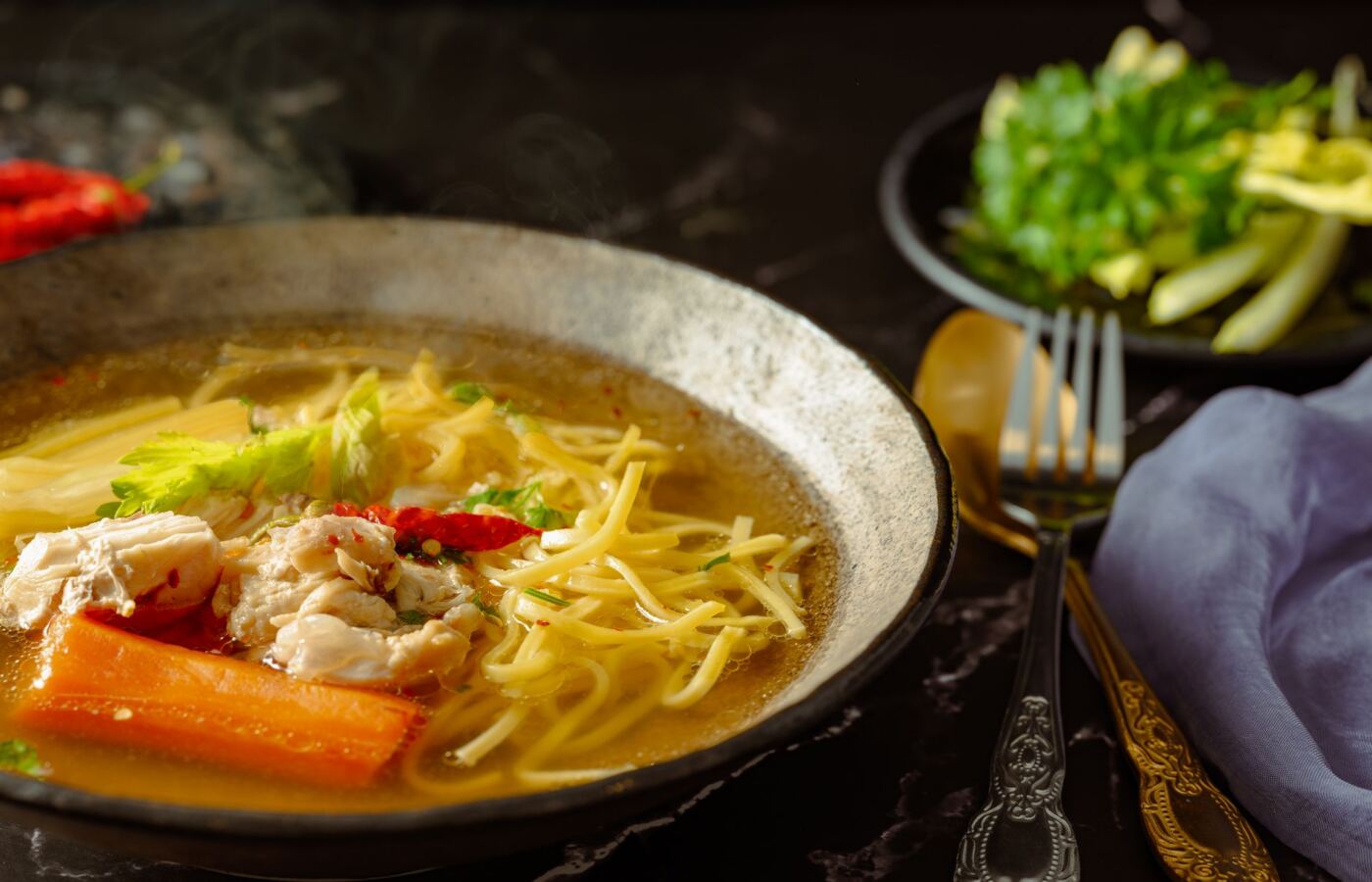
Will you really lose weight by switching to konjac noodles? While a bowl of noodles doesn’t magically disappear, konjac can be used to reduce your food intake.
However, konjac also has an unexpected side. While it is famous as a diet food, in the United States, there have been warnings about the risk of choking associated with konjac jelly products.
How does konjac make its way onto the weight loss menu?
Konjac dieting involves consuming foods such as konjac noodles, konjac rice, and konjac jelly. It also utilizes glucomannan, a water-soluble dietary fiber derived from the konjac root.
Glucomannan can absorb water and expand to approximately 50 times its own weight. This is similar to how a dry sponge expands when it absorbs water.
Therefore, konjac has gained attention as a low-calorie alternative for increasing the volume of noodles or rice. However, although konjac foods and glucomannan supplements both use the same konjac ingredient, the actual calorie content and nutritional composition vary from product to product.
Even if they are the same type of konjac, they are not the same.
Why has konjac become a popular choice for dieting?
What people expect is simple: by replacing some of the noodles or rice they usually eat with konjac, they can maintain a feeling of fullness while reducing the overall calorie intake.
The European Union’s health labeling standards also allow for claims related to the weight loss effects of glucomannan. However, this is subject to the condition that the daily intake is 3 grams, divided into three servings, and consumed with water each time, within a diet that restricts energy intake.
Here, the nature of konjac changes. It is not a food that is beneficial the more you eat, but rather a dietary fiber that must be consumed in a specific way with water.
Eating a lot does not necessarily mean you will lose weight faster.
The U.S. Food and Drug Administration (FDA) stated that in 2001, there were cases of choking deaths and near-choking incidents involving children and the elderly related to small cup jelly products containing konjac.
Konjac is a supporting ingredient in light meals; it is not a snack to be consumed without thought.
Does eating konjac actually lead to weight loss?
To answer briefly, konjac itself does not burn fat. It may only contribute to weight loss if you consume less of other foods after eating konjac.
Konjac is not a fat burner.
An analysis of the results from 8 clinical trials of glucomannan conducted in 2014, involving a total of 301 participants, showed an average weight difference of 0.22 kilograms less in the group compared to the placebo group. However, this difference was not considered statistically significant.
A systematic literature review from 2015, as presented in data from the U.S. National Institutes of Health, also reached a similar conclusion. Even when consuming glucomannan at doses ranging from 1.24 to 3.99 grams for up to 12 weeks, there was no statistically significant weight loss compared to a placebo.
A 2021 analysis pooling randomized controlled trials of dietary supplements showed that the group that consumed glucomannan lost an average of 1.27 kilograms more than the placebo group. However, this did not reach the clinically significant threshold of 2.5 kilograms, and therefore, the evidence is insufficient to recommend it for weight loss.
Even if it has an effect, the effect is limited.
Ultimately, konjac’s practical role is not to directly break down body fat. Instead, it absorbs water, increasing the volume in the gastrointestinal tract, which enhances satiety and reduces the caloric intake from meals.
Feeling full is only the starting point. Even if you eat konjac, if you continue to consume snacks, sauces, and drinks as usual, your total daily intake may not decrease.
The total daily intake is more important than the amount of konjac consumed.
Even with konjac, there is a price to be paid.
The most common side effect is gastrointestinal discomfort. In clinical trials of glucomannan, the following were reported: abdominal discomfort, bloating, gas, diarrhea, and constipation.
In particular, if you frequently experience bloating or diarrhea, consuming large amounts of konjac may not be suitable for you. Focusing solely on the scale when you feel bloated is more akin to an endurance contest than a diet.
There is no reason to force yourself to continue eating if it is uncomfortable.
A more important point to note is the interaction with water and the ability to swallow. The U.S. Food and Drug Administration warns that consuming ingredients like glucomannan, which absorb water, without sufficient water intake, or taking them if a person has difficulty swallowing, can lead to esophageal obstruction and the risk of choking.
Even konjac noodles and konjac rice can be misleading. While the products themselves may have low calorie content, consuming them with sauces, oil, and meat means that the total calorie intake for a meal cannot be guaranteed to be low.
If you replace the noodles with konjac and add a generous amount of a high-calorie sauce, only the main ingredient changes, while the overall result remains the same.
So, how should konjac be used?
Konjac is best used as a substitute for a portion of your usual diet, such as noodles or rice, rather than cutting out all staple foods. The goal is not to eat a lot of konjac, but to reduce the overall calorie intake of the meal.
If you only consume konjac for meals, the nutritional density of your diet may be insufficient. Meals should include protein sources such as eggs, tofu, fish, and lean meat, as well as vegetables.
- People who consume a lot of noodles or rice often replace a portion of it with konjac.
- Konjac is typically served with protein sources and vegetables.
- Look at the total daily intake, including sauces, oils, snacks, and beverages.
- Powders, tablets, and capsules should be taken according to the instructions on the product label, and the amount of water used should also be followed.
If you consume a lot of noodles or rice, and replace a portion of your meal with konjac, while also eating protein and vegetables together, you can try this as a short-term method for calorie control.
Conversely, those who only consume konjac in an attempt to lose weight quickly should lower their expectations. Individuals who frequently experience abdominal bloating or diarrhea, or those who have difficulty swallowing or have problems with their esophagus or intestines, should avoid konjac or consult with medical professionals first.
The conclusion is simple: konjac is not the main component of a diet, but rather a substitute food that is only meaningful when reducing overall calorie intake.
The focus of the change is not konjac itself, but the entire meal.
Frequently Asked Questions.
Q. Can I eat konjac noodles every day?
A. It is better to include protein and vegetables in your meals rather than relying solely on konjac. If you experience abdominal discomfort, diarrhea, or constipation, reduce or avoid consumption.
Q. Is konjac jelly a safe snack for dieting?
A. Small cup jelly products containing konjac have been reported to pose a choking hazard. Special caution should be exercised by children, the elderly, and individuals who have difficulty swallowing.
Q. What is the reason why I am not losing weight even after eating konjac?
A. Even if you consume konjac, if the intake of snacks, sauces, and beverages does not decrease, the total daily intake may not be reduced. First, check the overall amount of food and its sustainability, rather than focusing on the type of konjac.