What Summer 2026 Travel Looks Like
This year’s summer travel trend in South Korea can be summed up in three words: “short, close to home and genuinely restful.” As high prices and a weak won continue to shape consumer behavior, here is a closer look at how Koreans are planning their summer holidays, based on the latest surveys from major research organizations.
📊 1. When People Are Taking Time Off: The Late-July-to-Early-August Rush Continues
Despite the prolonged economic slowdown, the share of people planning to take a summer holiday has edged up slightly from last year.
- Holiday plans: 71.8% of respondents said they planned to take a summer holiday this year, up 2.7 percentage points from the previous year.
- Peak travel period: The traditional high season of late July to early August accounted for 35.9%, making it the clear leader. This was followed by mid-to-late August (21.5%) and early-to-mid July (21.3%).
⏱️ 2. Length of Stay: Short Trips Surge as Travelers Say, “It’s Too Expensive to Stay Longer”
With prices and travel costs rising, travelers are clearly favoring shorter, more efficient itineraries over extended holidays.
- One- to two-night stays: The largest share, 42.2%, planned trips lasting one or two nights.
- Three- to four-night stays: Another 39.1% planned to stay three or four nights, meaning more than 80% of respondents opted for holidays of four nights or less.
- Fewer long holidays: Just 8.9% planned trips of five nights or more, underscoring how firmly rising costs have pushed travelers toward shorter stays.
📍 3. Destination Preferences: Domestic Travel Holds a Clear Lead
Rather than pay for expensive long-haul international flights, travelers are increasingly looking to destinations within South Korea or nearby parts of Asia.
- Domestic vs. international: Domestic travel was the top choice at 74.2%, while 20.8% opted for short-haul international destinations and just 2.8% planned long-haul trips.
- Top three domestic destinations:
- Gangwon Province (33.0%): It retained its firm grip on the top spot thanks to its excellent accessibility from the Seoul metropolitan area and its combination of beaches, mountains and well-developed tourist infrastructure.
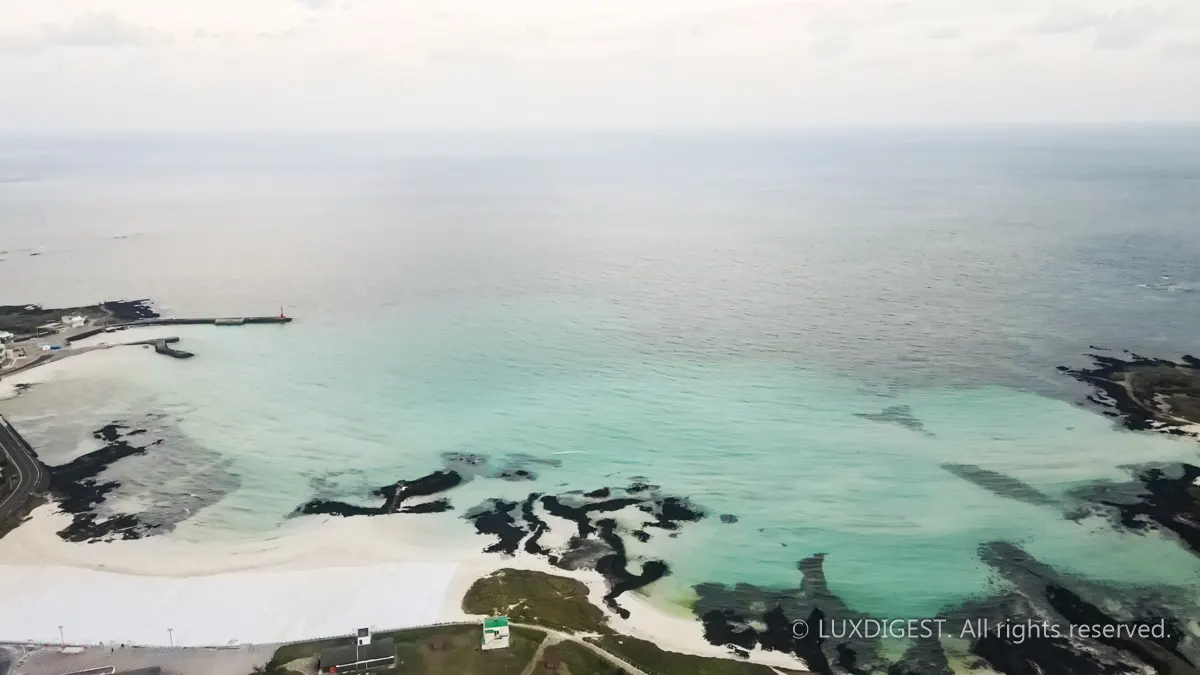
- Jeju Island (18.9%): Despite ongoing concerns about its high costs, Jeju remained near the top, although its popularity dipped slightly compared with previous years.
- Busan (9.0%): The coastal metropolis followed as a popular choice for an urban beach holiday.
💡 4. What Travelers Want—and What Is Driving Costs
- Holiday style: The key theme this summer is “recovery and relaxation.” Some 54.1% of respondents said they wanted “complete rest and healing.” They preferred an environment where they could simply unwind over food and local exploration (26.5%) or activities (10.2%).
- Main sources of financial pressure: Some 45.7% of respondents said they felt burdened by the cost of a holiday. The leading reason was higher peak-season accommodation rates (53.4%), followed by falling personal income (19.7%) and higher airline fuel surcharges (16.2%).
- Ways to cut costs: To manage those expenses, consumers are actively choosing “nearby destinations instead of long-haul trips (36.5%)” and “domestic travel instead of overseas travel (36.1%)”.
Stay Cool with a Smart, Value-Focused Summer Holiday
This year’s summer travel patterns show how Koreans are responding to economic pressure—from inflation and exchange rates to higher accommodation costs—by “redesigning the way they travel rather than giving up on travel altogether.”
Many are still traveling during the crowded peak season, but keeping trips short—one to four nights—and staying closer to home, whether domestically or elsewhere in the region, to keep costs under control. At the destination, they are placing greater emphasis on genuine rest than on sightseeing, reflecting a strong desire to recover from the stresses of everyday life.
If you need any additional information to firm up your summer holiday plans, feel free to ask.
- Would you like recommendations for good-value wellness accommodations in Gangwon Province or Jeju Island?
- Would you like us to look into government-supported accommodation discounts or holiday subsidies that could help reduce your costs?
Frequently Asked Questions (FAQ)
When are most people taking their summer holidays this year?
According to the survey, **35.9%** of respondents chose late July to early August as their departure window. This was followed by mid-to-late August (21.5%) and early-to-mid July (21.3%), confirming that the traditional late-July-to-early-August period remains the most popular holiday season.
How long are most people planning to travel this summer?
The largest share, 42.2%, planned one- to two-night trips, followed by three- to four-night stays (39.1%). Overall, **81.3%** of respondents planned trips of four nights or less, making short, efficient travel one of the defining trends of the year amid high prices and rising travel costs.
What is the most popular domestic travel destination this year?
Gangwon Province (33.0%) was the most popular domestic destination, followed by Jeju Island (18.9%) and Busan (9.0%). Gangwon Province remains especially popular because it is easily accessible from the Seoul metropolitan area and offers both beaches and mountains.
What matters most to Koreans when they take a summer holiday this year?
Some **54.1%** of respondents chose “complete rest and healing” as the main purpose of their summer holiday. Food and local travel accounted for 26.5%, while activities made up just 10.2%. The figures show growing demand for holidays centered on recovering from the fatigue of everyday life rather than visiting as many tourist attractions as possible.
How are travelers cutting holiday costs in an era of high prices?
45.7% said they felt burdened by holiday costs, with higher peak-season accommodation rates (53.4%) identified as the biggest source of pressure. In response, travelers are cutting expenses by choosing nearby destinations instead of long-haul trips (36.5%) and switching from overseas to domestic travel (36.1%).