The Best Places to Enjoy Lunch Near Hasedera Temple in Sakurai, Nara
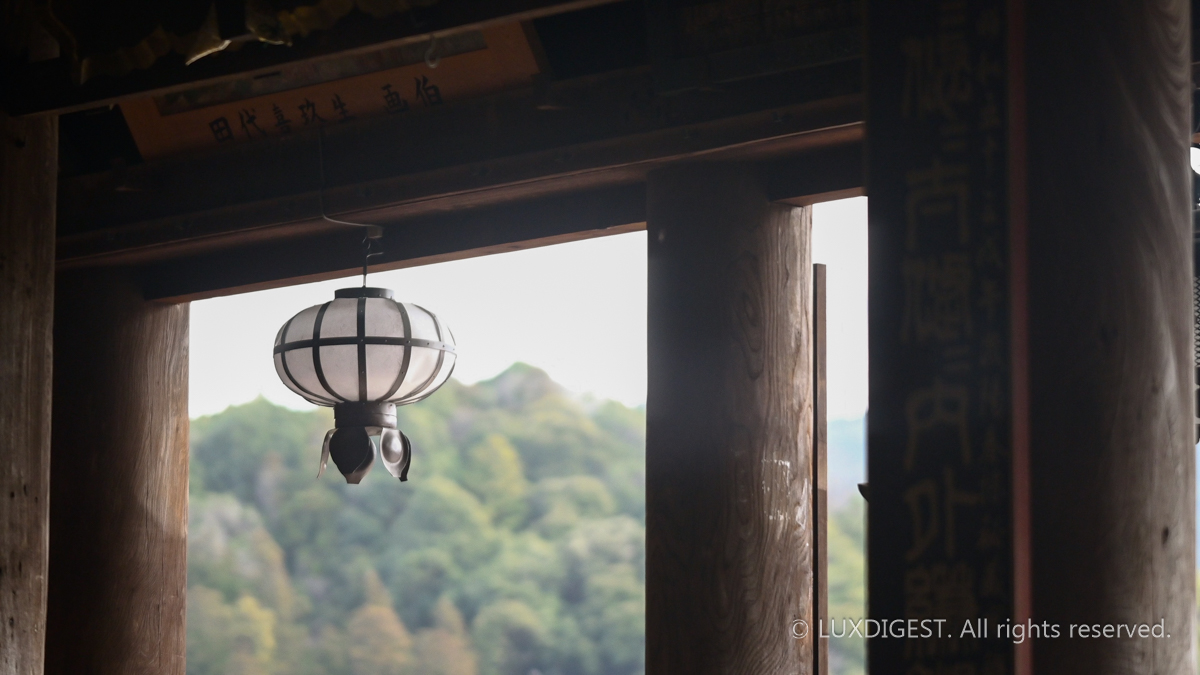
Two especially appealing options are the traditional house café Haseji (長谷路), where you can enjoy regional noodles alongside a garden that changes with the seasons, and Suya-cho (酢屋長), a traditional restaurant serving refined noodle dishes just steps from the temple’s main gate.
After wandering through Hasedera, where centuries of history meet flowers blooming throughout the year, visitors often find themselves both calmed and pleasantly hungry. Along the quiet approach to the temple, known as the sando, unassuming but inviting restaurants offer weary travelers a warm place to rest and refuel. Here are some of the best lunch spots for extending the magic of a visit to Hasedera through its food, along with the stories that make each one special.
1. Time Slows Down in the Garden at Haseji (長谷路)
About a 10-minute walk along the approach from Hasedera Station, a beautiful wooden building appears, creating the impression that you have stepped into a time machine and returned to the Edo period. This is Haseji, a café and restaurant set within a magnificent traditional Japanese garden.
- Atmosphere: The moment you step inside, antique furnishings bearing the marks of age and charming curios welcome you. Further inside, a garden unfolds, changing its colors with every season. On a sunny day, simply sitting with a cup of tea on one of the red-clothed benches in the garden feels like a complete escape. Dining in a tatami room while looking out through the glass at the garden is less an ordinary meal than a cultural experience.
- What to order: The signature lunch combines the region’s celebrated Miwa somen (三輪素麺) with Nara’s famous kakinoha-zushi, sushi wrapped in persimmon leaves. Sakurai is close to Miwa, known as the birthplace of Japanese somen, and the noodles here are exceptionally fine—almost feather-light—while still pleasantly springy. In summer, you can choose chilled somen served over ice; in cooler weather, opt for warm nyumen (にゅうめん) in a deep yet delicate bonito-stock broth. Add a piece of savory mackerel or salmon sushi infused with the gentle fragrance of persimmon leaves, and you have the traditions of Nara in every bite.
2. Old-Fashioned Charm at the Temple-Gate Restaurant, Suya-cho (酢屋長)
Before climbing Hasedera’s iconic 399 covered steps—or after descending them with your legs feeling a little unsteady—the first place likely to catch your eye is [Suya-cho]. Located directly in front of the temple’s main gate, it is exceptionally convenient and has long served as a welcoming gathering place for pilgrims.
- Atmosphere: There is no flashy décor, but stepping inside is instantly comforting. Timeworn wooden tables and staff members with the warm smiles of kindly local elders create a relaxed, welcoming mood. It is an ideal place to enjoy a leisurely meal while gazing through the window at the quiet rural scenery around Hasedera and the travelers passing by.
- What to order: The clear favorite is the nyumen set meal. Soft somen arrives in a clean, delicately prepared broth, and a single sip seems to warm you from the inside out. The set changes slightly with the seasons. In autumn and winter, it may include fragrant matsutake mushroom rice or tender bamboo-shoot rice, offering a simple yet generous taste of a traditional countryside meal.
3. Young Energy Meets Local Ingredients at cafe NAGY
If you assume that the area around Hasedera is made up exclusively of old-fashioned traditional restaurants, think again. [cafe NAGY] has become a favorite among travelers by presenting local ingredients in a modern, stylish way.
- Atmosphere: With its cozy, contemporary interior, this café feels like a welcoming hideaway where younger travelers and solo visitors can relax without feeling out of place. Quiet, soothing music plays in the background, while the aroma of carefully brewed coffee fills the room. There is hardly a better place to gather your thoughts after exploring the temple. Keep in mind, however, that it generally opens only from Friday through Sunday, so check the schedule before visiting.
- What to order: The signature dish is the Hatsuse Bowl (Buddha bowl), filled with fresh vegetables and organic ingredients. The curry dishes, with their healthy approach and exotic spices, are also excellent—an appealing change of pace after several days of traditional Japanese meals. A rich, full-bodied coffee after lunch is another pleasure not to miss.
4. A Hidden Viewpoint Inside Hasedera: Hasedera Kissako (長谷寺 喫茶去)
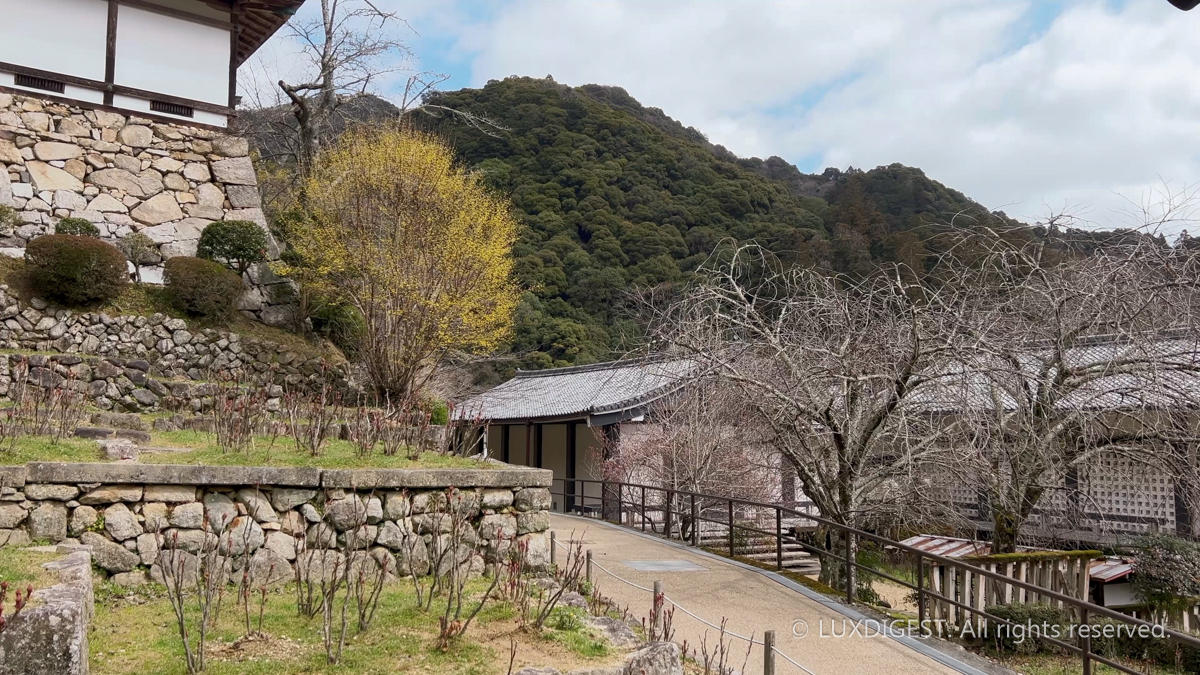
There is no need to leave the temple grounds for a light lunch or a bite to eat while taking in the scenery as if it were framed in a picture. Hidden within the temple complex is a lovely traditional teahouse called [Hasedera Kissako].
- Atmosphere: Kissako (喫茶去) is a Zen Buddhist expression that means, “Have some tea and take your time.” True to its name, the teahouse offers panoramic views from its expansive windows and terrace seating. The beautiful ridgelines of the mountain valley surrounding Hasedera stretch into the distance, while nature shifts from vivid greens to autumn reds with the seasons. After sweating your way up hundreds of steps, sitting in the cool mountain breeze can make all the worries of the world seem to disappear.
- What to order: Alongside simple noodle dishes to satisfy a light hunger, the café serves sets featuring traditional Japanese sweets, wagashi (和菓子), with matcha or hot coffee. It is the perfect retreat for anyone who would rather enjoy a light bowl of noodles with the scenery as a side dish, then recharge with a sweet dessert than sit down to a full, substantial meal.
💡 Tips for Planning Lunch at Hasedera
- Check opening hours and closing days: Because this is a rural area, most restaurants close by 3 or 4 p.m. Exploring Hasedera can take longer than expected—usually one to two hours—so it is safest to plan lunch between 11 a.m. and 1 p.m., or head straight to a restaurant after your visit.
- Consider seasonal crowds: In spring, when cherry blossoms and peonies are in bloom, and in autumn, when the leaves turn, Hasedera draws visitors from across Japan. Restaurants along the approach can be extremely busy, so having an early lunch or traveling closer to the station for a meal can be a smart strategy.
- Bring cash: Some of the area’s oldest local restaurants, including [Suya-cho], may not accept cards and often take cash only. It is best to carry a sufficient amount of Japanese yen in small denominations.
Hasedera’s Main Restaurants at a Glance
| Restaurant | Signature dishes | Atmosphere | Best for |
|---|---|---|---|
| Haseji (長谷路) | Miwa somen and kakinoha-zushi set | Edo-period house and expansive traditional garden | Travelers seeking a peaceful setting and a traditional experience |
| Suya-cho (酢屋長) | Nyumen set meal and mushroom rice | A humble, welcoming long-established restaurant directly by the main gate | Travelers who value convenience and crave a warming bowl of soup |
| cafe NAGY | Hatsuse salad bowl and spice curry | Stylish, cozy modern interior | Those looking for quiet time alone or a healthy, contemporary meal |
| Hasedera Kissako | Traditional tea and sweets, plus light noodle dishes | Located within the temple grounds, with sweeping valley views | Travelers who want to combine scenic views with a restful break |