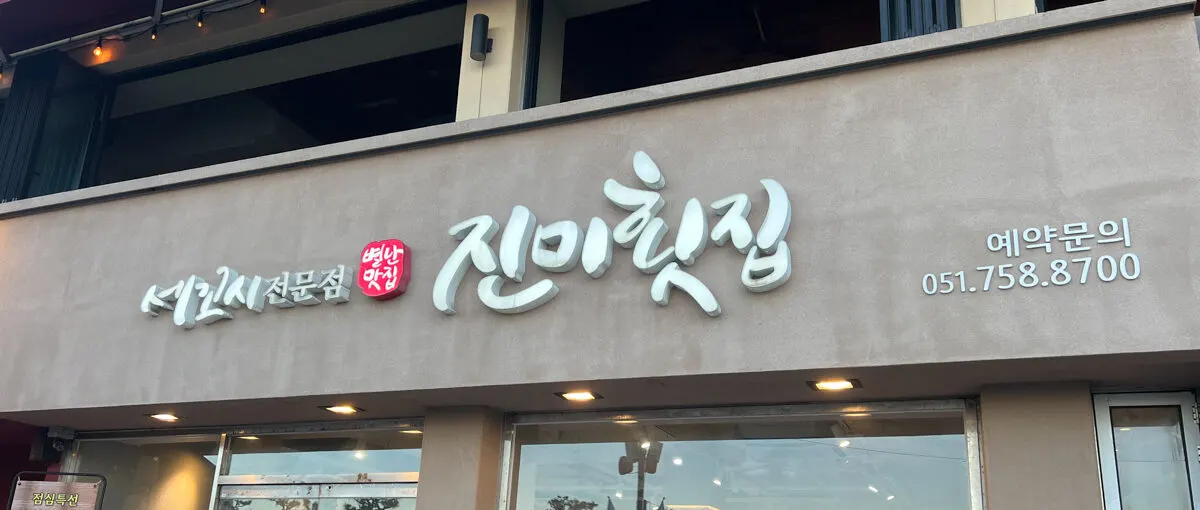
The Local Favorite in Gwangalli
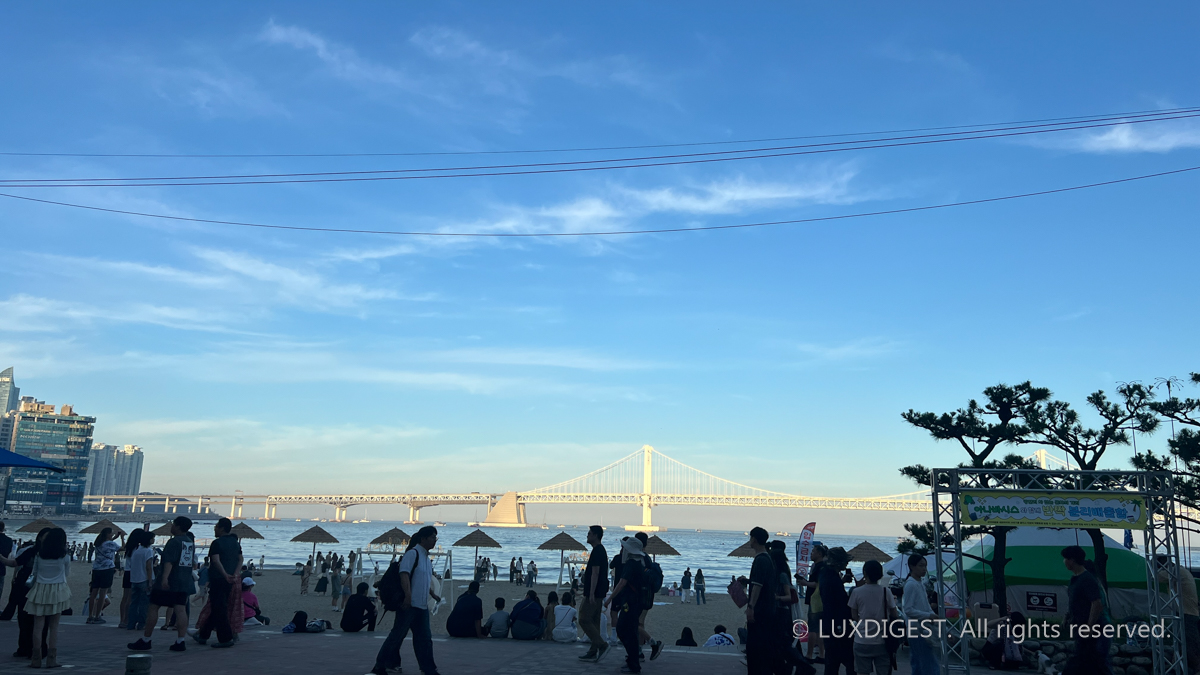
Located along Busan’s Gwangalli Beach, Jinmi Hoetjip is a beloved local institution specializing in sekkosi, a Korean style of thinly sliced raw fish served with the bones intact. Now in its second generation, the restaurant has been serving locals and visitors alike for more than 30 years.
I’ve been coming here for more than 10 years. Back then, the restaurant occupied the second floor; before I knew it, it had expanded and relocated to the first floor.
With sweeping floor-to-ceiling ocean views of Gwangan Bridge and its signature “snowflake sekkosi”—delicately sliced fish with the bones left in to bring out its rich, nutty flavor—Jinmi Hoetjip is widely regarded as one of Gwangalli’s standout sashimi restaurants, especially given its reasonable prices.

1. Essential Information and Parking Tips
- Location and access: The restaurant is located on the first floor of the W Hotel at 207 Gwanganhaebyeon-ro, Suyeong-gu, Busan. It is about a 10-minute walk from Exit 1 of Gwangan or Geumnyeonsan Station on Busan Subway Line 2, making it easy to reach even without a car.
- Hours: On weekdays and Sundays, the restaurant is open from 11:30 a.m. to 10:30 p.m. On busy Saturdays, it stays open until midnight, from 11:30 a.m. to 12:00 a.m. (Last orders are accepted until approximately 40 minutes before closing.)
- Parking: Parking can be difficult along Gwangalli Beach, but the restaurant has an arrangement with two nearby car parks: Deungdae Parking Lot (195-1 Gwangan-dong) and KNC Parking Lot (196-6 Gwangan-dong). Customers ordering individual lunch dishes receive one hour of complimentary parking, while those ordering live sashimi or sekkosi receive 90 minutes free.

2. The Atmosphere and How to Get the Best Seat
The exterior and interior have recently been renovated, giving the restaurant a polished, comfortable look with a clean white-and-wood color scheme.
Careful attention is paid to hygiene, so there is none of the strong fishy odor often associated with traditional sashimi restaurants.

The entire front of the restaurant is lined with enormous windows. During the day, diners can look out over the blue waters of Gwangalli; at night, they have a direct view of Gwangan Bridge illuminated against the skyline.
If you are visiting for a date or an important gathering, be sure to reserve in advance and request one of the prime window seats with an ocean view.
I brought my mother here for her birthday, and she was thrilled by how fresh everything was. A proud son moment. ^^

3. Signature Dishes and Price Range
Jinmi Hoetjip takes a practical approach, focusing on the quality and freshness of the fish itself rather than filling the table with an elaborate spread of ssukga (assorted side dishes).

| Category | Dish and features | Price (KRW) |
|---|---|---|
| Signature | Snowflake sekkosi (per person) Sliced with the bones intact, yet soft and delicate rather than rough | 30,000 |
| Live sashimi | Olive flounder / rockfish / half-and-half platter Locally sourced live fish, known for its thick cuts and satisfyingly chewy texture | 60,000–65,000 for two |
| Lunch specials | Sashimi rice bowl / mulhoe (meal included) Refreshing, tangy single-dish meals offering excellent value from noon through the afternoon | Around 15,000 |
| Side dish | Maeuntang A spicy fish stew with a deep, warming broth—considered an essential follow-up to a sashimi order | 5,000–7,000 |

4. What Sets Jinmi Hoetjip Apart
① Snowflake sekkosi without the crunch of bones
Traditional sekkosi can be divisive because the tiny bones may catch in your mouth. At Jinmi Hoetjip, however, 30 years of knife skills allow the fish to be cut so finely that the bones are barely noticeable.
The texture is soft enough for first-time sekkosi diners, older guests with sensitive teeth and children to enjoy comfortably, while the fish’s rich, nutty flavor becomes more pronounced with every bite.
The restaurant typically uses young olive flounder, switching to seasonal spring flounder sekkosi in spring.

② Unlimited self-serve bar of clean sea vegetables from Wando
When the table is set, a large tray arrives with fresh wrapping vegetables and three sea vegetables from Wando: kelp, hijiki and sea moss.
A neatly maintained self-serve bar, covered with hygienic lids, allows diners to refill these prized sea vegetables and greens as often as they like.
The crisp, pleasantly chewy texture of the sea vegetables creates a distinctive synergy with the softness of the sekkosi.
③ House-made fermented chogochujang and nut-filled ssamjang
The finishing touch is the restaurant’s house-made selection of sauces.
The fermented chogochujang is aged for several days, developing a tangy flavor and deep umami. The special ssamjang is packed with sunflower seeds and other nuts, keeping the saltiness in check while maximizing its rich, nutty character.
Even diners who normally eat sashimi with nothing more than soy sauce may find themselves converted to wrapping it in greens once they taste these sauces.

5. A Guide to the Best Way to Eat It
To get the most out of Jinmi Hoetjip, follow the owner’s recommended formula for a “sea vegetable sekkosi wrap.”
- Start with the fish on its own: Dip the sekkosi in soy sauce with a touch of wasabi, without any other seasoning, and appreciate the freshness and subtle sweetness of the fish.
- Combine perilla leaves, seaweed and sea vegetables: Place a sheet of crispy seaweed on a fragrant perilla leaf, then add a generous serving of kelp, hijiki and sea moss.
- Add the house sauces: Top it with plenty of sekkosi, add a little nut-filled ssamjang and fermented chogochujang, then wrap it up and eat it in one bite. The result is a perfect balance of richness, tang and ocean freshness.
- Use the rinsed aged kimchi: From time to time, wrap the sashimi in the crisp white kimchi served as a side dish. Its clean flavor refreshes the palate, so the meal never becomes heavy.
- Finish with maeuntang: Once you have made your way through a good portion of the sashimi, order the maeuntang. Despite its surprisingly low price of 5,000–7,000 won, it comes generously filled with fish scraps, creating a rich, spicy broth. Add sujebi or ramen noodles and enjoy it with a bowl of rice for a complete meal.

6. Overall Assessment and Things to Know Before You Go
- Pros: Direct ocean views of Gwangan Bridge; exceptionally fine sekkosi with virtually no noticeable bones; unlimited fresh, wholesome sea vegetables; and a clean, odor-free dining environment.
- Potential drawbacks: Guests expecting the lavish, traditional spread of side dishes—such as corn cheese, live octopus and abalone—may find the basic accompaniments somewhat modest. Wait times can also become very long on weekend evenings and during Gwangalli events such as the Night Run and fireworks festival, so checking in advance via Catch Table or by phone is essential.
- Best for: Anyone who wants to enjoy quality local sashimi in Gwangalli at a fair price; diners who have avoided sekkosi because of the bones; and families looking to treat their parents to an ocean view in a clean, comfortable restaurant.
FAQ
Q1. What is Jinmi Hoetjip’s signature dish?
A. Jinmi Hoetjip’s signature dish is its snowflake sekkosi. Unlike typical sekkosi, which is sliced with the bones intact, this version is prepared with 30 years of experience and exceptionally precise knife work, minimizing the sensation of small bones while delivering a soft, rich texture. It is a particularly approachable introduction to sekkosi.
Q2. Is parking available at Jinmi Hoetjip?
A. Parking around Gwangalli Beach can be difficult, but Jinmi Hoetjip has an arrangement with the nearby Deungdae and KNC parking lots. Customers ordering individual lunch dishes receive one hour of complimentary parking, while those ordering live sashimi or sekkosi receive approximately 90 minutes free.
Q3. How can I get a good seat with a view of Gwangan Bridge?
A. The restaurant’s front wall consists of floor-to-ceiling windows, so most seats offer a sea view. However, the window seats directly facing Gwangan Bridge are especially popular. If you are visiting for a date or family gathering, it is best to reserve ahead and request a window seat.
Q4. Isn’t sekkosi difficult to eat because of the bones?
A. Traditional sekkosi can be divisive because of the texture of the tiny bones, but Jinmi Hoetjip’s snowflake sekkosi is finely sliced to minimize that rough sensation. Older guests with sensitive teeth and first-time sekkosi diners can generally enjoy it with ease.
Q5. What is the best way to eat at Jinmi Hoetjip?
A. Start by tasting the sekkosi with soy sauce and wasabi so you can appreciate its natural flavor. Then try it as a sea vegetable wrap with perilla leaves, seaweed, assorted sea vegetables, house-made chogochujang and nut-filled ssamjang. For an even more satisfying meal, finish with the rich broth of the maeuntang.