Who Does the National Election Commission Serve? Everyone Must Resign and Step Aside
The fallout from the 2026 local elections has been intensifying, as public criticism of the National Election Commission’s inadequate preparations grows by the day.
In a South Korea dominated by entrenched old-guard figures, the National Election Commission has long established itself as a power above accountability.
It was the institution that led the charge in declaring, “We’re an independent body, so don’t touch us. You know what happens if you do, right?”
The abuses committed by this supposedly exceptional institution over the years are far too numerous to count.
Let’s take a look at the record.
The National Election Commission’s Troubling Record of Negligence and Corruption
2011 — DDoS Attack on the National Election Commission Website
During the 2011 Seoul mayoral by-election, the National Election Commission’s website was paralyzed by a distributed denial-of-service (DDoS) attack.
However, the commission was the victim of the attack, not the perpetrator, and several political figures were implicated and punished at the time. The incident therefore concerned an attack targeting the commission rather than corruption within the organization itself.
2020 — Controversy Over the Handling of the 21st Parliamentary Elections
During the general election held amid the COVID-19 pandemic, questions were raised about the management of early voting and the vote-counting process.
Most allegations of election fraud, however, were rejected through court rulings and recounts. The commission was nevertheless criticized for failing to provide adequate explanations and for its poor communication.
2022 — The “Basket Voting” Controversy in Early Voting for the Presidential Election
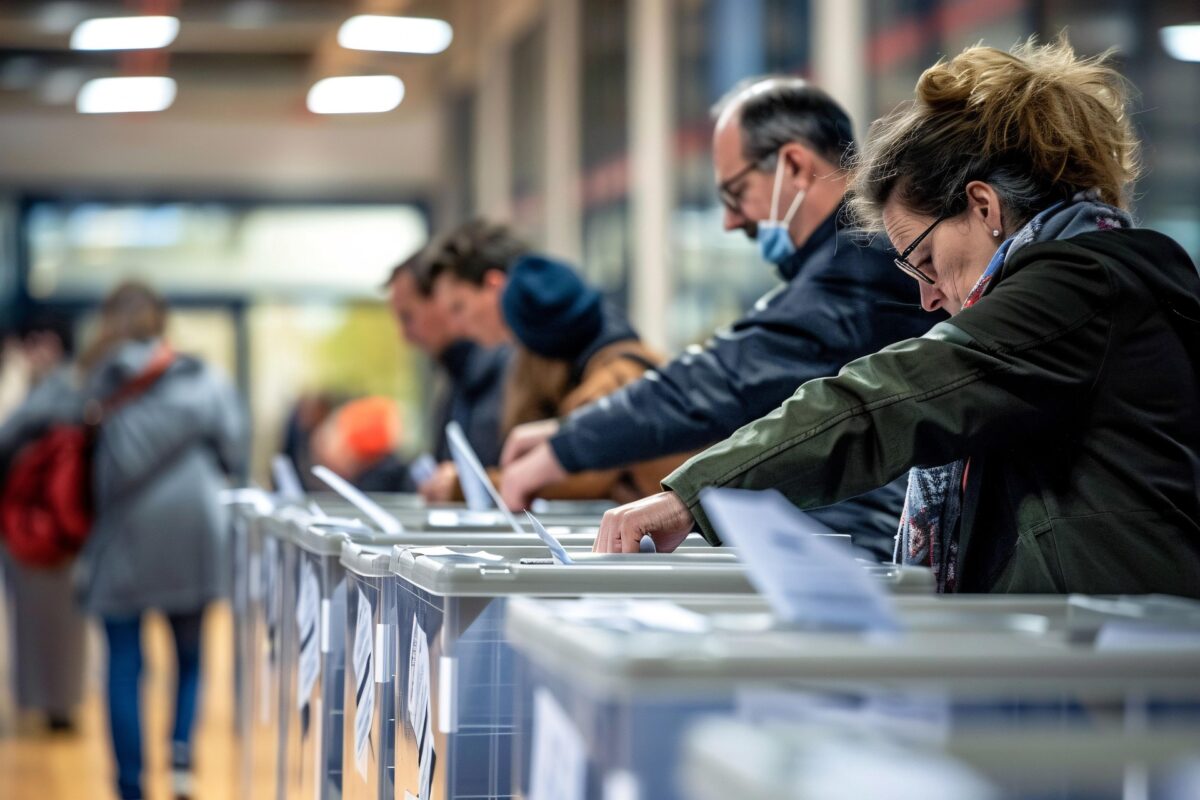
A major controversy erupted after footage showed ballots cast by voters who had tested positive for COVID-19 being transported in plastic bags and plastic baskets during early voting for the presidential election.
The National Election Commission acknowledged its mishandling of the process and apologized, while its secretary-general resigned. The episode is regarded as one of the most serious administrative failures in the commission’s history.
2023 — Preferential Hiring of Senior Officials’ Children, Dubbed “Daddy’s Connections”
Allegations of preferential treatment emerged during the hiring of children of senior commission officials through experienced-hire programs at regional election commissions and other offices.
Investigations by the Board of Audit and Inspection and reports by the media confirmed multiple cases, revealing that conflict-of-interest safeguards had not been properly observed in some hiring processes. Criticism also came from within the commission, and several senior officials resigned.
2023 — Controversy Over the Commission’s Refusal to Cooperate with a State Audit
The commission clashed with the Board of Audit and Inspection, arguing that, as an independent constitutional body, it was not subject to the board’s authority to inspect the performance of its duties.
Legal disputes continued over the independence of constitutional institutions, while the commission was also criticized for failing to cooperate with an investigation by the Anti-Corruption and Civil Rights Commission.
2024–2025 — Controversy Over Disciplinary Action Following the Hiring Scandal
Criticism continued over delays in disciplining those involved in the preferential hiring allegations and in improving the relevant systems. The commission eventually issued a formal apology and announced plans for institutional reform.
The National Election Commission: Another Corrupt Power That Rules Over the Public
Can the National Election Commission really be considered a government institution that serves the public from a position of neutrality?
In my view, the trust and standing it once enjoyed have already disappeared as a result of its repeated abuses. The shortage of ballot papers in this election alone should make clear that the institution has lost its raison d’être. Everyone responsible should be removed from their duties and forced out.
After taking more funding, what right do these people have to ask for “just one more chance” when they failed to prepare enough ballots?
They must be made an example of so that arrogant and insolent officials can no longer wield the power they are so proud of.
At the same time, people who infiltrate demonstrations organized voluntarily by citizens to properly criticize the abuse of state power and defend popular sovereignty—while pretending to protest for their own insolent purposes—are another group of self-important old-guard figures who must disappear for the sake of South Korea’s future.
For the country to stand on the right path, it is only natural that public affairs should be handled by people of integrity. That requires accepting criticism and scrutiny, as well as making and embracing reasonable judgments.
To the old guard at the National Election Commission: stop lining your pockets and step aside without delay.