The Damage Done by Short-Sighted Politicians and Business Leaders
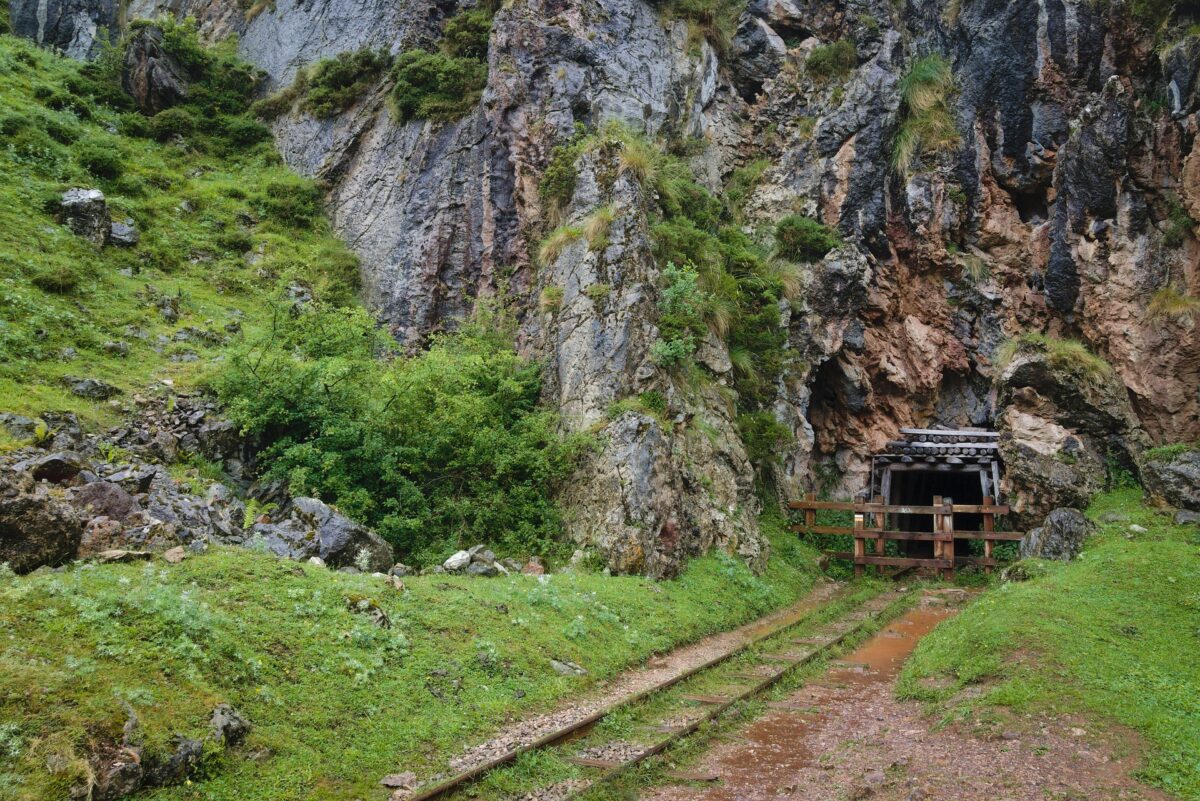
South Korea is generally considered a resource-poor country, yet it possesses one resource in quantities unmatched anywhere else in the world: tungsten.
Sadly, however, that mineral is no longer truly Korean property. How can something located on Korean soil not belong to Korea?
That is exactly what happened. During South Korea’s IMF crisis, ownership was sold to the Canadian-owned company Almonty Industries.
The History of the Sangdong Mine and Why It Was Sold
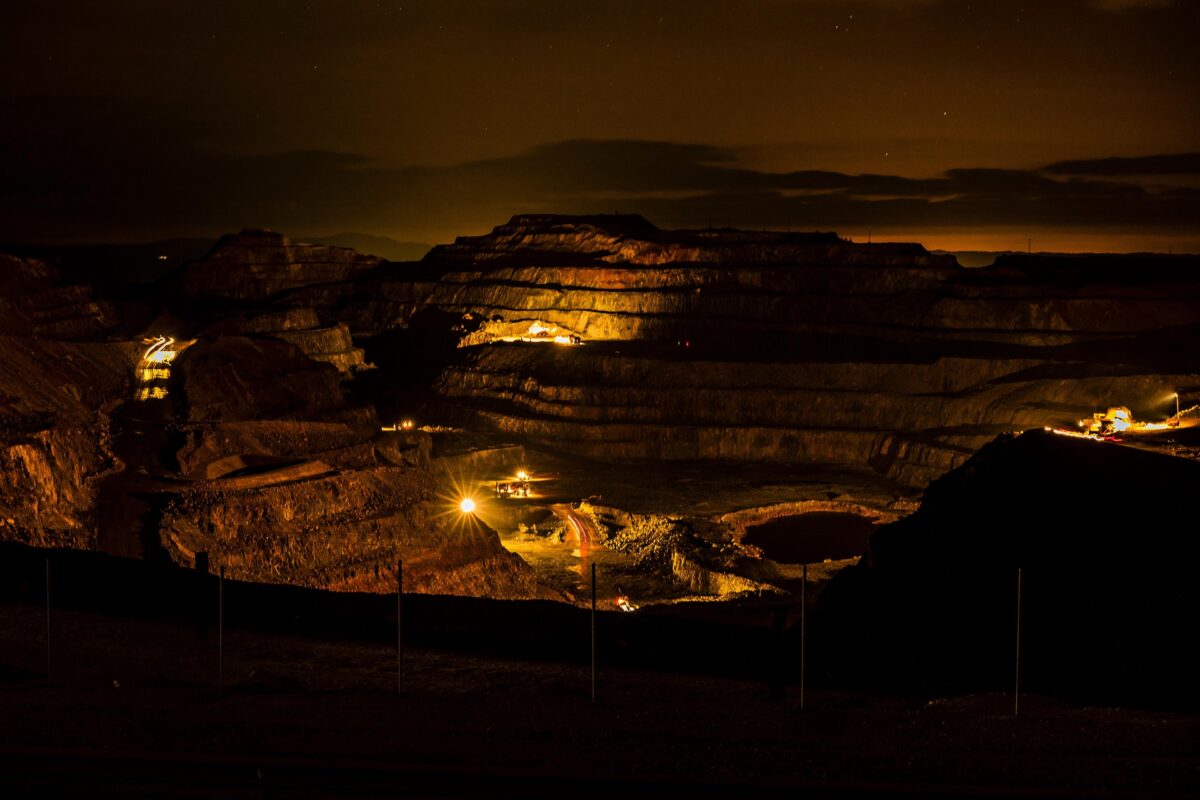
- A driving force behind South Korea’s exports: Located in Yeongwol County, Gangwon Province, the Sangdong Mine was once the world’s largest tungsten mine. During the 1950s and 1960s, it was a crucial source of foreign currency, accounting for roughly 60 percent of South Korea’s total exports. Much of the funding used to establish Pohang Iron and Steel Company—now POSCO—also came from the mine.
- China’s dumping and the mine’s closure: In the late 1980s, China began flooding the global market with low-priced tungsten, causing international prices to collapse. Unable to compete on price, the Sangdong Mine was officially closed in 1994.
- Privatization and the transfer to foreign capital: Under the government’s policy of privatizing state-owned enterprises, Korea Tungsten, the mine’s operator, was sold to the private Geopyeong Group. The group later went bankrupt during the 1998 IMF financial crisis. After changing hands several times and sitting largely idle, the mine’s potential was recognized by Canadian mining company Almonty Industries, which ultimately acquired its operating rights and stake in 2015.
The Value and Revival of the Sangdong Mine
As tungsten has surged in value in advanced technology sectors—including semiconductors, artificial intelligence, aerospace and defense—the Sangdong Mine has reopened and resumed operations after 32 years.
- Exceptional quality and reserves: The Sangdong Mine’s tungsten reserves are estimated at approximately 58 million tonnes—enough to supply half of the world’s supply outside China. Its ore is particularly high-grade, with a tungsten content of 0.44 to 0.5 percent, roughly 2.5 times the global average of 0.18 percent. This significantly reduces refining costs.
- A geopolitical bargaining chip: China currently controls more than 80 percent of the world’s tungsten supply. As tensions between the United States and China intensify and Beijing weaponizes its resources through export controls, Western countries seeking non-Chinese sources of tungsten have turned their attention to South Korea’s Sangdong Mine.
Key Issues and Problems
⚠️ Capital Outflows and the Loss of Supply-Chain Control
Because the mine is owned by a Canadian company, the South Korean government does not have full control over the supply of a resource extracted from Korean soil. Almonty has already signed long-term supply contracts lasting more than 15 years with the U.S. defense sector and defense contractors. Under the U.S. National Defense Authorization Act (NDAA), the use of Chinese tungsten will be prohibited from 2027, meaning a substantial share of the Sangdong Mine’s output will be shipped to the United States.
The Paradox of South Korea’s Heavy Dependence on China
South Korea is one of the world’s largest consumers of tungsten per capita, importing approximately 8,000 tonnes a year. Yet more than 90 percent of those imports still come from China. Despite the presence of a world-class mine being developed at home, South Korea lacks ownership of the resource, making it difficult to improve its import structure immediately.
The Road Ahead
This is an exasperating and deeply frustrating situation.
It is impossible not to feel anger toward those responsible for creating this reality. Ultimately, everything comes down to people. Whether a nation becomes prosperous or falls into hardship depends on the people who lead it.
That is why we must choose our politicians carefully. Far too many bad actors parade around claiming to be patriots while selling off the nation, its people and its future for their own benefit.
Even now, the South Korean government and domestic companies should build a close partnership with Almonty and secure priority access to the mine’s output for the Korean market. More broadly, an urgent strategic response is needed to strengthen domestic mining and refining while diversifying the supply-chain risks surrounding critical minerals.
FAQ
Q1. Why is the Sangdong Mine not owned by South Korea?
The Sangdong Mine itself has not become foreign territory. However, as its operating rights and stakes were sold several times after the IMF financial crisis, Canadian mining company Almonty Industries acquired the operating rights and an ownership stake, giving it effective control over development and production.
Q2. Why is the tungsten from the Sangdong Mine important?
Tungsten is a strategic mineral essential to advanced industries, including semiconductors, defense, aerospace, AI servers and cemented-carbide tools. Its exceptional heat resistance and strength have made it increasingly important to the defense and advanced manufacturing sectors.
Q3. What is the current state of the global tungsten market?
China accounts for most of the world’s tungsten supply. Amid growing U.S.-China tensions and China’s export controls on critical minerals, the United States and European countries are actively seeking stable sources outside China.
Q4. Can South Korea use tungsten produced at the Sangdong Mine on a priority basis?
Not necessarily. Because the mine is operated by a foreign company, existing long-term supply contracts may take priority. Securing cooperation and supply agreements between the government and domestic companies will therefore be essential to ensure stable supplies for Korean industry.
Q5. How will the Sangdong Mine’s reopening affect the South Korean economy?
Reopening the mine could stimulate the local economy and create jobs, while giving South Korea an opportunity to secure a more important position in critical-mineral supply chains. In the long term, however, the country must develop not only mining but also refining and processing industries to maximize the economic benefits.