Donald Trump Remains Defiant Despite Global Condemnation
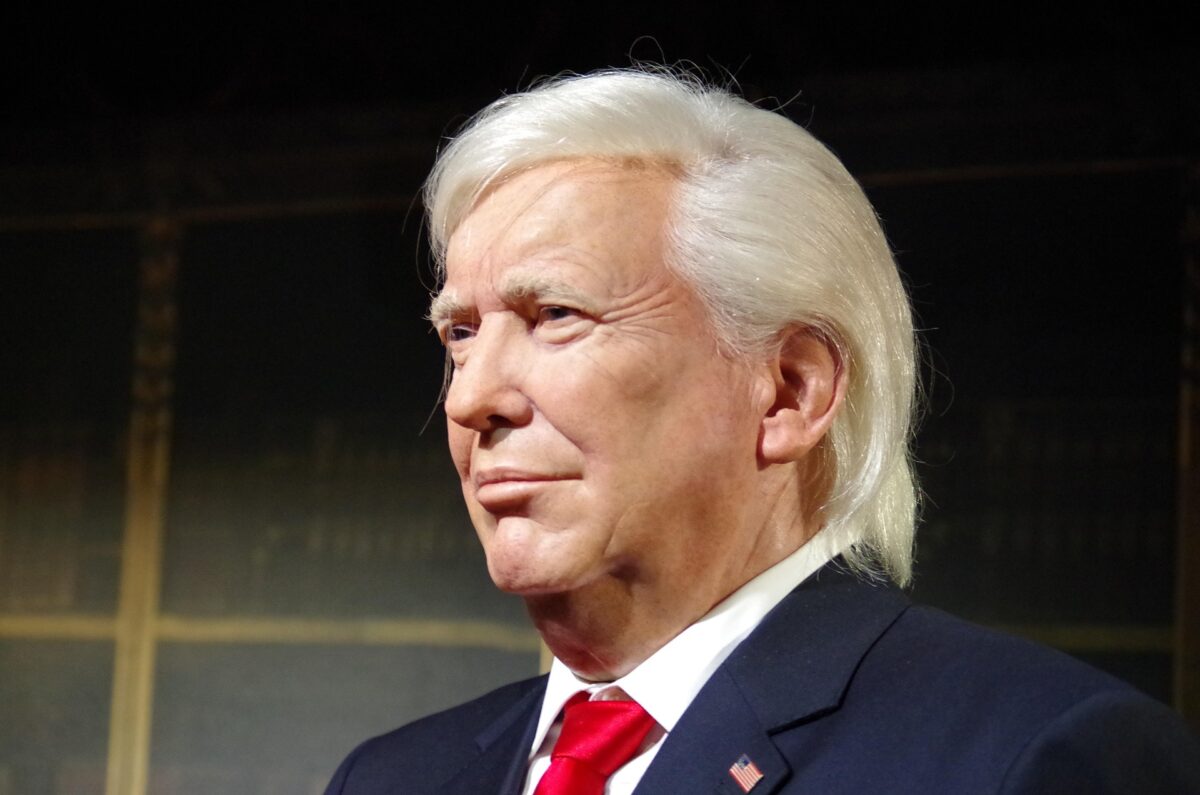
The Trump administration’s impulsive attack on Iran and its hollow memorandum of understanding (MOU) on ending the war have been condemned as a reckless gamble designed solely to bolster the president’s personal political record and ambitions.
U.S. lawmakers and leading news organizations have sharply criticized President Trump for boasting of a “complete victory” when, in reality, he achieved no strategic gains and instead brought about a diplomatic defeat by handing Iran grounds to impose fees for passage through the Strait of Hormuz.
People around the world—including Americans, Koreans and, frankly, me as I watch gas prices soar—are furious. Trump, however, has not offered so much as an apology.
A Hollow Ceasefire and the “Hormuz Bill”: Iran’s Strategic Victory
After reaching an agreement to end the war with Iran, President Trump loudly congratulated himself, claiming that the Strait of Hormuz would remain open on a “toll-free” basis.
But the draft MOU signed by the two countries told a very different story from Trump’s grandiose claims.
Trump has spent years using media theatrics and making countless false statements. Perhaps that is why people no longer believe anything he says.
Many now see his constant stream of claims as nothing more than an attempt to defend himself. The president of the world’s leading superpower has come to be regarded as a source of empty words—or outright lies—with almost no credibility.
- Iran’s right to collect fees put in writing: According to Iranian state media and international news reports, the final draft included language stating that Iran and Oman would determine maritime navigation services in the strait. In effect, the United States formally recognized Iran’s right to collect “service fees” for passage through the Strait of Hormuz.
- Only 60 days of toll-free passage: Even senior U.S. officials acknowledged that the MOU guarantees only 60 days of free passage, with the arrangements afterward left to further negotiations.
- Scathing media criticism: In an editorial, The New York Times said that none of the conditions Trump had put forward—including nuclear disarmament and regime change—had been achieved. It concluded that Iran had emerged from the war as the “strategic winner,” armed with a powerful economic weapon and unprecedented leverage at the negotiating table.
Fury and Fierce Criticism in Washington
Across the political spectrum, lawmakers have expressed deep concern and anger over President Trump’s irresponsible conduct of the war.
- Democrats condemn an “unjustified war”: Democratic lawmakers, including Korean American Sen. Andy Kim, accused the Trump administration of launching the war at the president’s sole discretion, without evidence of a specific “imminent threat.” Critics say Trump decided to attack first and only afterward constructed a justification.
- Questions over the agreement’s secrecy: The Washington Post took aim at the Trump administration for failing to release the full text of the agreement immediately, asking, “If you really won, why are you hiding the details?” The paper criticized what it described as an opaque, backroom negotiation.
- Conservatives begin to turn away: Even within the MAGA movement, the core of Trump’s support, skepticism is growing over the reckless use of military force and the resulting U.S. military casualties.
What Comes Next: Rising Uncertainty and a Growing Burden on Allies
Media outlets and experts are forecasting extreme instability in both the Middle East and the global economy.
- Disputes over tolls and difficult working-level negotiations: It is expected to take considerable time before the Strait of Hormuz returns to normal operation. Once the 60-day grace period ends, maritime logistics in the Middle East could seize up again if Iran begins demanding annual security-service fees worth $100 billion, or roughly 150 trillion won.
- A “bill for the allies”: President Trump has been subtly pressuring allies to deploy naval vessels, including at G7 summits. According to YTN, the international community is on high alert, warning that “the United States—and Trump—will take the credit, while allies such as South Korea will be left to shoulder the defense costs and the risks surrounding the Strait of Hormuz.”
How Far Will Trump’s Reckless Ambition Go?
The U.S.-Iran war and its hastily arranged agreement offer a stark illustration of the extreme arrogance and greed of Donald Trump the politician.
Around his birthday on June 14, President Trump staged a grand political spectacle—a supposed “historic breakthrough with Iran”—and continued to boast about it as if it were the greatest achievement of his career.
The world is not steadily becoming a better place. Instead, it is growing narrower and more selfish, shaped by a small number of people consumed by a sense of entitlement.
It has been reported that only select groups chosen by Trump were allowed into his birthday celebration. I cannot help but feel that the United States is becoming increasingly Nazi-like. Hitler’s ambitions plunged the world into a state of war in which death became ordinary, and I see troubling parallels with the present situation.
At one point, I believed his plans were intended to advance the victory of liberal democracy in the broader interest of humanity. I even regarded his use of military force to seize and detain Venezuela‘s president as defensible in that context. Venezuela’s authoritarian government had left its people impoverished and struggling, and I thought that although the method was wrong, overthrowing the regime and transforming the country into a free-market democracy might ultimately produce a positive result.
But Trump’s true nature is increasingly coming to the surface.
“America First,” in practice, means that every other country must sacrifice for the sake of the United States.
Wasn’t Trump the one who, unwilling to send U.S. troops into wars he had started because of domestic criticism, implicitly told NATO, South Korea and Japan: “You go instead”?
He is a reckless man who fell for Benjamin Netanyahu‘s sweet talk, launched a war he could not take responsibility for, caused misery for people around the world, and still insists that he won and did everything right.
Yet behind the reckless spectacle of his lavish 80th-birthday celebration are countless U.S. military casualties, control of the Strait of Hormuz ceded to Iran, and enormous economic bills that allies will be forced to pay.
Trump’s reckless gamble—sacrificing international security and the interests of his allies for his own reelection and hunger for power—will go down in diplomatic history as one of the worst blunders ever made, as the cold assessments from U.S. lawmakers and the media make clear.
I have one request for American voters: Please choose a president who is truly fit for the job.
FAQ
Q1. What does President Trump’s claim of a “complete victory” actually mean?
A. President Trump claims that the military action and the agreement ending the war brought stability to the Middle East. Critics, however, say that the original objectives—including resolving the nuclear issue, changing the regime and stabilizing the region—were not meaningfully achieved.
Q2. Why is the Strait of Hormuz so important?
A. The Strait of Hormuz is a vital channel for global oil shipments. Restrictions on passage or higher fees could drive up international oil prices and directly affect the economies of energy-importing countries, including South Korea.
Q3. What did Iran gain from the agreement?
A. From a critical perspective, Iran secured grounds to expand its influence over the operation of the Strait of Hormuz and maritime services. It may also gain greater leverage in future negotiations over transit tolls and security-service fees.
Q4. Has the decision been criticized within the United States?
A. Yes. Democrats, along with some Republicans and conservatives, have voiced concern and criticism over the lack of a clear justification for the war, the opaque negotiation process and U.S. military casualties.
Q5. How could South Korea be affected?
A. Because South Korea relies heavily on imported crude oil, continued instability in the Strait of Hormuz could lead to higher energy prices and increased shipping costs. South Korea could also face greater diplomatic and security burdens if the United States asks its allies to expand their security role in the Middle East.