Why the Gripen Fighter Is Drawing Fresh Attention
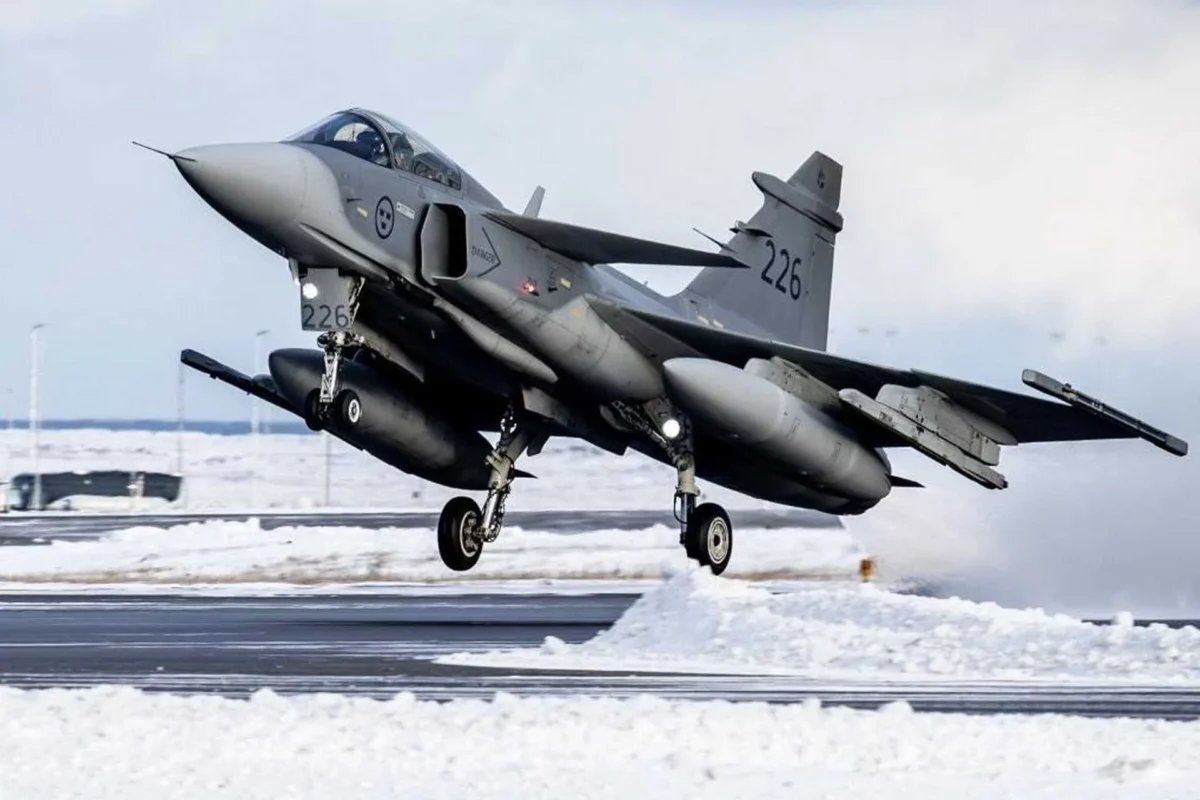
Sweden’s Saab Gripen E fighter is once again making a strong showing in fighter procurement programs around the world.
For years, attention centered on the F-35 Lightning II, the fifth-generation stealth fighter. But the Gripen is now being reassessed as a fighter that is genuinely practical to operate, prompting several countries to consider buying it or expanding their existing fleets.
Brazil and Canada are two prominent examples. Brazil is pursuing 20 additional Gripen E/F aircraft on top of its existing contract for 36, while Canada is considering a mixed fleet of up to 72 Gripens alongside its F-35s.
As you may know, the Gripen has been sold to a handful of countries, including Thailand, but for many years it was largely overlooked.
Rafale, too, was initially shunned before enjoying its strongest market performance in nearly a decade. So why has the F-35 failed to dominate the market, and how has the once-struggling Gripen managed to come back to life?
Lower Operating Costs
The biggest reason the Gripen is attracting attention is its cost efficiency.
With modern fighter aircraft, the purchase price is only part of the equation. The sustainment costs accumulated over decades matter even more. The F-35 offers impressive capabilities, but its maintenance and support infrastructure is complex and expensive.
By contrast, the Gripen has relatively low operating costs and a simpler maintenance system. It can be serviced by a small crew and rearmed and refueled in a short time, allowing it to maintain a high availability rate even during wartime.
Can Operate Without a Conventional Runway
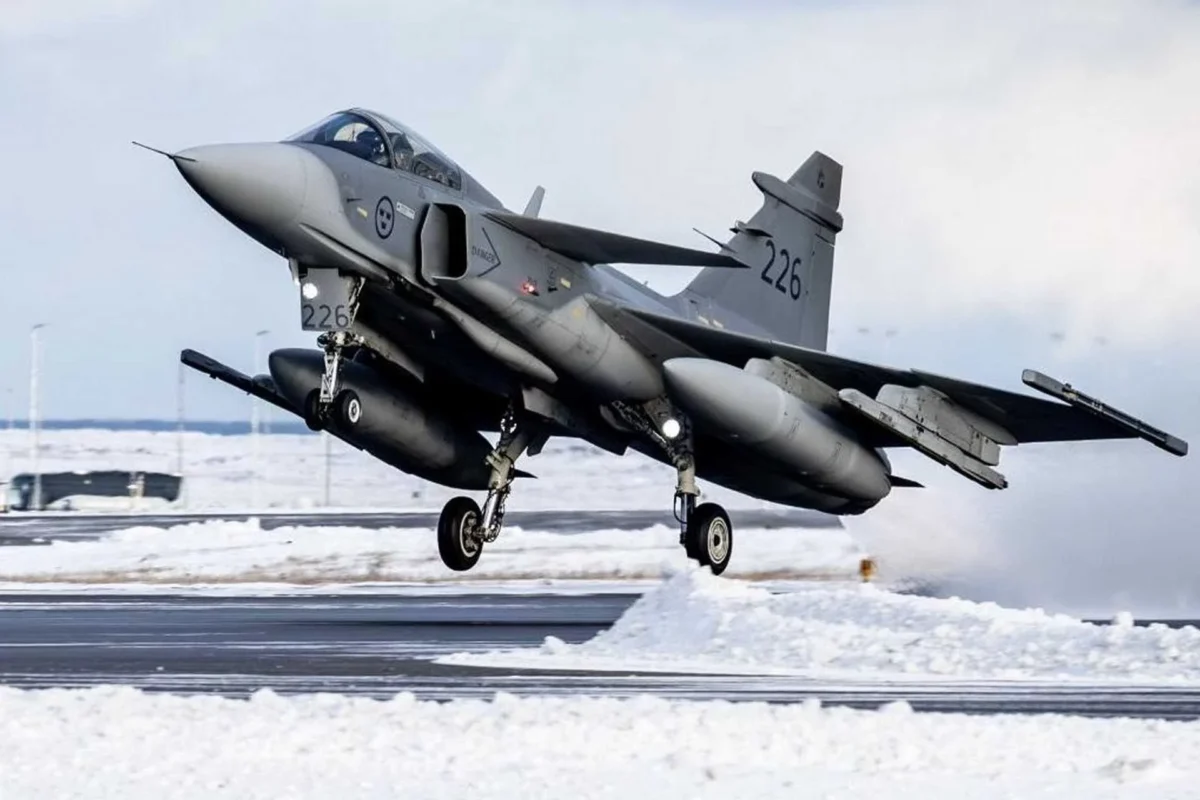
One of the Gripen’s most distinctive features is its ability to operate from dispersed locations.
During the Cold War, Sweden designed the aircraft to keep flying from ordinary roads even if its major air bases were destroyed in a Soviet attack.
As a result, the Gripen can take off and land on short runways and highways, and can be operated by small maintenance teams. This is precisely why Canada is considering the aircraft for Arctic defense and territorial surveillance.
Modern Avionics and Powerful Weapons
Its lower price does not mean the Gripen falls short in capability.
The latest Gripen E/F is equipped with advanced systems including:
- AESA radar
- Infrared search and track (IRST)
- An integrated electronic warfare system
- A network-enabled datalink
- The long-range Meteor air-to-air missile
The Meteor is widely regarded as one of the world’s most capable air-to-air weapons, giving the Gripen a significant advantage in long-range engagements. Brazil has already successfully conducted live-fire tests.
An Advantage in National Sovereignty
Another reason countries are taking an interest in the Gripen is the opportunity for technology transfer and domestic industrial development.
Brazil is already assembling and producing Gripens domestically and hopes eventually to acquire the technology needed for research and development as well as maintenance.
If Canada selects the Gripen, it is likewise considering domestic final assembly, maintenance and software management. The move would reduce dependence on a U.S.-centered system and give Canada greater control at the national level.
A Platform Suited to the Drone Era
Modern warfare is no longer simply about fighter aircraft fighting one another.
Manned-unmanned teaming is emerging as a central concept in the next generation of air combat.
Brazil’s jointly developed two-seat Gripen F is designed to support drone control, battlespace management and electronic warfare missions from the rear cockpit. The concept also envisions the fighter directing both its own operations and a formation of drones in future combat.
Demand Is Surging
Brazil and Canada are not the only countries showing interest in the Gripen.
- Brazil is pursuing additional aircraft
- Colombia has signed a purchase agreement
- Thailand is considering additional aircraft
- Ukraine is considering acquiring the aircraft
- Canada is evaluating a mixed fleet
Some observers now say production capacity may struggle to keep pace with demand. Engine and radar manufacturing capacity are expected to be key factors shaping future supply.
The Gripen Is Back in the Spotlight
The Gripen’s renewed appeal is not simply a matter of performance.
The fighter market is shifting away from an era focused solely on the highest possible capability and toward forces that can realistically be maintained and operated.
If the F-35 is the premier stealth fighter, the Gripen is increasingly viewed as a practical alternative that offers comparatively low operating costs, high availability, advanced avionics and strong industrial cooperation opportunities.
Ultimately, the Gripen’s resurgence is significant because it is being reassessed as more than just a cost-effective fighter. It is emerging as a platform capable of meeting the future air force’s demands for affordability, strategic autonomy and survivability at the same time.