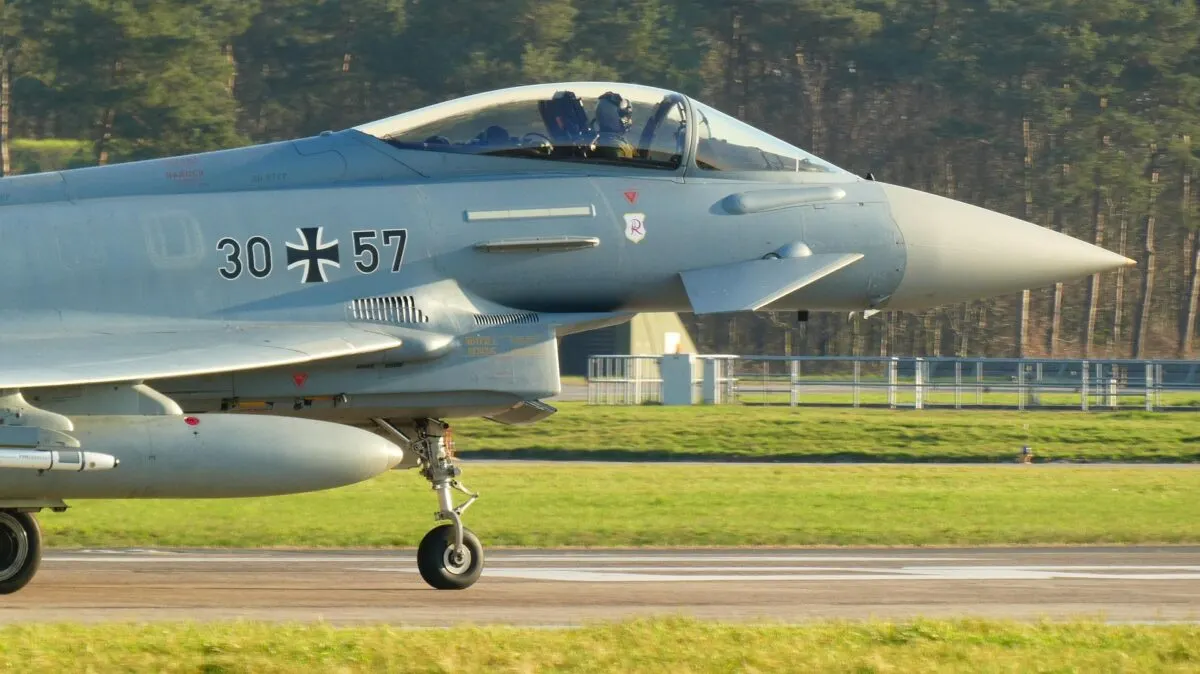
FCAS (Future Combat Air System) Partnership Falls Apart Again
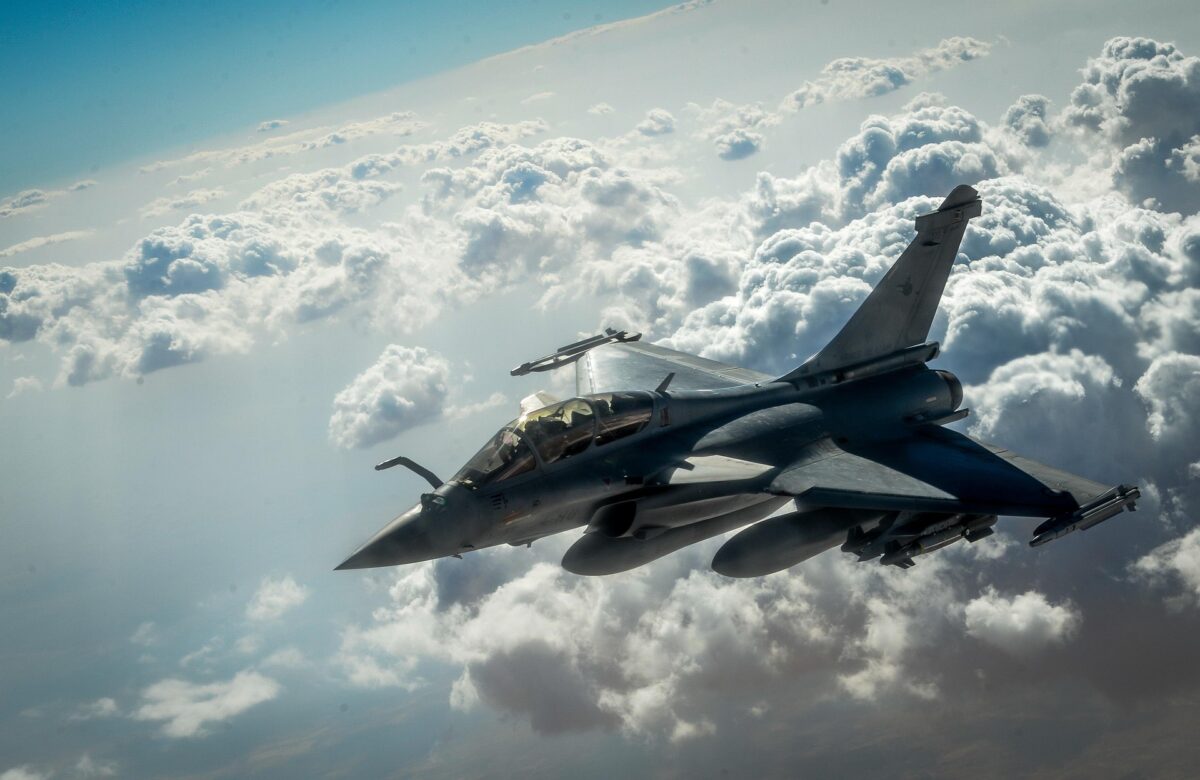
FCAS is a French, German and Spanish initiative to develop Europe’s next-generation sixth-generation fighter and broader air-combat system, with operational deployment targeted for 2040.
But the partners ultimately failed to overcome differences in their military requirements and a bitter struggle for leadership among defense contractors, bringing the joint fighter-development project to a definitive breakdown.
And this is not the first time. France and Germany have pursued several defense-industrial projects together over the years. Each time, the pattern has been remarkably consistent: cooperation begins with apparent momentum, only to collapse before reaching the finish line.
A History of Failed Defense Cooperation
The two countries have repeatedly tried to build major weapons systems together as symbols of European integration. Yet their disagreements have consistently driven them back toward separate national paths.
- 1980s: The Next-Generation Fighter Split (Eurofighter vs. Rafale)
- What happened: France, Germany and the United Kingdom, among others, joined forces to develop a European next-generation fighter.
- Outcome: France insisted on requirements tailored to carrier operations and nuclear-weapons delivery, then chose to pursue its own path. That decision led to the development of the Rafale. Germany joined the United Kingdom, Italy and Spain to develop the Eurofighter Typhoon, splitting the program into two completely separate camps.
- 2010s to the Present: The MGCS Main Battle Tank Program Stalls
- What happened: France and Germany established the joint venture KNDS to develop the Main Ground Combat System, intended to replace Germany’s Leopard 2 and France’s Leclerc tanks.
- Outcome: A dispute over ownership shares and design leadership between Germany’s leading tank makers—Rheinmetall and Krauss-Maffei Wegmann—and France’s Nexter has slowed the program to a crawl. It is now effectively drifting without a clear path forward.
- June 2026: The FCAS Sixth-Generation Fighter Program Officially Collapses
- What happened: Launched in 2017 under French President Emmanuel Macron and German Chancellor Angela Merkel, the €100 billion project was intended to strengthen Europe’s ability to defend itself.
- Outcome: France’s lead contractor, Dassault, and Germany’s Airbus spent nearly nine years deadlocked over technology ownership and control of the core workshare. In the end, the two sides failed to reconcile their differing military requirements, and the joint development of the manned fighter officially broke down.
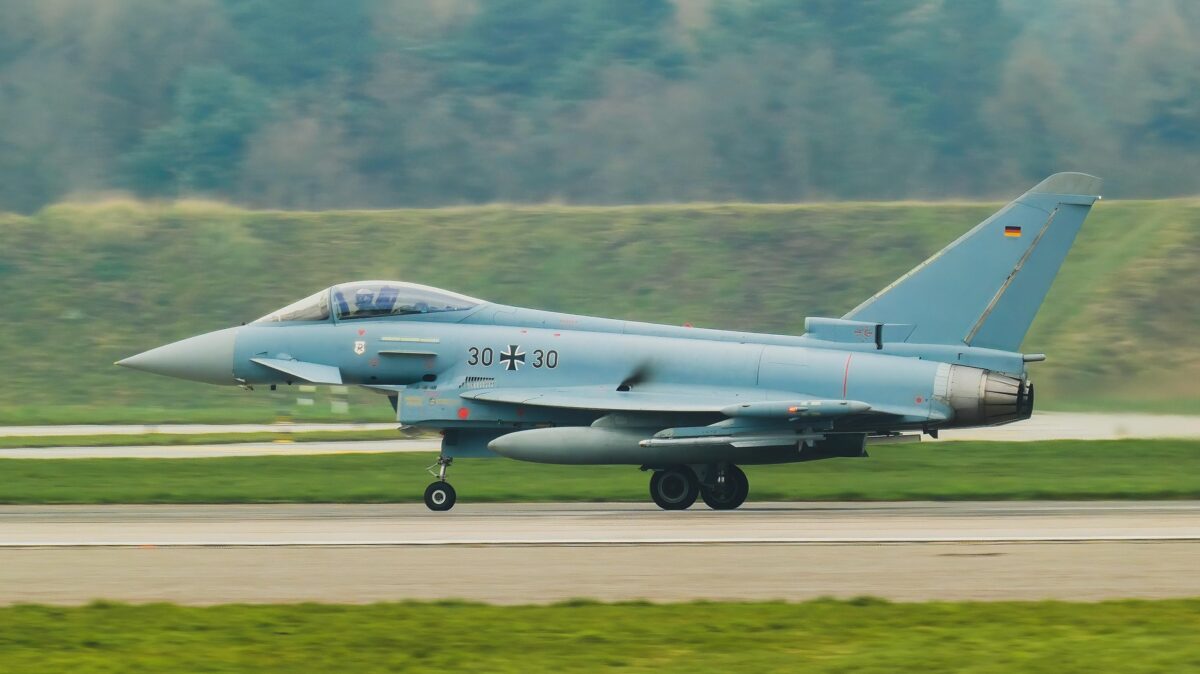
What Were the Two Countries Trying to Build? The Main Components
FCAS was never intended to be merely a single fighter aircraft. It was conceived as a “system of systems” in which multiple assets would operate as an integrated whole.
- New Generation Fighter (NGF): The core manned sixth-generation fighter, intended to replace France’s Rafale and Germany and Spain’s Eurofighter Typhoon.
- Remote Carriers: Swarms of unmanned drones designed to support the fighter while carrying out reconnaissance and strike missions.
- Combat Cloud: A network hub that would use artificial intelligence and information technology to connect data from manned and unmanned aircraft, satellites and ground assets in real time.
Why FCAS Broke Down and Was Suspended: The Latest Developments as of June 2026
In June 2026, France and Germany agreed to stop pursuing the joint development of the program’s primary fighter, the NGF.
- Leadership disputes among defense contractors: France’s Dassault Aviation and European aerospace giant Airbus spent years deadlocked over workshare, technology ownership and design authority. Dassault rejected joint management and insisted on pursuing its own course.
- Conflicting military requirements: France made nuclear-weapons capability and carrier operations essential requirements. Germany, which has neither aircraft carriers nor nuclear weapons, wanted a fast air-superiority fighter. The two sides could not find common ground.
- What comes next: Although the joint development of the manned sixth-generation fighter has been canceled, some networked cooperation involving drones, sensors and the combat-cloud system is expected to continue. Immediately after the breakdown, Germany began considering a new independent or alternative sixth-generation fighter program.
Impact on the Defense Market
- The limits of European defense integration: The collapse of a massive €100 billion program has dealt a serious blow to Europe’s drive to build an independent defense-industrial base.
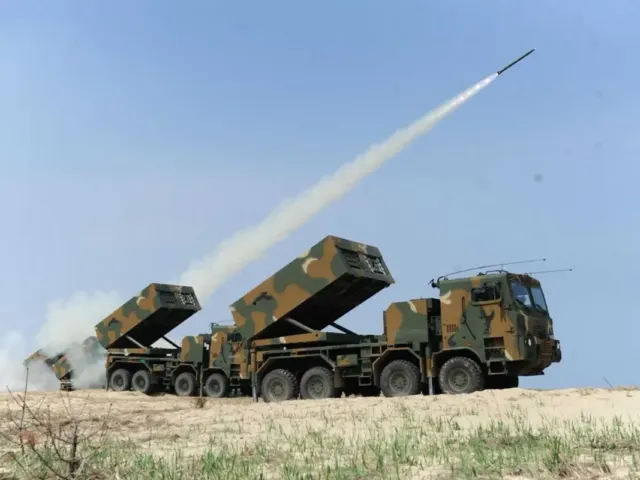
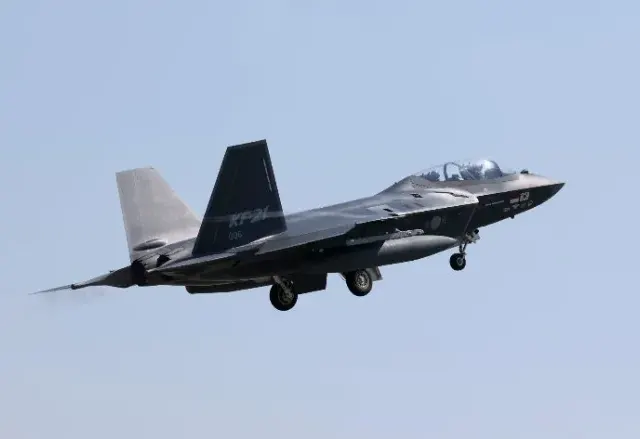
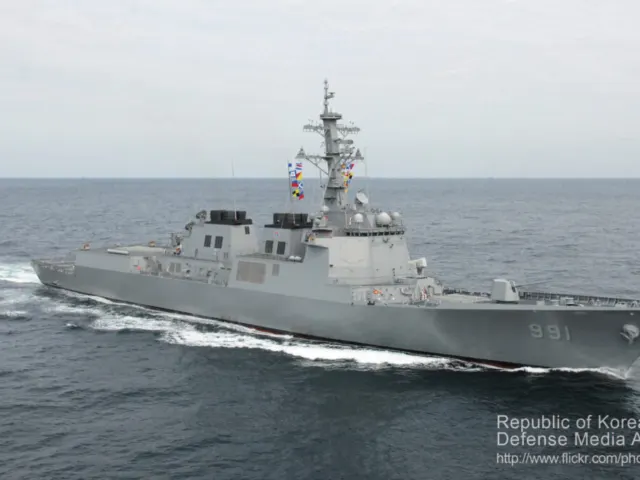
- Potential windfall for South Korea’s defense industry (KF-21): As Europe’s internal divisions delay entry into the sixth-generation fighter market, South Korea’s KF-21 fighter and other domestically developed weapons systems are emerging as alternatives in European markets, including Poland, creating opportunities for expanded exports.
Why Do They Keep Failing? A Structural Analysis
Three fundamental mismatches explain why the security partnership between Germany and France repeatedly breaks down at the weapons-development stage.
① Completely Different Strategic Cultures and Military Requirements
The two countries have fundamentally different ideas about where and how their armed forces should be used.
- France: Expeditionary power projection: France places a premium on rapid overseas deployments and the ability to project force independently in order to protect its remaining territories and interests around the world, including in Africa. It therefore insists on a light aircraft capable of operating from aircraft carriers and on the ability to carry nuclear missiles.
- Germany: Defensive territorial defense: Germany focuses on defending against a major war within the NATO framework and has no need for weapons designed for overseas attacks or for aircraft carriers. It wants a heavier, land-based fighter with greater payload capacity and longer range than France’s preferred design.
② A Power Struggle Over Industrial Leadership and Technology Ownership
Corporate rivalries and nationalism stand in the way of cooperation.
- France argued that a purely national defense contractor such as Dassault Aviation should retain exclusive authority over fighter design, reportedly seeking an 80 percent share or similar control. France is deeply reluctant to allow sensitive technology to leak abroad.
- Germany countered that, as a major financial contributor, it deserved an equal technology share and a meaningful role in design through Airbus. Berlin rejected any arrangement in which the government supplied the money while France controlled the technology.
③ Opposing Arms-Export Policies
The two countries also disagree over where weapons should be sold once they are built, preventing the partnership from generating commercial synergies.
- France takes a highly open and pragmatic approach to arms exports to third countries, including those in the Middle East and Asia, in order to sustain its defense-industrial base.
- Germany operates under strict legal and political guidelines that limit arms exports over human-rights concerns and to conflict zones. From France’s perspective, cooperating with Germany creates the risk that future export opportunities could be blocked.
In other words, the central problem is a fight over each country’s share of the pie. Carrier operations are not the decisive reason for the split. That requirement could have been incorporated into the original design and adapted when needed. The United States, after all, develops aircraft for its air force and carrier aviation along similar lines.
From France’s perspective, the Rafale is selling well, so it wants a larger share of the program. Airbus is unwilling to give it that. Ultimately, the collapse reflects conflicting national interests and a desire by both sides to claim as much of the pie as possible. It is a repeat of the earlier cases—almost a carbon copy.
It is hard to understand why the two countries keep coming back to the negotiating table when they already know how this story ends. They may like each other, but they are simply not well suited to living together.
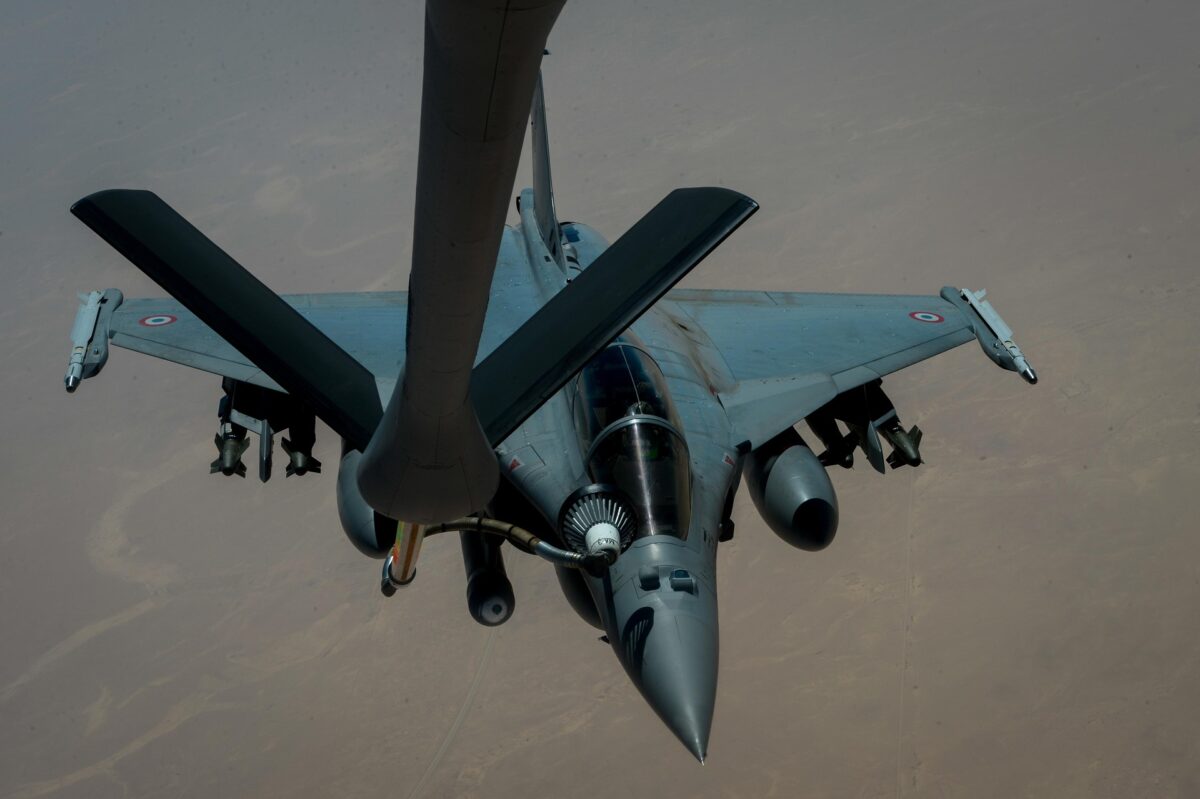
Conclusion and Outlook
The brutal history of defense cooperation between Germany and France reflects a harsh reality of the arms market: “Security and industrial leadership can never be fully shared—not even among allies.”
After the FCAS breakdown, Germany began exploring alternatives, including pursuing an independent path centered on the domestic defense consortium “Team Gen 6” or joining the British-Japanese-Italian partnership known as GCAP. France, meanwhile, is also considering the development of its own sixth-generation fighter.
The United Kingdom’s GCAP program is not progressing at full speed either. Britain wants Saudi Arabia to join, while Japan takes the opposite position. Italy, meanwhile, appears caught somewhere in between. Their relationship is hardly proceeding smoothly.
Europe’s defense fragmentation will inevitably drive up weapons-development costs and delay the deployment of new capabilities. Paradoxically, that creates a major opening for South Korea’s K-defense companies, whose competitive prices and ability to deliver quickly are helping them penetrate the European market.
FAQ
Q1. Why did the FCAS project ultimately collapse?
The central issue was the dispute between France’s Dassault and Germany’s Airbus over technology leadership and the distribution of program shares. Differences in military doctrine, arms-export policy and industrial leadership made joint development virtually impossible.
Q2. Was FCAS simply a fighter-aircraft development program?
No. FCAS was a large-scale future combat-system project based on a “system of systems” concept. It was designed to integrate a next-generation manned fighter, unmanned aircraft, an AI-enabled combat cloud, sensors and satellite networks.
Q3. Why do France and Germany clash in defense cooperation projects so often?
The two countries have fundamentally different military strategies and defense-industrial structures. France prioritizes overseas expeditionary operations and arms exports, while Germany favors a NATO-centered defensive strategy and strict export controls. Their defense companies are also unwilling to surrender control of key technologies and design authority, leading to repeated confrontations.
Q4. How will the FCAS collapse affect Europe’s defense market?
Europe’s effort to build an independent defense-industrial base has suffered a major setback. The development timeline for a next-generation fighter is likely to slip, while national development programs may gain momentum. That could lead to higher costs and delays in fielding new capabilities.
Q5. Could the FCAS collapse create an opportunity for South Korea’s K-defense industry?
It could. As Europe’s next-generation fighter programs are delayed, interest may grow in capabilities that can be acquired and fielded quickly. South Korea’s KF-21 Boramae and other K-defense systems could therefore be considered realistic options by some European countries. However, the KF-21 is not a direct replacement for sixth-generation fighters such as FCAS or GCAP, and the outcome will depend on market conditions and each country’s procurement plans.