Tesla Takes the Historic Monthly Top Spot in Korea’s Imported-Car Market
According to the Korea Automobile Importers and Distributors Association (KAIDA), Tesla has ranked No. 1 in brand sales for four consecutive months. In an even more remarkable achievement, the single model Model Y overtook Kia’s Sorento, Korea’s best-selling domestic model, to become the best-selling vehicle across the entire Korean market.
This article takes a closer look at the decline of German cars, which dominated Korea’s imported-car market for years; the stagnation of Japanese brands; and the growing influence of Tesla and Chinese electric vehicles, which have moved in to fill the gap.
1. Mercedes’ Crisis and the Collapse of Its Philosophy—Mercedes Is No Longer German, but Chinese
Mercedes-Benz‘s once-famous craftsmanship and German engineering philosophy—summed up by the old maxim, “If it isn’t the best, we don’t build it”—have come under increasing strain in recent years.
The biggest factor is excessive Chinese capital involvement and a strategy overly dependent on the Chinese market.
The Incheon Mercedes fire can be seen, above all, as the result of Chinese interests focused on making money while using cheap batteries.
- The Sinicization of its ownership structure — Beijing Automotive Group (BAIC), with a 9.98% stake, is currently the largest shareholder in Mercedes-Benz Group, while Geely, with 9.69%, is the second-largest. Combined, their holdings approach 20%, giving them substantial influence over the company’s decision-making.
- Cost-cutting and declining quality — Since Chinese capital became more influential, the company has focused increasingly on short-term profits and cost reduction, even beginning to use Chinese-made engines and components in models such as the new CLA. As a result, criticism is mounting among Korean consumers that “the value of German premium brands has disappeared and Mercedes is becoming Chinese”—or, as some put it, “Jjang-Benz.”
- The failure of its electric-vehicle strategy — Mercedes went all-in on China’s EV market, launching the oddly styled and poorly finished EQ range. Yet the lineup was thoroughly rejected, losing out to homegrown Chinese brands and Tesla. After failing to recoup its massive investment, the company has suffered a backlash that has dragged down the brand as a whole.
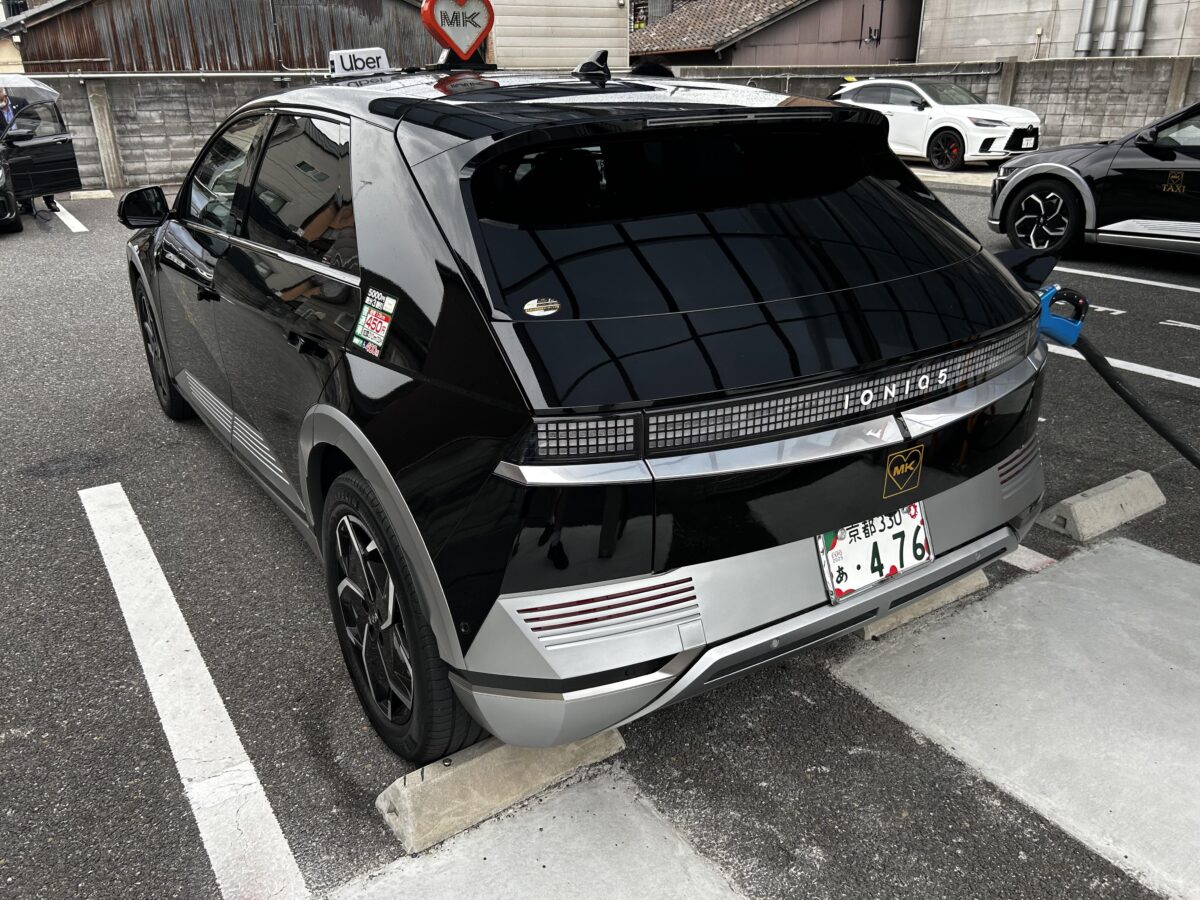
2. Japan’s Automotive Decline: Outdated Thinking and Stagnation
Japanese automakers once led the market with value for money and durability. Today, however, they have fallen badly behind the global shift in mobility.
Anyone traveling in Japan can see quite a number of Hyundai Ioniq 5 electric vehicles on the roads.
Local drivers and automotive journalists have also expressed a high level of satisfaction.
In the end, Japan is handing its own home market—the market it most wanted to protect—to Hyundai.
Obsession with Hybrids and Galápagos Syndrome
Japanese brands, led by Toyota, focused almost exclusively on defending their strength in hybrid vehicles (HEVs). In doing so, they completely missed the golden window for transitioning to battery-electric vehicles (BEVs) and autonomous-driving software.
A Lack of Software-Defined Vehicle Competitiveness
Hyundai is evolving into a maker of “smartphones on wheels,” while Japanese automakers remain rooted in analog internal-combustion-engine control technology. This outdated mindset has been a decisive factor in leading trend-conscious Korean consumers to dismiss Japanese cars as “relics of the past.”
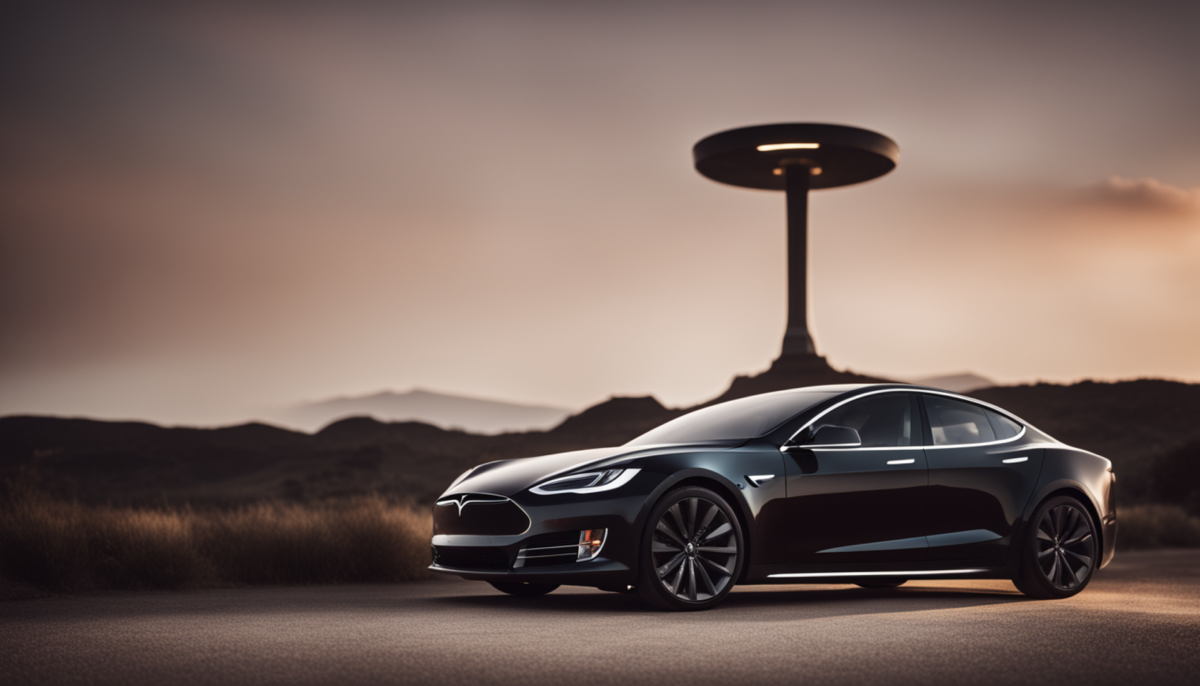
3. Why Tesla Is Dominating: Technological Innovation and the China Manufacturing Paradox
Tesla’s success in Korea rests on its distinctive software ecosystem and a price-disruption strategy that cleverly turns China’s supply chain to its own advantage.
Achieving Price Parity with LFP Batteries
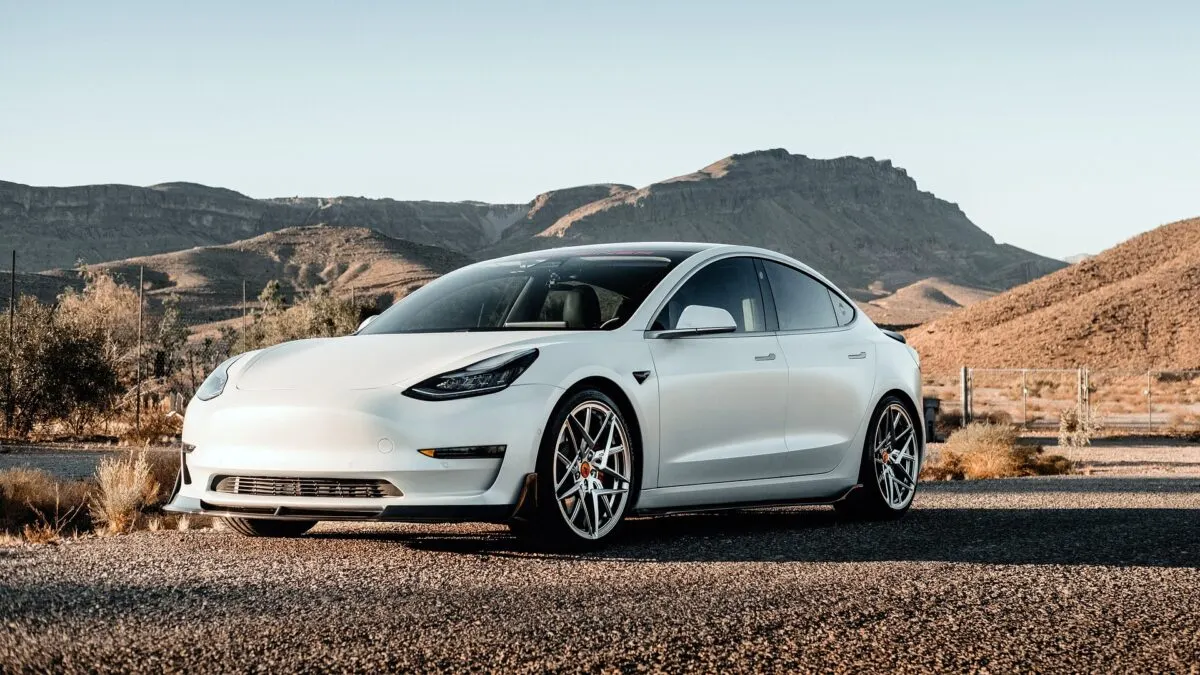
Tesla dramatically lowered the price of the Model Y RWD by using lithium iron phosphate (LFP) batteries produced at Gigafactory Shanghai. It proved to be a masterstroke, combining the appeal of an imported car with genuine value for money.
A Powerful Tech Fandom and Software Advantage
Anticipation surrounding Tesla’s advanced artificial-intelligence-based Full Self-Driving (FSD) system, along with its over-the-air (OTA) update system, has created a loyal “tech fandom,” particularly among men in their 20s to 40s. Consumers see themselves as buying not merely a car, but a stake in the technology of the future.
4. The Invisible Market Takeover by Chinese EVs: The Formula for Global Dominance
Chinese automakers such as BYD and Xiaomi are swallowing markets around the world, powered by overwhelming vertical integration in batteries, economies of scale and vast financial resources.
As everyone knows, behind China’s low prices there are often inferior raw materials and inadequate after-sales service. The system is structured not for consumers, but to benefit Chinese sellers. In other words, it is an illusion.
We must not be taken in by advertising slogans portraying BYD, Xiaomi and other companies as “the unexpected successes of the mainland.” We should not forget that Chinese products are often the ones consumers regret buying only after the purchase.
Supply-Chain and Battery Dominance
China controls more than 80% of the global supply chain for EV battery raw materials and LFP battery production. The fact that Chinese batteries and the production capacity of the Shanghai plant ultimately underpin Tesla’s rise to the No. 1 spot is further evidence of this.
A Direct B2C Assault by Chinese Automakers
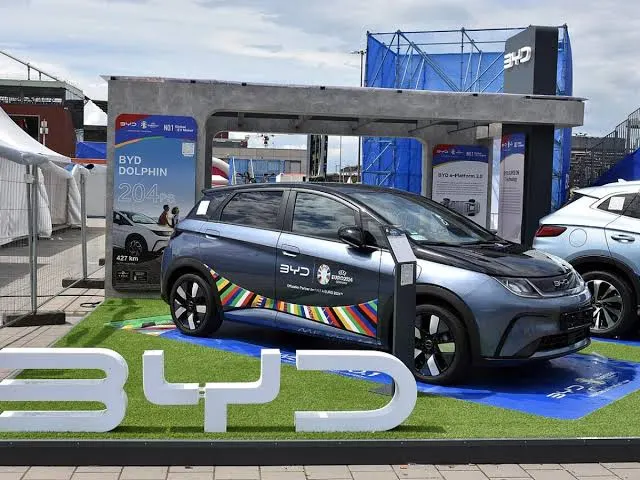
BYD has begun making its presence felt among the top ranks of imported vehicles with high-performance electric SUVs such as the Sealion 7. The technological gap that existed during the internal-combustion era has been overturned almost overnight through software and battery advantages in the EV age.
In Summary
German premium brands, which are abandoning the philosophy of traditional great marques and becoming subcontracting bases for Chinese capital, and Japanese automakers, which refused to change, are steadily losing their place in the market.
Until just 10 years ago, it would have been impossible to imagine this reality.
But as Japan and Germany decline after failing to respond to the paradigm shift—and with China accelerating that decline—the direction our own strategy should take has become much clearer.
The main reason Tesla has been able to rank No. 1 in Korea is that Tesla is the most popular model of the electric-vehicle era, while also benefiting from the Korean public’s dislike of Chinese products.
This is precisely why Hyundai and Kia should focus more on improving their brands’ value and image instead of concentrating on importing cheap Chinese batteries.
Can Samsung catch up with the iPhone? Can Hyundai and Kia surpass Tesla’s image?
It is impossible to say. But when it comes to the most important question—what we should prioritize now—I believe the answer is being demonstrated by Germany and Japan today.
Thank you.