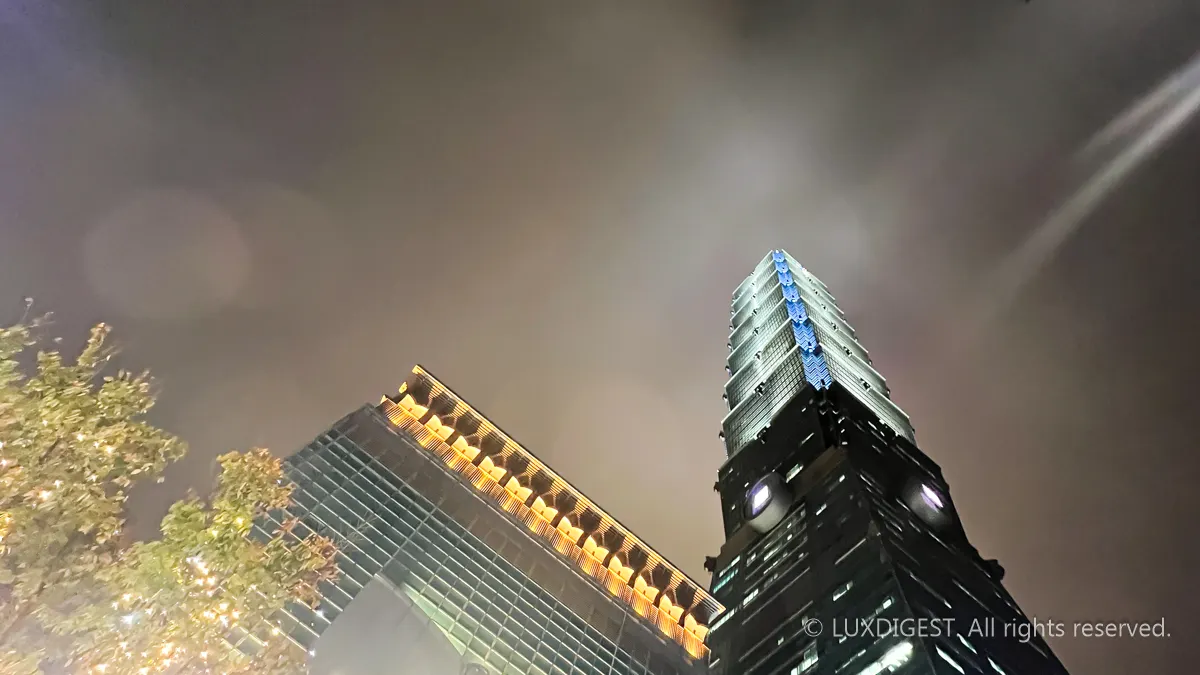
Taipei 101: A Taiwan Travel Highlight
Taipei 101 is an iconic skyscraper located in Taipei, Taiwan’s capital. Completed in 2004, it once held the title of the world’s tallest building. Standing at 508 meters with 101 floors, this architectural marvel was inspired by traditional Chinese design. Its distinctive appearance reflects sophisticated engineering designed to withstand earthquakes and typhoons—a critical feature given Taiwan’s location on a volatile tropical island that experiences frequent both natural disasters. I was there on December 28th, and remarkably, a magnitude 7+ earthquake struck around 11 PM that evening. Despite these challenging geological conditions, the building remains steadfast, testament to its robust construction.
Beyond its structural achievement, Taipei 101 symbolizes Taiwan’s economic advancement and serves as a center for international business and tourism—a source of national pride. Culturally, it functions as an iconic landmark hosting various cultural events and exhibitions. The building gains particular attention each year as the venue for New Year’s Eve countdown celebrations and fireworks displays, drawing both locals and international visitors. This multifaceted role has established Taipei 101 as a vital symbol of Taiwan’s culture and economic strength.
The building’s striking architectural design makes it highly popular among visitors.
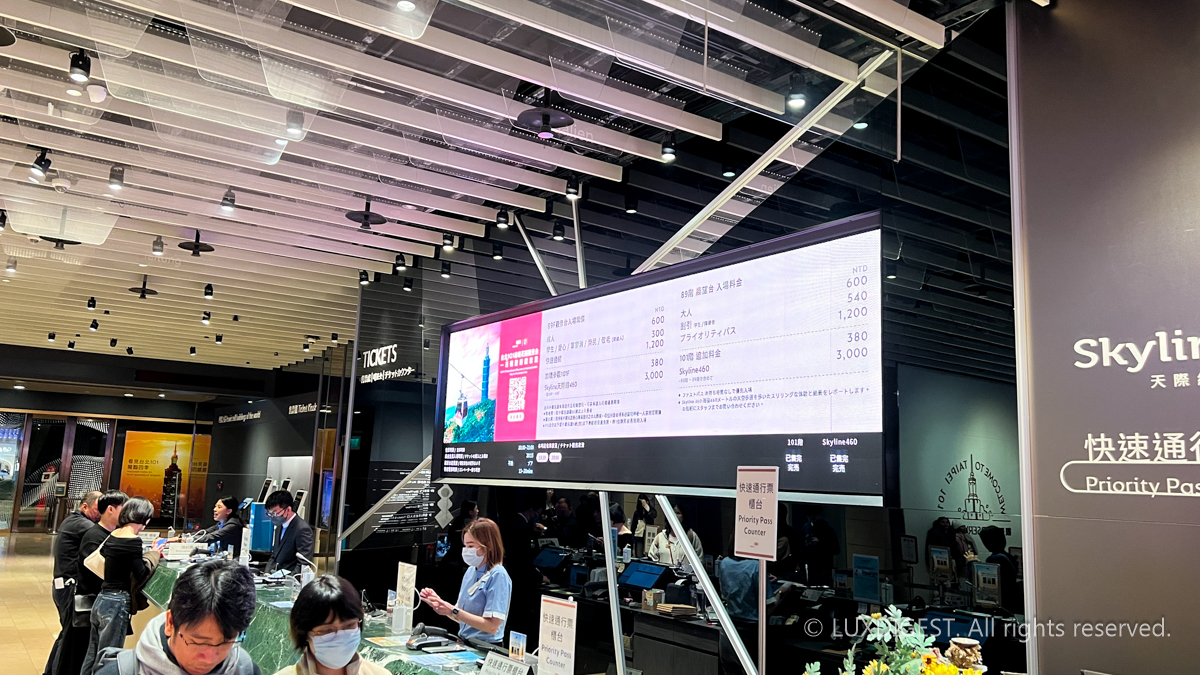
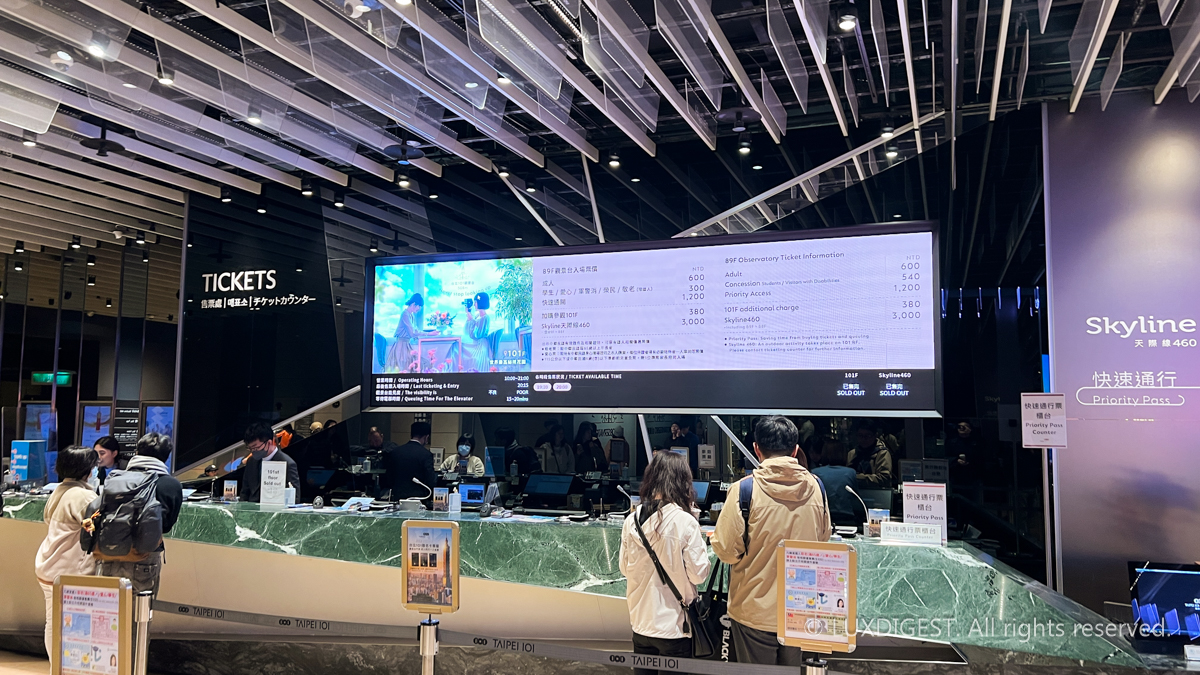
This is the ticket booth. Note that observation deck access isn’t free—you’ll need to purchase an admission ticket. For adults, the cost is 600 Taiwan dollars, which translates to approximately 28,000 Korean won. For an observation deck visit, it’s quite pricey. Still, as a major tourist attraction in Taiwan, you really can’t skip it. I’d recommend using the link below to save a few dollars rather than paying full price like I did.
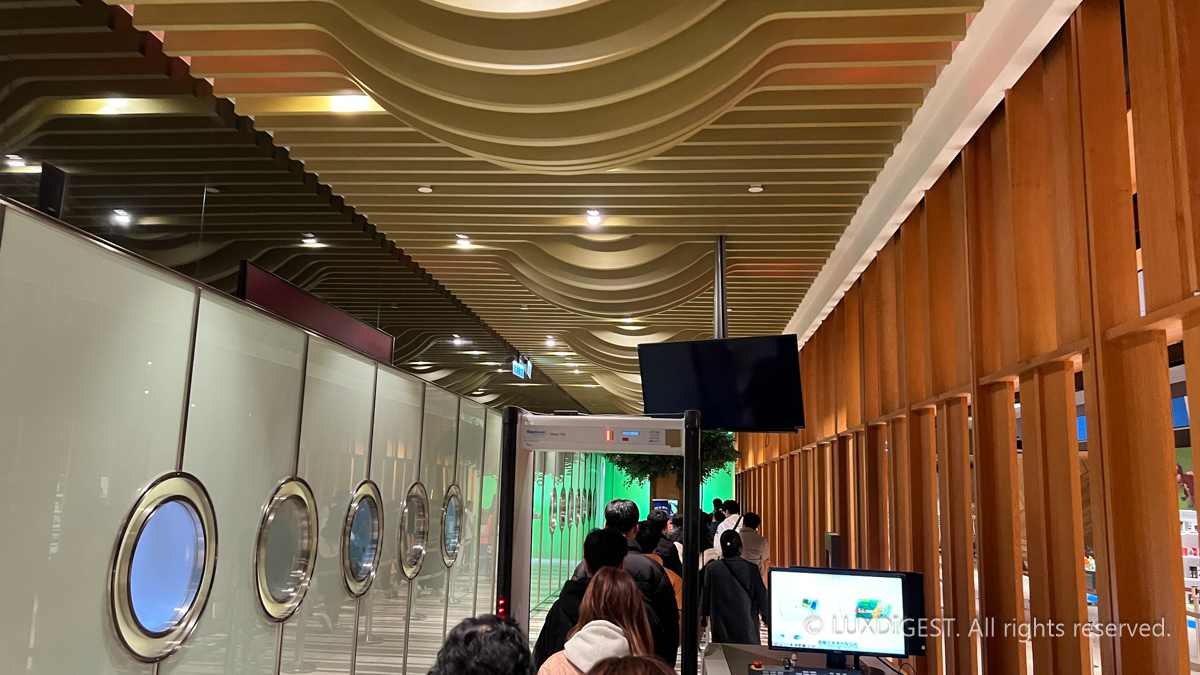
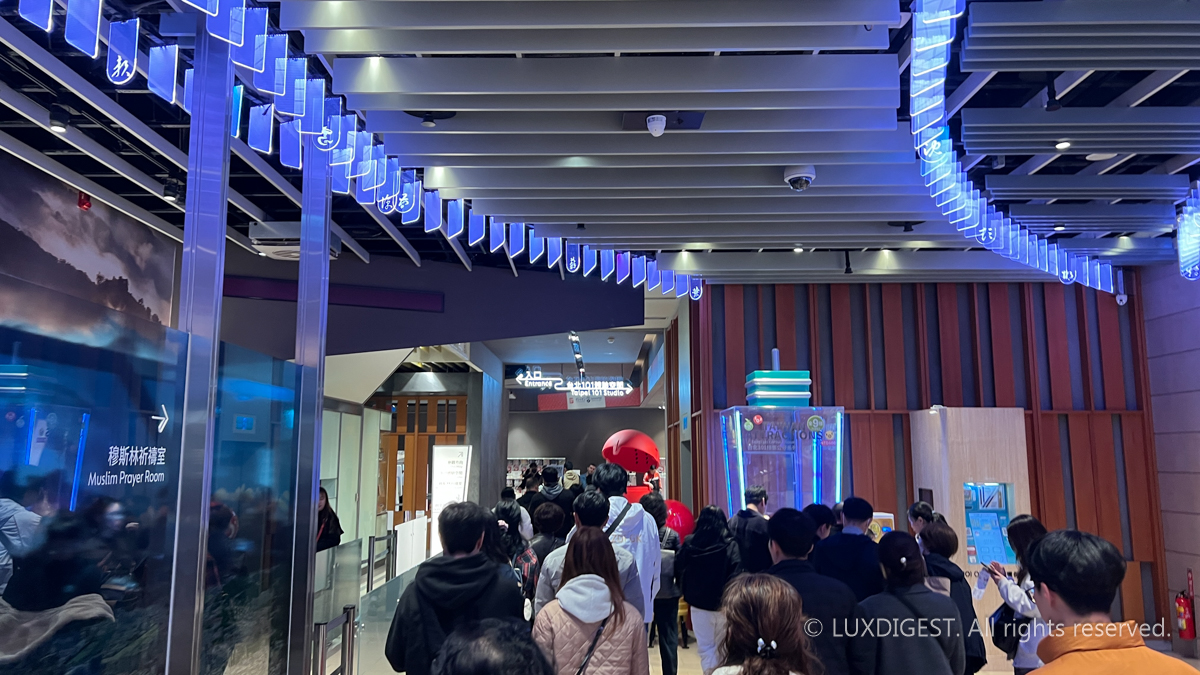
Even after purchasing your ticket, you can’t immediately head up. The pathway winds through a maze-like queuing system with multiple turns. There’s a certain feeling of being hustled after paying premium prices, and the somewhat reversed priorities make the experience slightly uncomfortable.
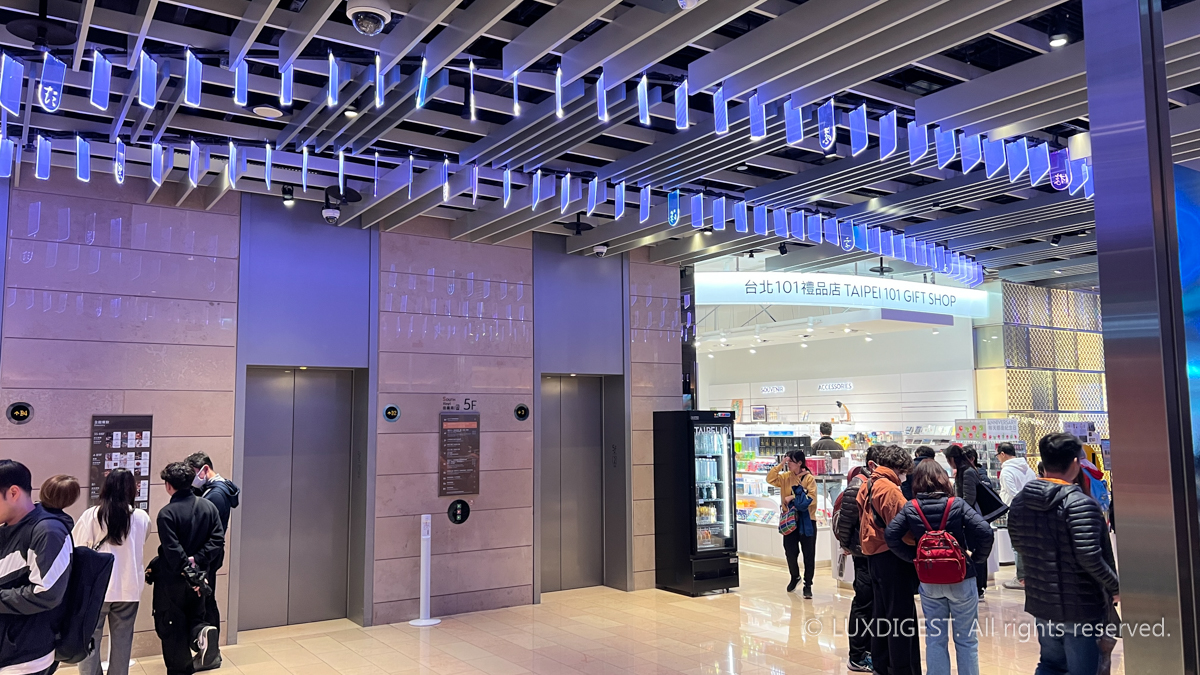
Taipei 101’s Signature: The Ultra-Fast Elevator
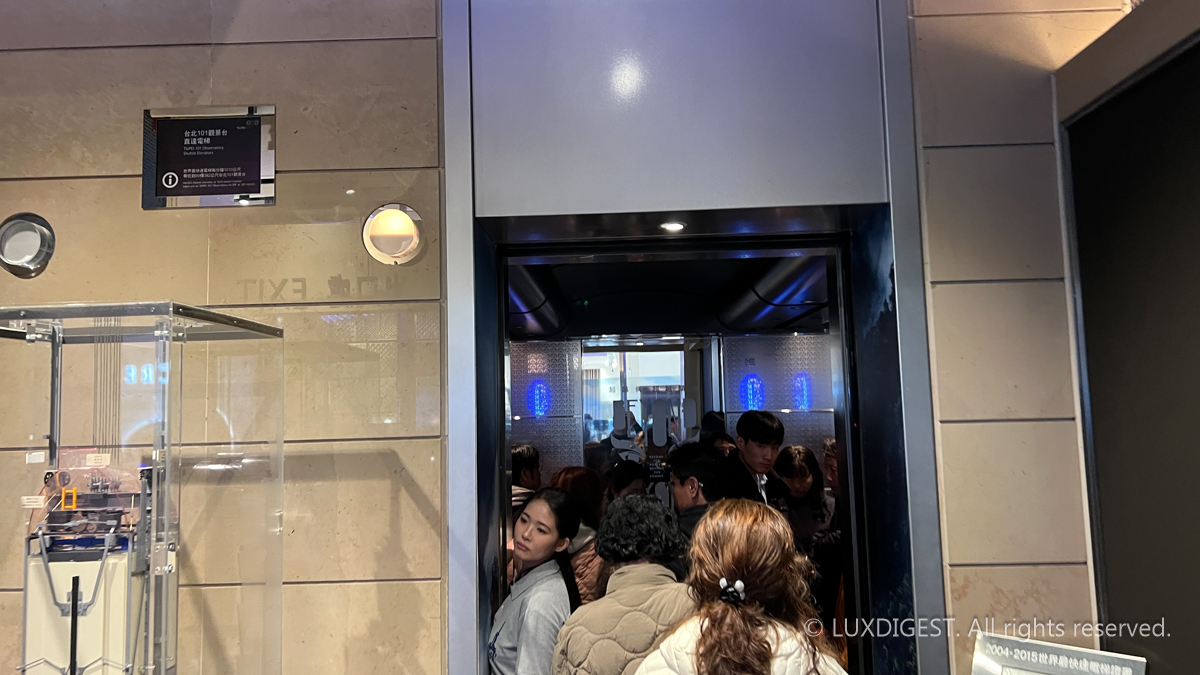
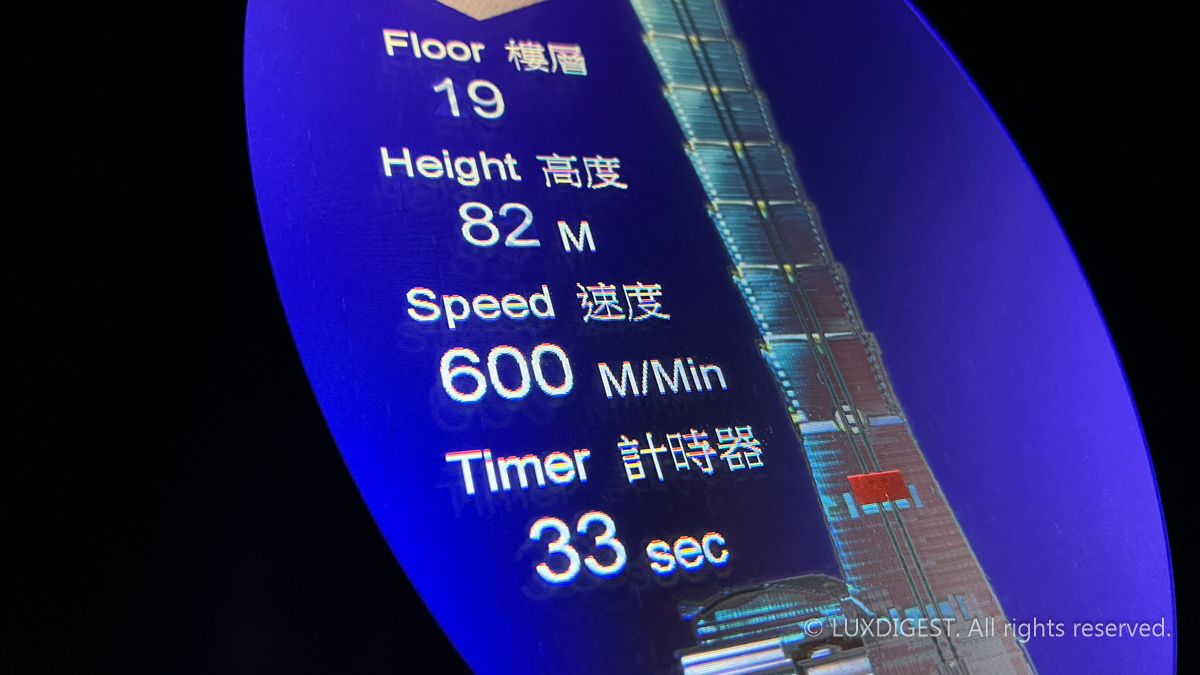
The elevator ascending to the observation deck reaches the top floor in approximately 37 seconds—incredibly fast. This elevator once held the world record for the highest speed, reaching approximately 1,010 meters per minute. Covering 508 meters in 37 seconds means the elevator travels about 13.7 meters per second—truly world-class engineering.
The sensation feels instantaneous, shooting upward at tremendous speed. The building incorporates a pressure adjustment system to counteract ear pressure changes, which I found to be quite effective—I barely felt any discomfort during the ascent. The elevator’s capacity allows for moving massive numbers of visitors, though the queuing system manages visitor flow. The observation deck has a maximum capacity of approximately 1,325 people, a figure determined by legal safety standards and crowd management requirements. Upon reaching the top, I found the space isn’t particularly spacious, so it would definitely feel cramped during peak hours.
Stunning Views, Disappointing Interior
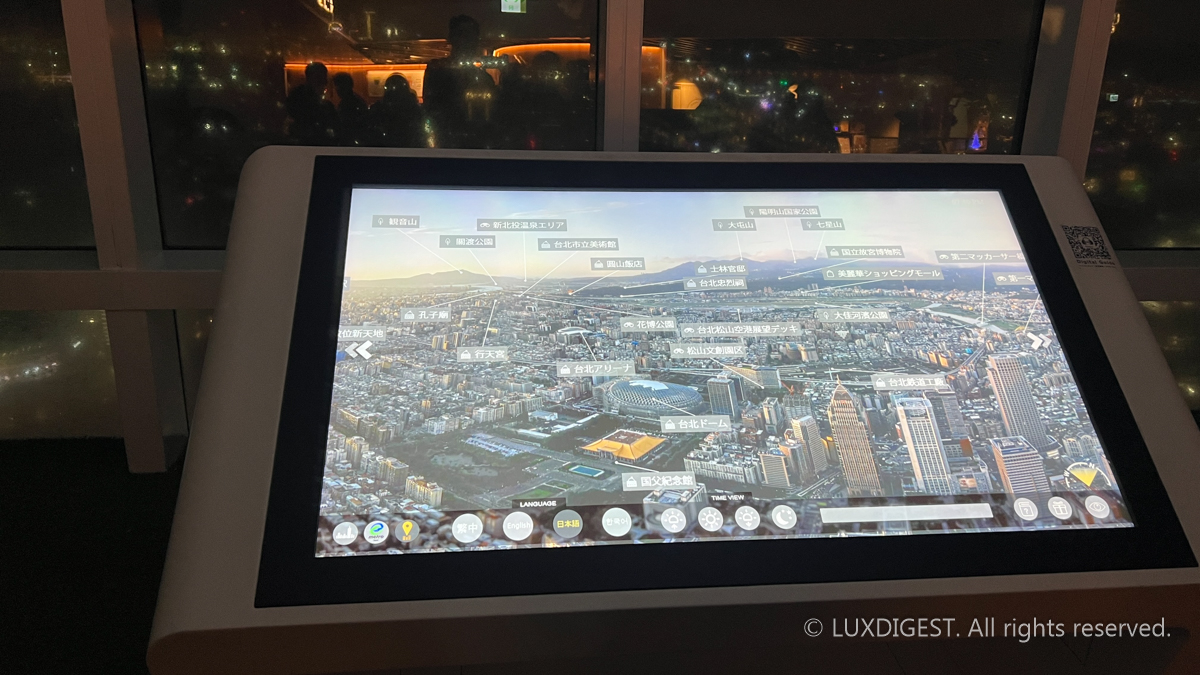
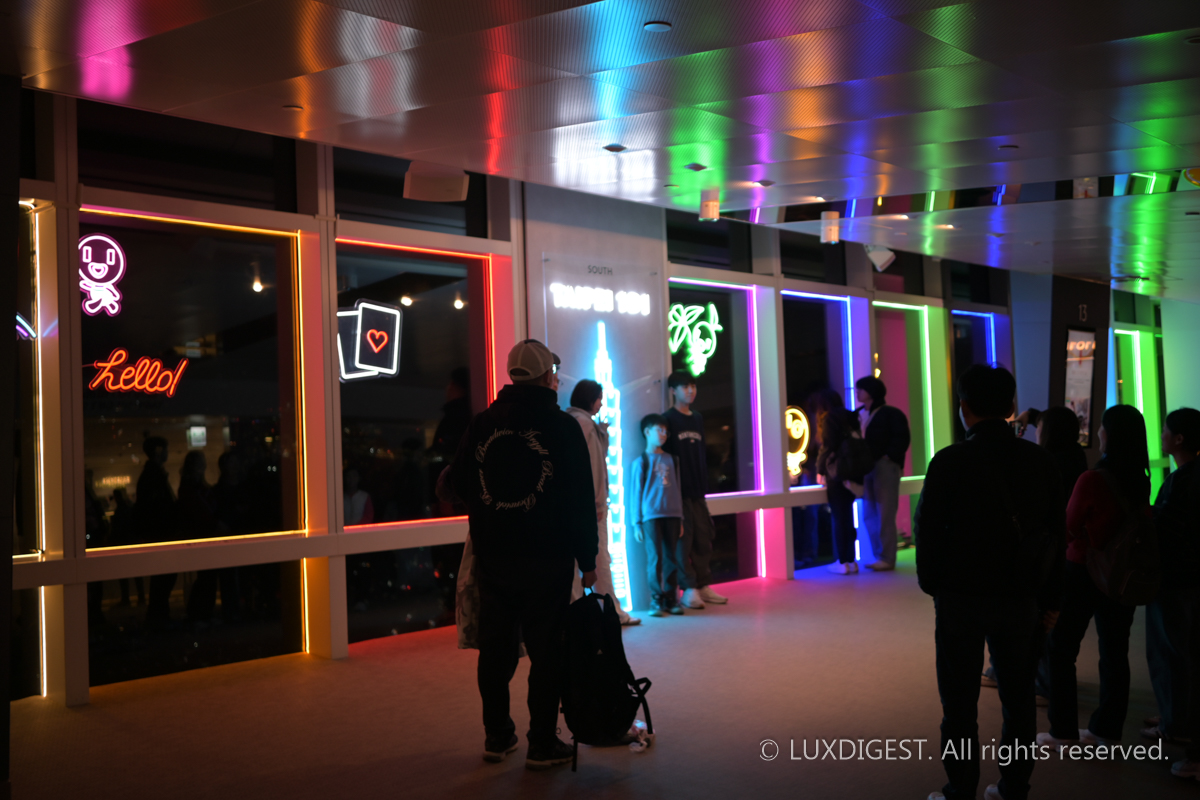
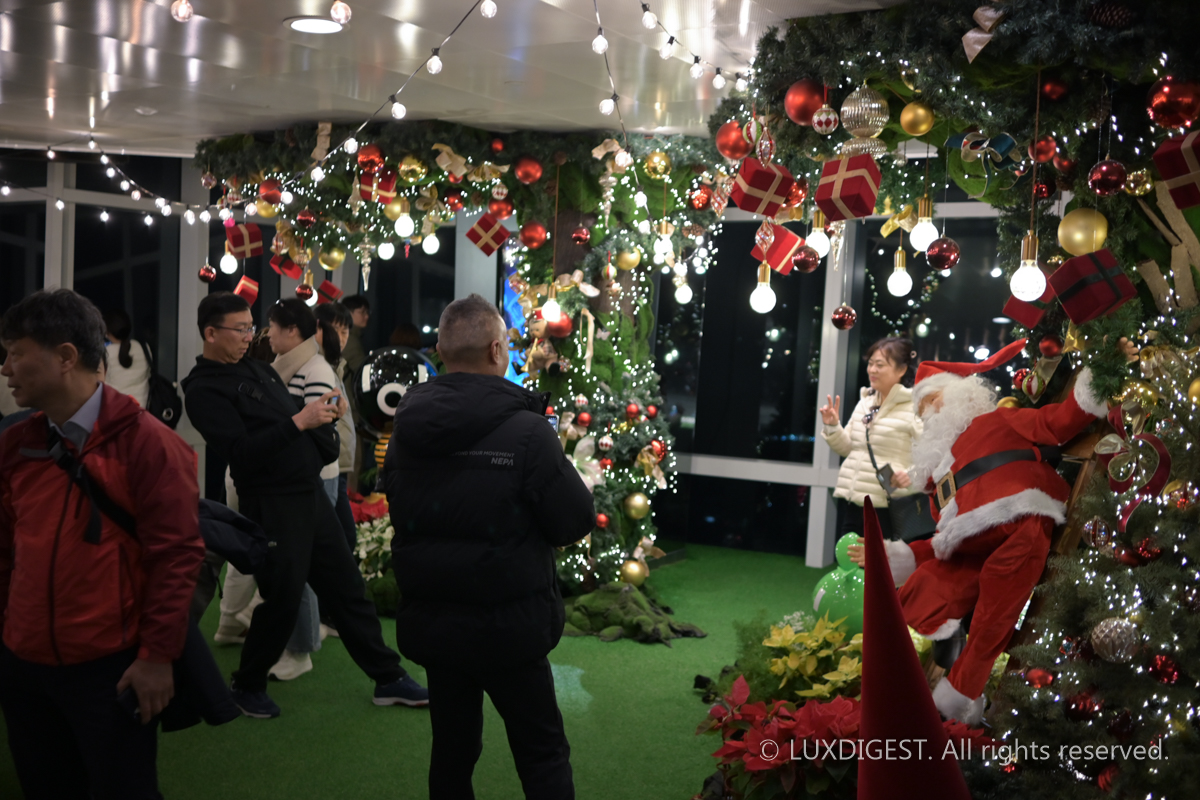
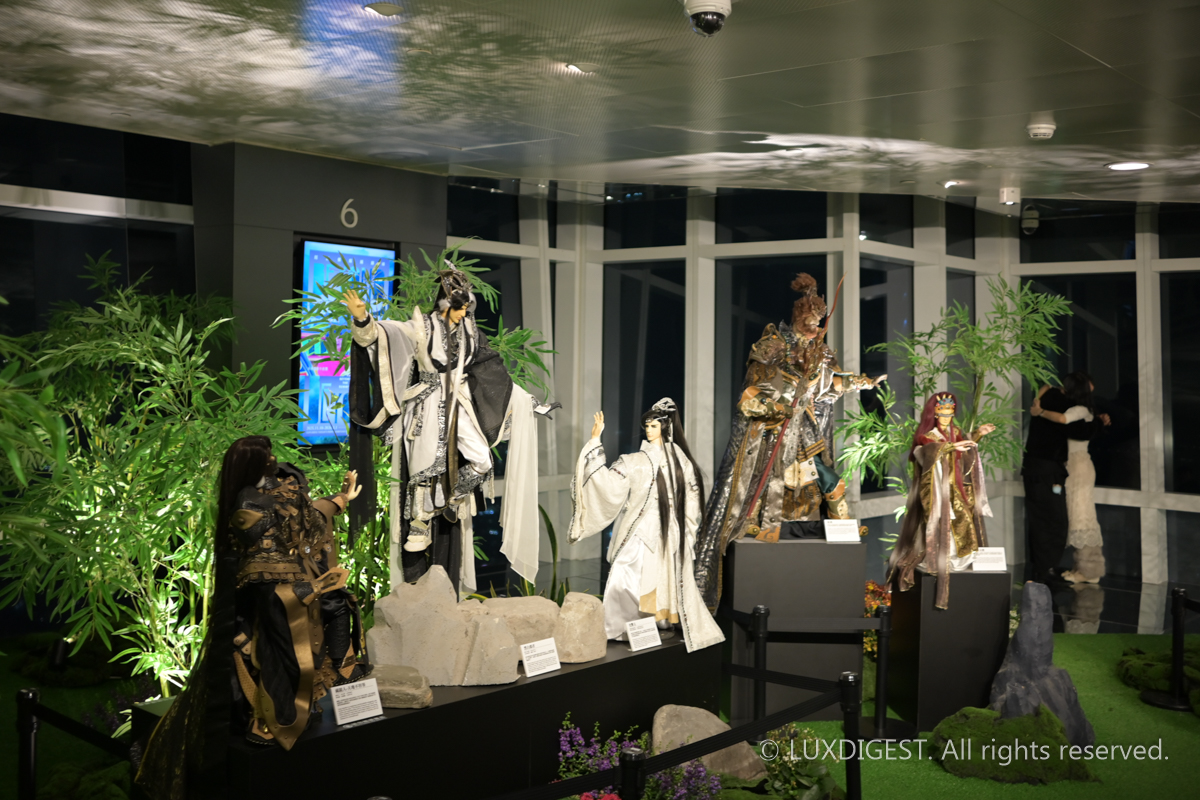
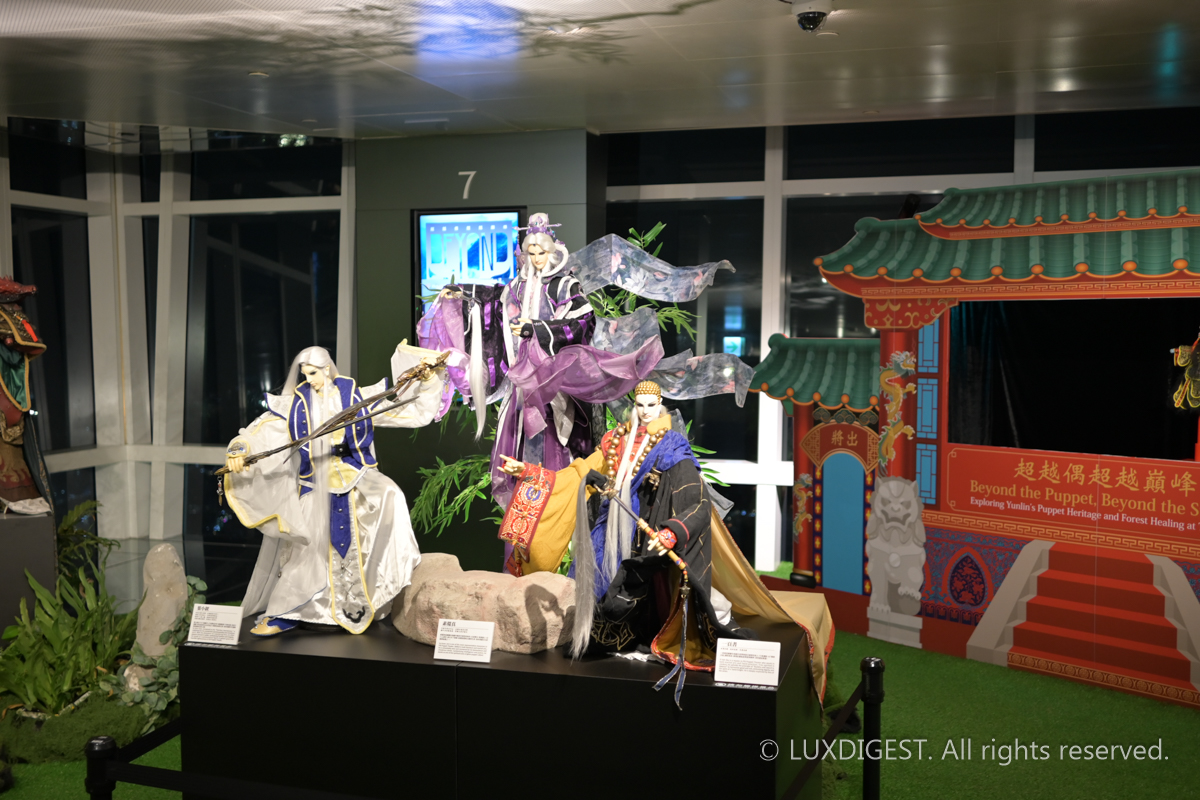
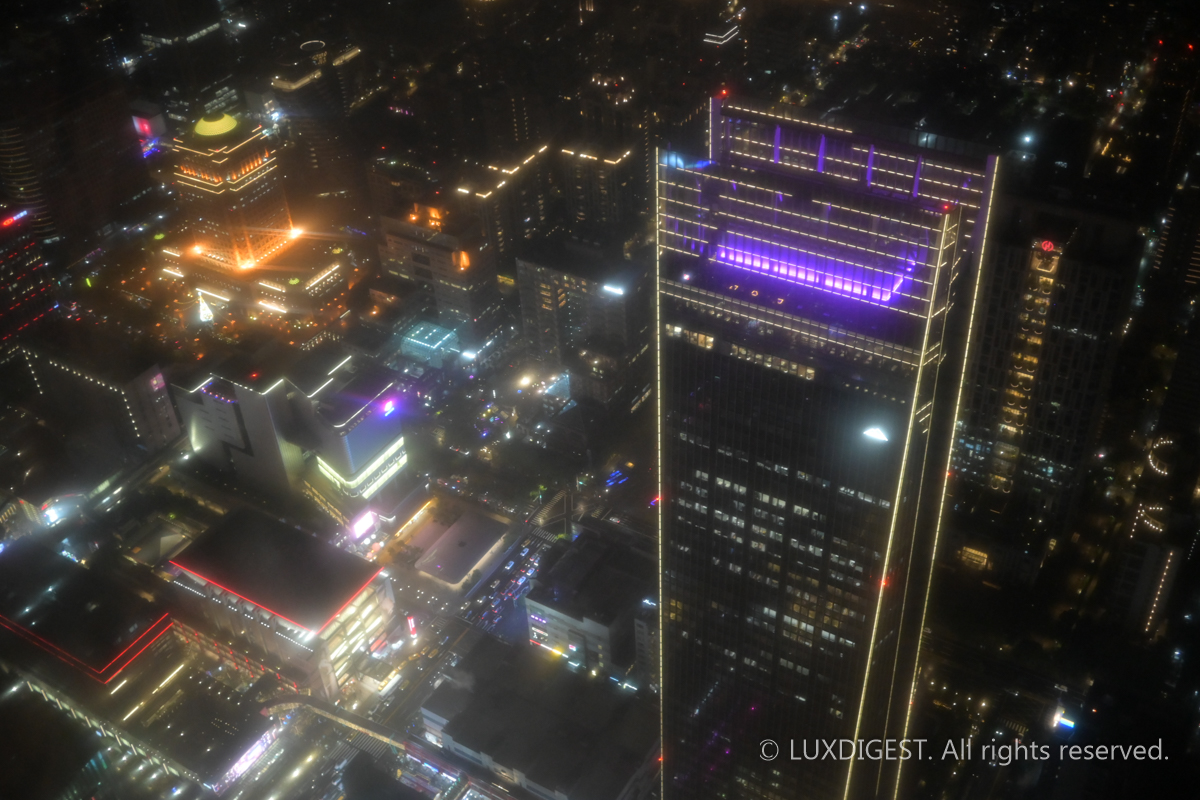
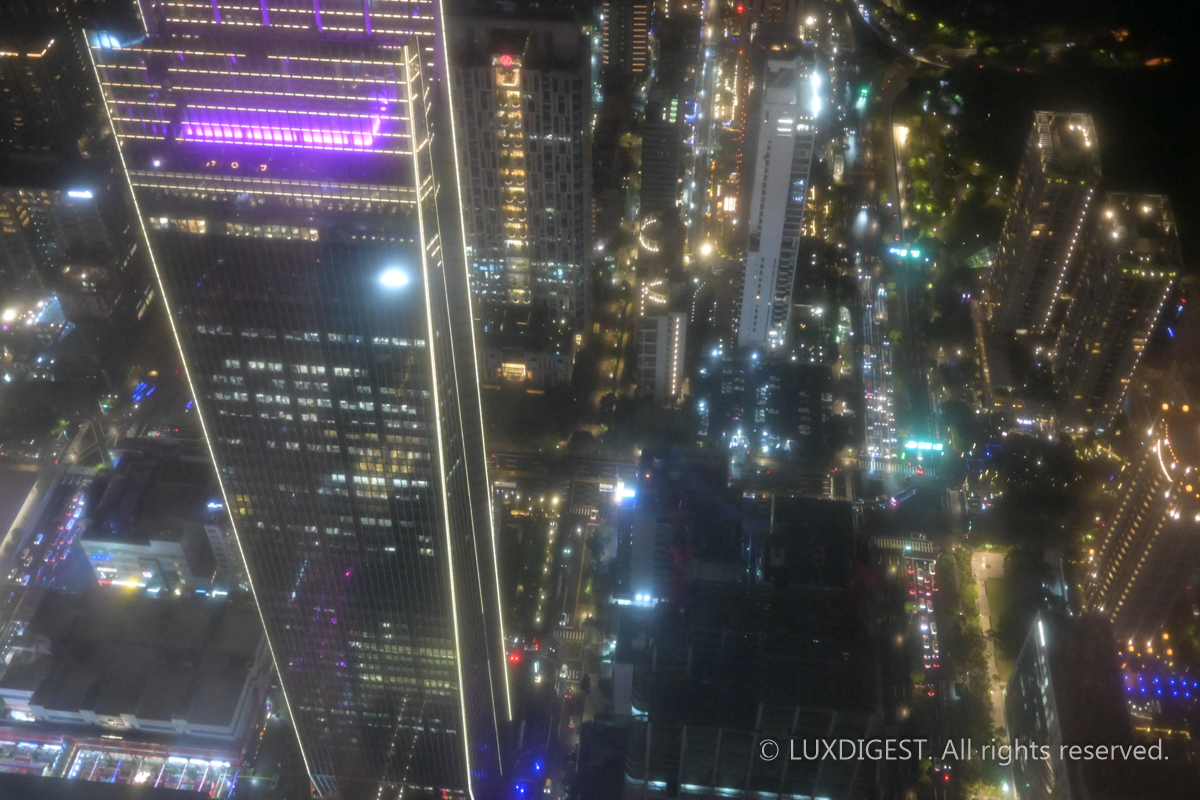
Upon entering the observation deck, the cityscape unfolds before you. Each direction offers beautiful vistas. From 508 meters above, the panoramic view of Taipei is truly impressive. You can see Daan District to the east, Taiwan’s sprawling cityscape to the south, and the winding river flowing between them. For photography purposes, timing your visit around sunset would be optimal. That golden hour light brings out the best in this spectacular view and represents the finest experience the deck can offer. Unfortunately, everything else feels somewhat lackluster. The interior design, quite frankly, pales in comparison to the exterior views. It’s cluttered with juvenile decorative elements.
Throughout the space, Christmas trees and Chinese-style photo installations proliferate, creating a rather chaotic aesthetic that I personally found unsightly. I once visited Tokyo Metropolitan Government Building’s observation deck, which struck me with its complete opposite approach—stripped of all non-essential elements, it featured minimalist, elegant modernist design that kept the focus squarely on the views. This space feels worlds apart from that refined simplicity. It’s difficult to understand why such a magnificent structure would be designed with such… let’s call it, gimmicky decoration. If this represents their cultural approach, I’ll accept it philosophically, but it’s not a place where I’d want to linger. The typical Taiwan travel aesthetic is on full display here too—take your photo and dash. Yet even the photo opportunities feel too contrived to be appealing, though I took them anyway to share with you.
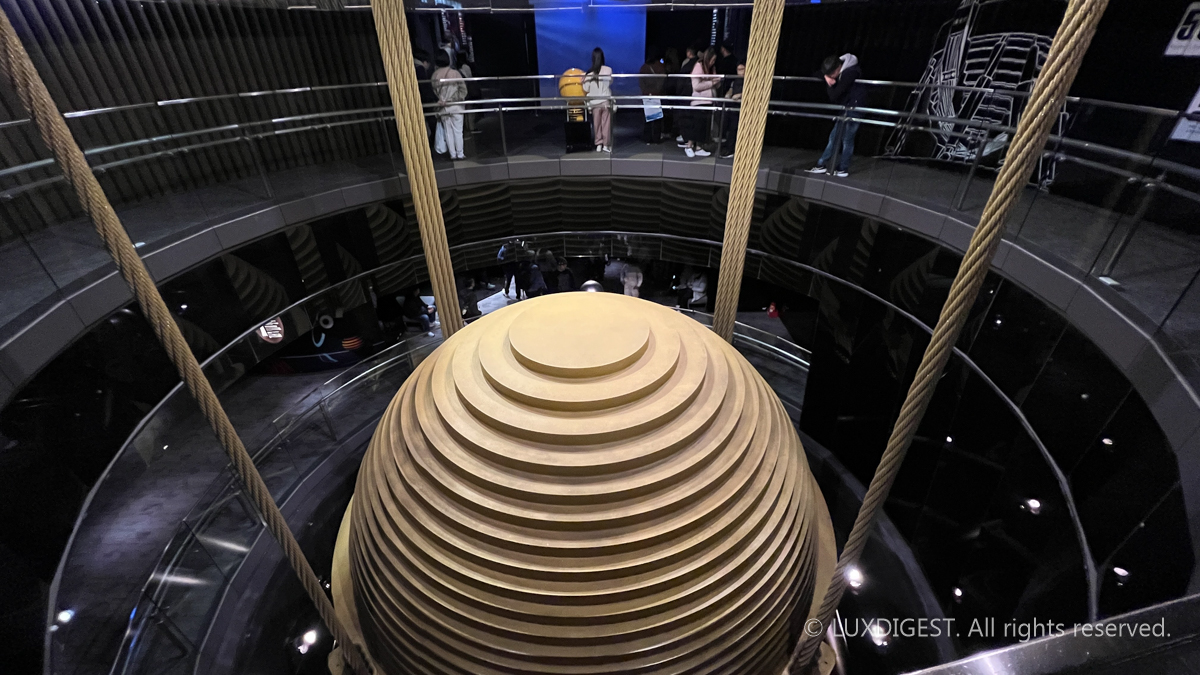
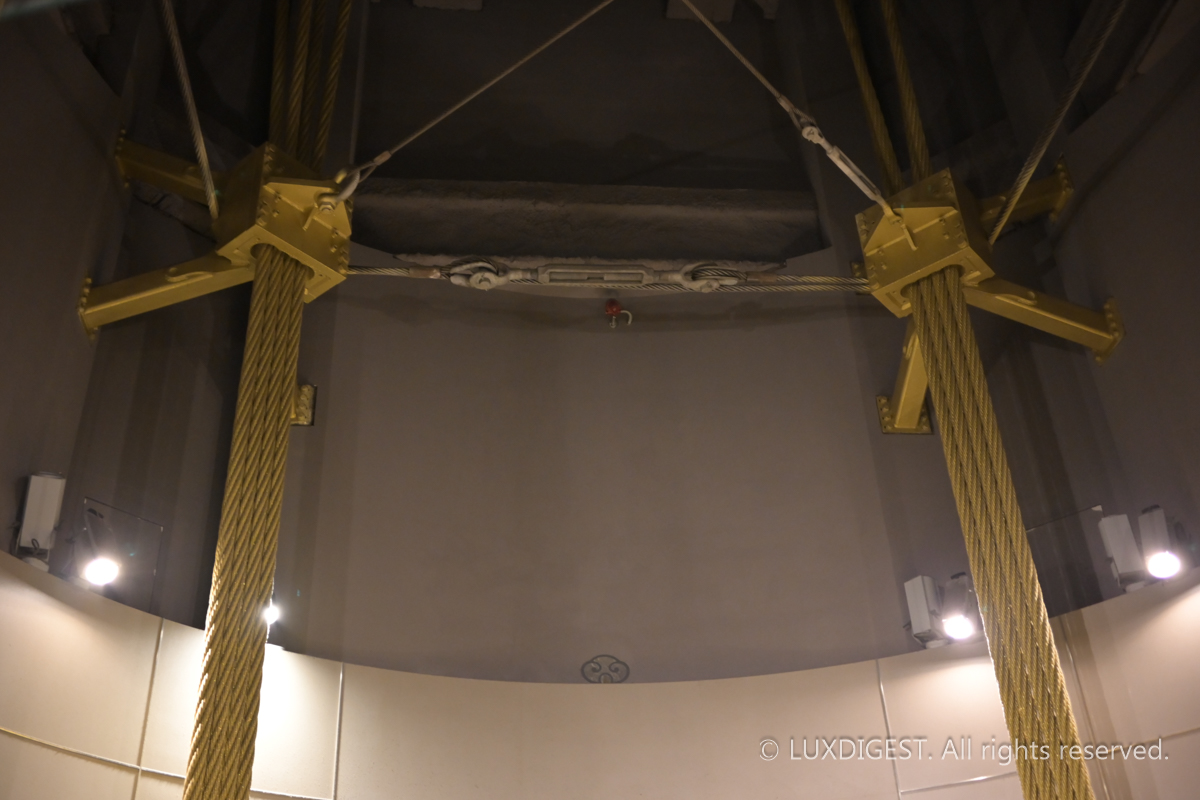
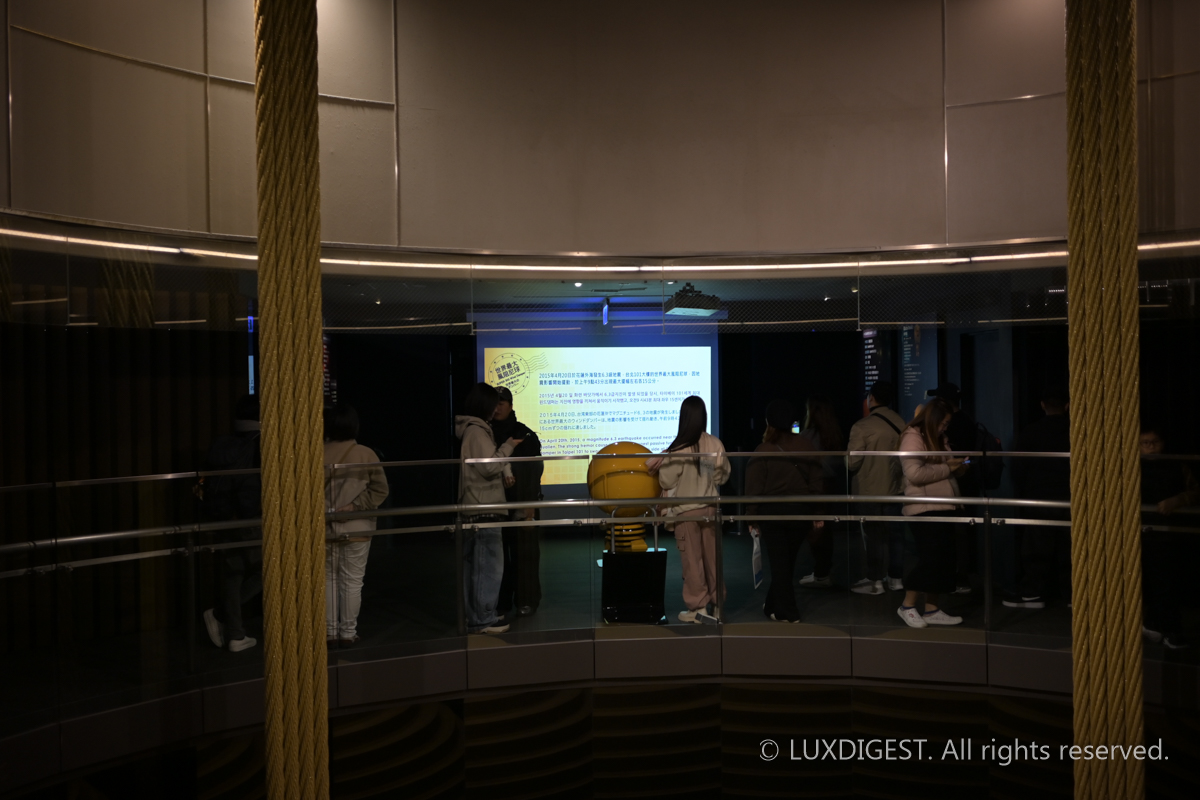
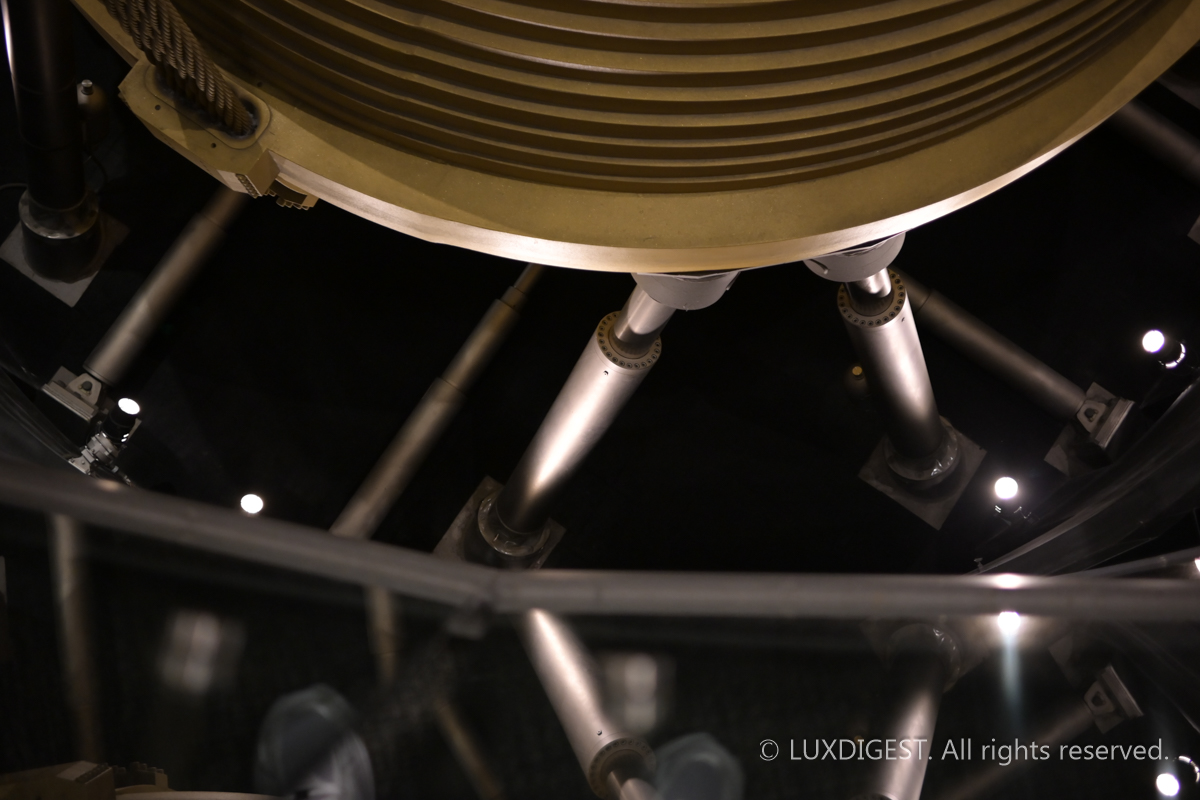
Earthquake Engineering: Taipei 101’s Giant Tuned Mass Damper (TMD)
As mentioned earlier, Taiwan experiences earthquakes as frequently as Japan does. To protect a high-rise building from seismic activity, the structure itself must move with flexibility, and a system must exist to counteract those movements. That’s why a massive metal weight was installed in the building. Between the 87th and 92nd floors sits a massive 660-ton metal pendulum (TMD). Interestingly, this technology isn’t Taiwanese—it was developed by French engineers. When the building sways from wind or earthquakes, this pendulum moves in the opposite direction, effectively dampening the oscillations. The device is publicly displayed for visitors to see, making the engineering itself a point of interest.
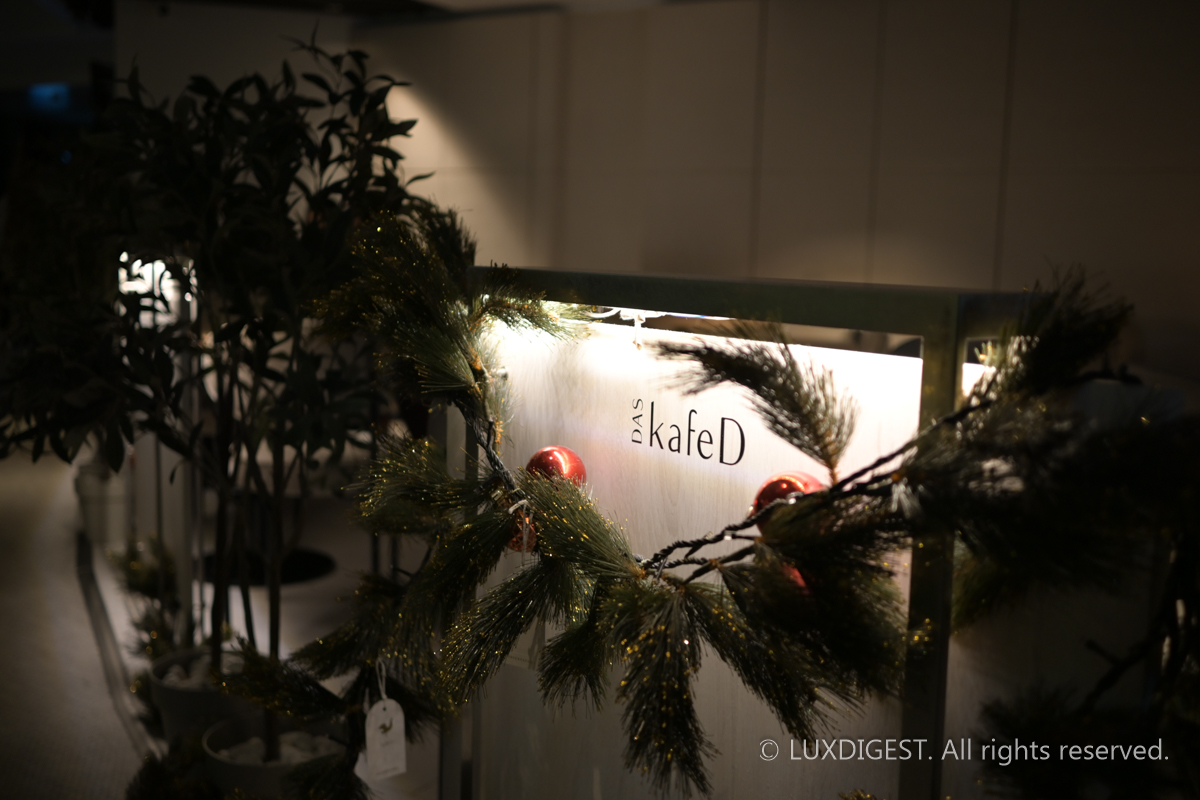
Most of the observation deck, however, is crowded with trendy photo-installation structures. The interior houses food outlets and souvenir shops, leaving no room for genuinely refined, atmospheric spaces. It’s purely a photograph-snap, eat, shop, and leave vibe. This disappoints me considerably. I expected to find a sophisticated café where I could enjoy coffee or wine amid ambient surroundings—instead, the feeling is more like grabbing street food from a vendor. That’s not the experience I wanted here.
A System Designed to Extract Your Wallet
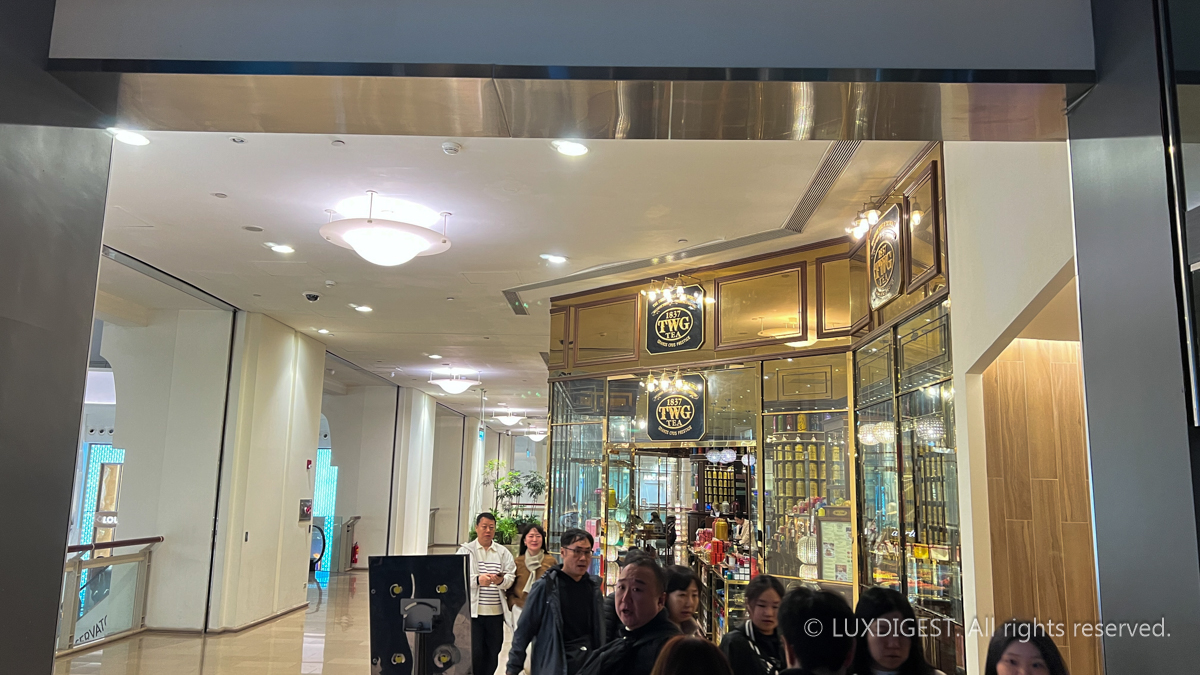
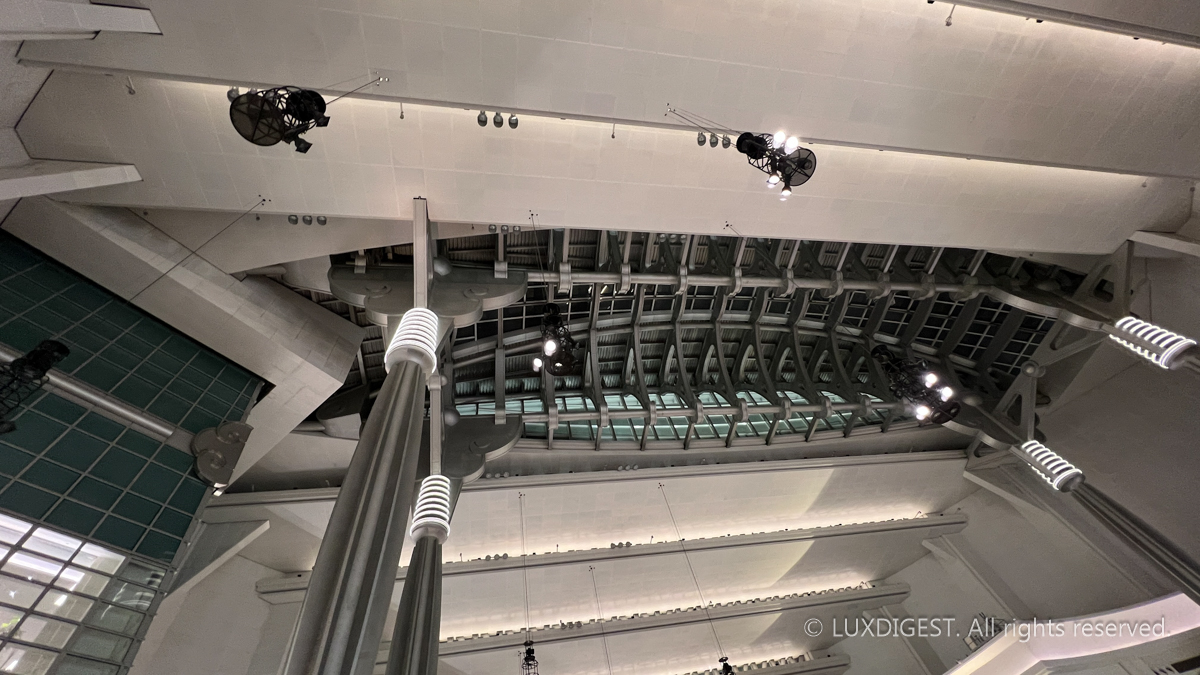
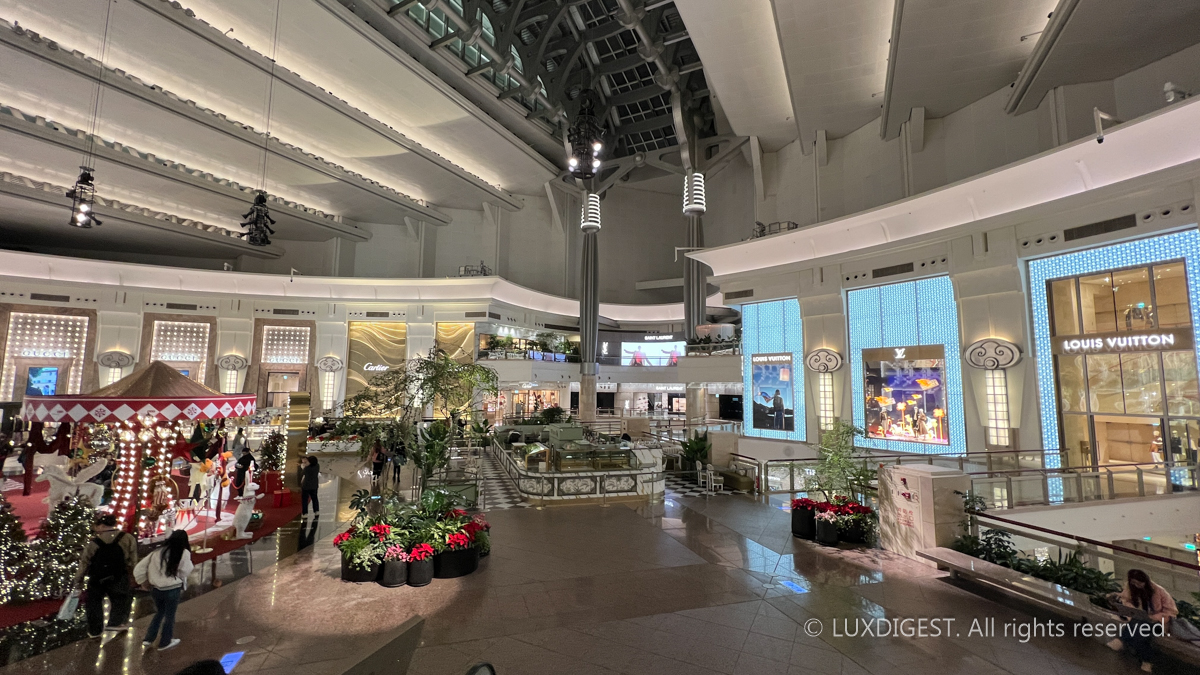
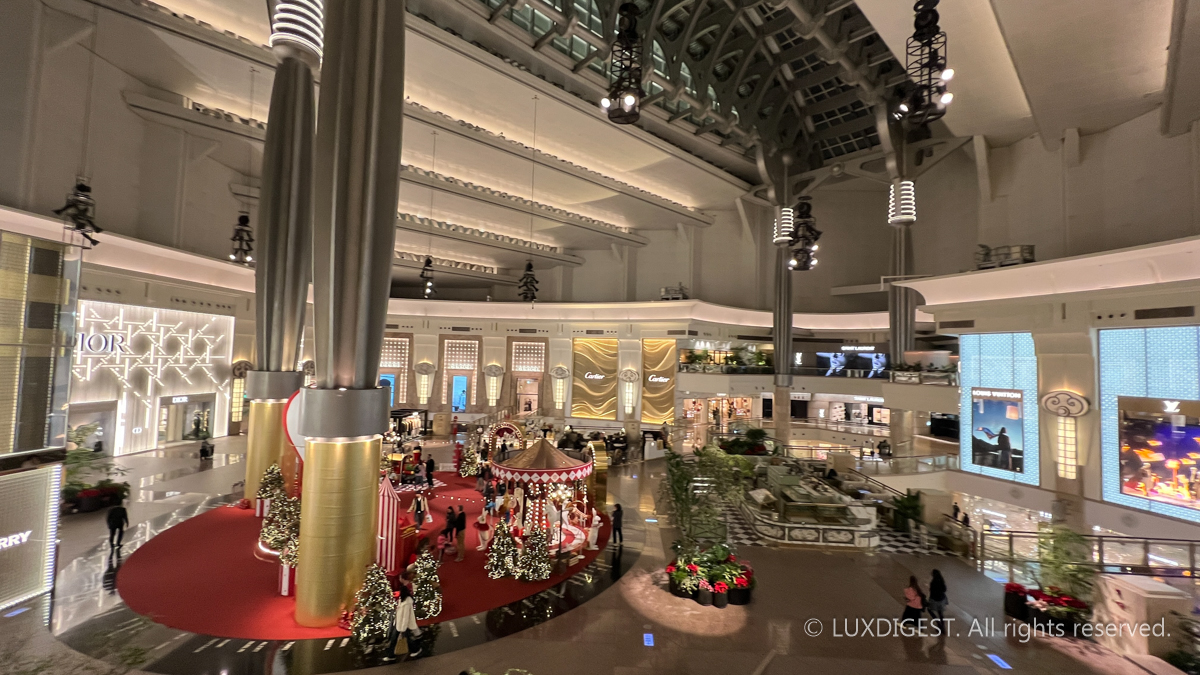
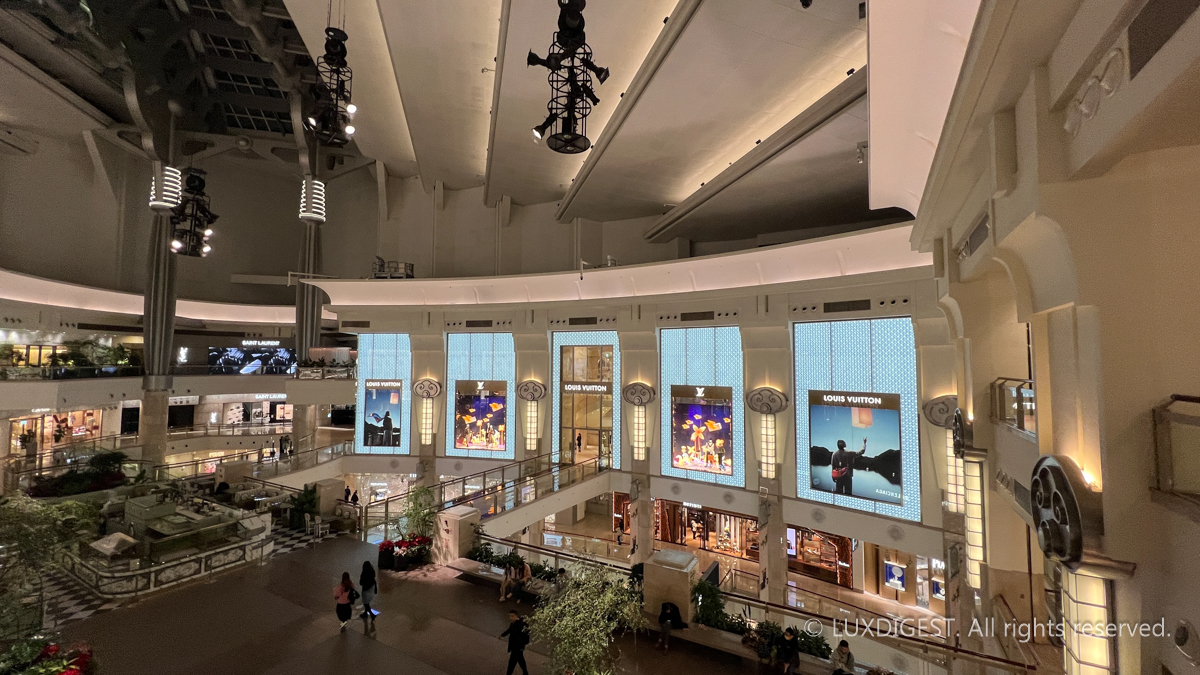
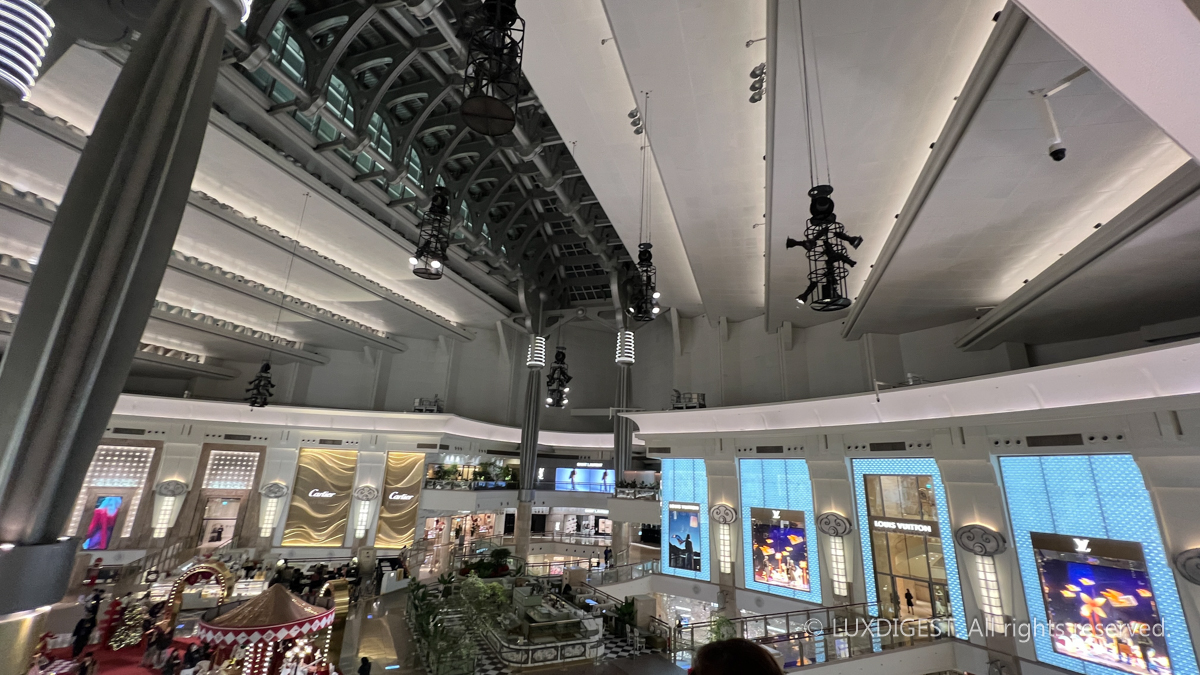
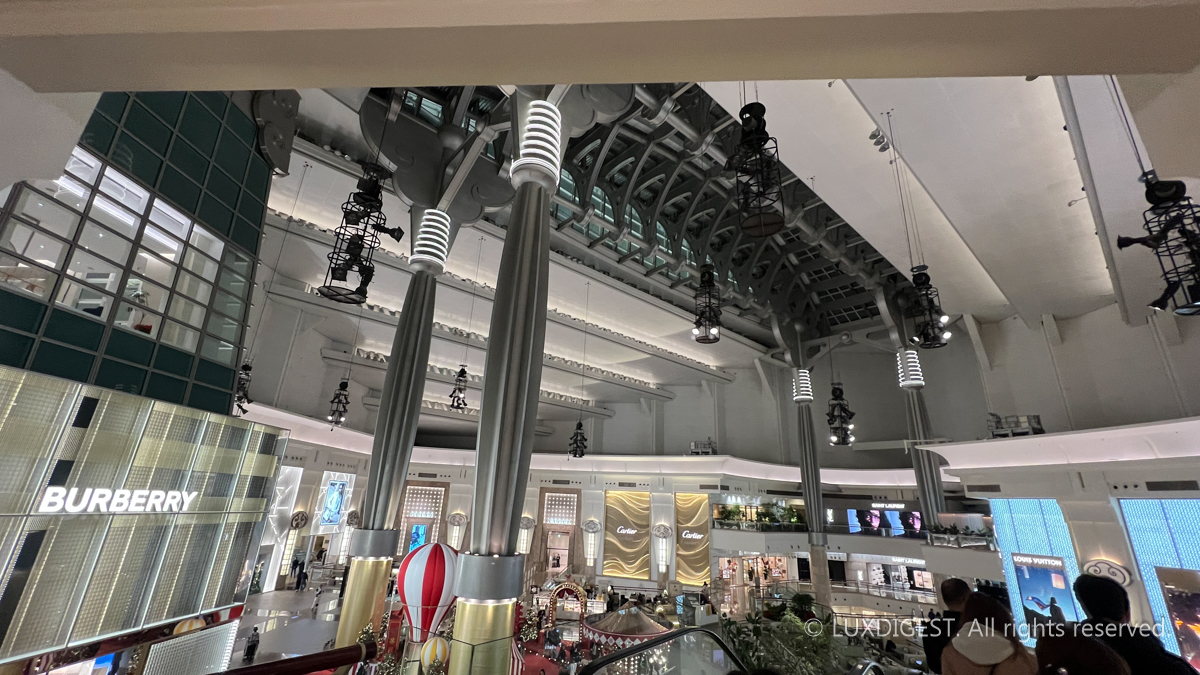
The descent is engineered quite differently from the ascent. The exit route deliberately channels visitors through the building’s luxury retail zones, including the department store’s designer boutiques. While you do see the building’s main structural support columns in these spaces—which is architecturally interesting—the true intention is clearly to stimulate spending. A better design would give visitors the choice to descend directly to ground level, but instead the forced routing through the shopping corridors feels like an exhausting chore. You end up walking a considerable distance to exit, which embodies that distinctly aggressive “spend your money” mentality I’d prefer not to experience here.
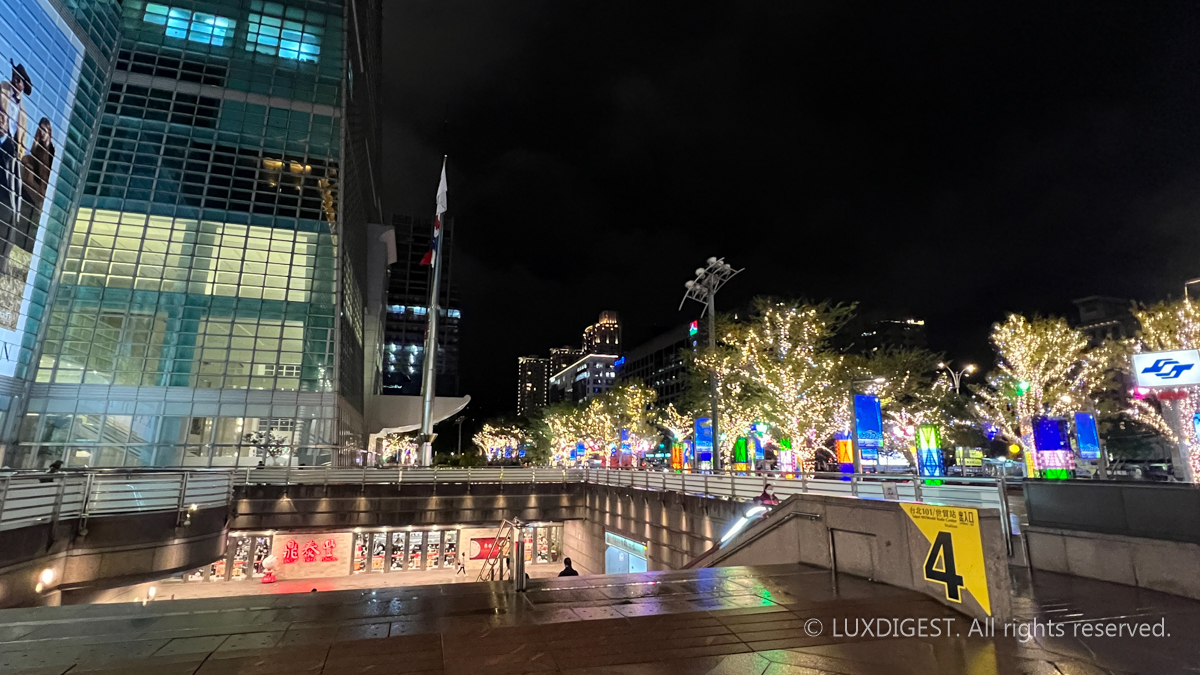
Final Thoughts on Taipei 101 Observatory
Taipei 101 has long been on my must-visit travel list, yet I left feeling considerably disappointed. The positives? The elevator’s pressure-adjustment system was impressively engineered—a noteworthy technical achievement. Beyond that, however, my interest waned considerably. The observation deck, devoid of atmosphere or charm, felt saturated with commercial instincts. Rather than presenting itself as a magnificent vantage point, it came across as a venue designed primarily to monetize visitors—a space more interested in profit than purpose. I have no desire to return.
I’ve visited observation decks in many locations worldwide, including throughout South Korea, and each possesses its own character. A well-designed observation deck should offer visitors a moment to absorb a city’s totality, reflect on travel plans, and contemplate meaningful thoughts. There are countless spaces elsewhere dedicated to trendy photo installations and chasing social media moments. What saddens me is that Taipei 101—such an architecturally magnificent structure—fails to rise above these shallow functions. The building deserves better.
That concludes my visit to Taipei 101 Observatory.
https://nonilda.luxdigest.com/nara-deer-park-why-people-feel-this-place-is-special/