Another Side of Jeju Awaits at the Jeju National Museum
Many visitors come to Jeju for its beaches, mountains and themed excursions, but far fewer seem to make time for another of the island’s great attractions: the Jeju National Museum.
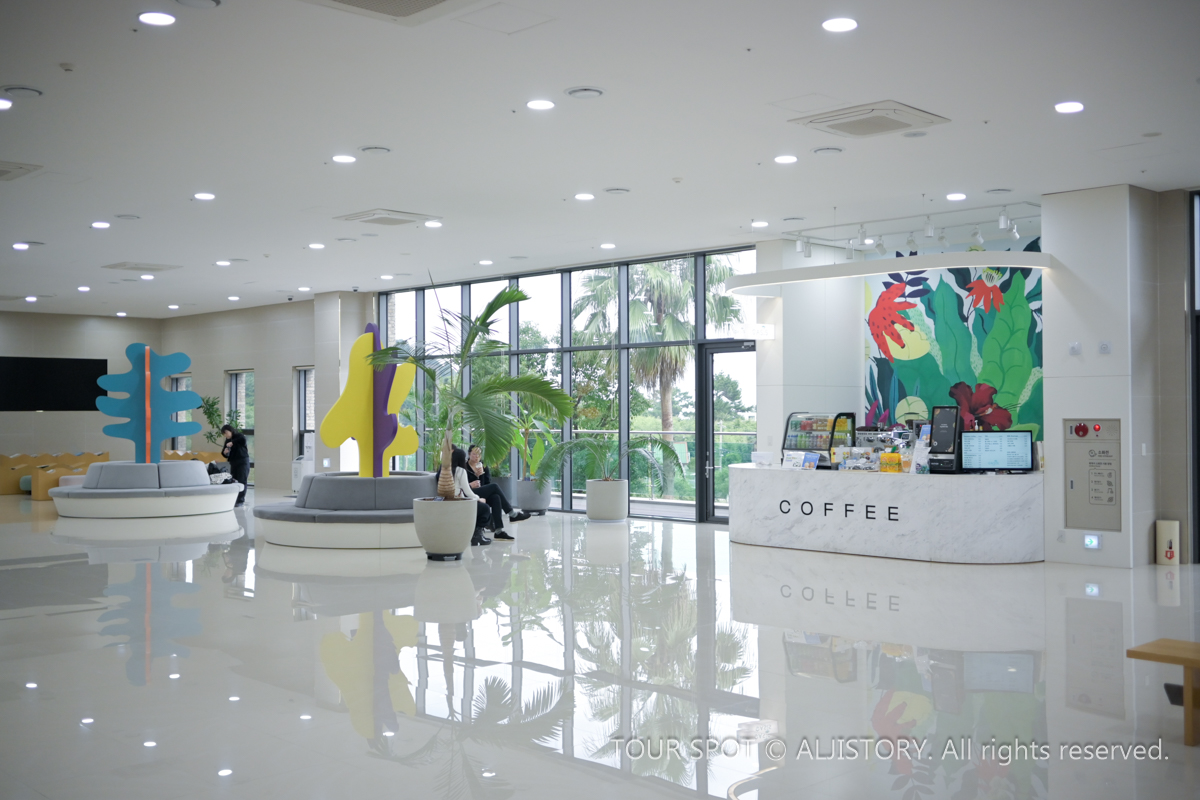
When I visited, I found an exceptionally polished, contemporary space with a strong sense of design.
Opened in 2001, the Jeju National Museum is the only national museum in Jeju, systematically preserving and exhibiting the island’s archaeological artifacts and historical records.
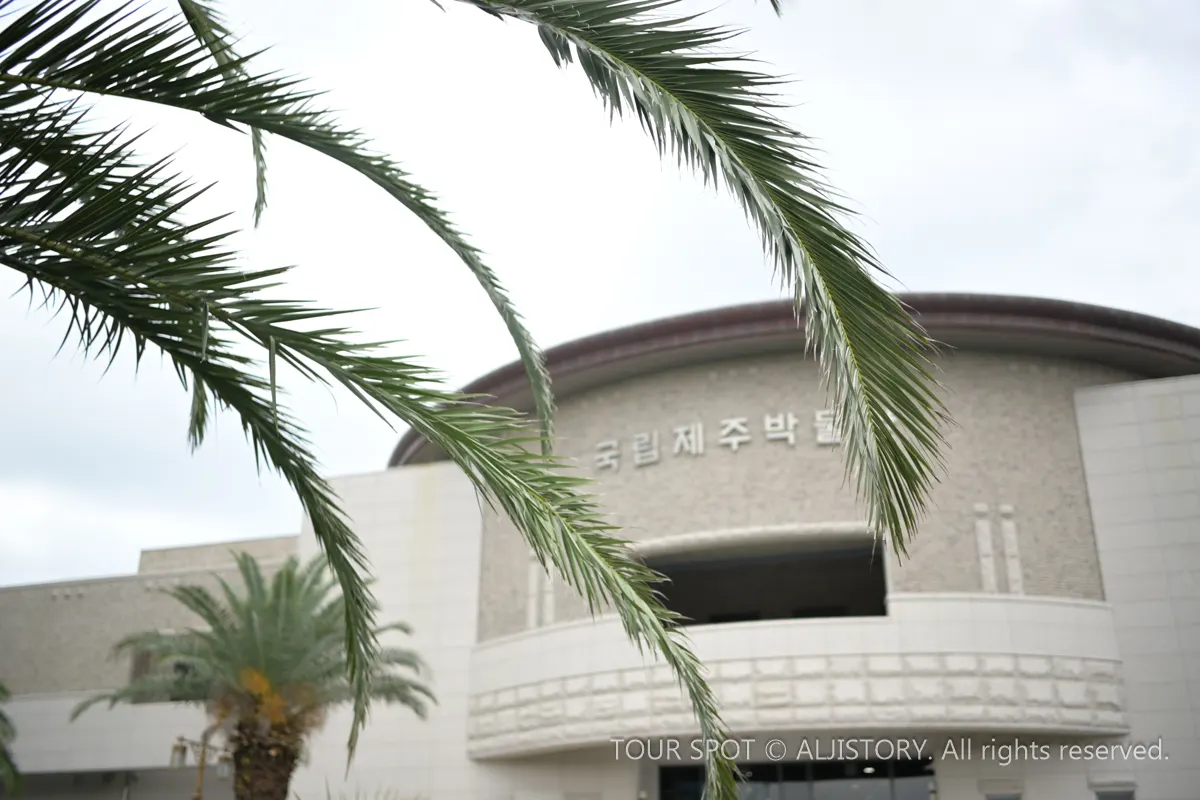
Located at the foot of Sarabong in Geonip-dong, Jeju City, it is known for architecture that blends harmoniously with the surrounding landscape,
and specializes in the distinctive “maritime culture” shaped by Jeju’s geographical identity as an island.
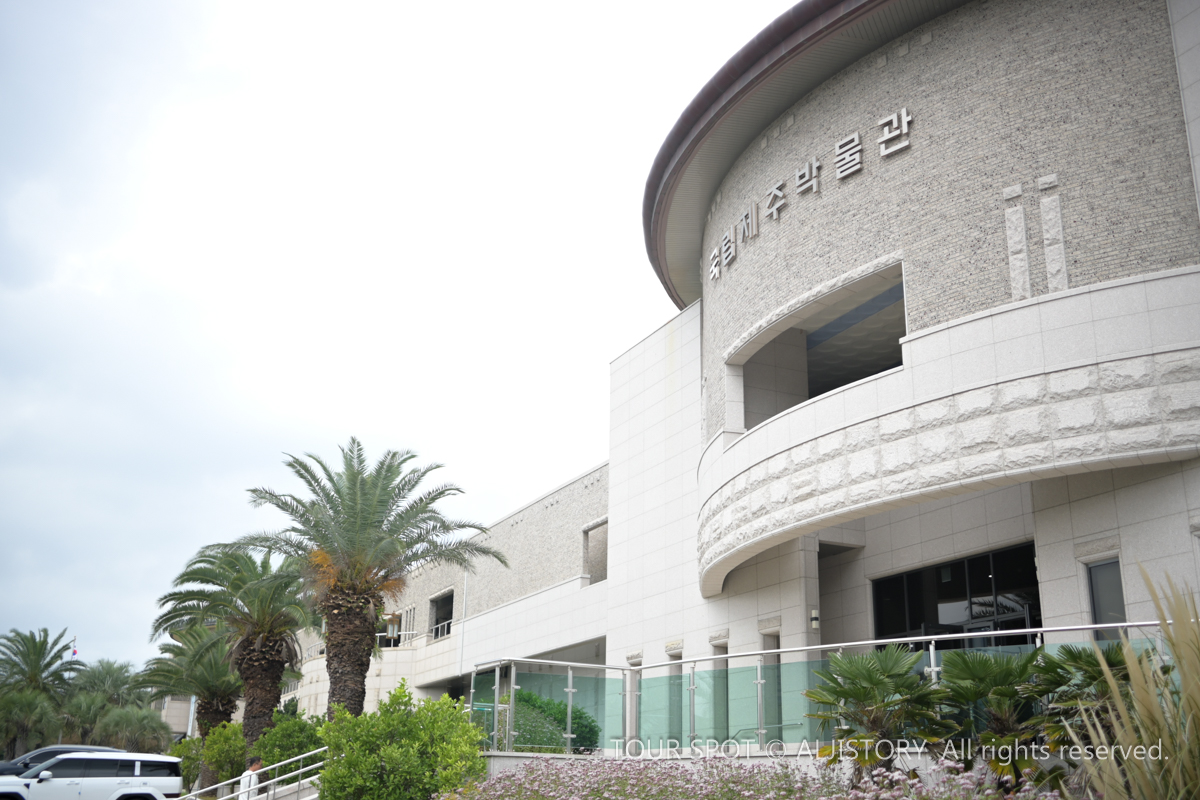
This post covers my recent visit to the Jeju National Museum.
Where to Find the Jeju National Museum
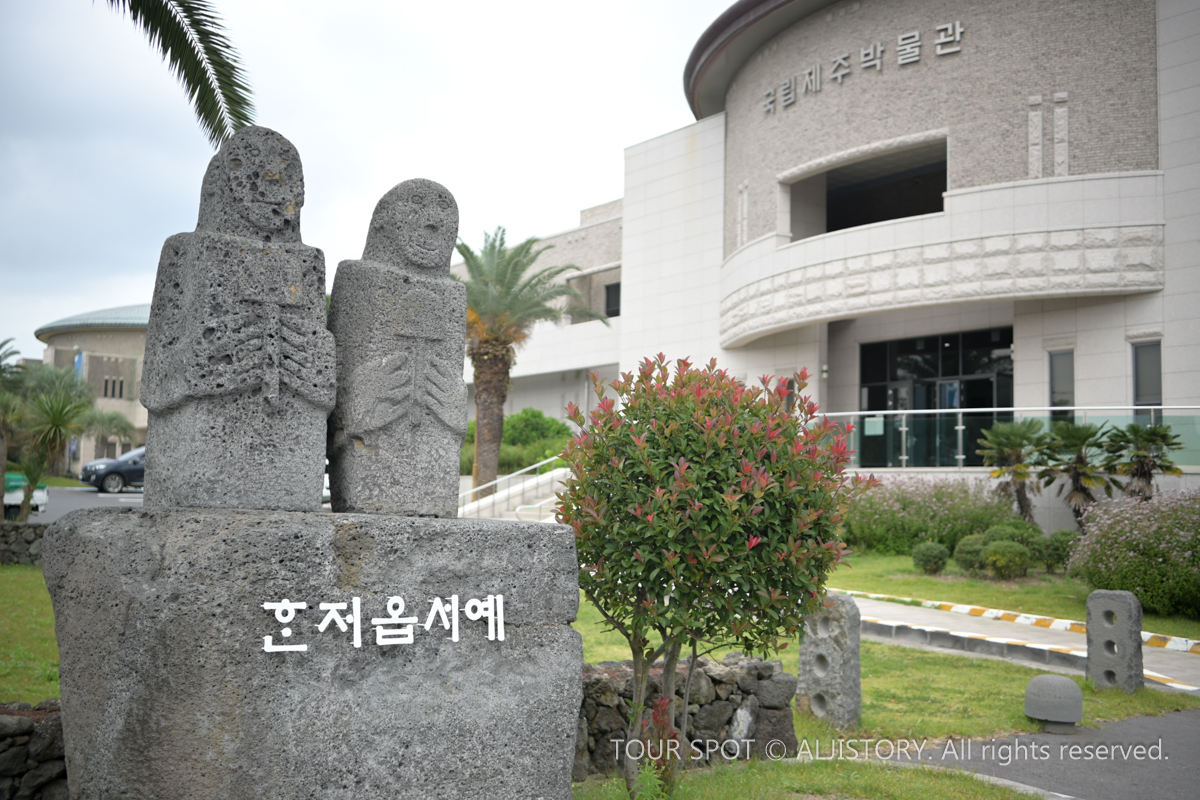
The Aesthetics of the Architecture
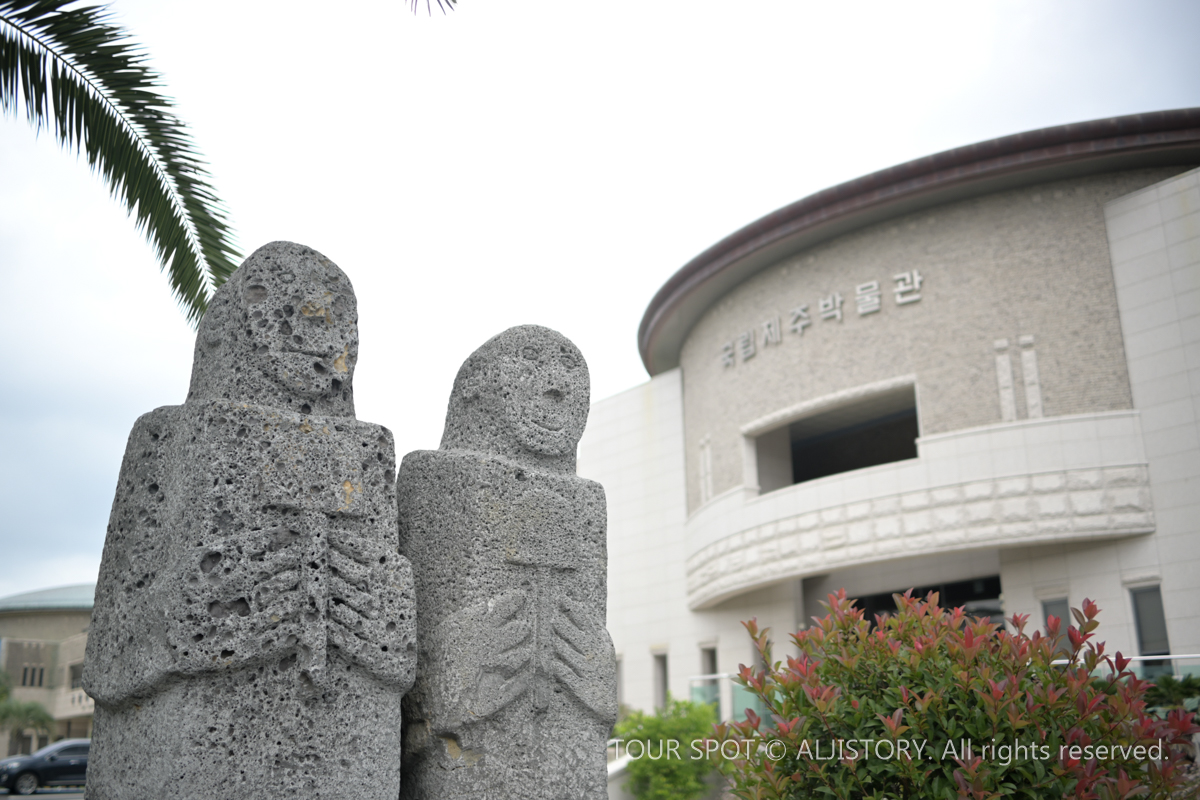
The museum’s exterior draws on the curves of Jeju’s volcanic cones and traditional thatched-roof homes.
Stone walls and scoria-brick finishes, designed to withstand Jeju’s powerful winds, give visitors a distinctly Jeju atmosphere from the moment they arrive at the entrance.
Key Exhibition Spaces Not to Miss
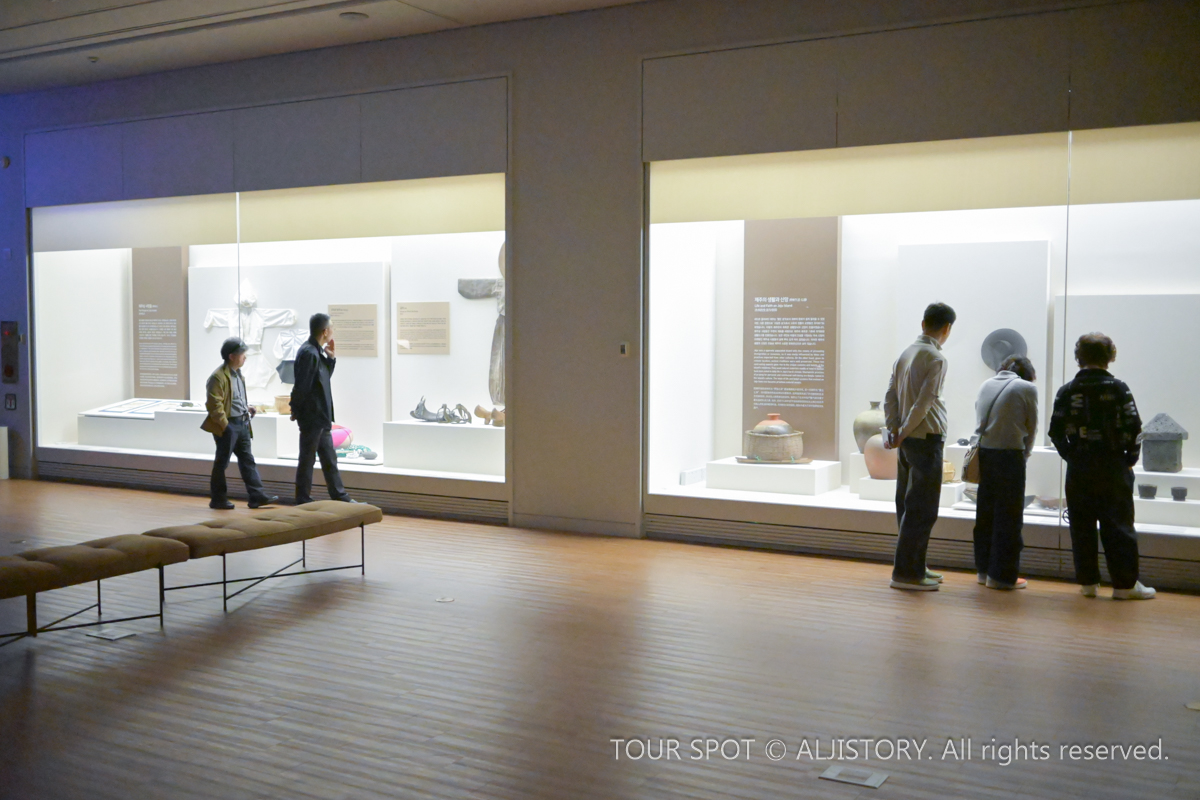
The museum is divided into permanent galleries organized by period and theme, dynamic special-exhibition galleries, and the recently popular Immersive Digital Art gallery.
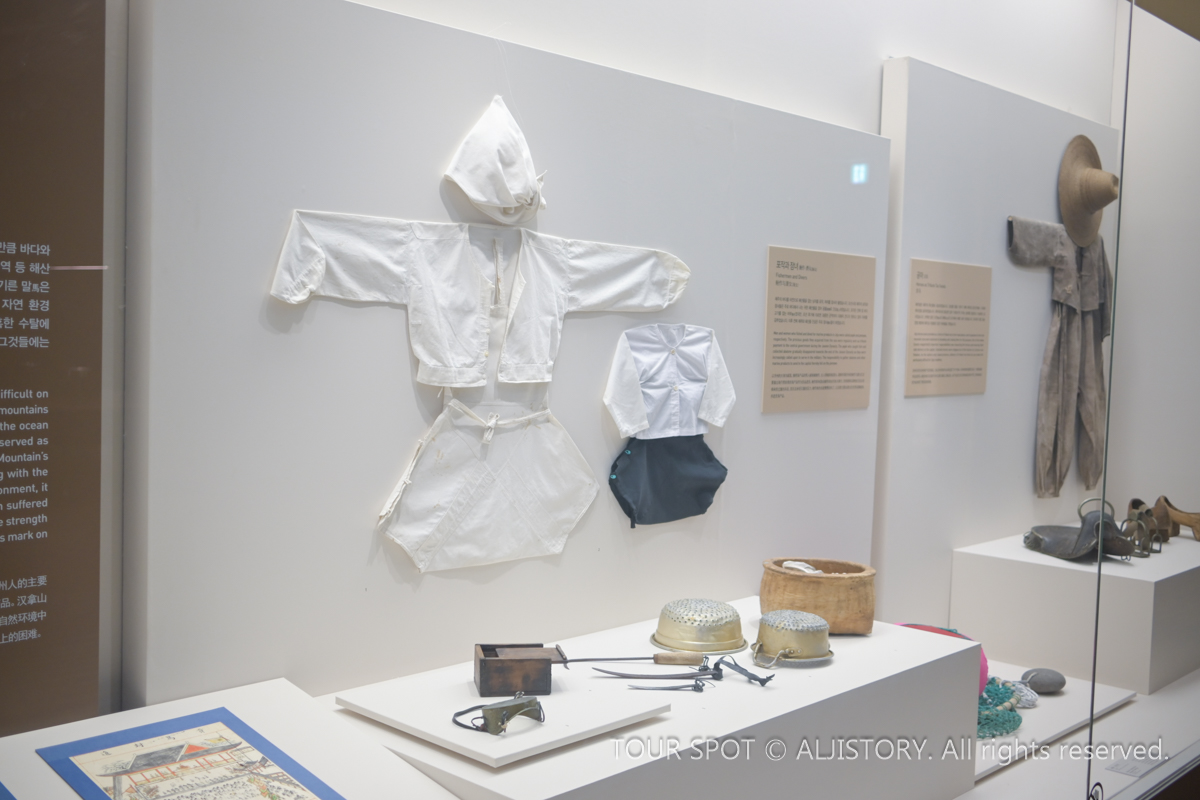
Permanent Exhibition: A Chronicle of Tamna
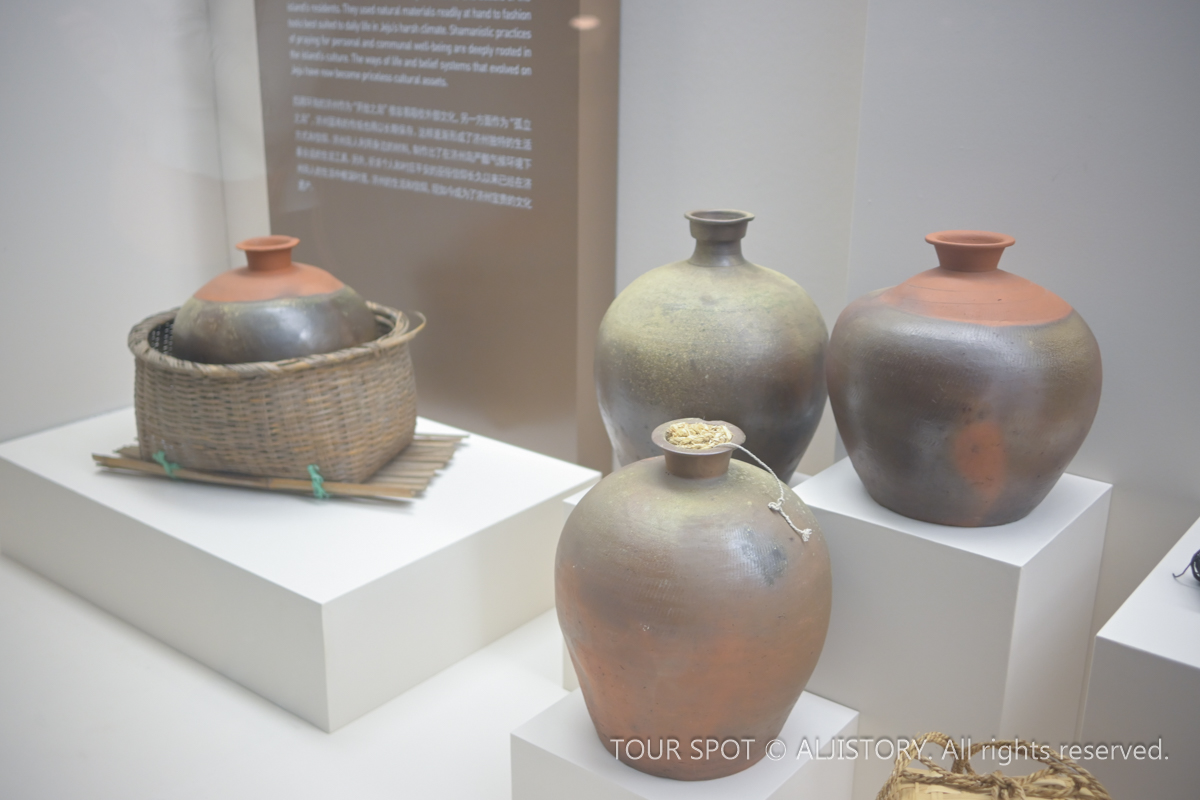
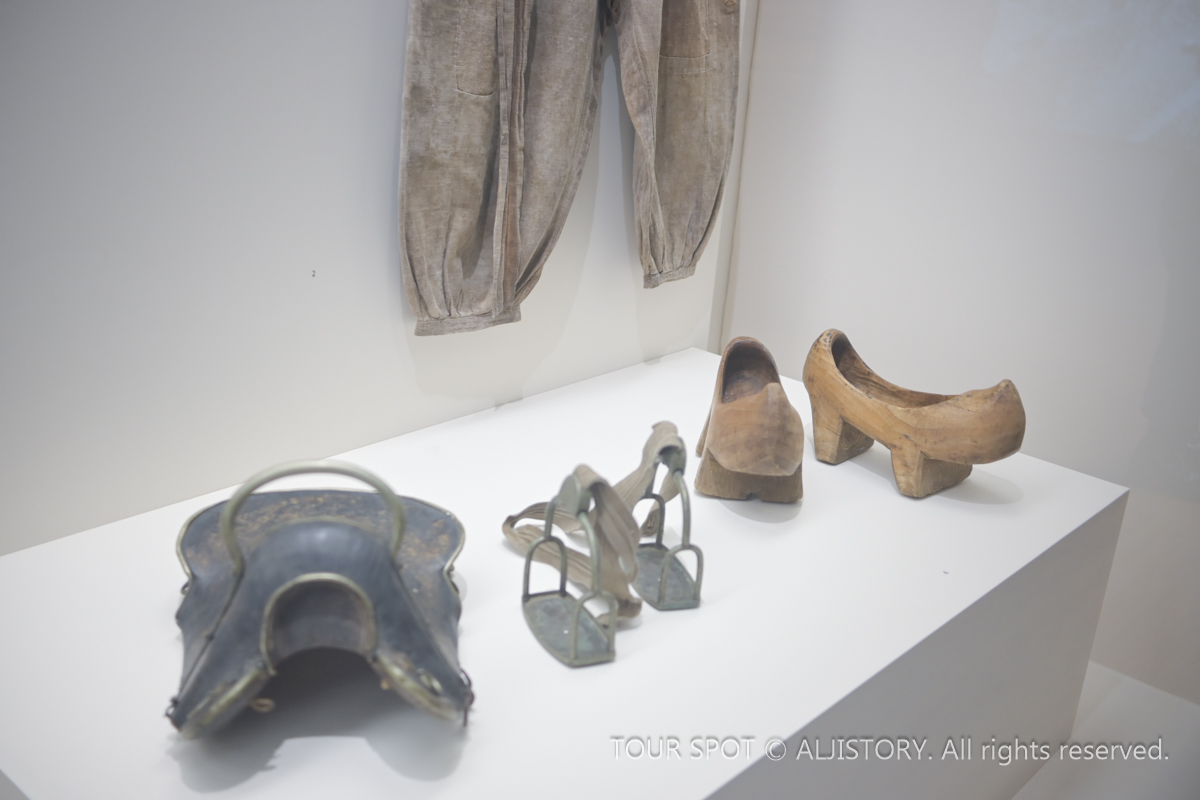
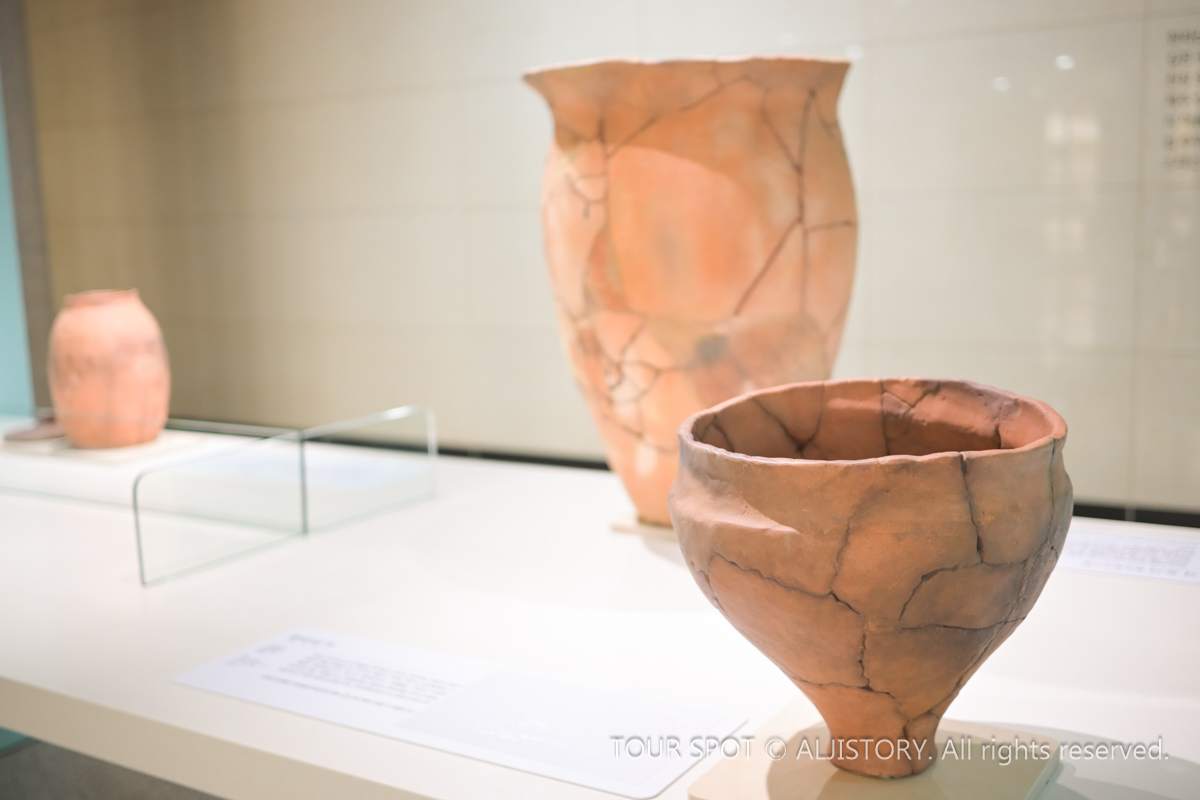
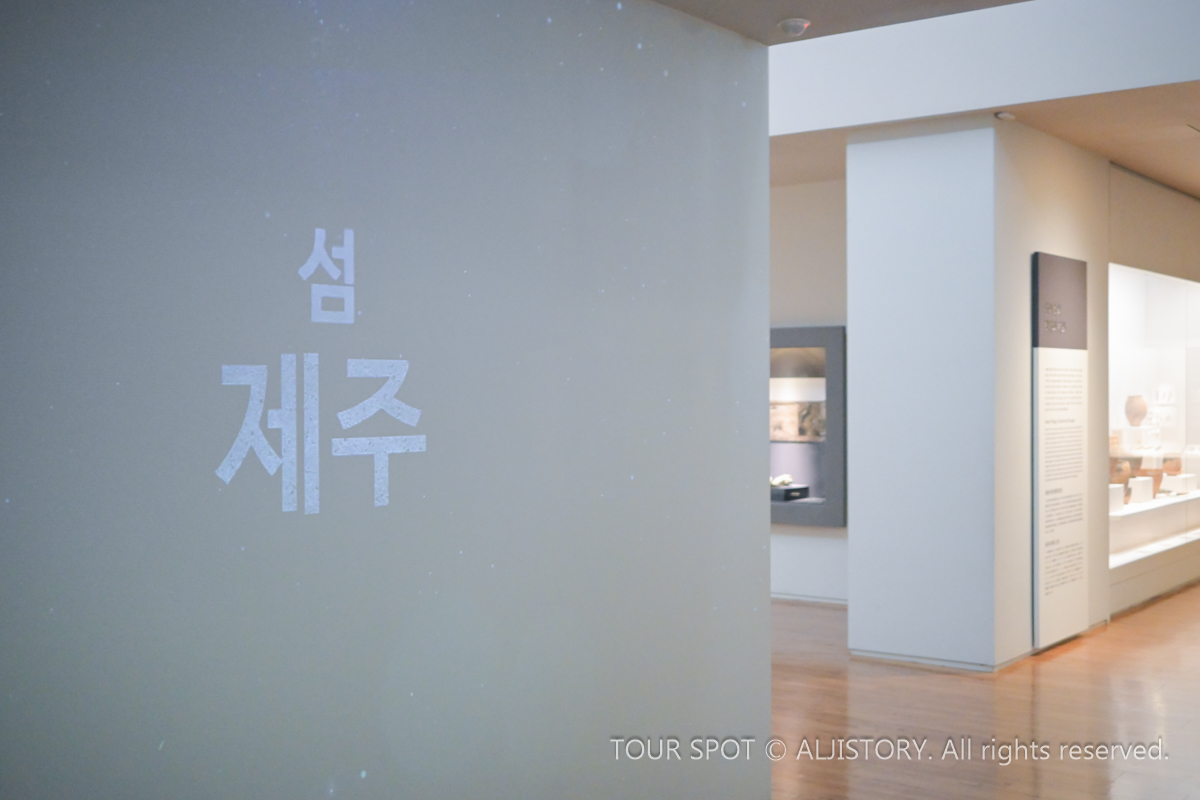
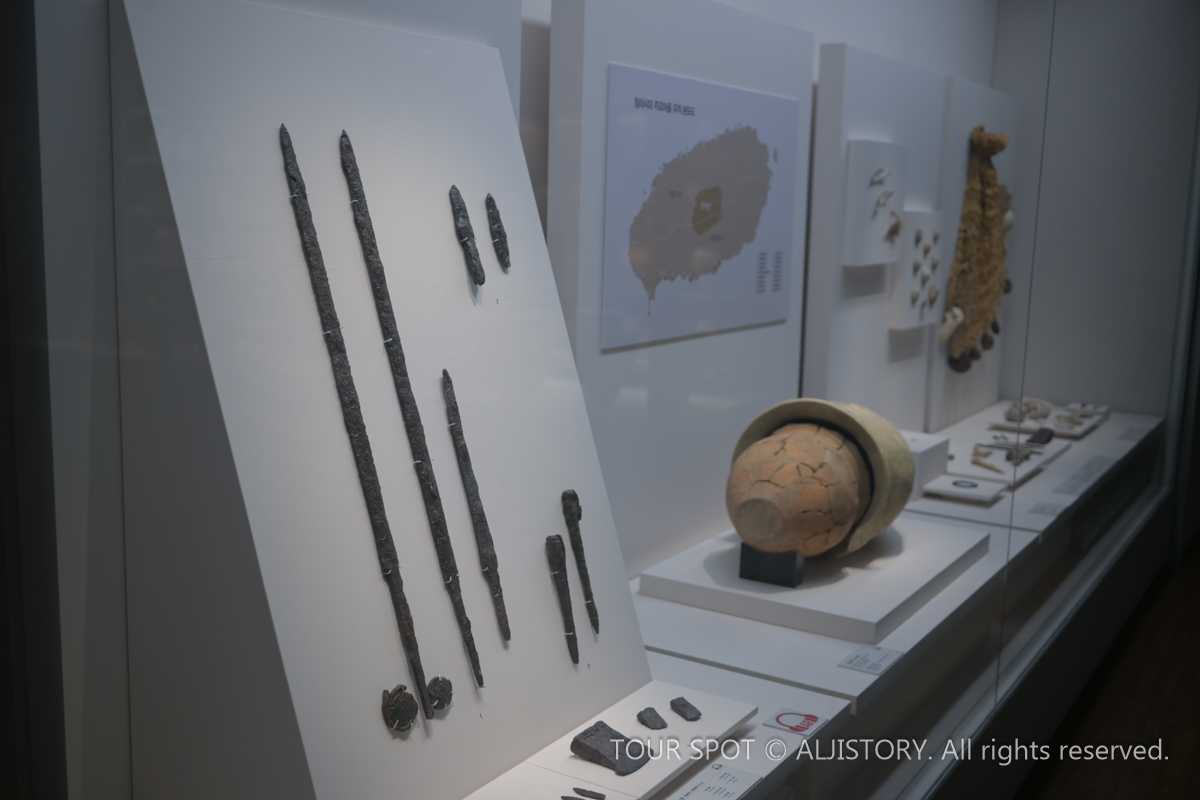
The Formation of Jeju: Explore Jeju’s geological origins, born from volcanic activity 1.8 million years ago, and the settlement of the island’s first inhabitants during the Paleolithic era.
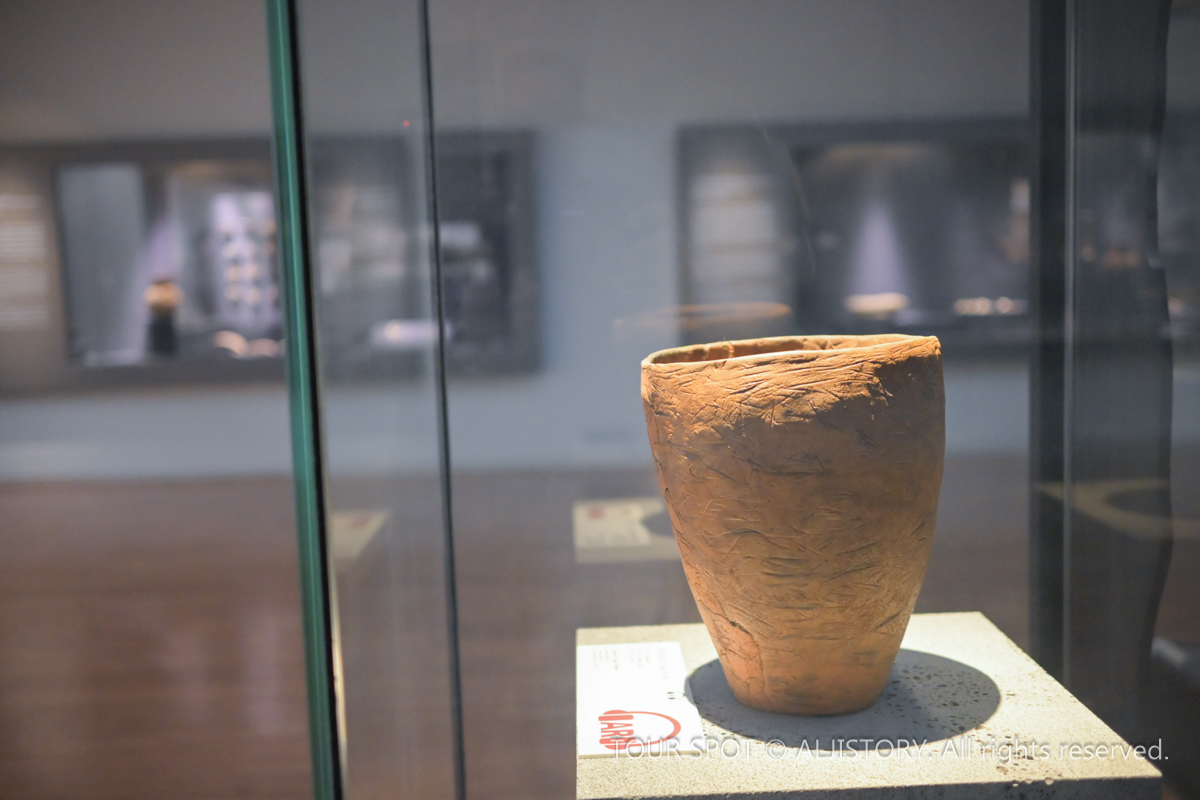
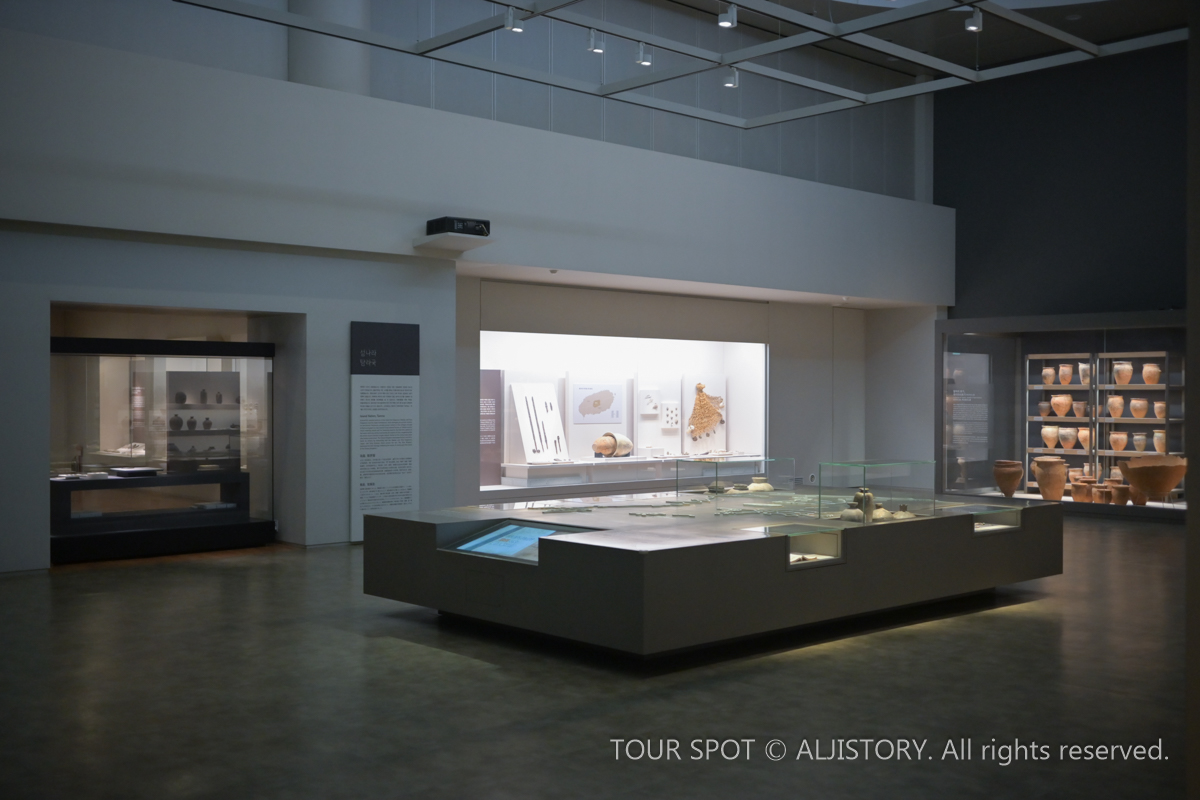
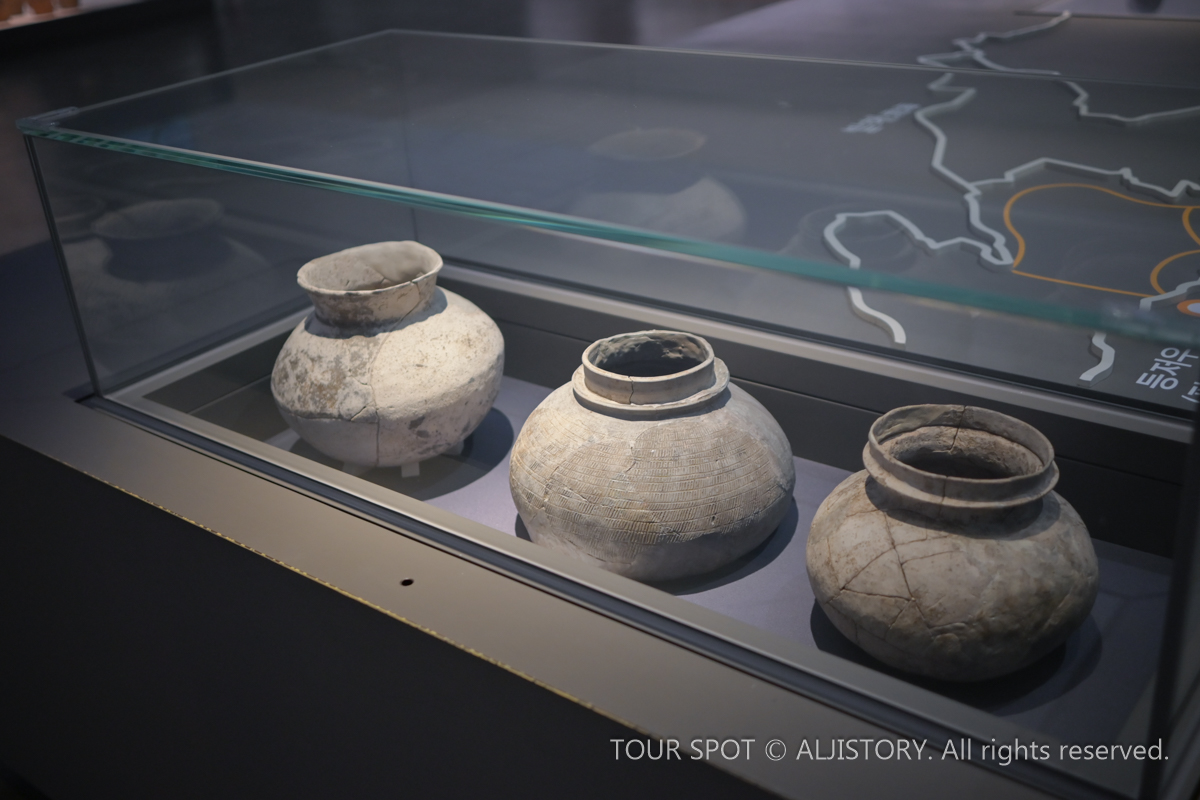
The Development of Island Villages: A reconstructed model of the prehistoric Samyang-dong site offers a glimpse into the daily lives of Jeju’s early inhabitants.
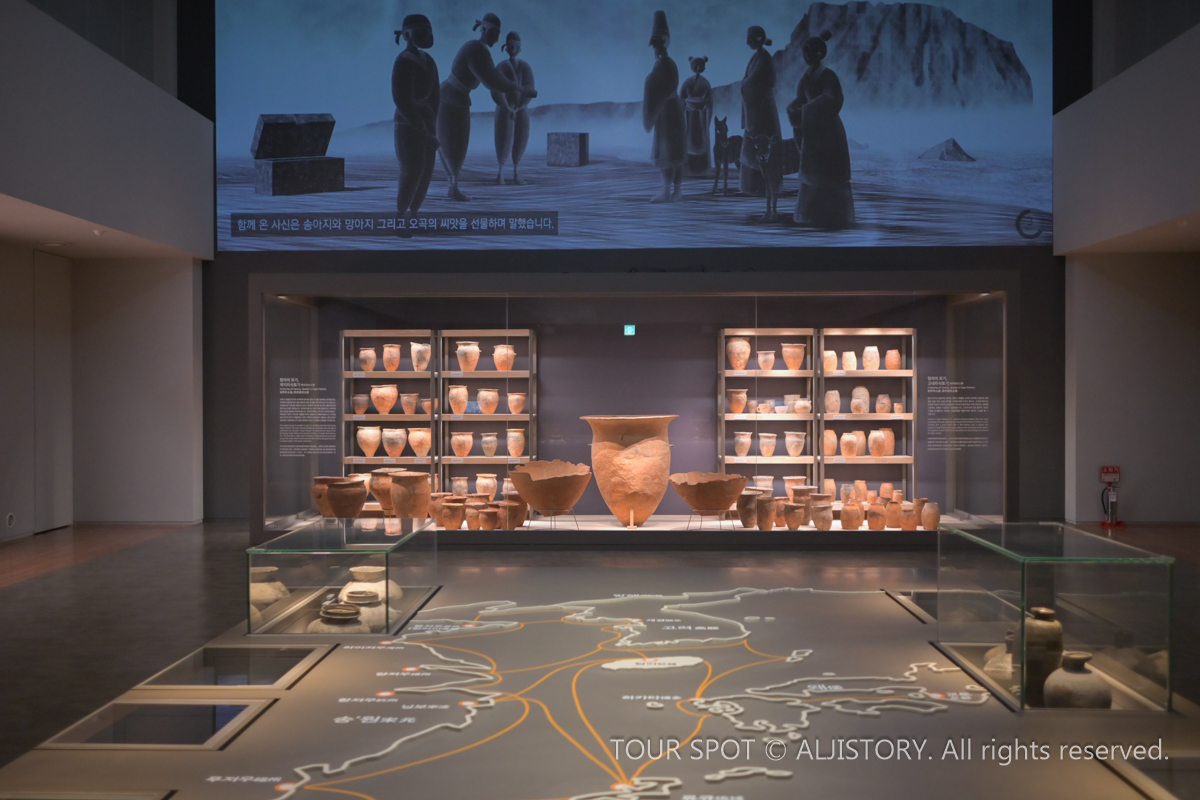
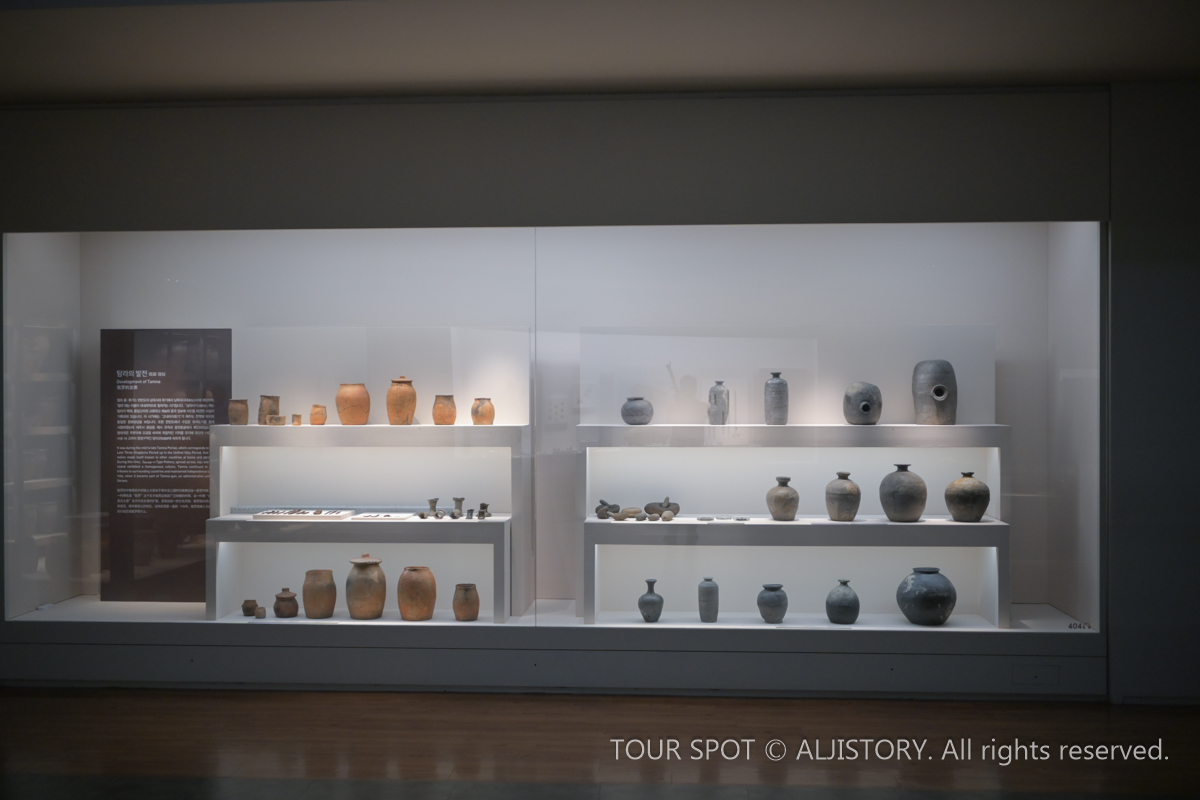
The Tamna Kingdom: This section examines the height of Tamna, an independent kingdom that developed its own distinctive culture through exchanges with the Korean Peninsula, China and Japan.
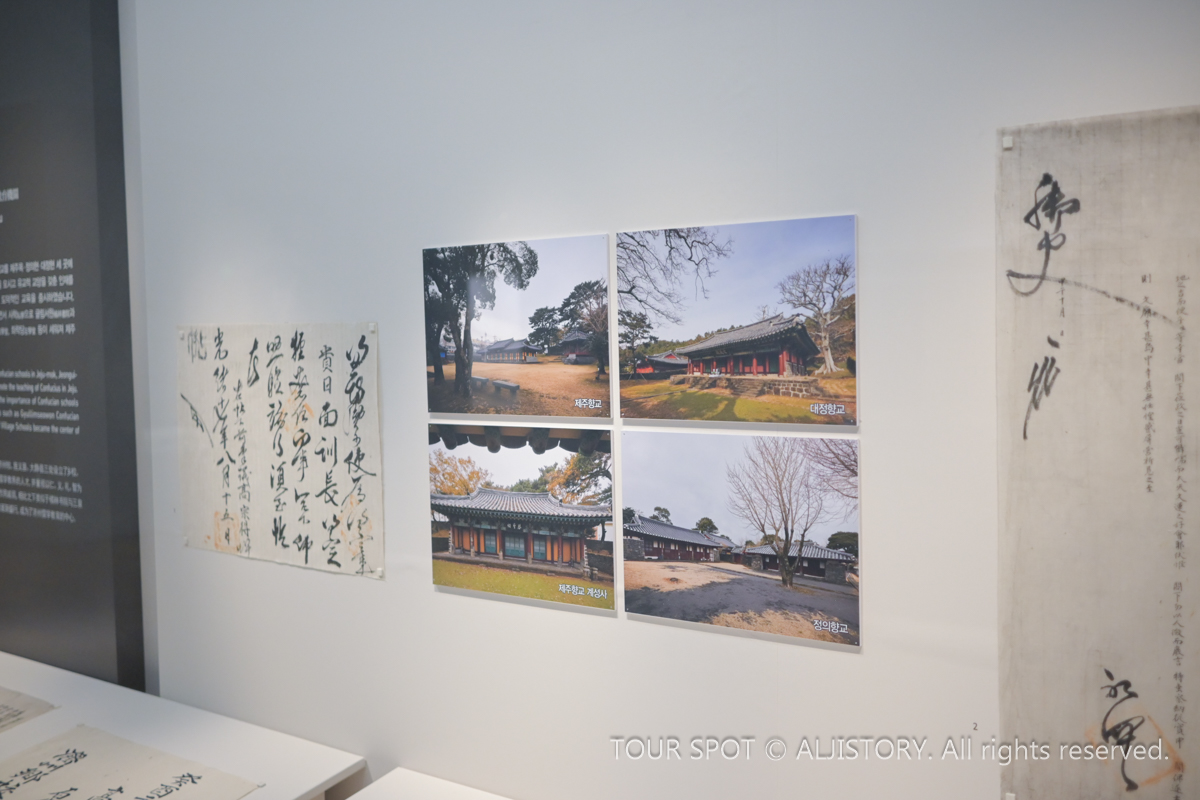
The Joseon Dynasty and the Culture of Exile: Exhibits explore the culture of exile that developed through Jeju’s relationship with the central government, accounts of shipwrecks and drift voyages, and the enduring resourcefulness of Jeju’s people.
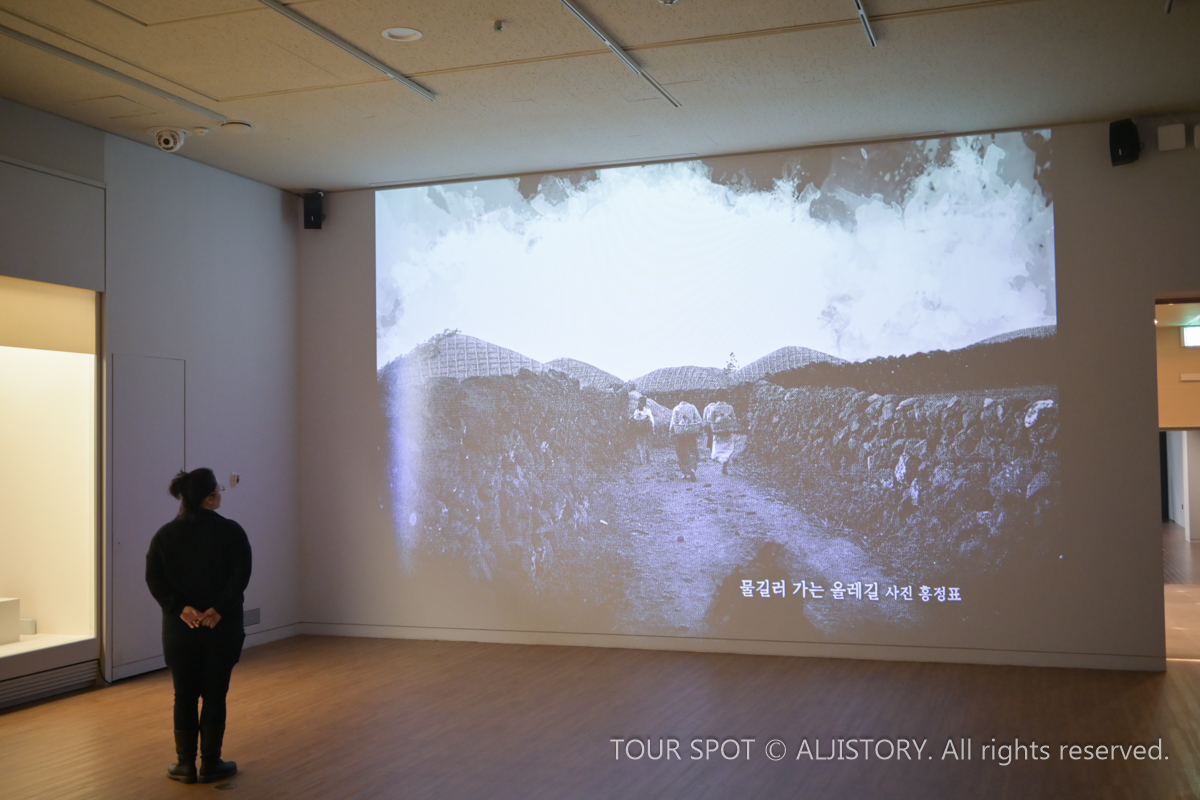
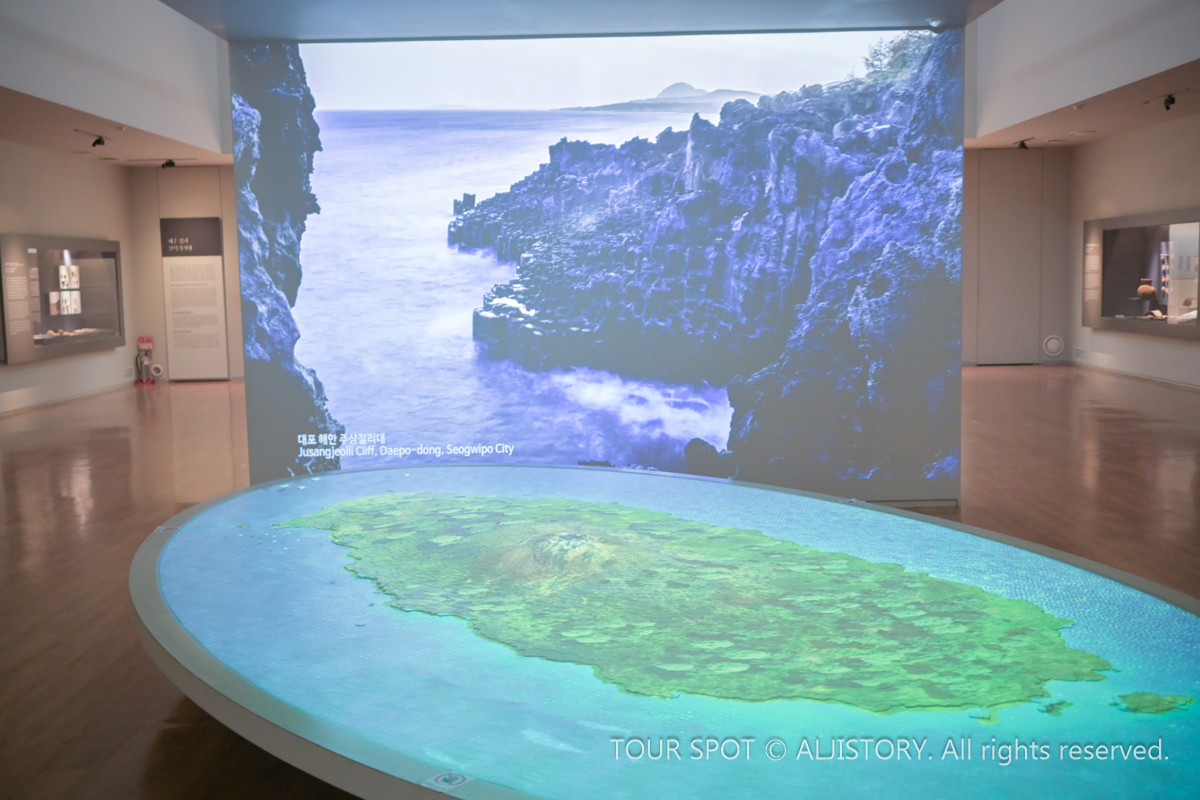
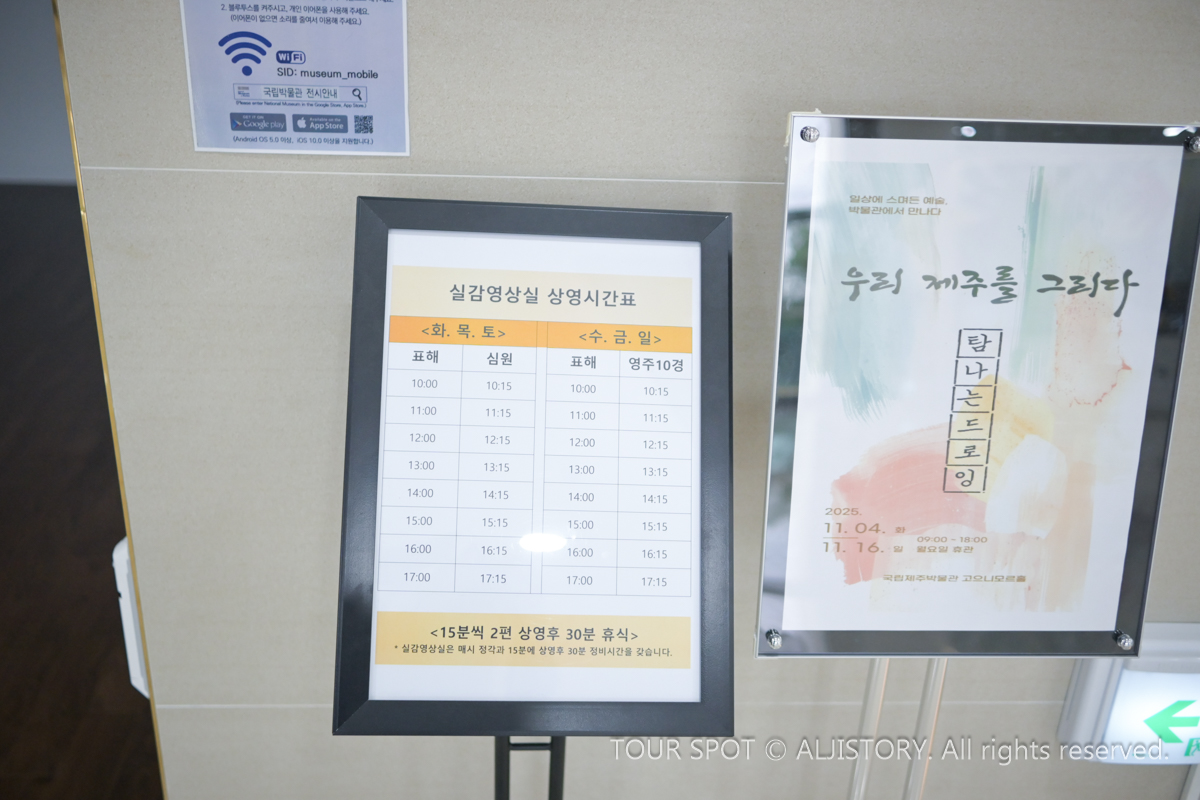
Immersive Digital Art
This is one of the Jeju National Museum’s most talked-about highlights in recent years.
Using high-definition projection mapping, it recreates “The Depths of the Jeju Sea” and “The Founding Myth of Tamna” as large-scale media art installations.
The space creates the illusion of being beneath the sea, making it a top photo spot for families with children and couples traveling together.
Children’s Museum
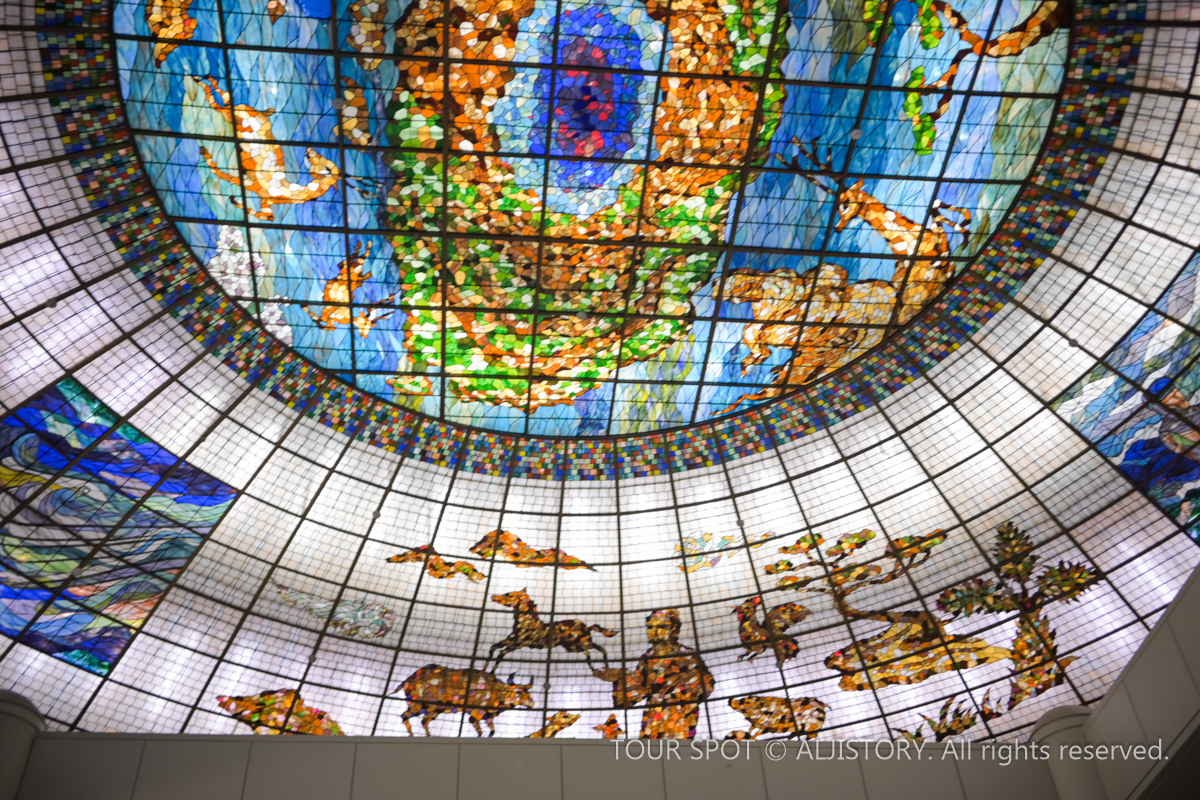
This dedicated space is designed to let children experience Jeju’s history and culture through play.
Built around the concept of “A Playground Filled with Jeju,” it is particularly popular with families.

Visitor Information and Tips
Here is the essential information for making the most of your visit.
Hours: 09:00–18:00 (last admission at 17:30)
Closed: Every Monday, January 1, and the day of Seollal and Chuseok
Admission: Free (special exhibitions may charge an admission fee)
Guided tours: Professional docent-led explanations are offered at scheduled times. (Checking on site is recommended.)
Digital guide: Download the museum app to have an audio guide play automatically in front of each exhibit, allowing for a deeper self-guided visit.
These nearby attractions are ideal for visiting before or after your museum tour.
Sarabong and Byeoldobong: These volcanic cones sit directly behind the museum. The sunset viewed from Sarabong, known as “Sarabong Sunset,” is one of Jeju’s Ten Scenic Views. They are good choices for an easy walk.
Jeju Folklore and Natural History Museum: While the Jeju National Museum focuses on archaeology and history, this museum offers a closer look at Jeju’s natural ecology and folk culture.
Dongmun Market: Located about a 10-minute drive away, it is the perfect place to sample Jeju’s local food after your museum visit.
Well-known food spots such as A Space Bakery and Sarang Restaurant are also nearby.
There Are No Boring Museums—Only Boring Preconceptions
Why Visit the Jeju National Museum?
Jeju’s history is far too dynamic to think of the island as merely a place to come and relax.
The Jeju National Museum reveals the resilience of the island’s people, who overcame a harsh environment and made a life from the sea.
It is also an excellent indoor date option on rainy days or during the height of summer—a smart destination where you can combine a history lesson with memorable travel photos.
https://luxdigest.com/%ec%a0%9c%ec%a3%bc%eb%a7%9b%ec%a7%91-%ed%95%9c%ea%b2%bd%eb%a9%b4-%ec%8b%a0%ec%b0%bd%eb%a6%ac-%ea%b7%b8%eb%a6%b0%ec%82%ac%ec%9d%b4%ea%b3%b5-%ec%9a%b0%ec%97%b0%ec%9d%b4-%ec%9d%b8%ec%97%b0%ec%9c/