Inbound Visitors Top 4.76 Million as Market-Specific Strategies Take Center Stage
In the first quarter of 2026, around 4.76 million international visitors traveled to South Korea, the highest first-quarter total on record. According to the Ministry of Culture, Sports and Tourism, the figure was up about 23% from the same period a year earlier. March also set a new monthly record, with approximately 2.06 million visitors arriving in the country.
The recovery has become increasingly pronounced as major markets including China, Japan and Taiwan posted broad-based growth, while long-haul markets such as the United States and Europe also expanded. The priority now is not simply to increase visitor numbers, but to encourage longer stays and higher spending through strategies tailored to the needs of each country and region.
Inbound Tourism Growth and Market Characteristics
China was South Korea’s largest source of visitors in the first quarter of 2026, with approximately 1.45 million arrivals. Japan followed with about 940,000 visitors and Taiwan with roughly 540,000. Visitor numbers from China and Japan rose by approximately 29% and 20.2%, respectively, from the same period a year earlier.
Taiwan recorded particularly strong growth of about 37.7%, while long-haul markets, including the United States and Europe, grew 17.1% to approximately 690,000 visitors. Data from the Korea Tourism Data Lab can help industry professionals analyze each market in greater detail, including travel purposes, age groups, trip types and spending categories.
Travel Demand Varies by Market
Travel purposes, information-gathering habits and preferred experiences differ across Chinese-speaking markets, Japan, Southeast Asia and Western markets. Rather than promoting the same tourism products across the board, destinations need tailored approaches that account for language, travel routes, length of stay and payment preferences.
For markets with strong demand for short return trips, for example, destinations could offer packages combining urban performances, shopping and food experiences. For long-haul visitors, longer itineraries that include intercity travel and connect history, culture and nature are likely to be more effective.
High-Value Themed Tourism to Extend Stays and Increase Spending
The next challenge for inbound tourism is to turn rising visitor numbers into local revenue and broader industry growth. Interest-based tourism centered on K-culture, K-beauty, food, wellness, medical tourism, sports and events, and historical and traditional cultural experiences is emerging as a key tool.
The Ministry of Culture, Sports and Tourism is promoting international conferences, corporate meetings and incentive travel as high-value segments. Government data indicates that international conference attendees spend more per person than typical international visitors. Linking MICE events with regional tourism could therefore extend stays while boosting visitor spending.
Turning K-Culture Trips into Repeat Visits
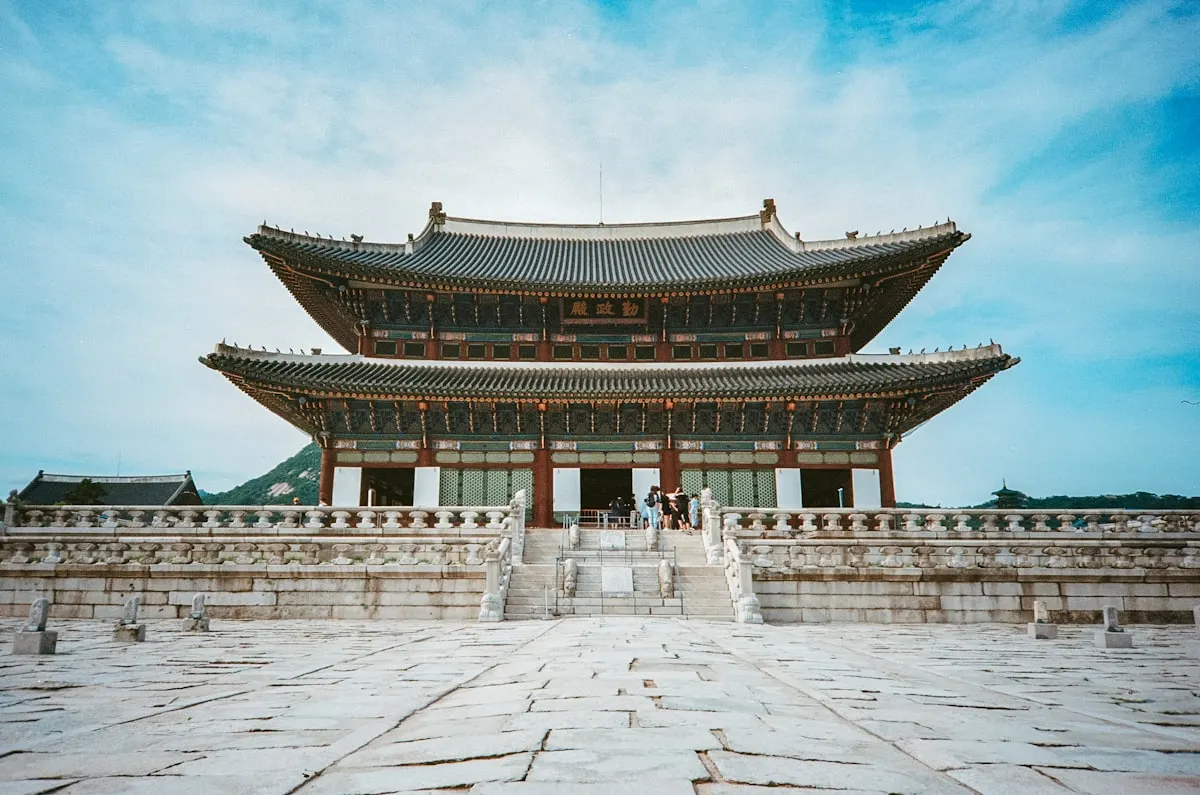
Concerts and festivals, drama filming locations, and experiences involving hanbok and royal court culture can be powerful motivations for visiting South Korea. But rather than relying solely on attendance at a particular event, destinations should build stay-focused packages that combine nearby food, accommodation, shopping and traditional cultural programs before and after the performance.
It is equally important to pair regional signature attractions with booking, transportation and payment services designed for international visitors. Spreading Seoul-centered travel to destinations such as Busan, Jeju, Gyeongju and Jeonju could help revitalize regional tourism and improve the overall travel experience.
Encouraging Visitors to Experience Everyday Life in Korea
There is also a need to broaden visitor spending beyond souvenirs and duty-free shopping toward everyday local experiences. Traditional markets, neighborhood restaurants, regional specialties, craft workshops and trips using public transportation can give international visitors a direct window into daily life and culture in South Korea.
The Korea Tourism Data Lab provides information for analyzing visitor spending, movements and interests by nationality. Tourism businesses should use these insights to design products around each market’s preferred goods, price points, payment methods and online promotion channels.
Spreading Tourism Regionally and Improving Convenience
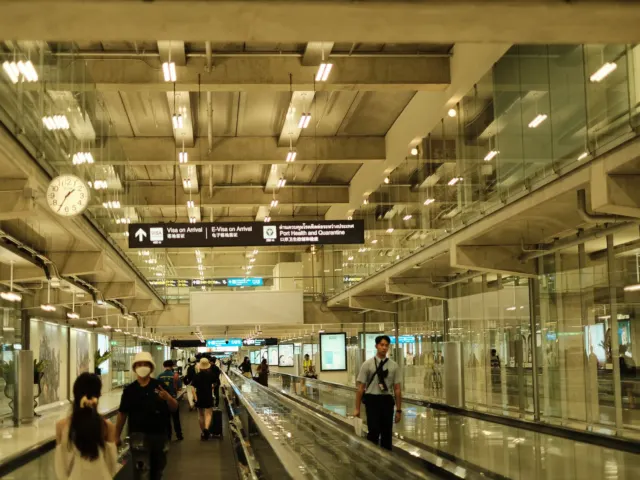
Developing tourism products that use regional airports and local transport networks is one way to ease the concentration of visitors in the Seoul metropolitan area. Making travel times and transfer information from Incheon International Airport to tourist destinations easier to understand, while improving multilingual signage, mobile payments and booking systems for international visitors, can lower the barriers to visiting regional areas.
The public and tourism workers also have an important role to play. Helpful guidance, services designed with international visitors in mind, clear and accurate pricing, and a safe tourism environment are all essential to increasing visitors’ willingness to return and their overall assessment of South Korea.
Preparing for an Era of 30 Million International Visitors
The continued rise in inbound visitors shows that South Korea’s tourism industry has moved beyond recovery and entered a new phase of expansion. Quantitative targets alone, however, cannot guarantee sustainable growth. Detailed analysis of market-specific demand must be paired with qualitative strategies that increase length of stay and spending in regional communities.
Looking ahead, high-value tourism products that connect K-culture with medical and wellness tourism, MICE, food, regional festivals, and traditional cultural experiences are likely to determine the industry’s competitiveness. Greater data sharing among tourism businesses, local governments and the central government, along with improvements to on-the-ground convenience, could bring South Korea closer to an era of 30 million international visitors.
Frequently Asked Questions (FAQ)
How many international visitors came to South Korea in the first quarter of 2026?
Approximately 4.76 million international visitors traveled to South Korea in the first quarter of 2026, the highest first-quarter total on record.
How many international visitors came to South Korea in March 2026?
Approximately 2.06 million people visited South Korea in March 2026, setting a new monthly record.
Which country sent the most visitors to South Korea in the first quarter of 2026?
China ranked first with approximately 1.45 million visitors, followed by Japan with about 940,000 and Taiwan with roughly 540,000.
Why are market-specific tourism strategies necessary?
Travel purposes, preferred content, length of stay and spending habits vary by country and region. Separating products and promotional channels according to each market’s characteristics can increase visitor satisfaction and spending.
What areas are included in high-value themed tourism?
Key areas include K-culture, K-beauty, food, wellness, medical tourism, MICE, sports and events, and historical and traditional cultural experiences.
What is needed to attract more international visitors to regional destinations?
Improved access through regional airports and local transport networks, multilingual information, convenient payment options, and stay-focused tourism products that highlight each region’s distinctive character are all necessary.