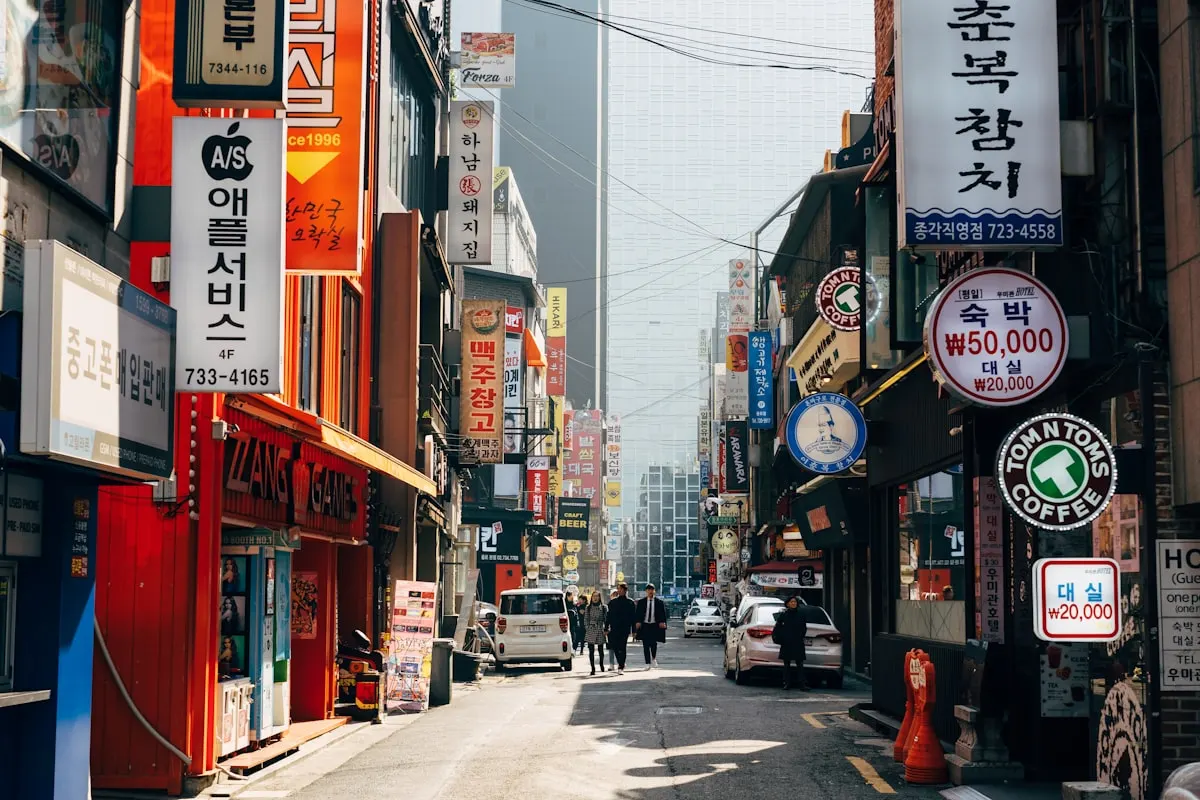
South Korean tourism is being called on to make a qualitative shift—one that goes beyond the recovery of inbound travel to encourage longer stays in local communities and more repeat visits. According to the Ministry of Culture, Sports and Tourism, approximately 18.94 million foreign visitors came to Korea in 2025, generating a provisional $27.2 billion in tourism revenue. As visitor numbers continue to rise in 2026, the country’s competitiveness will depend not only on how many people arrive, but also on how deeply they experience everyday life and local communities.
South Korean Tourism in 2026: From Quantitative Recovery to Qualitative Growth
From January through May 2026, approximately 8.72 million foreign tourists visited Korea, a 21% increase from the same period a year earlier. By the third weekend of June, the cumulative number of visitors had surpassed 10 million. The figures suggest that Korean tourism is moving beyond a simple return to pre-pandemic levels and entering a new phase of growth.
Through its 2026 national tourism strategy, the Ministry of Culture, Sports and Tourism has set out to bring forward the arrival of an era of 30 million foreign visitors. A key priority is to spread demand beyond the Seoul metropolitan area and strengthen regional tourism hubs that connect the entire journey—from choosing a destination to transportation, accommodation, dining and activities.
Turning Tourist Spending into Local Growth
Foreign visitors spend far more than just money on flights and accommodation. Their spending extends to restaurants, shopping, transportation, performances and traditional cultural experiences, boosting sales for local businesses and tourism companies.
Yet a rise in visitor numbers does not automatically translate into a stronger local economy. To ensure that tourism spending circulates within regional communities rather than remaining concentrated in parts of the capital region, destinations also need content that encourages longer stays, transport networks that make it easier to travel between areas, and convenient foreign-language information and payment services.
People and Services Are Korean Tourism’s Next Challenge
As the tourism industry’s recovery becomes more firmly established, the capabilities and working conditions of the people on the ground will become increasingly important. The Korea Culture and Tourism Institute has found that the tourism labor market continues to face employment shocks, imbalances between labor supply and demand, and changes in the nature of many jobs since the COVID-19 pandemic.
Bringing more young people into tourism, therefore, cannot be measured simply by the number of hires. Better pay and benefits, opportunities for career development, flexible working arrangements and workplace innovation powered by digital technology are all needed if tourism jobs are to become sustainable careers.
Service Quality Depends on the People at the Front Line
Foreign visitors do not return to Korea for its famous attractions alone. The experiences they encounter repeatedly throughout a trip—guidance at airports and hotels, service in restaurants, the ease of using public transportation and the welcome offered by local residents—shape their impression of the country.
The tourism industry should strengthen training not only in foreign languages and service etiquette, but also in understanding cultural differences. At the same time, translation technology and self-service systems should not be treated as ways to replace workers. They should be used as tools that allow frontline staff to focus on the tasks where human interaction matters most.
Reframing the Role of Tourism Programs and Education
Declining school-age populations are forcing structural changes across universities and vocational education institutions. Tourism programs, too, can no longer meet the expectations of students and the industry through classroom-based theory alone.
The Korea Culture and Tourism Institute has emphasized the importance of hands-on, interdisciplinary education and stronger links with industry in developing tourism professionals. Tourism programs should expand practical training through project-based classes with hotels, travel agencies and local tourism organizations, along with foreign-visitor service simulations, tourism data analysis and content development.
Teaching Tourism as an Interdisciplinary Industry, Not Simply as Travel
The tourism industry today extends well beyond hotels and travel agencies. It is converging with K-content, food, beauty, health care, performances, exhibitions, mobility and local culture, creating new kinds of work.
If educational institutions reflect these changes, tourism programs can evolve beyond training service workers to become interdisciplinary majors that prepare content producers, local-brand managers, tourism data analysts and international conference specialists.
The Experience of Becoming Part of Everyday Life in Korea
The next source of Korean tourism’s competitiveness will be its ability to encourage visitors to stay longer, return more often and build relationships with local communities. Eating at a local market, taking part in a neighborhood festival and traveling to smaller cities by public transportation can all deepen a visitor’s sense of connection to Korea.
The central government and local authorities must connect regional content with transportation and accommodation infrastructure, while businesses need to provide better services and jobs. Educational institutions must develop talent that can keep pace with changes in the industry, and the public should welcome foreign visitors not as one-time consumers, but as new neighbors in Korea.
The future of Korean tourism will not be defined by visitor numbers alone. It will be about visitors becoming immersed in everyday life, moving beyond Seoul’s famous attractions to form relationships with local residents and create memories that make them want to return. That is the most practical way to turn tourists into temporary locals—and build a lasting friendship with Korea.
Frequently Asked Questions (FAQ)
What is the outlook for South Korea’s tourism industry in 2026?
South Korea’s tourism industry is expected to continue its recovery in 2026, driven by an increase in foreign visitors and the expansion of regional tourism. The government is pursuing policies designed to bring forward the arrival of an era of 30 million foreign visitors.
How many foreign tourists visited South Korea in 2026?
Approximately 8.72 million foreign tourists visited South Korea between January and May 2026, and the cumulative total surpassed 10 million by the third weekend of June.
How does the growth in foreign visitors affect local economies?
Foreign visitors spend money on accommodation, food, transportation, shopping, performances and activities. More time and spending in regional communities can help increase sales for local businesses and tourism companies.
How can the tourism industry address its labor shortage?
It needs to improve pay and benefits, expand career-development opportunities, introduce more flexible working arrangements and strengthen foreign-language and digital training. Creating working conditions in which young people can build long-term careers is essential.
What kinds of education should tourism programs strengthen?
They should expand hands-on, interdisciplinary education, including regional tourism projects, foreign-visitor service training, tourism data analysis, content development, and international conference and MICE programs. Internships and joint projects with industry can also be highly effective.
What role does the public play in welcoming foreign visitors?
Accurate information, basic consideration and respect for cultural differences are essential. Treating foreign visitors not as one-time tourists but as neighbors who are sharing Korea’s local communities and everyday life can encourage them to return.