A Lunch Visit to Haemok, Haeundae’s Popular Eel Rice Restaurant
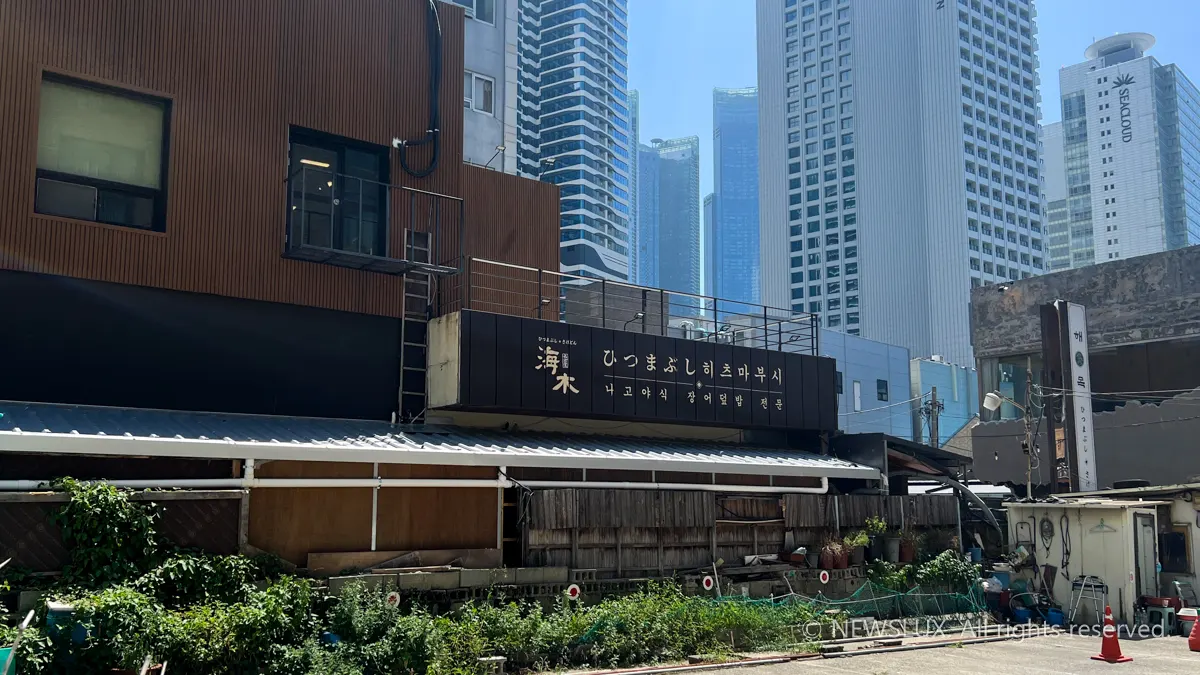
It was a hot summer day, but I headed to Haemok in Haeundae around lunchtime.
Online reviews warned of long waits, so I arrived prepared for the worst. In reality, though, the experience was a little different from what I had expected.
If you are looking for a good place to eat eel rice in Haeundae, or are considering a visit to Haemok, I hope this review helps.
Where Haemok Is and How to Get There
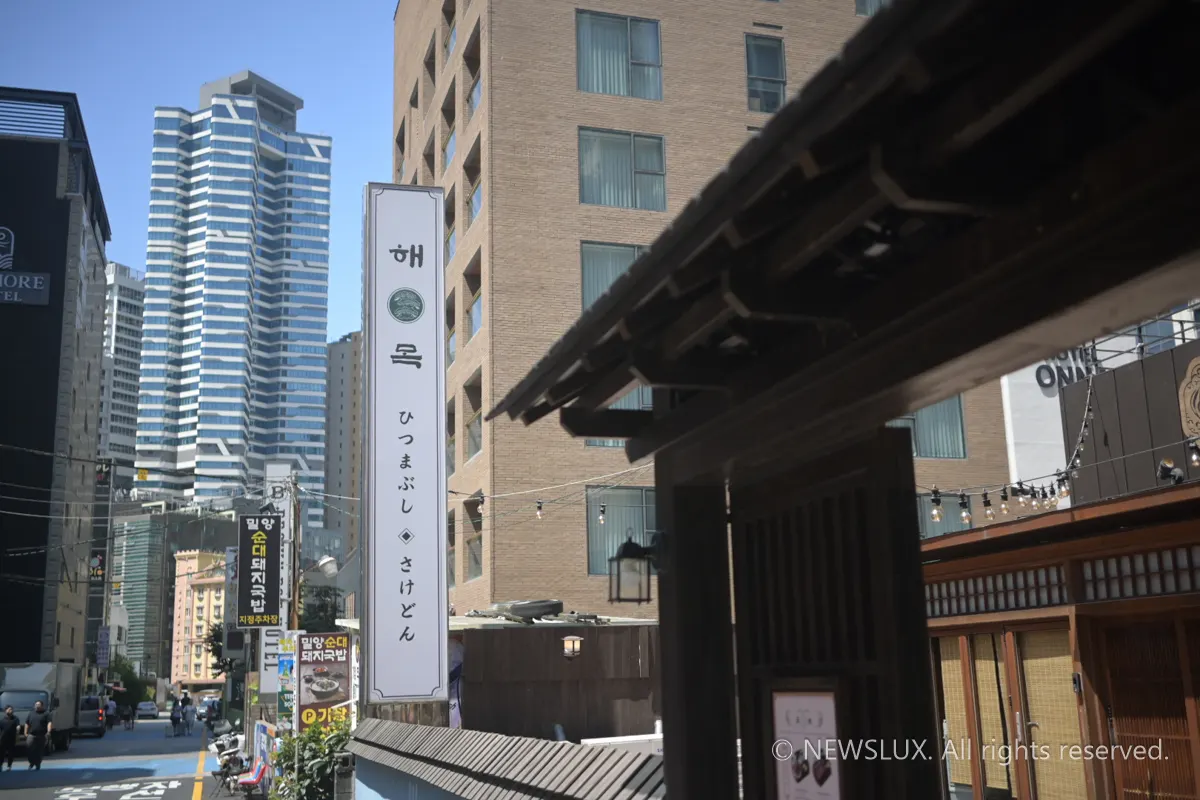
Haemok is located on the first floor at 8 Gunam-ro 24beon-gil, Haeundae-gu, Busan.
It sits down a busy side street within walking distance of Haeundae Beach, making it a popular lunch spot not only for tourists but apparently for office workers in the area as well.
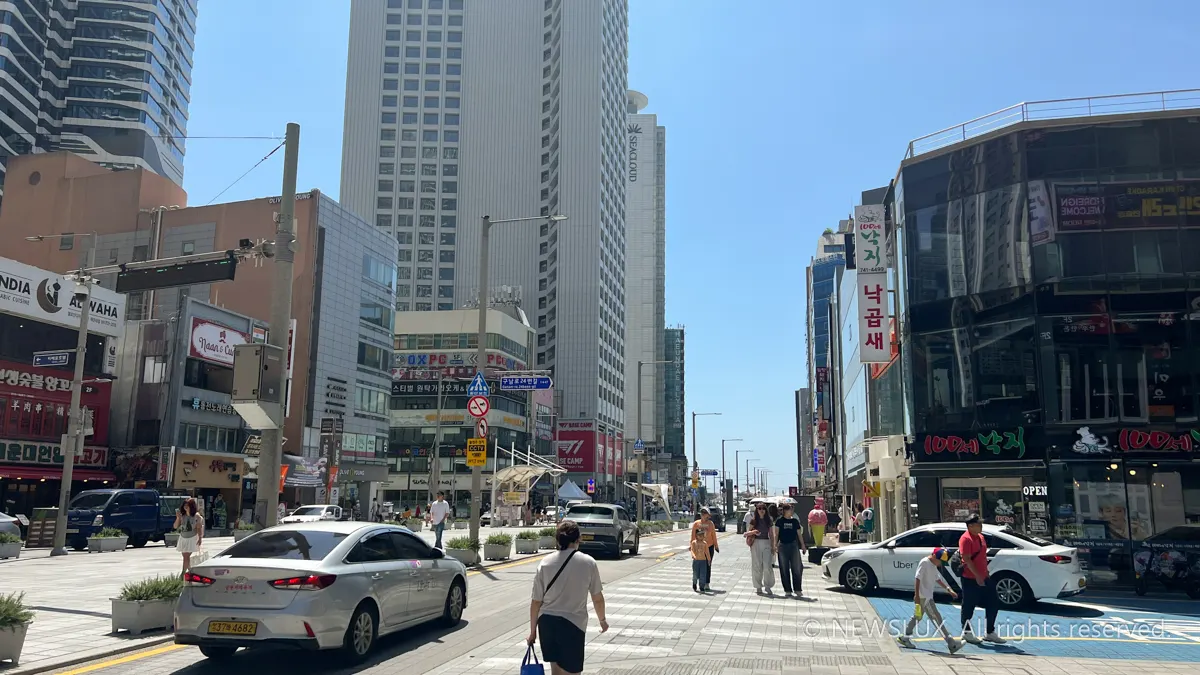
My visit fell on July 22, 2026, right in the middle of the summer holiday season. Haeundae’s streets were especially crowded with tourists and vacationers that day.
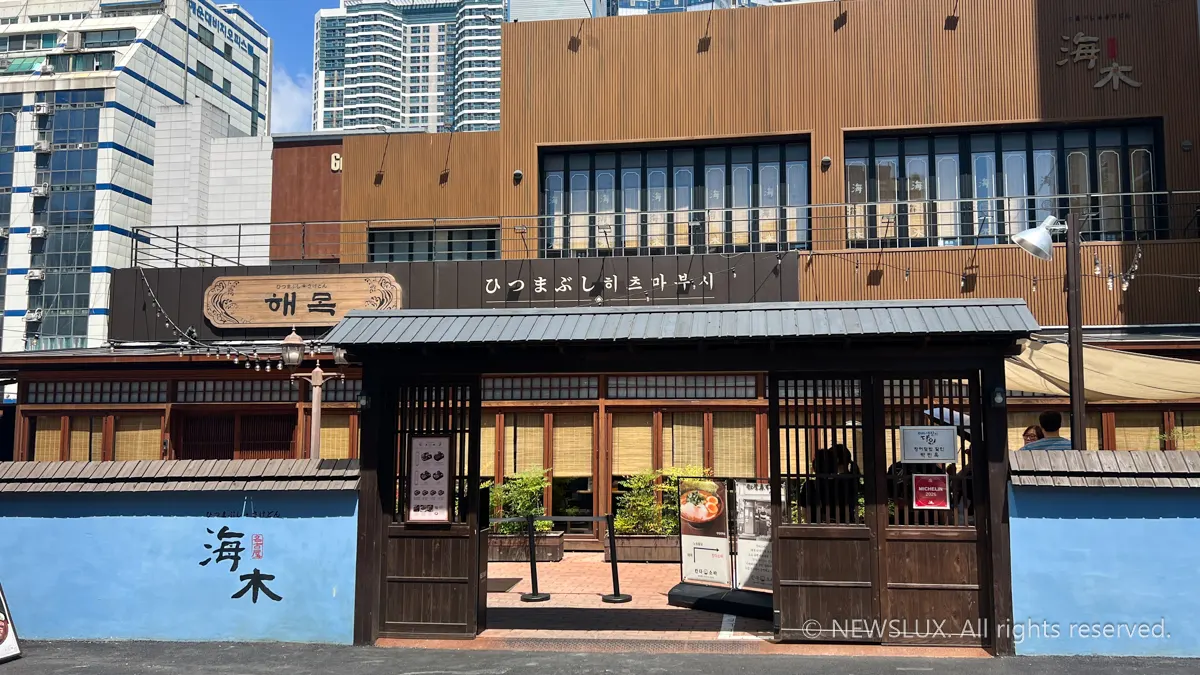
When I arrived in front of the building, the first thing I noticed was its exterior, which looked like it had been lifted straight from a traditional Japanese home.
The wood-finished entrance, low eaves and noren-style curtain hanging by the door all suggested that the owners had paid serious attention to the interior design.
There is no dedicated parking lot. I parked at a nearby paid lot and walked over. Since parking is notoriously tight in Haeundae, I recommend checking public parking facilities or planning to use public transportation before you go.
I used a parking lot behind the restaurant. I was not there for very long, but still had to pay 5,000 won when I left. The food felt worth the money, but the parking fee did not—so much so that I briefly wondered if I was in Seoul’s Gangnam district.
Especially on weekends, finding a parking space could take longer than waiting for a table.
In that sense, leaving the car at home may be the more relaxing option. I would have liked to enjoy a beer with my meal, but because I had driven, I had to give up on that.
The Wait Was Shorter Than Expected: Number 21, Fifteen Minutes
The wait was the part I had been most concerned about.
Some online reviews said that weekend queues could reach nearly 90 parties, with waits of almost two hours, so I arrived fully prepared for a long delay.
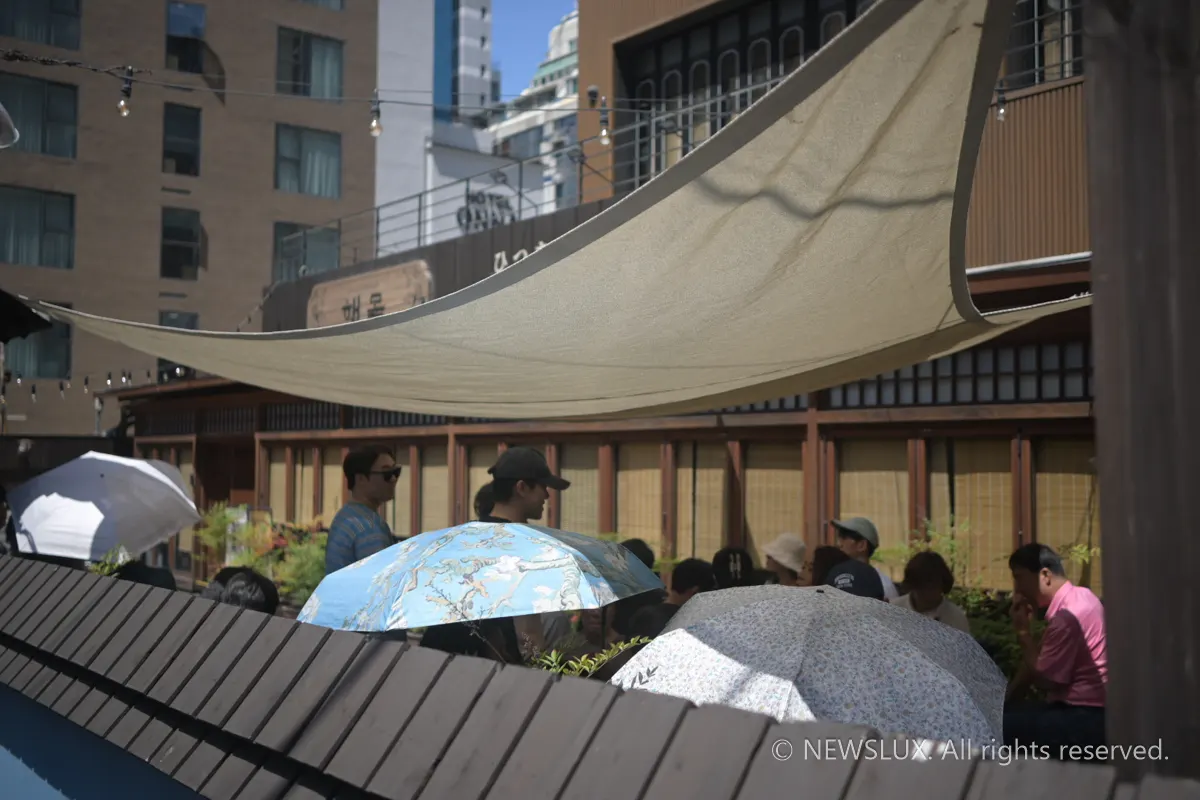
But I arrived at around 11 a.m. on a weekday and received queue number 21. The number made me slightly nervous at first, but tables turned over faster than expected, and I was seated after waiting only about 15 minutes.
My main takeaway was that there is no need to panic just because the queue number looks high.
If you visit around opening time on a weekday—roughly 11 a.m.—the actual wait may be much shorter than the number suggests.
That said, weekends and dinner hours may be an entirely different story, so it is worth choosing your visit time with that in mind.
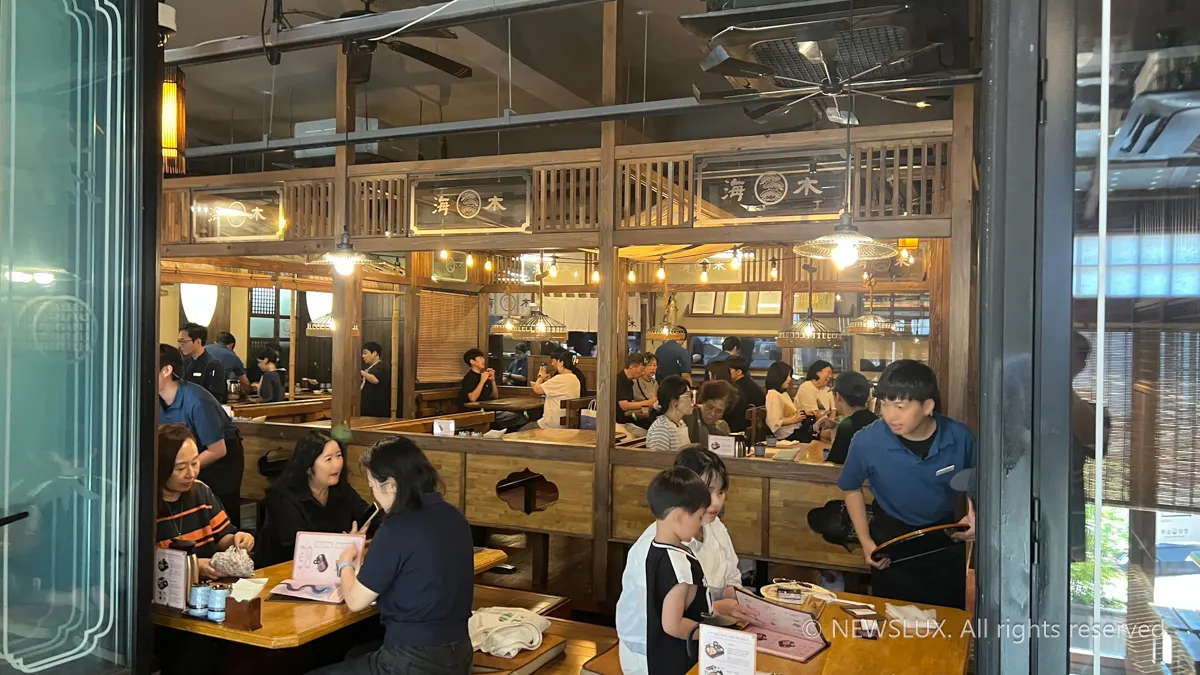
The Atmosphere: A Japanese-Inspired Space Expanded to Two Floors
The Japanese-inspired atmosphere I noticed outside continued inside the restaurant.
I heard that a second floor had recently been added, and both floors offered a variety of seating options.
I was shown to a table, but I also noticed counter seating, making the restaurant comfortable for solo diners who might prefer not to sit at a large table.
There were also some floor-seating areas, allowing guests to choose according to the size of their party and their personal preference.
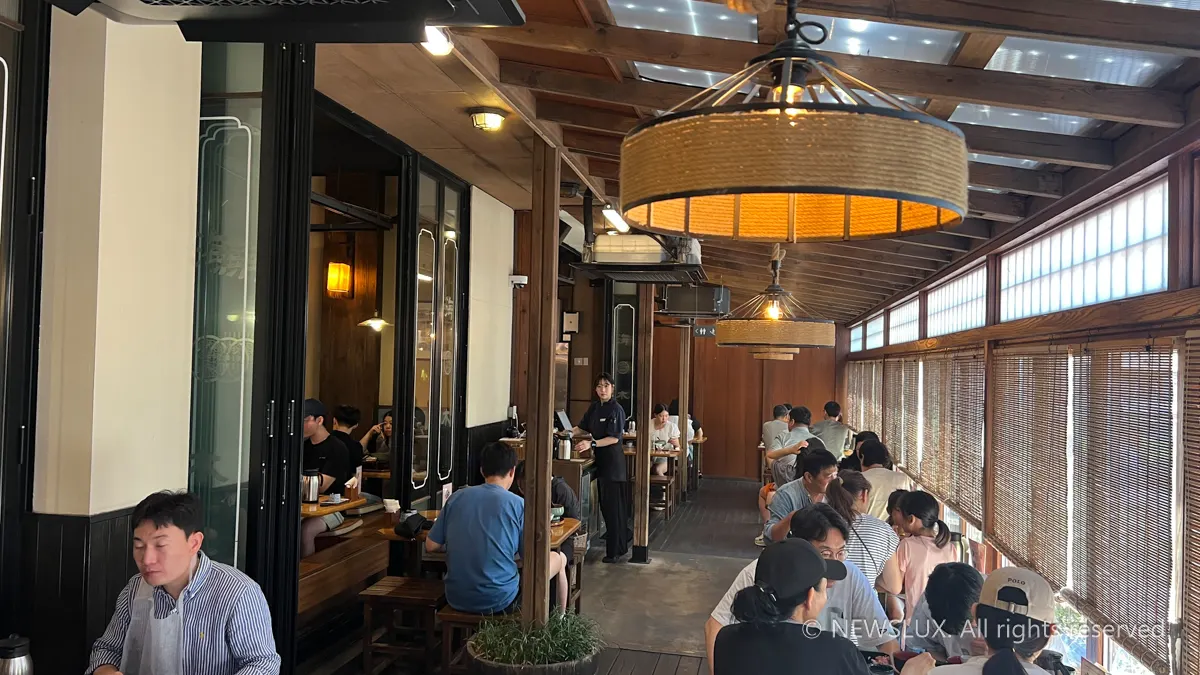
With its soft lighting and carefully arranged furnishings, the restaurant felt like more than simply a place that serves eel rice. It felt like stepping into a long-established Japanese restaurant tucked away on a side street during a trip to Japan.
Even during a weekday lunch, quite a few diners were taking photos. The tables were spaced comfortably enough that conversations at neighboring tables were not distracting.
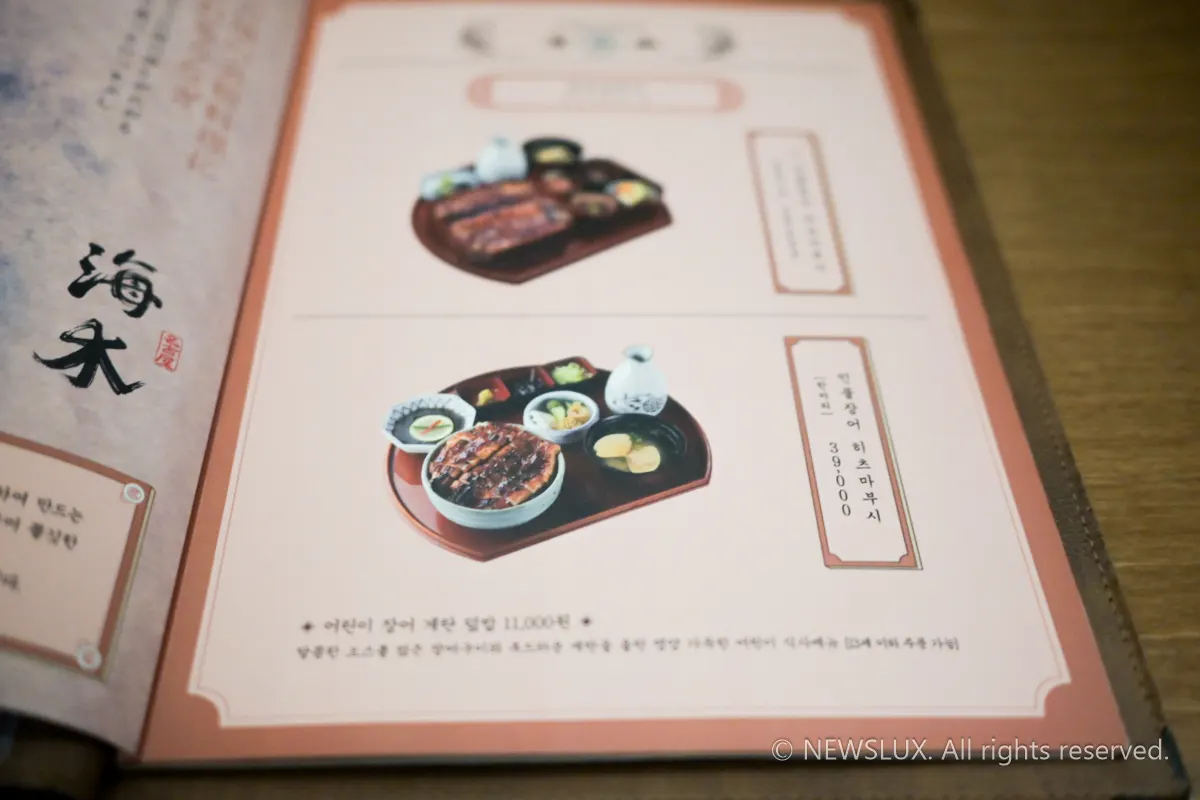
What I Ordered: Regular Hitsumabushi
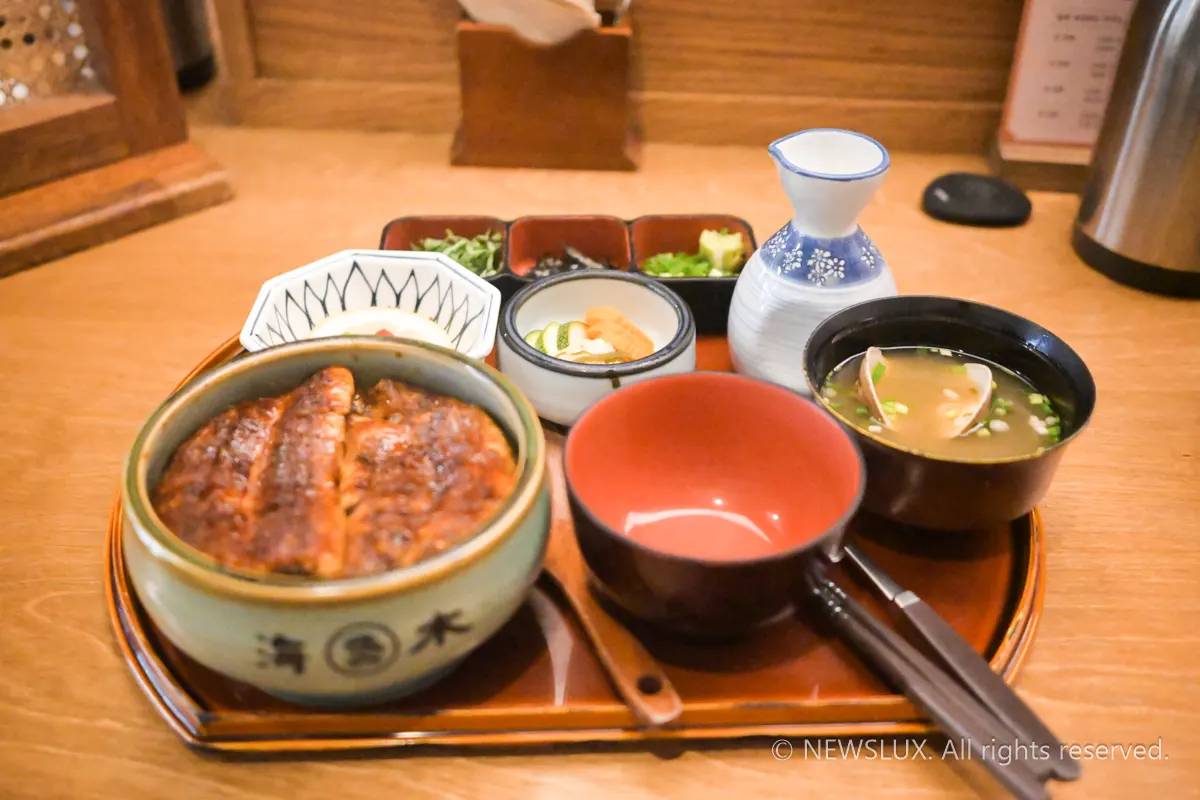
Rather than ordering the special, or premium, portion, I chose the regular-size hitsumabushi.
It cost 39,000 won.
The menu listed
special hitsumabushi at 58,000 won,
kaisendon at 37,000 won,
and special kaisendon at 51,000 won.
Other tempting side dishes included uni-don at 46,000 won,
wild sea urchin at 38,000 won per 100 grams,
tuna tataki at 18,000 won,
and burrata cheese at 8,000 won.
There was also a children’s eel rice bowl for 11,000 won, and I saw several families dining with young children.
These are certainly not bargain prices, but the menu alone gave me the impression that the restaurant was confident in the quality of its ingredients.
After finishing my meal, I did find myself wishing I had ordered the special portion. I wanted to enjoy the flavor and the overall experience for a little longer.
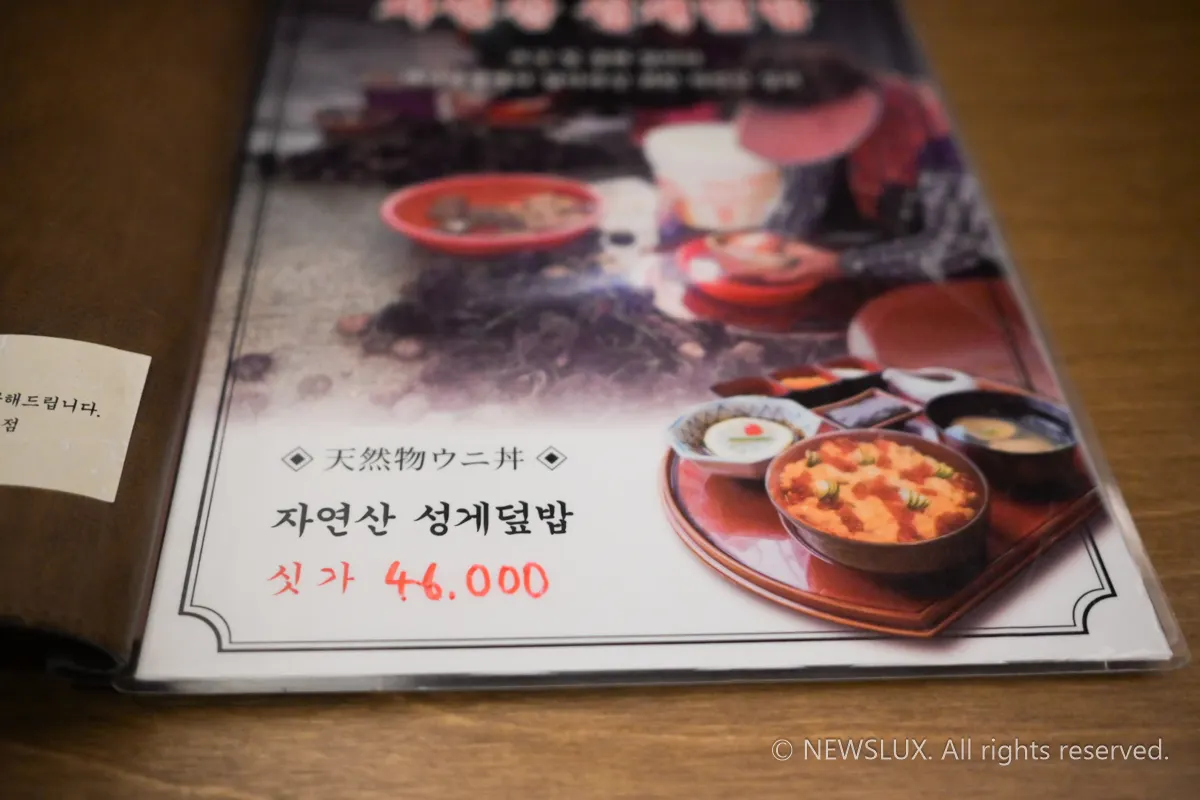
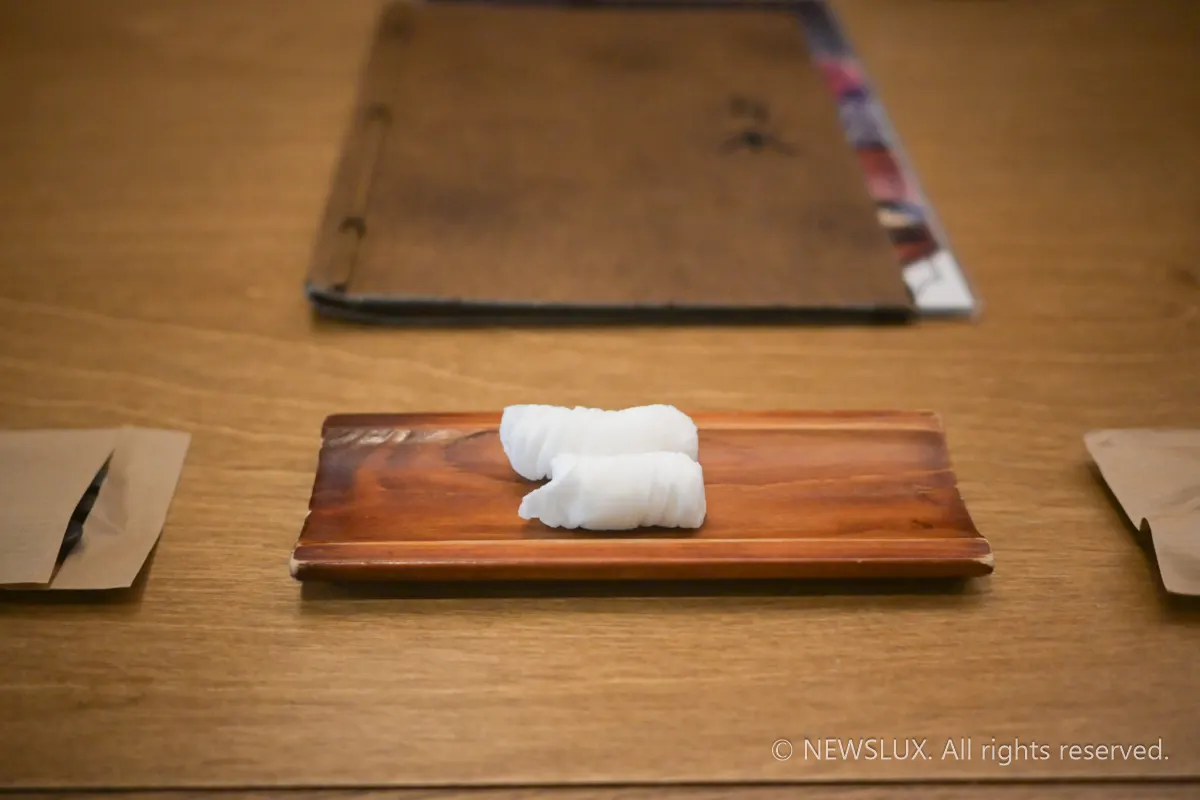
The first page of the menu featured sea urchin rice.
I am also a fan of sea urchin, so I made a mental note to try the uni rice bowl on my next visit.
The price, however, was formidable.
It almost felt as if a particularly wicked demon had designed the menu. I tried to make peace with the price by reminding myself that the sea urchin was wild-caught.
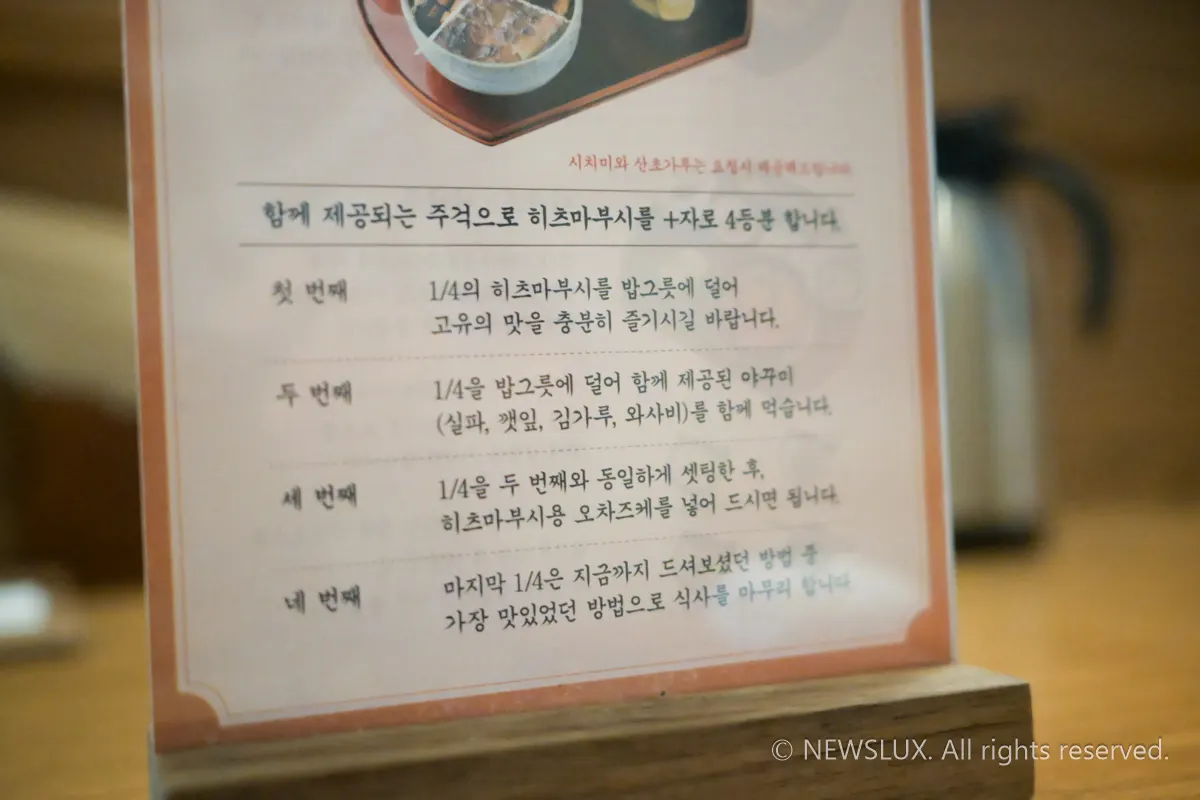
How I Enjoyed the Hitsumabushi in Three Stages
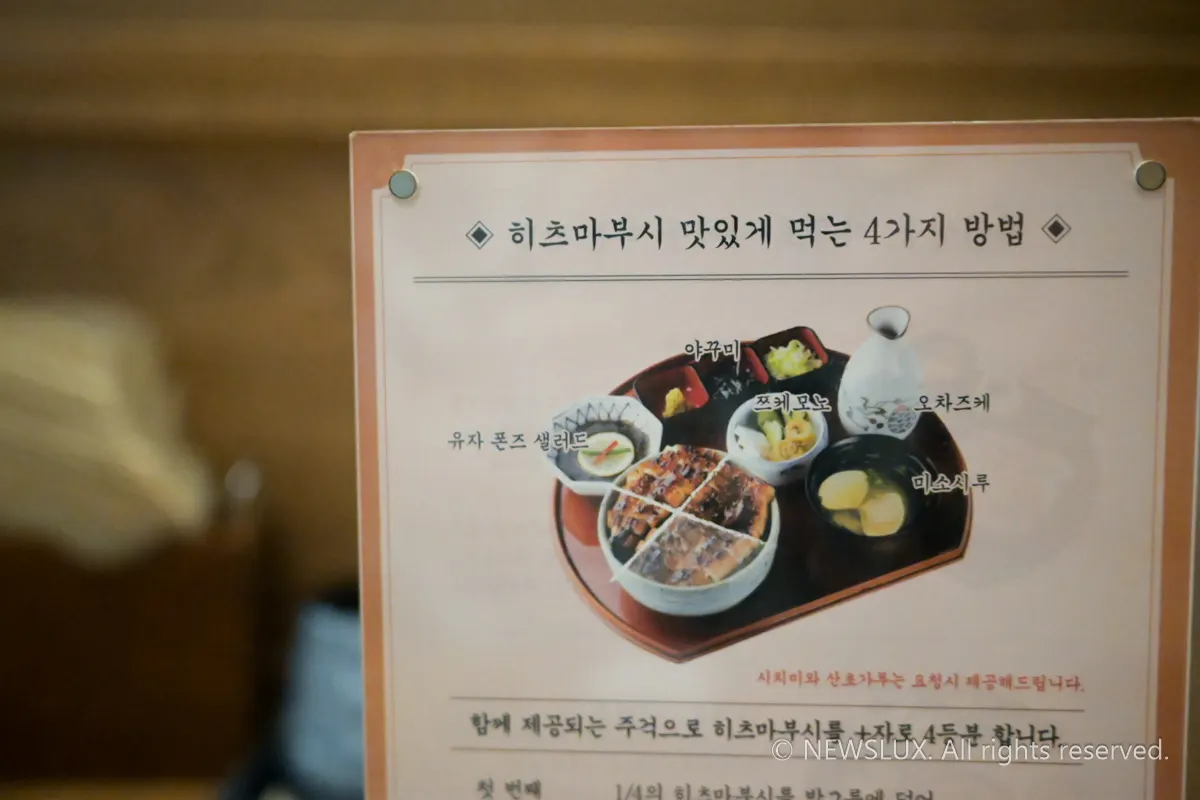
When the hitsumabushi arrived, a member of staff kindly explained how to eat it.
Nagoya-style hitsumabushi is traditionally enjoyed by dividing one bowl into three portions and eating each portion in a different way.
The first stage is to enjoy the eel and rice as they are, without adding anything.
For the second, you add garnishes such as wasabi, shredded nori and chopped scallions for extra aroma and texture.
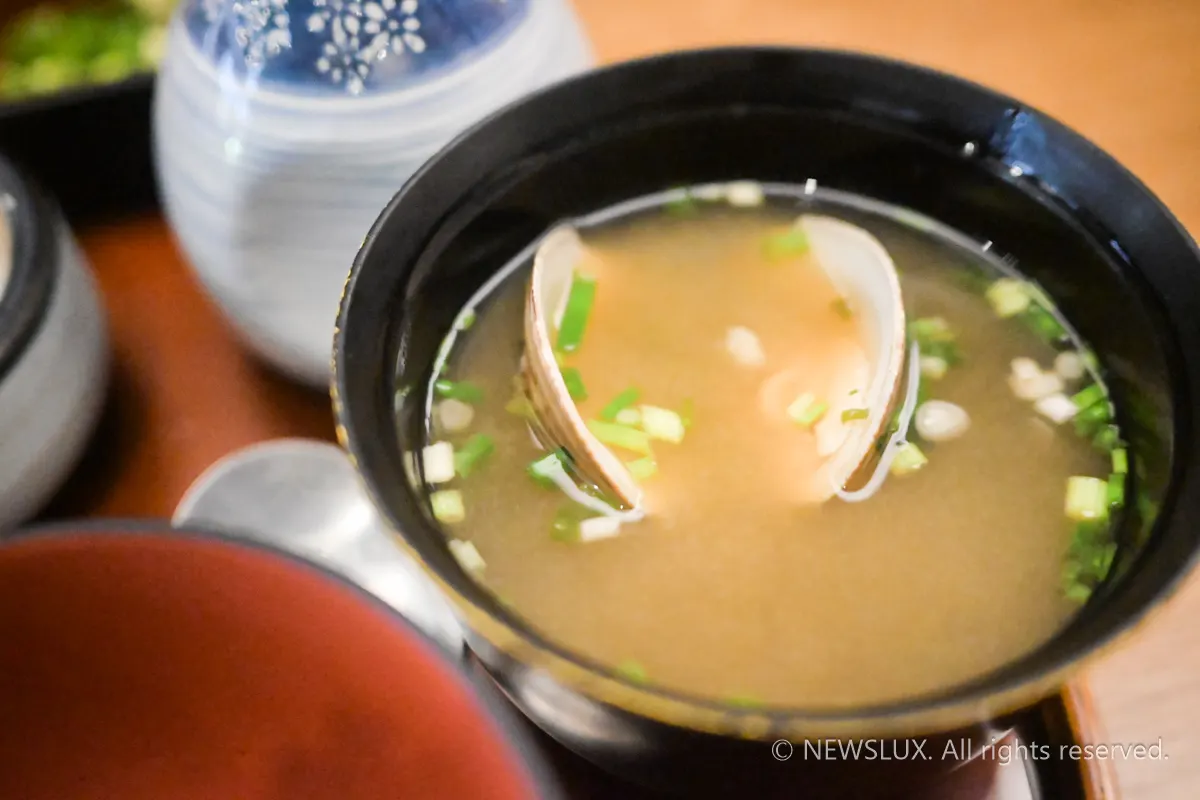
The third involves pouring hot dashi over the rice and enjoying it like ochazuke, finishing the meal with warmth and savory depth.
When I first heard about this method, I wondered why you could not simply eat it all at once. After trying each stage, however, I understood why the dish is meant to be enjoyed this way.
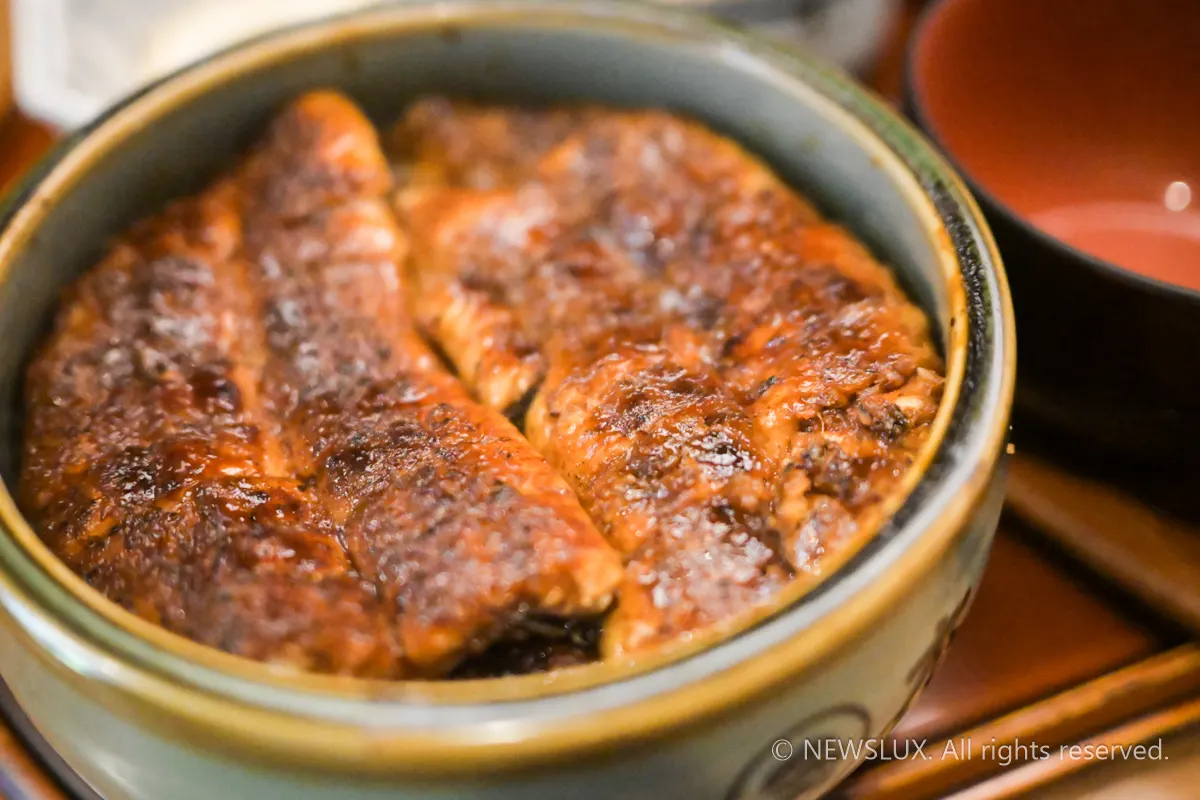
The Flavor, Based on My Own Tastes
In the first stage, the eel was thick and tender, with almost no small bones, making it easy to eat.
The seasoning was neither overly sweet nor salty, allowing the eel’s rich, nutty flavor to come through. The rice had absorbed the seasoned soy sauce, but its flavor leaned more savory than salty.
The second stage, with wasabi, shredded nori and scallions, was distinctly different from the first.
The sharpness of the wasabi seemed to cut through the eel’s richness, while the scallions and nori added fragrance and kept the meal interesting from start to finish.
Personally, I found the final ochazuke stage the most memorable. Once the hot dashi was poured over the bowl, the eel and rice softened, while the savory broth enveloped everything.
That said, of the three, I enjoyed the second method—with wasabi and scallions—the most. That is simply my personal preference, and others may feel differently.
Because the final stage comes just as you begin to feel full, it was also a pleasant, comforting way to finish the meal.
By the time I had tried all three stages, one bowl had delivered the satisfaction of three different dishes.
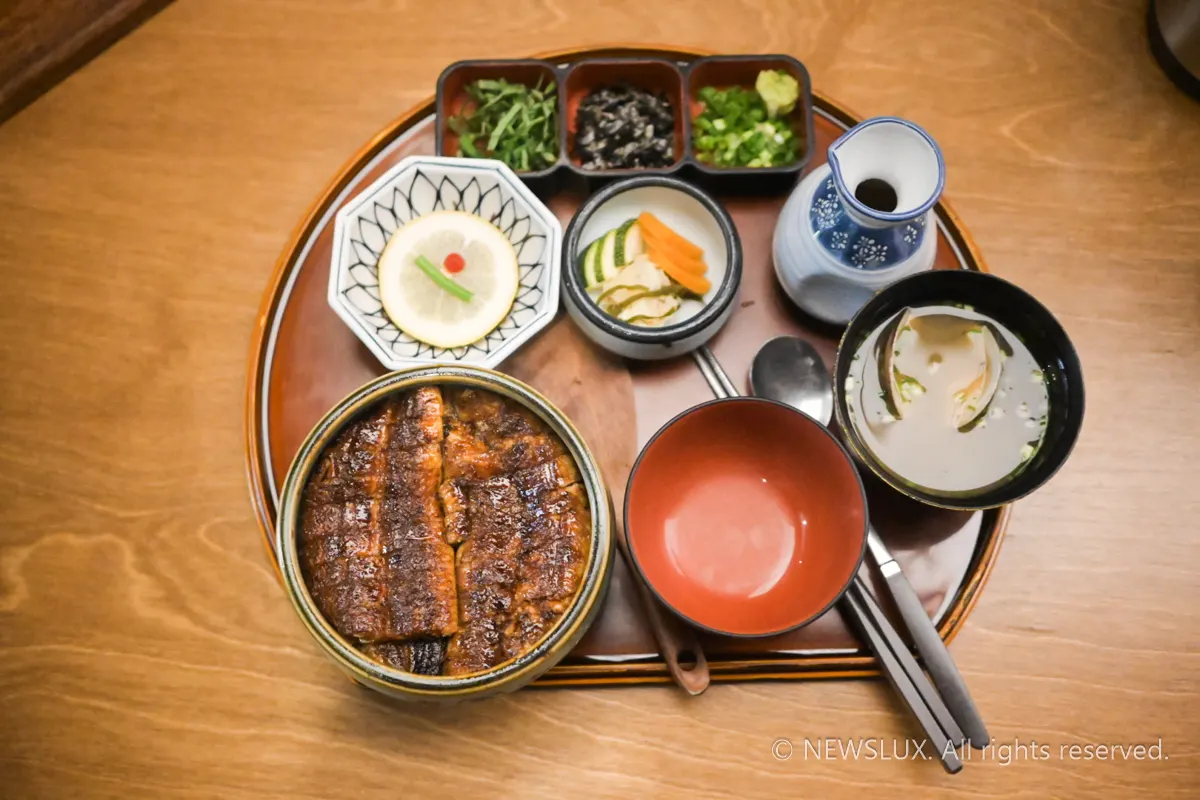
The Kaisendon at Nearby Tables Also Caught My Eye
While I was eating my hitsumabushi, I noticed quite a few diners at the tables beside and in front of me ordering kaisendon.
The bowls were topped with assorted sashimi, including white-fleshed fish, tuna, salmon, negitoro and sea urchin. Even from a distance, the colors suggested how fresh everything was.
According to the staff, it is best to start with the mild white fish and work toward richer, more intensely flavored ingredients such as sea urchin.
The presentation looked so appealing that I found myself wanting to try the kaisendon on my next visit.
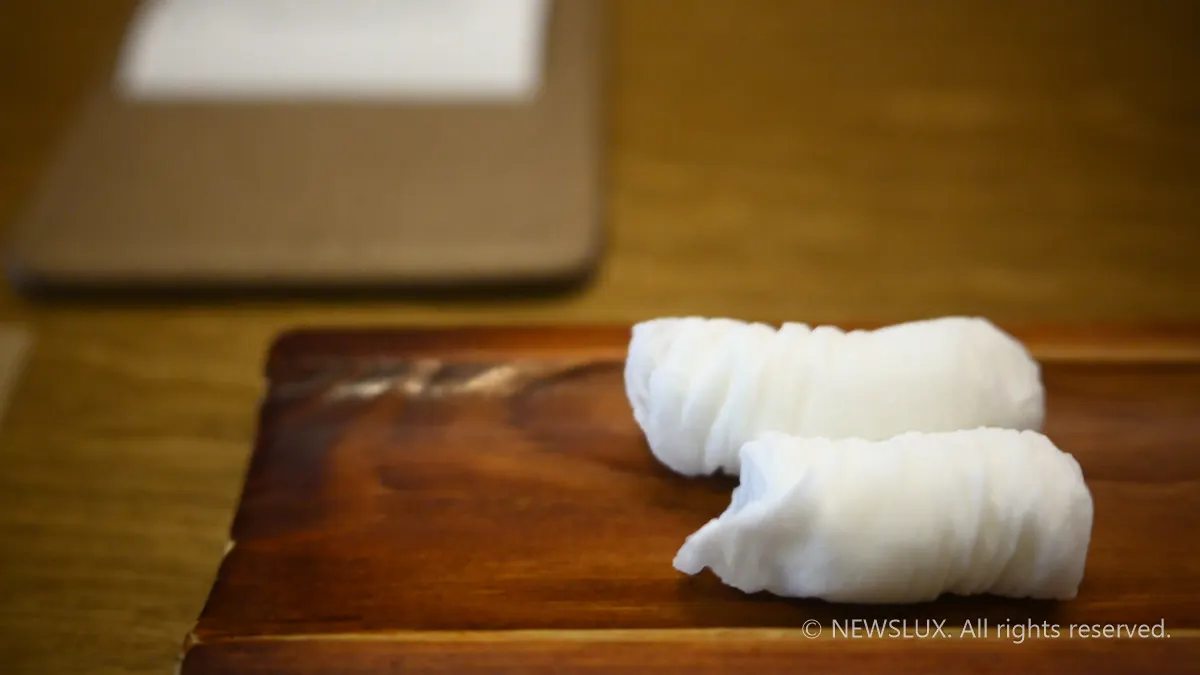
Why Haemok Fits Easily into a Haeundae Itinerary
Because Haemok is tucked into a side street not far from Haeundae Beach, it is easy to combine with a walk along the beach or a café-hopping outing nearby.
As with my visit, having lunch there leaves the rest of the afternoon free for exploring Haeundae.
Personally, I would recommend going at lunchtime rather than in the evening. As my visit showed, the wait may be more manageable, and you can enjoy the rest of the day at a relaxed pace after eating.
Who I Would Recommend It To
I would recommend Haemok to anyone who wants a quiet, satisfying meal alone; people who enjoy eel but are put off by small bones; and visitors who want at least one properly memorable meal during a trip to Haeundae.
Since prices start at 39,000 won, however, it may feel expensive if you are simply looking for a quick and casual meal.
Tips to Know Before Visiting Haemok
My experience showed that if you arrive around 11 a.m. on a weekday, the actual wait may be much shorter than the queue number suggests.
There is no parking on site, so it is best to check nearby public parking or plan to use public transportation.
Advance reservations are reportedly available through Naver Booking on weekdays, but when I checked, I could not find an active link.
I also checked Tableling that day, but no reservation button was active, so I registered through the on-site waiting system and waited. The two systems may be working normally when you visit, however, so it is worth checking both in advance.
If the wait seems too daunting, takeout is also available, so you can choose whichever option best suits the situation.
Frequently Asked Questions (FAQ)
Q. How long is the wait at Haemok?
A. It varies considerably depending on the day and time. When I visited at around 11 a.m. on a weekday, I received queue number 21 and waited about 15 minutes. Weekends and dinner hours can be much busier, so allow plenty of time.
Q. Can I make a reservation?
A. Advance reservations are available through Naver Booking on weekdays, while weekends operate through an on-site waiting registration system.
Q. What are the parking options?
A. The restaurant has no dedicated parking lot. You will need to use a nearby public or paid parking facility. Since parking can be difficult in Haeundae, public transportation is also worth considering.
Q. What is the difference between regular and special hitsumabushi?
A. Regular hitsumabushi costs 39,000 won, while the special, or premium, version costs 58,000 won. The special menu appears to include more eel or a more generous arrangement. Based on my regular serving, the standard size was satisfying enough for a first visit.
Q. Is it suitable for children?
A. There is a separate children’s eel rice bowl priced at 11,000 won, and the restaurant has high chairs, so families with children are regular visitors.
Q. Is this the restaurant featured in the Michelin Guide?
A. Haemok is known as a restaurant included in the Busan Michelin Guide’s Bib Gourmand selection. After visiting in person, I could understand why it had earned that recognition; thoughtful details were evident throughout the restaurant.
Q. What are the opening hours?
A. The restaurant is open daily from 11 a.m. to 10 p.m. Break times and last orders vary by day, so it is safest to confirm by phone or through the booking page before visiting.
Q. Should I try hitsumabushi or kaisendon first?
A. Choose hitsumabushi if you want thick, richly textured eel and the fun of enjoying one bowl in three different ways. Choose kaisendon if you would rather sample several kinds of fresh sashimi in one bowl. I had the hitsumabushi, but the kaisendon at the neighboring tables looked excellent as well.
Q. Is it comfortable to visit alone?
A. Yes. The counter seating makes it easy for solo diners to enjoy a meal comfortably without feeling out of place.
What Is Nagoya-Style Hitsumabushi?
I became curious during the meal, so I looked it up and have summarized the basics here.
Hitsumabushi is a type of eel rice bowl that originated in Japan’s Nagoya region. Unlike the standard eel bowl, or unagidon, its defining feature is that one bowl is divided into thirds and enjoyed in three different ways.
The first portion highlights the natural flavor of the ingredients, the second adds garnishes, and the third is finished with broth, creating a porridge-like dish.
Haemok follows this tradition, and the staff’s brief explanation of the order made it easy even for a first-time diner to enjoy the dish.
Rather than thinking of it simply as “eel rice,” I found that understanding its origins made the meal feel richer and more enjoyable.
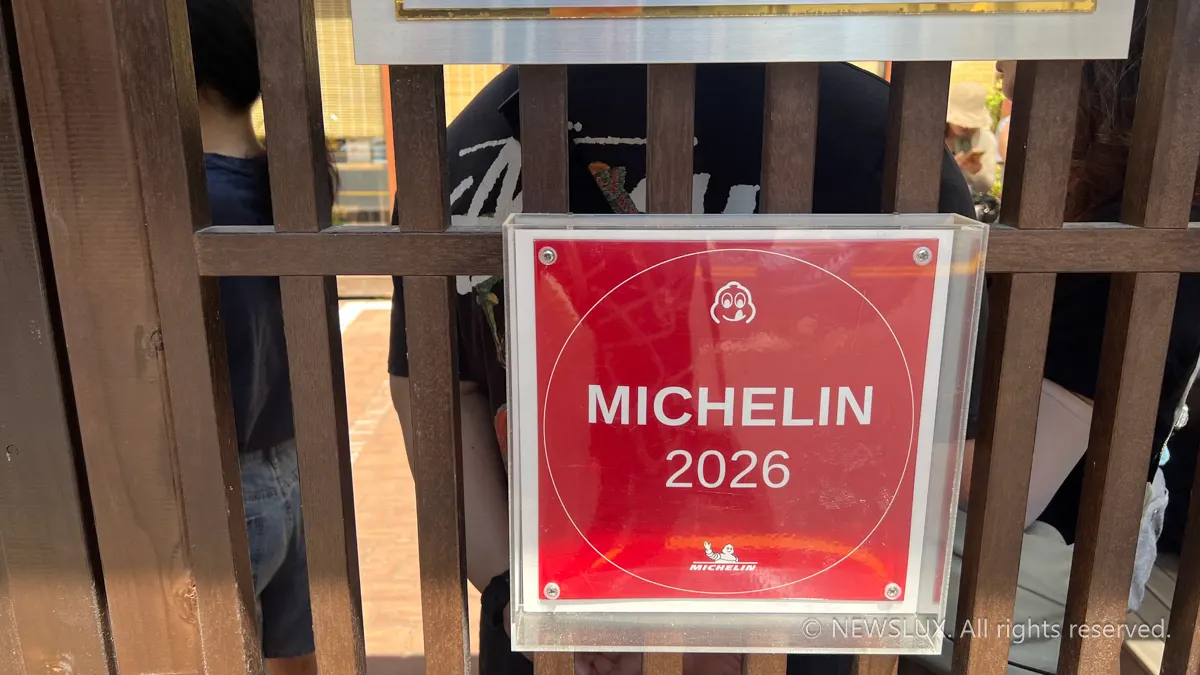
I Could Understand Why It Made the Michelin Bib Gourmand List
Before visiting, I honestly wondered whether a bowl of eel rice costing nearly 40,000 won could really be worth the price.
After trying it, though, I felt that the freshness of the ingredients, the care taken to remove the small bones and the three-stage presentation made it feel less like an ordinary meal and more like a complete dining experience.
When I added the thoughtfully managed waiting system, the carefully designed interior and the staff’s friendly explanations to the equation, it became easy to understand why the restaurant had earned a place on the Busan Michelin Bib Gourmand list.
Final Thoughts
My visit to Haemok involved less waiting than I had expected from the online reviews, while the quality of the food lived up to the praise.
At 39,000 won, a bowl of eel rice is certainly not cheap. But considering the experience of eating it in three different ways and the quality of the ingredients, I felt it was worth visiting at least once.
What stayed with me most was receiving queue number 21, worrying that the wait would be long, and then being seated just 15 minutes later.
If concerns about the queue have made you hesitate, keep in mind that a weekday lunch visit may be less demanding than expected.
Next time I am in Haeundae, I plan to try the kaisendon, as well as the uni-don and sea urchin dishes I spotted at the neighboring tables.