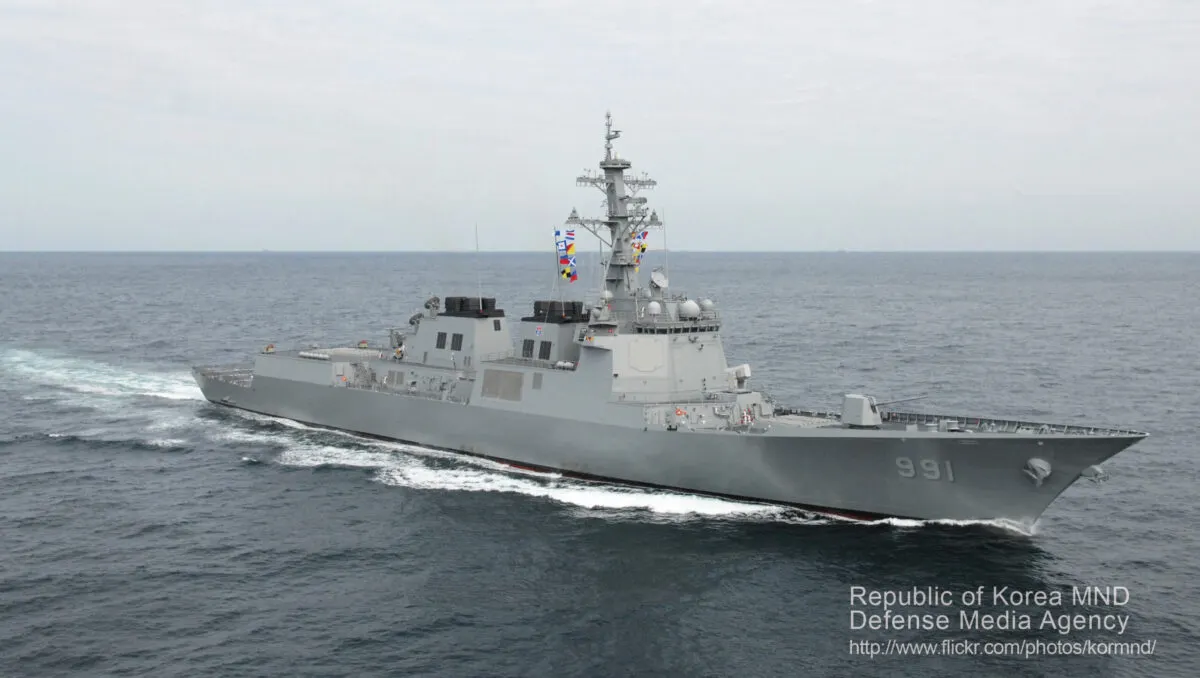
Hanwha Ocean has effectively secured the 7.8 trillion-won Korean Destroyer Experimental (KDDX) program
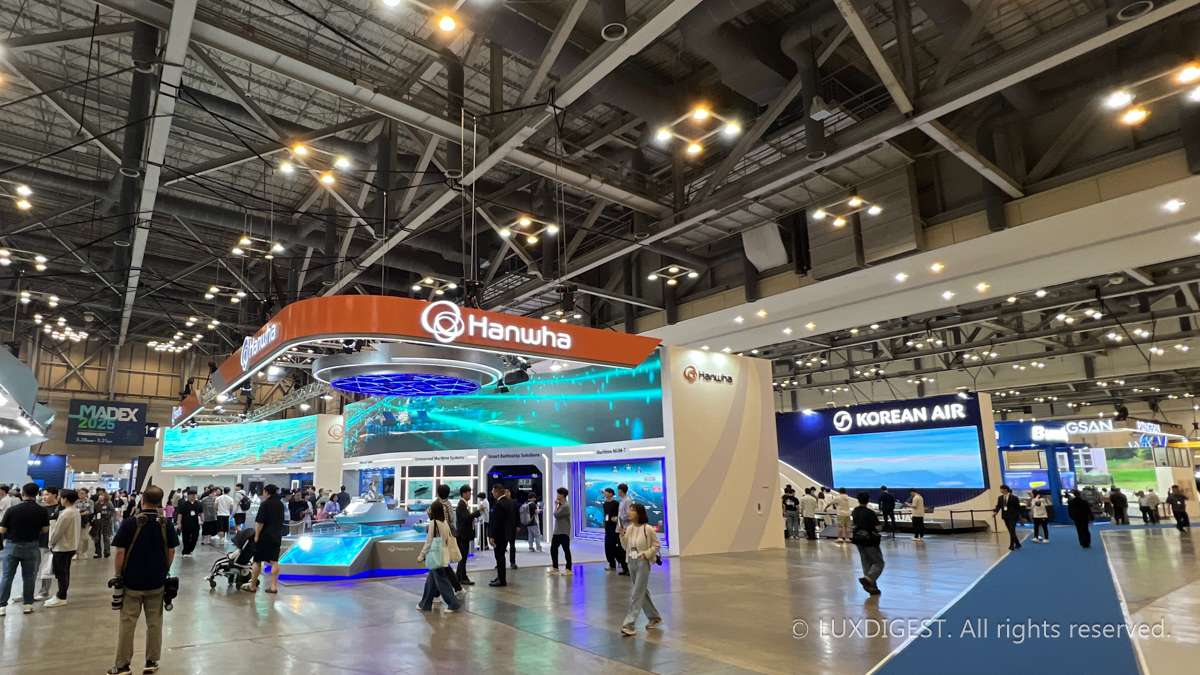
For years, HD Hyundai Heavy Industries and Hanwha Ocean have fought over the contract amid legal disputes, delays, and a series of incidents that ultimately slowed the program and raised serious concerns.
This contest was about far more than building a single warship. It represented a crucial turning point that could determine the dominant force in South Korea’s naval defense industry for decades, along with control of follow-on projects worth tens of trillions of won and future export opportunities.
After a decade of fierce competition between the two shipbuilding giants, Hanwha has ultimately emerged victorious.
As someone who values justice and dislikes shortcuts, corruption, and misconduct, I find this both an entirely expected and welcome result.
This is not about any particular dislike of HD Hyundai Heavy Industries. What I condemn is the use of improper tactics to secure favors and business interests.
Competition based on equal and fair rules is what keeps society healthy.
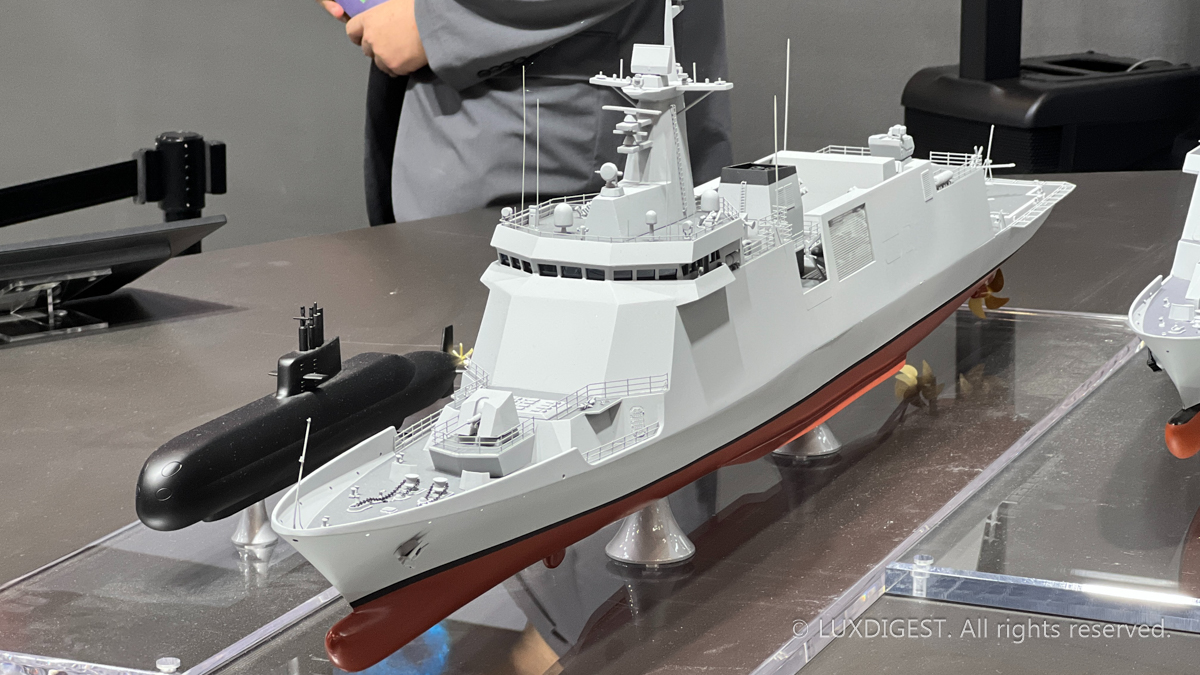
1. Summary of the Final Contract Results
According to the proposal evaluation conducted by the Defense Acquisition Program Administration, the two companies were separated by just 0.58 points. HD Hyundai Heavy Industries led on technical capability but was unable to overcome a penalty imposed over past security violations.
- Technical capability evaluation: HD Hyundai Heavy Industries led Hanwha Ocean by 0.6425 points
- Security-incident deduction: HD Hyundai Heavy Industries received a 1.2-point penalty
- Final result: Hanwha Ocean overcame the deficit by 0.58 points and secured preferred-bidder status
2. A Decade of Competition and Confrontation
The KDDX program calls for six 6,000-ton “mini-Aegis” destroyers, representing South Korea’s first effort to develop an entire warship domestically—from the hull and combat system to the multifunction radar. The two companies engaged in an exceptionally close contest as the program moved through its various stages.
[Concept design] Hanwha Ocean ➔ [Basic design] HD Hyundai Heavy Industries ➔ [Detailed design and construction of the lead ship] Contract awarded to Hanwha Ocean (final winner)
- Stage 1: Concept design (Hanwha Ocean gains the upper hand)
Hanwha Ocean, then known as Daewoo Shipbuilding & Marine Engineering, carried out the initial concept-design work and took the early lead. - Stage 2: Basic design (HD Hyundai Heavy Industries strikes back)
In the 2020 basic-design bidding, HD Hyundai Heavy Industries edged out Hanwha Ocean by just 0.056 points and won the contract, completing the work at the end of 2023. - Stage 3: Dispute over the bidding process for detailed design and the lead ship (two-year delay)
- HD Hyundai Heavy Industries’ position: The company argued that, under established practice, the contractor responsible for the basic design should receive a negotiated contract for the detailed design and lead-ship construction as well, ensuring continuity throughout the program.
- Hanwha Ocean’s position: Hanwha argued that a criminal offense had been uncovered in which HD Hyundai Heavy Industries hacked and leaked confidential concept-design materials during the basic-design bidding process. As a result, it said a negotiated contract was unacceptable and the work had to be awarded through competitive bidding.
- Government decision: As the dispute intensified, the government decided to switch to competitive bidding to ensure fairness. The final evaluation followed two rounds of bidding in May and June this year.
3. The Decisive Factors Behind the Outcome
⚖️ “Ethics Penalty” (-1.2 points) Overcame a Technical Lead
Between 2012 and 2015, nine employees of HD Hyundai Heavy Industries received final guilty verdicts for allegedly photographing military secrets—including Hanwha Ocean’s KDDX concept-design materials—without authorization at locations including the Republic of Korea Navy Headquarters, and sharing them on the company’s internal server.
Based on those convictions, the Defense Acquisition Program Administration imposed a 1.2-point security penalty on HD Hyundai Heavy Industries.
In defense-industry bids often decided by hundredths of a point, a 1.2-point deduction was effectively an insurmountable obstacle.
🏛️ HD Hyundai Heavy Industries’ Failed Legal Challenge
HD Hyundai Heavy Industries fought to overturn the continued application of the security penalty, including by seeking an injunction from the courts. But in early June 2026, just before the main bidding process, the court rejected the company’s injunction request, leaving it no choice but to compete with the penalty intact.
4. What Each Company Gained and Lost—and What Comes Next
| Company [1, 16] | What It Gained (Opportunities) | What It Lost and Challenges Ahead |
|---|---|---|
| Hanwha Ocean | • Secured leadership of a mammoth 7.8 trillion-won program • Gained a decisive advantage in the competition for the five follow-on ships • Created opportunities for systems-integration synergies among Hanwha’s defense affiliates • Secured an exclusive lead in overseas contract competitions, including Canada’s submarine program | • Must respond to HD Hyundai Heavy Industries’ legal appeal • Must make up for the delays to the fleet-deployment schedule caused by the program’s prolonged stagnation |
| HD Hyundai Heavy Industries | • Nothing (a blow to the pride of a leading surface-warship builder) | • Urgent need to secure 20 to 30 years of naval-ship work • Disadvantaged in follow-on bids without a lead-ship record • Weakened influence in the domestic and international warship MRO market |
5. Conclusion and Commentary
This contract battle has set a powerful precedent for the defense industry: “Even overwhelming technical capabilities cannot win a contract when security and ethical standards are lacking.” [13]
HD Hyundai Heavy Industries has responded forcefully, filing an appeal with the court immediately after receiving notice of the evaluation results and signaling that it plans to pursue a full lawsuit. However, experts broadly agree that overturning the result will be difficult given the firm positions already taken by the Defense Acquisition Program Administration and the courts.
Once the final contract is signed in July, the balance of the destroyer ecosystem is expected to tilt decisively toward Hanwha, centered on its Geoje shipyard, while HD Hyundai Heavy Industries will remain centered on Ulsan.
The attempt to leak confidential information was itself enough to constitute defeat in this competition. How little confidence must a company have to resort to looking at a rival’s confidential materials in an effort to gain an advantage?
That kind of maneuvering reflects an attitude destined to lose from the outset. If Chairman Chung Ju-yung were still alive, would he really have stood by and watched this unfold?
Even so, Hyundai Heavy Industries says it plans to appeal. It should come to its senses. There is no honor to be gained through dishonest tactics.
If South Korea is to set its house in order, I believe it must take tough action against this kind of misconduct. That is how a fair society is built.
Thank you.