A Guide to the Four Seasons of Festivals and Special Events at Hasedera Temple, Nara’s Temple of Flowers
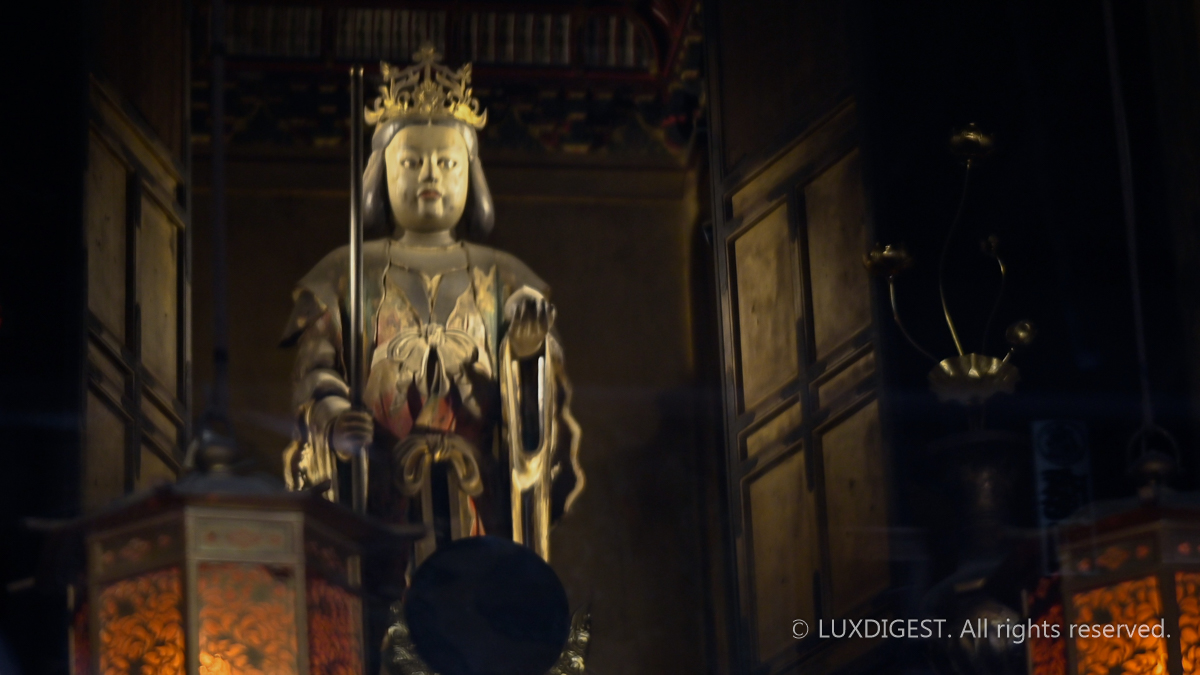
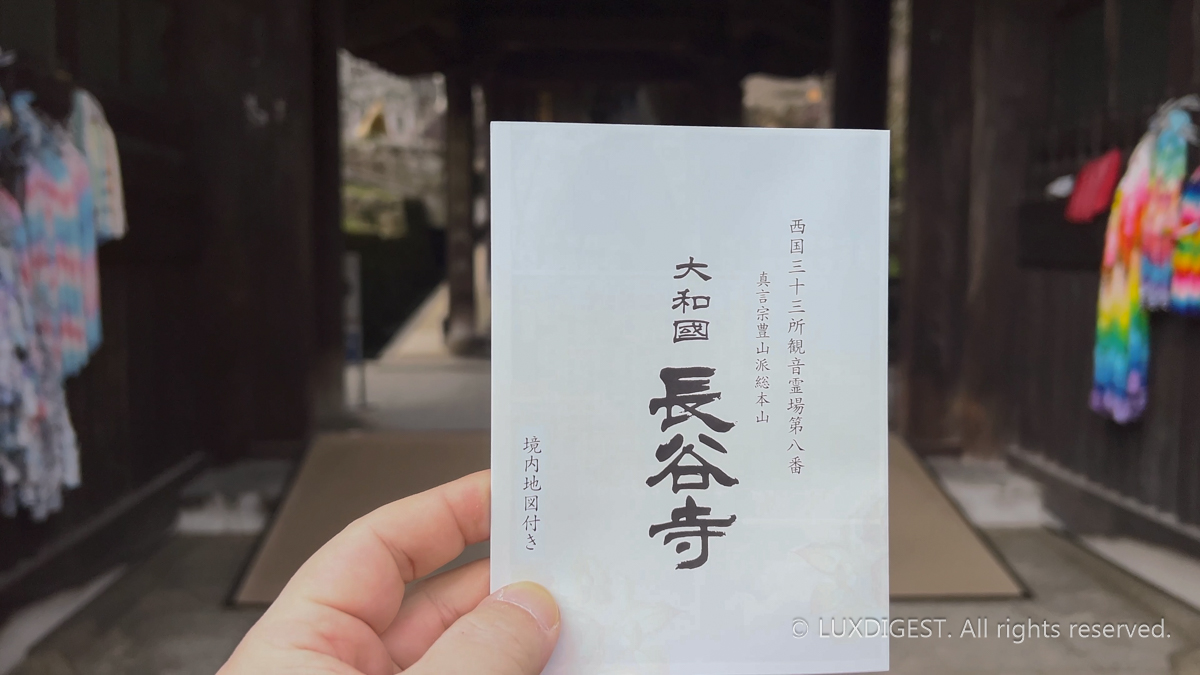
Located in Sakurai, Nara Prefecture, Hasedera Temple (長谷寺) is a historic Buddhist temple widely known as the “Temple of Flowers” (花の御寺). For more than a thousand years, it has served as a place of worship and solace for countless visitors. It is also home to a rich calendar of Buddhist festivals and special events, set against natural scenery that changes beautifully with every season.
Here is a detailed guide to the seasonal festivals and events you can experience as you walk along Hasedera’s 399-step covered staircase corridor, known as the Noboriro (登廊), just beyond the temple gates.
1. Winter and New Year Events (December–February)
Winter at Hasedera glows with warm lantern light and dramatic flames despite the chill in the air. This is when solemn yet enchanting events mark the end of one year and welcome the next.
+-------------------------------------------------------------------------+

| ■ Key Winter Events                                                     |
| - Kannon Mantō-e (観音萬燈会): December 31–January 3 (New Year lantern rite) |
| - Setsubun Daikokuten Festival (節分大黒天祭): February 3 (豆-throwing and lucky draw) |
| - Dadaoshi (駄々押し): February 14 (one of Nara’s three great fire festivals) |
+-------------------------------------------------------------------------+
Kannon Mantō-e (観音萬燈会)
- When: From December 31 (Ōmisoka, New Year’s Eve) through January 3
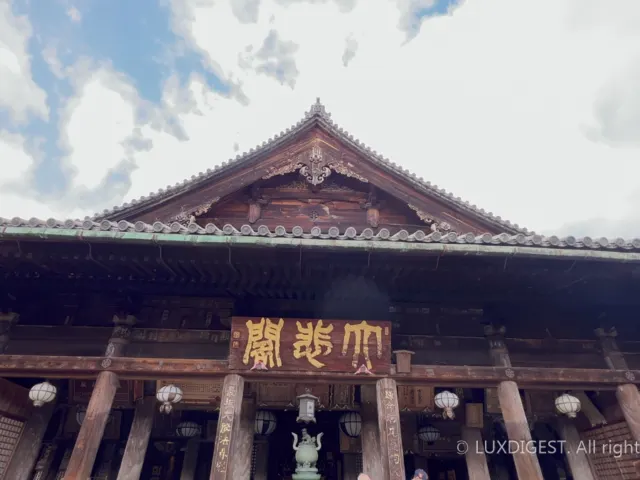
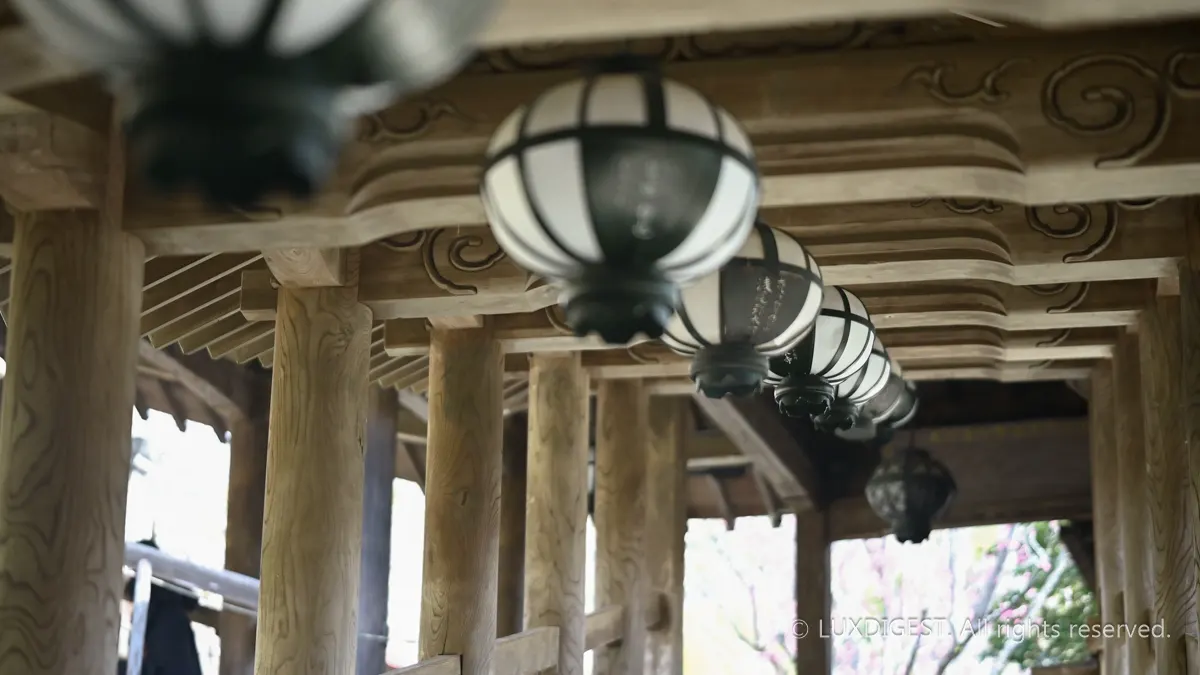
- What to expect: If you had to choose Hasedera’s most magical night, it would surely be the New Year’s Kannon Mantō-e. From 7 p.m. on December 31 until 5 a.m. the following morning, and from 5 p.m. to 8 p.m. each evening from January 1 through 3, thousands of lanterns and lamps illuminate the temple grounds, including the iconic 399-step Noboriro corridor. At midnight on New Year’s Day, a solemn service is held in the Main Hall, or Kannon Hall, to pray for peace in the world and happiness for worshippers. Beneath the cold winter sky, the gentle stream of light flowing along the steps creates a dreamlike and deeply moving scene.
Setsubun Daikokuten Festival (節分大黒天祭)
- When: February 3 every year, Setsubun
- What to expect: This festival coincides with Setsubun, the traditional celebration held on the eve of the first day of spring to drive away evil spirits. Hasedera is home to Daikokuten, the deity of wealth and good fortune and one of the Yamato Seven Lucky Gods, making the occasion particularly special. After a Buddhist service praying for health, safety and protection from misfortune, monks and specially invited performers known as Fukuo and Fukumē throw beans toward the crowd while calling out, “Good fortune in, demons out!” A lively prize drawing is also held, bringing local residents and visitors together in a festive atmosphere.
Dadaoshi (駄々押し) — The Fire Festival
- When: Evening of February 14 every year
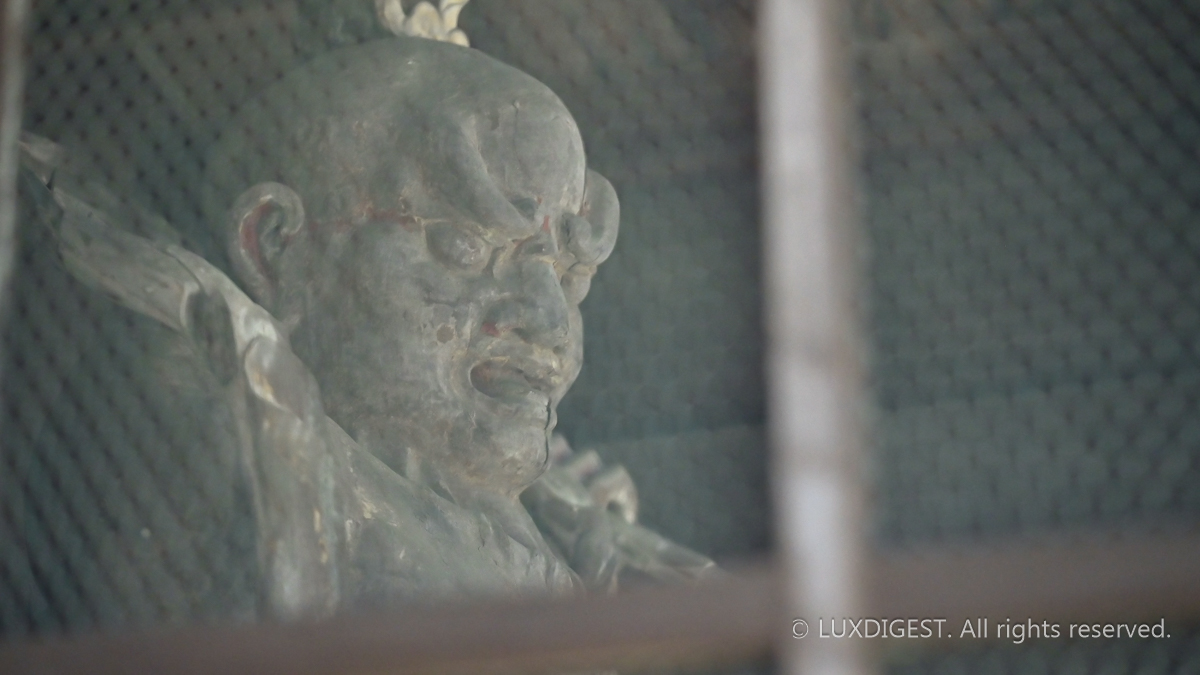
- What to expect: One of Nara Prefecture’s largest fire festivals, Dadaoshi is the traditional ritual that brings Hasedera’s winter season to a dramatic close. It takes place on the final day of Shōshō-e (修生会), a New Year’s religious practice for praying for good fortune and driving away calamity. According to legend, the ritual originated when Tokudo Shonin (徳道上人), the temple’s founder, used the power of the Enma King Seal (閻魔王印), said to have been bestowed on him by the King of Hell, to defeat evil spirits. Three enormous ogres—a red, a blue and a green demon—run wild through the temple grounds carrying torches. Monks then subdue and drive them away using the power of Buddhist teachings, huge flaming arrows and torches in a dynamic performance. At the end, the demons are banished and enormous torches are thrown aside. Their ashes and remaining fragments are believed to ward off misfortune, and the temple grows heated with worshippers eager to secure these protective charms.
2. Spring Festivals and a Floral Spectacle (March–May)
When winter gives way to spring, Hasedera lives up to its name as a vast “flower paradise.” Cherry blossoms burst into bloom, followed by the peonies that have become one of the temple’s defining symbols.
+-------------------------------------------------------------------------+

| ■ Key Spring Events                                                     |
| - Special Viewing of the Principal Eleven-Headed Kannon: mid-March–early July |
|   (a ritual that allows visitors to touch the statue’s feet)             |
| - Cherry Blossom Festival (桜会式): late March–early April (blossoms across the grounds) |
| - Hasedera Peony Festival (ぼたんまつり): mid-April–mid-May (the main festival) |
+-------------------------------------------------------------------------+
Special Viewing of the Principal Great Kannon Image (本尊大観音尊像 特別拝観)
- When: Every spring, usually from mid-March to early July, and in autumn, from October to early December
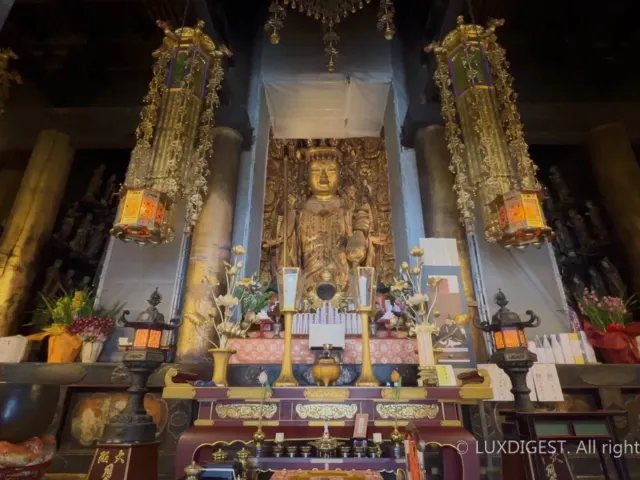
- What to expect: Hasedera’s principal image, the Eleven-Headed Kannon, is one of Japan’s largest wooden Buddhist statues, standing more than 10 meters tall. Normally, visitors can view it only from outside the Main Hall. During this special viewing period, however, they may enter the inner sanctuary and place their hands directly on the enormous feet of Kannon as they offer their prayers. Standing at the statue’s feet and looking upward at its overwhelming presence and compassion is a deeply moving experience, regardless of one’s religious beliefs.
Cherry Blossom Festival and Spring Buddhist Rites
- When: Late March–early April
- What to expect: In spring, the entire mountainside is covered in pink cherry blossoms. Traditional Buddhist rites are held during this period, including the Sakura-e-shiki (桜会式), in which flowers are offered to the Buddha and the arrival of spring is celebrated. Walking along the corridors as cherry petals drift on the soft spring breeze feels like taking part in one vast festival.
Hasedera Peony Festival (ぼたんまつり)
- When: Mid-April–mid-May every year, with peak viewing from late April to early May
- What to expect: This is Hasedera’s most famous and spectacular festival of the year. According to tradition, it began when an imperial consort of the Tang dynasty donated peonies in gratitude for Kannon’s blessings. During the festival, more than 7,000 peonies representing around 150 varieties bloom throughout the grounds, including around the stone-step corridor, creating an elegance reminiscent of a royal garden. Around April 26, the solemn yet beautiful Peony Flower Offering Festival (ぼたん献花祭) is held, adding another highlight to the season.
3. Refreshing Early-Summer and Summer Events (June–August)
In summer, Hasedera offers relief from the heat with lush greenery, refreshing sounds and shimmering light.
+-------------------------------------------------------------------------+

| ■ Key Summer Events                                                     |
| - Hydrangea Corridor (あじさい回廊): early June–early July (a hydrangea paradise) |
| - Wind Chime Corridor (風鈴回廊): July–August (a walkway filled with clear chimes) |
| - 46,000-Day Great Merit Day (四萬六阡日大功徳日): August 10 (a one-day miracle) |
+-------------------------------------------------------------------------+
Hydrangea Corridor (あじさい回廊)
- When: Early June–early July
- What to expect: Once the peonies fade, Hasedera welcomes hydrangea season. Thousands of hydrangeas bloom across the grounds, with pots of flowers arranged densely along the long staircase to create the impression of walking through a tunnel made of blossoms. Purple and blue hydrangeas beaded with the gentle rain of the monsoon season stand out against the historic temple’s quiet wooden buildings, creating a beauty that is both serene and vivid.
Wind Chime Corridor (風鈴回廊)
- When: Throughout the summer, July–August
- What to expect: During Japan’s sweltering summer, a visit to Hasedera cools you first through the ears. Hundreds of traditional glass wind chimes are hung along the corridors, and the sound of their delicate ringing, carried on the cool mountain breeze, helps wash away both the heat and the troubles of the mind.
46,000-Day Great Merit Day (四萬六阡日大功徳日)
- When: August 10 every year
- What to expect: This is a particularly important day in Buddhist tradition. It is based on the belief that offering a prayer to Kannon at Hasedera on this single day brings the same immense merit as visiting the temple and praying every day for 46,000 days—roughly 126 years. The temple opens as early as 4 a.m., and the resonant, solemn chanting of the monks begins in the Main Hall early in the morning. The grounds fill with the heartfelt prayers of worshippers hoping to seek a lifetime’s worth of blessings in a single day.
4. Autumn Foliage Festival (September–November)
As autumn deepens, Hasedera once again dons a natural cloak of red and gold, presenting festivals that bring art and religion together.
+-------------------------------------------------------------------------+

| ■ Key Autumn Events                                                     |
| - Hasedera Autumn Foliage Festival (もみじ祭り): mid-October–early December |
|   (the most spectacular views)                                          |
| - Special cultural performances on the Main Hall stage: held irregularly |
|   during the autumn festival period                                     |
+-------------------------------------------------------------------------+
Hasedera Autumn Foliage Festival (もみじ祭り)
- When: Mid-October–early December every year, with peak foliage from mid- to late November
- What to expect: This is Hasedera’s signature autumn festival, rivaling the temple’s famous spring peony festival. From the broad wooden stage, or butai, of the Main Hall—dramatically built into the mountainside, much like Kyoto’s Kiyomizudera—the surrounding mountains and the temple grounds explode in autumn color, resembling a vast folding screen. Special seasonal exhibitions and displays of traditional Buddhist artworks are also held during the festival, adding to the attractions. It is the ideal time to savor the quiet of this thousand-year-old temple and the spirit of autumn beneath the rustle of fallen leaves.
Hasedera Temple Travel Video
💡 Helpful Tips for Visiting Hasedera’s Festivals
- Try attending the morning service: Even when no festival is taking place, monks gather in the Main Hall every morning to recite Buddhist scriptures in a service known as chōgongyō. The sound of the ritual drum and the monks’ powerful Buddhist chants echoing through the quiet temple, often shrouded in early-morning mountain mist, can send chills through your entire body. We highly recommend staying overnight at a traditional inn, or ryokan, near Hasedera so you can attend this morning service.
- Comfortable shoes are essential: To see Hasedera’s main areas, you will need to climb 399 steep stone steps. Crowds can also be heavy during festivals and special events, so be sure to wear comfortable walking shoes.
- Getting there: From Kyoto or Osaka, take the Kintetsu Osaka Line and get off at Hasedera Station (長谷寺駅). From the station, the temple entrance is about a 15- to 20-minute walk along a charming country road and through a traditional shopping street.
Hasedera is more than a sightseeing destination to be admired from afar. It is a living cultural space where the hopes and prayers of people, carried on for a thousand years through the changing seasons, come alive in the form of festivals. Whenever you visit, Hasedera’s warm yet majestic lanterns and flowers are sure to bless your journey.