Overview
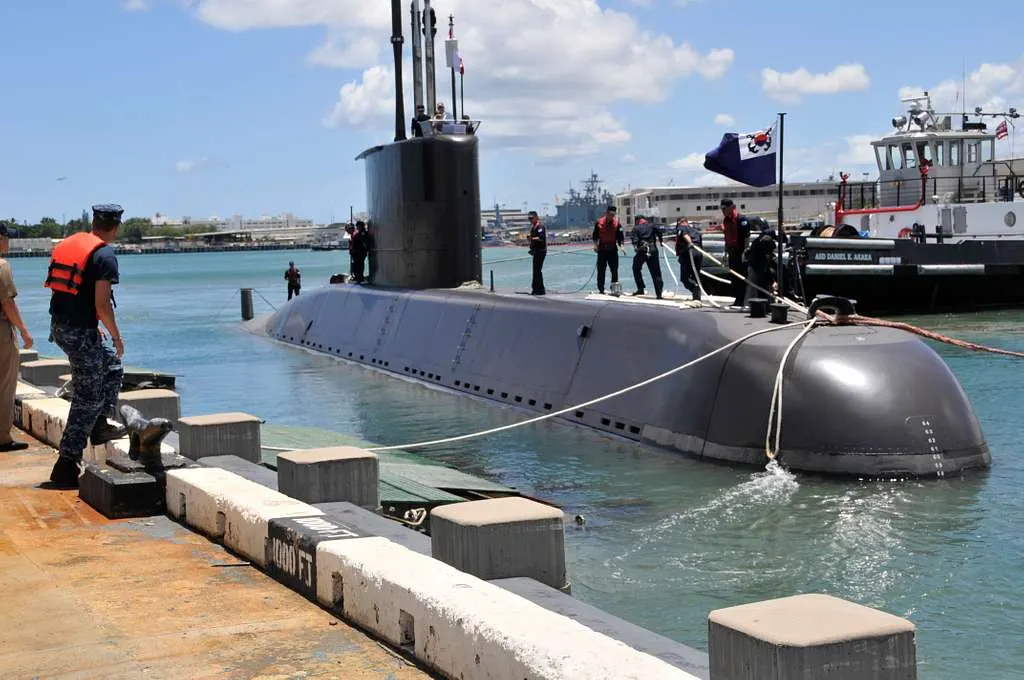
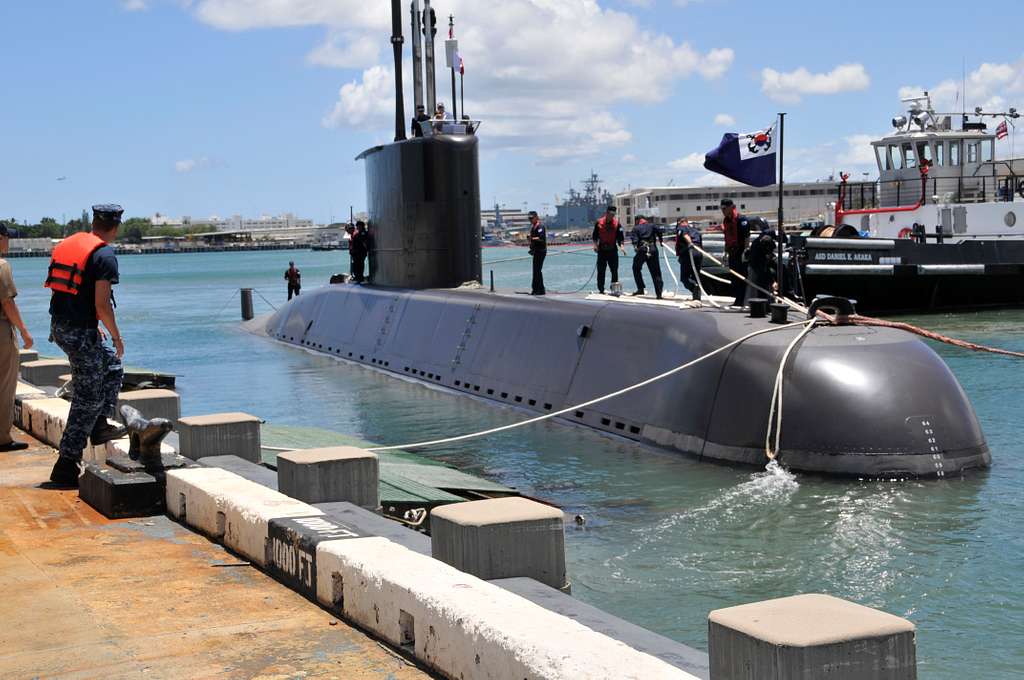
The Jang Bogo-I-class (Type 209) submarines were the Republic of Korea Navy’s first diesel-electric submarines. Based on Germany’s Type 209 design, they were adapted and upgraded in several areas after entering Korean service. Equipped for anti-submarine and anti-surface warfare, the class established the Republic of Korea Navy’s first modern submarine force.
- Key features
- The Republic of Korea Navy’s first operational submarine force: Based on the German Type 209
- Anti-submarine and anti-surface warfare capabilities: Capable of operating Harpoon missiles and torpedoes
- Optimized for coastal operations as a compact submarine
- High operational efficiency: Relatively low maintenance costs
Development Background
In the 1980s, the Republic of Korea Navy concluded that it needed to build a credible submarine force in earnest to counter the growing naval capabilities of North Korea and neighboring countries. Seoul subsequently acquired Type 209 submarines through technological cooperation with Germany and developed the expertise to operate them independently.
- Development timeline
- Early 1980s: The Jang Bogo-I program begins
- 1992: The lead boat, ROKS Jang Bogo, is launched
- 1993: The class begins entering service with the Navy
- Today: Some boats are being retired and replaced by successor classes, including the Son Won-il and Jang Bogo-III classes
Strengths and Weaknesses
🔹 Strengths
✔ The Republic of Korea Navy’s first submarine force: Established the Navy’s submarine operating capability ✔ Anti-submarine and anti-surface warfare capabilities: Capable of carrying Harpoon missiles and heavyweight torpedoes ✔ Potential for lower maintenance costs: More economical than newer-generation submarines ✔ Upgrade potential: Some boats are being fitted with modern sensors and weapons
🔻 Weaknesses
❌ No air-independent propulsion system: Unable to conduct extended underwater operations ❌ Limited stealth performance: Lacks the advanced noise-reduction technology found on newer submarines ❌ Unable to operate SLBMs (submarine-launched ballistic missiles): Limits the use of strategic weapons ❌ Gradual retirement underway: Being replaced by the Son Won-il and Jang Bogo-III classes
Submarine Comparison: China, Japan and North Korea
| Category | Jang Bogo-I class (South Korea) | Type 035 (China) | Yushio class (Japan) | North Korean Romeo class (estimated) |
|---|---|---|---|---|
| Displacement | 1,200 tons | 2,200 tons | 2,900 tons | 1,800 tons (estimated) |
| Dimensions (beam × length × height) | 6.2 m × 56 m × 6.4 m | 7 m × 76 m × 8 m | 9.1 m × 84 m × 10 m | 7 m × 70 m × 8 m (estimated) |
| Top speed | 39 km/h | 37 km/h | 35 km/h | 28 km/h (estimated) |
| Armament | Harpoon missiles, torpedoes | YJ-8 missiles, torpedoes | Type 89 torpedoes, Harpoon | Torpedoes (estimated) |
| Propulsion | Diesel-electric | Diesel-electric | AIP propulsion | Diesel-electric |
| Key advantage | Optimized for coastal operations; upgradeable | Optimized for anti-ship attacks | Low acoustic signature; long endurance | Limited operational capability |
Comparison with Submarines from Major Powers: the United States, United Kingdom, Russia and France
| Category | Los Angeles class (United States) | Trafalgar class (United Kingdom) | Kirov class (Russia) | Scorpène class (France) |
|---|---|---|---|---|
| Displacement | 6,900 tons | 5,200 tons | 8,000 tons | 2,000 tons |
| Dimensions (beam × length × height) | 10 m × 110 m × 11 m | 9 m × 85 m × 10 m | 11 m × 130 m × 12 m | 6.2 m × 66 m × 7.5 m |
| Top speed | 55 km/h | 54 km/h | 60 km/h | 37 km/h |
| Armament | Tomahawk missiles, torpedoes | Storm Shadow missiles, torpedoes | P-700 Granit missiles | Exocet missiles, torpedoes |
| Propulsion | Nuclear-powered | Nuclear-powered | Nuclear-powered | Diesel-electric |
| Key advantage | Long-duration operations; powerful firepower | Excellent stealth performance | Very long-range strike capability | Economical to operate |
Future Development
- Replacement by the Jang Bogo-II and Jang Bogo-III classes: The fleet is being replaced with more capable modern submarines
- Performance upgrades: Some boats are receiving upgraded sensors and torpedo systems
- Exploring export opportunities: Consideration is being given to selling retired boats to Southeast Asian and emerging-market navies