France’s DGA Launches Procurement of Shipborne Long-Endurance USVs
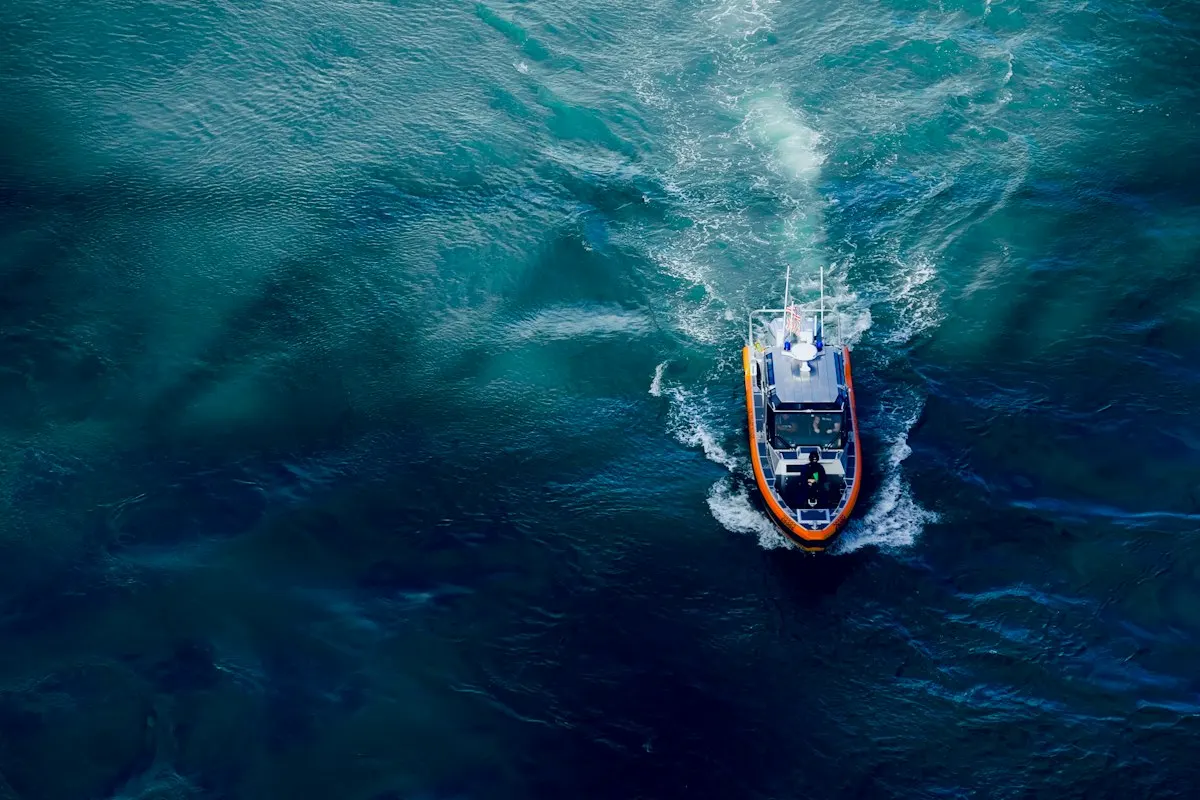
France’s Directorate General of Armament (DGA) has begun procuring shipborne long-endurance unmanned surface vessels (USVs) to support intelligence, surveillance and reconnaissance (ISR) missions for the French Navy. According to France’s defense procurement platform, the notice was published on September 14, 2026, and applications to participate in the tender will be accepted until October 15.
The program signals an effort to move USV technology beyond testing and demonstration and into operational naval service and large-scale procurement. The French Navy is expanding its use of unmanned systems to extend the surveillance reach of crewed ships and reduce personnel exposure in high-risk areas.
A Shipborne USV Program Involving Dozens of Vessels
According to French naval publication Mer et Marine, the procurement will cover dozens of unmanned surface vessels. The vessels must be capable of being carried and operated from French Navy ships, with Mistral-class amphibious assault ships and Loire-class support and assistance vessels cited as representative host platforms.
The equipment being procured is not simply a hull, but a modular system combining mission equipment with command-and-control (C2) capabilities. The vessels are expected to accommodate interchangeable or expandable sensors and payloads, allowing them to support a range of missions, including surveillance, reconnaissance and maritime security.
Key Performance Requirements in the Tender Notice
Up to 10 Days of Endurance and a 100-Nautical-Mile Range
According to the published procurement requirements, the USVs must be capable of operating for five to 10 days, depending on the mission. An operational range of at least 100 nautical miles is specified, along with the ability to operate day and night and in Sea State 4 conditions.
These requirements call for more advanced autonomous navigation, energy management and communications than short-range remotely operated boats. Because the vessels will need to operate independently for extended periods after being launched from a ship and then return, navigational reliability and fault tolerance will be critical.
Intelligence Collection Above and Below the Surface
The USVs will be expected to gather information not only on the surface but also about underwater conditions and the wider tactical situation. This could involve integrating a range of mission-specific payloads, including electro-optical and infrared systems, radar, communications and electronic-support equipment, and underwater surveillance sensors.
The vessels will also need interfaces that allow them to connect directly with the host ship’s command system. The French Navy appears to view the USVs not as standalone assets, but as operational nodes that can extend a ship’s surveillance and reconnaissance network.
A Test of France’s Expanding Unmanned Systems Capabilities
The program is also linked to France’s broader push to expand unmanned maritime capabilities. France has been demonstrating USVs capable of autonomous navigation and responding to maritime threats through the DANAE program, involving the country’s Defense Innovation Agency, Navy and DGA.
Naval News described the procurement as a move beyond experimental platforms toward formal operational deployment and industrial-scale production. However, delivering several days of endurance, a range of more than 100 nautical miles and the integration of multiple sensors while keeping the vessels within shipborne size and weight limits is likely to pose a significant technical challenge for bidders.
Competition Among Bidders and Next Steps
Bidders will need to offer not only hulls and propulsion systems capable of sustained operations, but also autonomous navigation, communications, mission-system integration and ship-to-vehicle connectivity. The notice also includes eligibility requirements for companies with production facilities or design centers in the European Union or European Economic Area, as well as provisions related to supply chains and information security.
Applications to participate are due by October 15, 2026. Once the French government determines the specific number of vessels to be supplied and selects the contractors, the French Navy’s concept of operations for USVs and the competitive landscape across the industry are expected to become clearer.
Frequently Asked Questions (FAQ)
What is France’s DGA?
France’s DGA is the defense procurement agency under the French Ministry of the Armed Forces. It is responsible for the research, development, testing and procurement of weapons systems and military equipment.
What missions will the USVs perform?
The vessels will focus on intelligence, surveillance and reconnaissance (ISR), monitoring conditions both on and beneath the surface while supporting tactical situational awareness around naval ships and broader maritime surveillance.
Which French Navy ships will operate the USVs?
The published procurement requirements cite shipborne platforms such as Mistral-class amphibious assault ships and Loire-class support and assistance vessels as examples of ships capable of carrying and operating the USVs.
What are the USVs’ main performance requirements?
Key requirements include five to 10 days of endurance, depending on the mission; a minimum range of 100 nautical miles; the ability to operate in Sea State 4; modular payloads; and a C2 system capable of connecting with the host ship.
When is the deadline to apply for the tender?
According to the notice published by France’s DGA, applications to participate in the tender must be submitted by October 15, 2026.