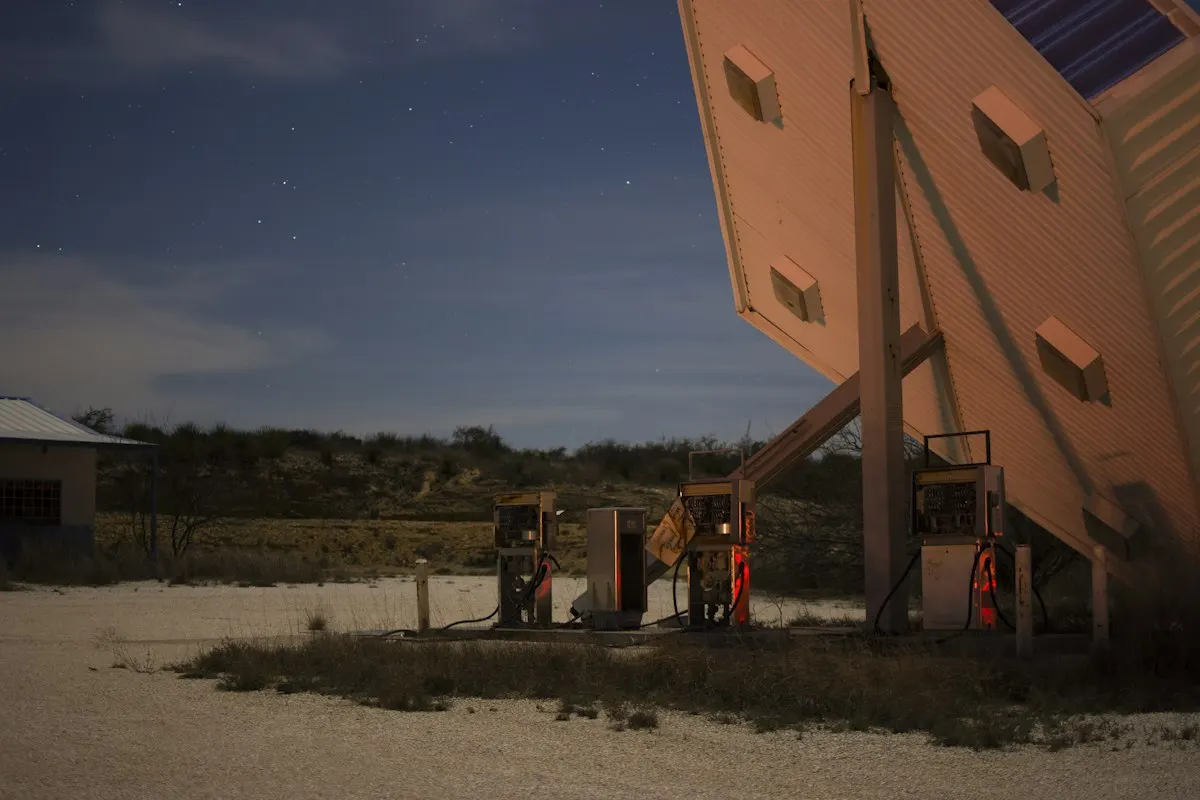
U.S. Space Force Selects Lake Kickapoo, Texas, as Final DARC Site
The U.S. Space Force has selected Lake Kickapoo, Texas, as the third and final site for the global Deep Space Advanced Radar Capability (DARC) network. The decision designates Lake Kickapoo as the preferred site, subject to final approval of the project plan.
According to the Space Systems Command, a U.S. Space Force organization, the Texas facility will complete a three-site network being developed by the United States, the United Kingdom and Australia. The network will provide persistent surveillance of objects in and around geostationary orbit, helping identify satellite activity and potential threats.
The Role of the DARC Space Radar Network
DARC is a space-domain awareness system that uses ground-based radar to detect, track and identify objects and activity in deep space. Unlike existing optical surveillance systems, it can operate at night and in poor weather, with the goal of continuously tracking objects as small as those at geostationary-orbit distances.
The U.S. Department of Defense and the U.S. Space Force expect DARC to provide round-the-clock, all-weather surveillance, along with greater sensitivity, accuracy, processing capacity and tracking agility than existing systems. Once all three sites are complete, the network is expected to strengthen information sharing among allies and ensure more continuous monitoring of geostationary orbit.
Built Through U.S., U.K. and Australian Cooperation
DARC is a trilateral program involving the United States, the United Kingdom and Australia. The U.K. Ministry of Defence proposed Cawdor Barracks in Pembrokeshire, Wales, as its site, while Australia has built the first radar facility in Western Australia.
The U.S. Space Force is leading the overall program. Under a 22-year memorandum of cooperation, the three countries plan to link radar operations as well as related technologies and information. The U.S. Department of Defense says the program will enhance the allies’ space-domain awareness capabilities and help protect space-based infrastructure.
Texas Facility Targeted to Begin Construction in 2027 and Operations in 2030
Construction of the Texas facility at Lake Kickapoo is expected to begin in 2027 once the necessary approvals and contracts are in place. The U.S. Space Force is targeting completion of civilian construction in 2029, followed by technical testing and evaluation, with operational approval expected in 2030.
However, the announcement does not represent final authorization for construction or confirm the start of operations. Environmental and planning approvals, contracting procedures and integrated testing among the facilities could affect the schedule.
Australian Facility Enters Early Operations
The first DARC facility is located in Western Australia. According to the U.S. Space Force, construction was completed in December 2024 and the facility entered early operations in 2025. U.S. Space Force personnel and associated units are using the Australian facility to support integration of the overall network.
The U.K. facility is undergoing the planning approval process. Once the three-site structure is complete, with facilities in the United States, the United Kingdom and Australia, it is expected to provide deep-space surveillance coverage spanning the Northern and Southern Hemispheres.
Implications for Space Security and Satellite Protection
DARC’s core mission is to maintain continuous awareness of the environment surrounding critical space assets in geostationary orbit, including communications, weather and military satellites. Its surveillance targets may include routine satellite operations, orbital changes, unusual approaches, space debris and other objects or activities.
The United States and its allies expect DARC to enable them to share detection data and reduce response times to potential threats. As reliance on satellites grows, the network is seen as a step toward strengthening stability in space and the allies’ ability to respond jointly.
Frequently Asked Questions (FAQ)
What is DARC?
DARC stands for Deep Space Advanced Radar Capability. It is an advanced ground-based radar network designed to detect, track and identify objects and activity in deep space.
Where is the Texas DARC site selected by the U.S. Space Force?
Lake Kickapoo, Texas, has been selected as the third and final site for the U.S. DARC network.
Which countries are participating in DARC?
The United States, the United Kingdom and Australia are participating. The United States is leading the program, while the United Kingdom and Australia are cooperating on the construction and operation of radar facilities in their respective countries.
When will construction begin on the Texas DARC facility?
Construction is planned to begin in 2027, once the necessary approvals and contracting procedures are complete.
When will the Texas DARC facility become operational?
The U.S. Space Force aims to complete civilian construction in 2029 and obtain operational approval in 2030 after technical testing and evaluation.
What types of space objects will DARC monitor?
DARC will monitor satellites, space objects and orbital activity in geostationary orbit and deep space. The system can help identify signs of satellite anomalies and potential threats.