Ukraine Claims First-Ever Clash Between Uncrewed Surface Vessels
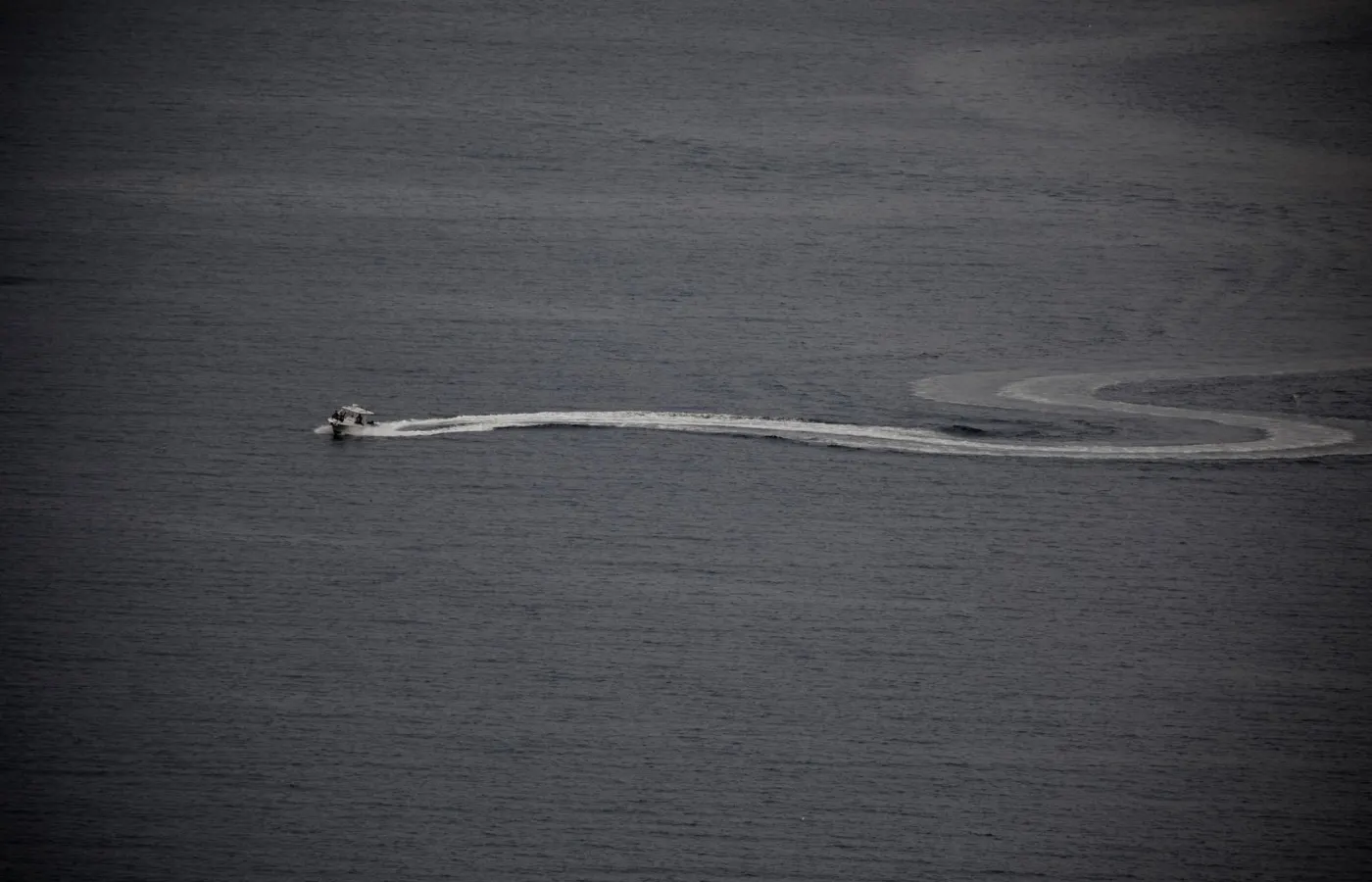
Ukraine’s navy said it sank a Russian uncrewed surface vessel in the Black Sea on September 12, 2026, after one of its own USVs attacked it. The Ukrainian Navy described the incident as the first naval battle between uncrewed surface vessels.
The operation also involved the Ukrainian Defense Ministry’s Main Directorate of Intelligence (HUR), which detected the target. According to the Ukrainian Navy and related reports, the attacking platform was a Sargan-3000 uncrewed surface vessel that tracked and struck the Russian craft in the Black Sea.
Engagement Between the Sargan-3000 and a Russian USV
According to the Ukrainian Navy, the Sargan-3000 was equipped with a remote weapon station armed with a 12.7mm machine gun. It opened fire on the detected Russian USV, which eventually sank.
The exact location of the engagement has not been disclosed. Military publication Naval News analyzed publicly available footage and the characteristics of the platforms, placing the clash in the northwestern Black Sea between Odesa and the Crimean Peninsula.
Naval News assessed that the Russian vessel was a modified Orkan-series craft, an attack platform designed to carry explosives. However, the Russian government has not officially confirmed the type of vessel or its mission.
Why the Sea Drone Battle Matters
Until now, maritime drones in the Black Sea have been used primarily to attack Russian warships and port facilities. This incident is significant because it suggests that uncrewed surface vessels can operate not merely as one-way attack platforms, but as combat systems capable of detecting and directly engaging other USVs.
Unlike explosive-laden drones that attack by charging into a target, USVs equipped with remote weapon stations can maneuver, select missions and engage targets. That could expand their roles to include reconnaissance, escort missions, port defense and counter-drone operations.
Accelerating Competition in Uncrewed Naval Warfare
Ukraine has rapidly developed maritime drones to offset its disadvantage in large warships and naval aviation. According to Naval News, the Sargan family is evolving into a multipurpose platform capable of carrying not only machine guns, but also surface-to-air missiles, electronic warfare equipment and systems for operating small drones.
Russia, too, is expanding its use of uncrewed surface vessels in and around the Black Sea and Crimea. In the future, the region could see USV-on-USV engagements alongside drone-based port surveillance, mine warfare, electronic warfare and ship-escort missions.
Whether this was truly the first engagement between uncrewed surface vessels in history will require further confirmation through additional footage and independent analysis. Still, the operation released by the Ukrainian Navy offers a symbolic glimpse of naval warfare’s shift from crewed ships toward uncrewed platforms.
Frequently Asked Questions (FAQ)
When did the sea drone battle take place?
The Ukrainian Navy said the operation took place in the Black Sea on September 12, 2026.
Which uncrewed surface vessel did Ukraine use?
Ukraine used a Sargan-3000 uncrewed surface vessel. The platform is reportedly equipped with a remote weapon station fitted with a 12.7mm machine gun.
What type of vessel was the Russian USV?
Based on publicly released footage, Naval News assessed that it was likely a modified Orkan-series uncrewed surface vessel. Russia has not officially confirmed the vessel’s type.
Which agency detected the target?
According to the Ukrainian Navy, a unit of the Main Directorate of Intelligence (HUR) detected the Russian USV, while the navy carried out the attack using the Sargan-3000.
What does the incident mean for naval warfare?
It demonstrated that uncrewed surface vessels can do more than conduct reconnaissance or one-way attacks: they can directly engage other USVs. Their roles could expand in port defense, escort missions, electronic warfare and counter-drone operations.