Why Jakarta Flights Were Grounded by Anak Krakatau Ash
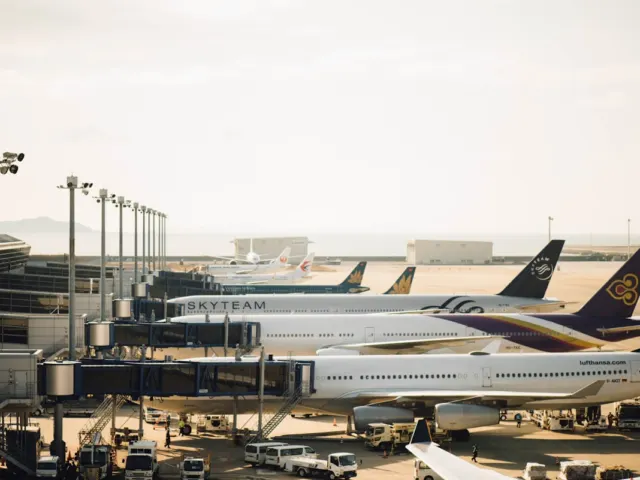
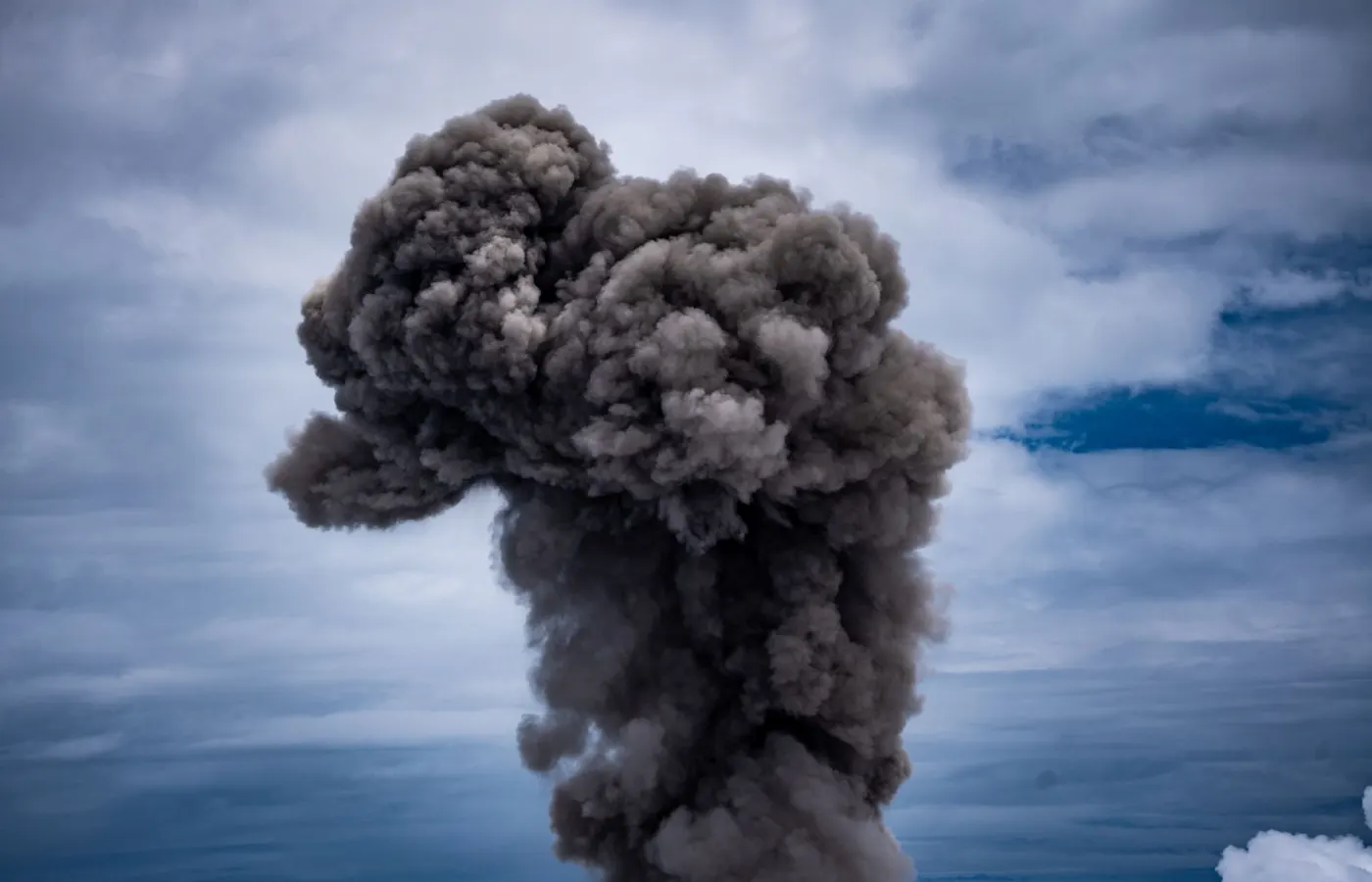
Flights across Jakarta and western Indonesia were severely disrupted after Indonesia’s Anak Krakatau volcano began erupting on September 4, 2026. As volcanic ash spread into the altitudes used by commercial aircraft, authorities temporarily suspended operations at major airports, including Soekarno-Hatta International Airport.
The disruption went far beyond a simple airport closure, with cancellations, delays and diversions occurring at the same time across the air transport network. Some airports began reopening on September 8, however, putting operations on the path toward recovery.
Volcanic Ash Disrupts 2,961 Flights
According to the Indonesian Ministry of Transportation, a total of 2,961 flights had been affected by the ash by the afternoon of September 7, including 2,339 domestic and 622 international flights. The figure includes not only cancellations but also delays and diversions.
Approximately 341,000 passengers were affected. As ash from Anak Krakatau spread across western Indonesian airspace, flight operations in Jakarta, Banten, Lampung and West Java were disrupted in succession.
The Indonesian Agency for Meteorological, Climatological and Geophysical Information said on September 7 that ash was detected at altitudes from the surface to 15,000 feet, as well as between 15,000 and 50,000 feet. Ash at higher altitudes can overlap with the cruising levels commonly used by commercial aircraft, posing a direct safety risk.
Major Airports, Including Soekarno-Hatta, Temporarily Closed
Indonesian authorities temporarily suspended operations at Jakarta’s Soekarno-Hatta International Airport and Halim Perdanakusuma Airport, Lampung’s Radin Inten II Airport, and airports in Banten and West Java. The move was intended to allow officials to assess the ash’s direction of movement and the condition of airport runways.
To verify safety, the Ministry of Transportation inspected runways, taxiways and aprons, and checked whether ash had settled on aircraft surfaces. If volcanic ash enters an aircraft engine, it can reduce engine performance or cause the engine to shut down.
After satellite observations and on-site inspections showed that ash concentrations had declined, operations at the closed airports resumed in stages from September 8. Even after airports return to normal, individual airlines may continue to experience delays or reschedule flights, so passengers should check their bookings directly.
Why Volcanic Ash Can Bring Air Travel to a Halt
Unlike ordinary dust, volcanic ash contains glass-like material and rock particles. If it enters an aircraft engine, the particles can melt at high temperatures and adhere to the turbine, reducing thrust. Ash can also interfere with visibility from the cockpit and affect the operation of aircraft sensors.
Volcanic ash concentrations are difficult to assess accurately through radar or visual observation alone. Aviation authorities therefore combine satellite data, weather observations, volcanic-ash forecasts and on-site airport inspections when deciding whether flights can operate.
During the Anak Krakatau eruption, Indonesia’s weather agency issued SIGMET advisories containing information for aircraft operations, while aviation authorities used NOTAMs to announce restrictions at individual airports. This means flights may be restricted as a precaution whenever a hazard exists along an air route, even if ash has not been directly observed around an airport.
Limited Impact on Korea’s Travel Industry, but Passengers Should Check Flights
So far, the direct impact has been concentrated on domestic flights within Indonesia and international services to and from Jakarta. The disruption has not expanded to the point of paralyzing South Korea’s travel industry as a whole, but Korean travelers connecting through Jakarta or taking domestic flights within Indonesia should be prepared for possible schedule changes.
Routes that use Jakarta as a transfer hub may be rescheduled even after local airports reopen, as airlines adjust aircraft and crew assignments. Travelers should check flight status through their airline’s app and text alerts before departure, and confirm any revised boarding time and terminal before heading to the airport.
While Jakarta’s airports were temporarily closed, Indonesia’s Ministry of Transportation promoted the use of alternative airports, including Kertajati International Airport near Bandung. Some flights were diverted to alternative airports or operated with changed landing destinations to minimize disruption.
What Travelers Should Do About Their Tickets
- Check flight status before departure: Use the airline’s website or official app to confirm whether the flight has been canceled, delayed or diverted.
- Review connecting itineraries: For routes connecting through Jakarta, check whether the onward flight has also been changed.
- Check rebooking and refund terms: Airlines may have different policies for rebooking and refunds when flights are disrupted by natural disasters such as volcanic ash.
- Allow extra time even after airports reopen: Additional delays may occur soon after operations resume because of accumulated passenger demand and aircraft repositioning issues.
Remaining Challenges Before Jakarta Flights Fully Normalize
Reopening an airport does not mean flights immediately return to their regular schedules. Delays may continue as airports and aircraft are inspected, planes and crews are repositioned, and stranded passengers are accommodated.
Indonesian authorities are continuing to monitor the altitude and movement of the ash while adjusting airport operations as conditions change. If Anak Krakatau’s eruptive activity shifts or wind direction changes, flight restrictions could be reintroduced at some airports.
The disruption showed that volcanic ash can affect the entire air transport network even when the affected area is far from an airport. Korean travelers and travel companies should therefore check both weather and volcanic activity reports and airline advisories when using routes to Indonesia.
Frequently Asked Questions (FAQ)
How many flights were affected by the Anak Krakatau eruption?
According to Indonesia’s Ministry of Transportation, a total of 2,961 flights—including 2,339 domestic and 622 international services—had been affected by cancellations, delays or diversions by the afternoon of September 7, 2026.
Why is volcanic ash dangerous for aircraft?
Volcanic ash contains glass-like and rock particles. If it enters an aircraft engine, it can damage the turbine and reduce thrust. For this reason, aviation authorities may restrict flights even when there is only a possibility that ash is present along an air route.
When did Jakarta’s airports resume operations?
On September 8, 2026, Indonesia’s weather agency announced the resumption of operations at the closed airports after inspections of the areas around the airports and the airspace used by aircraft. Passengers should still check the schedule directly with their airline.
Could flights from South Korea to Indonesia also be canceled?
Flights departing from or arriving at Jakarta, as well as services connecting through the airport, may be delayed, diverted or canceled depending on local airport operations and aircraft availability. The most accurate information will come from the airline before departure.
What should I do if my flight is canceled?
Contact the airline to ask about alternative flights, schedule changes and refund options. If you booked through a travel agency, check guidance from both the airline and the agency, and make corresponding changes to hotel and local transportation reservations.