
Five Reasons Ramen May Be Bad for Your Health—What the Evidence Shows

For me, ramen is practically a staple.
Ramen is so deeply embedded in Korean diets that one survey found South Koreans eat it, on average, about once every five days.
No one needs reminding that it is delicious and convenient. At the same time, the belief that ramen is “bad for you” is also widespread.
From a health and nutrition perspective, that concern is not merely vague anxiety. It is supported to a considerable extent by research and nutritional data.
Ramen is something I keep reaching for even though I eat it far too often and know that, in excess, it can be seriously harmful—almost like an addictive substance. Here is a closer look at why.
1. One serving can contain most of your recommended daily sodium
What is the problem?
The biggest concern with ramen is undoubtedly sodium.
The World Health Organization recommends limiting daily sodium intake to 2,000 milligrams. A typical packet of ramen contains about 1,700 to 1,900 milligrams, and some contain more than 2,000 milligrams.
That means a single bowl can provide 70 to 90 percent of the recommended daily amount—or, in some cases, all of it. Excess sodium draws water into the bloodstream, expanding the volume inside the blood vessels and raising pressure, which can contribute to hypertension.
Repeated high intake can also affect blood pressure within the kidneys, increase protein in the urine, and contribute to hardening of the renal arteries, potentially raising the risk of kidney failure. It is also known to increase calcium excretion by the kidneys, which may raise the risk of kidney stones.
How can you cut back?
Most of the sodium in ramen comes from the seasoning packet, so using only half and adding flavour with red-pepper flakes or kimchi is a practical approach.
Adding about half a cup of milk after cooking may help flush out some of the salt from the broth. Including potassium-rich vegetables such as bean sprouts, spinach or broccoli can also help the body eliminate sodium.
Above all, simply leaving half or more of the broth behind can significantly reduce your sodium intake.
2. Fried noodles can be high in saturated fat and raise concerns about trans fat
What is the problem?
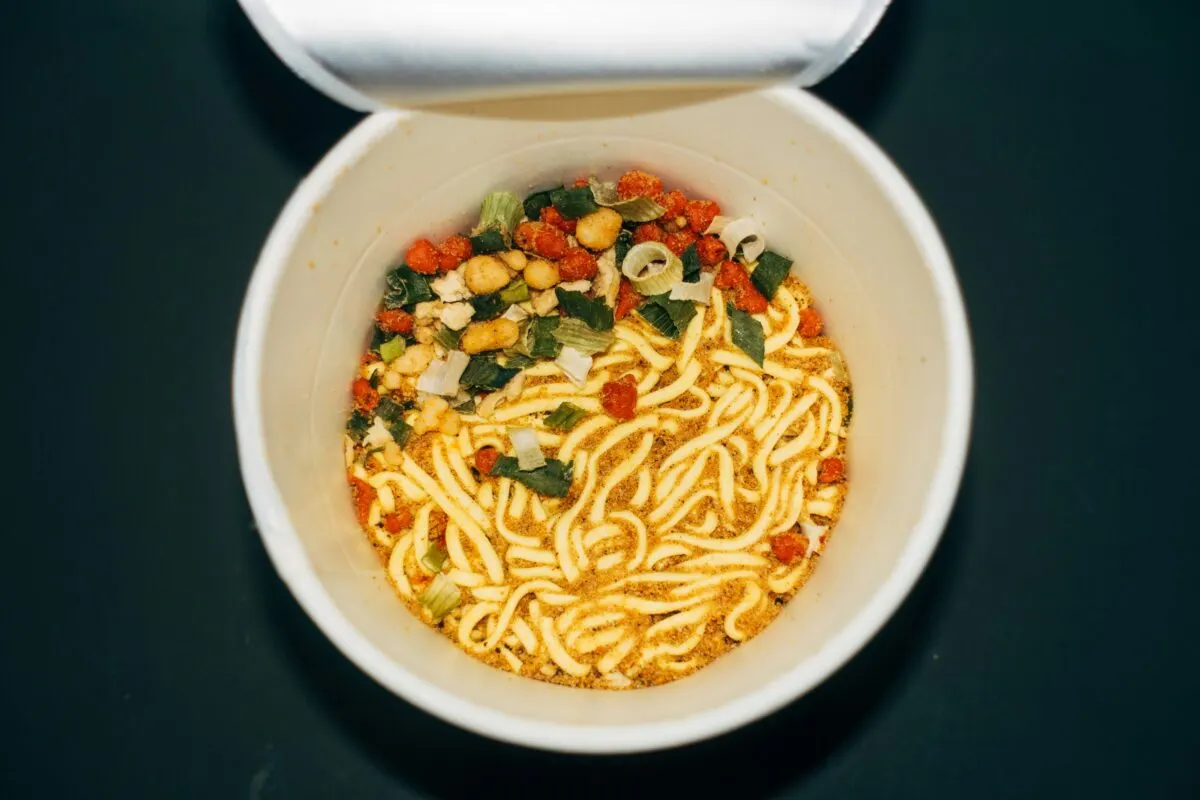
Most ramen noodles are fried in oil during production.
The oil used is usually palm oil. Palm oil itself does not naturally contain trans fat, but trans fats can form during processing and hardening. Palm oil also contains more saturated fatty acids than many other vegetable oils, which can contribute to higher cholesterol levels in the body.
Trans fats are known to raise LDL, the “bad” cholesterol, and lower HDL, the “good” cholesterol, increasing the risk of cardiovascular disease such as heart attacks and strokes.
To be fair, however, a survey by the National Institute of Food and Drug Safety Evaluation found that, in terms of actual exposure to trans fats, beef, tofu and chicken accounted for a larger share than ramen. It would therefore be an overstatement to call a bowl of ramen the absolute main culprit.
That said, the concern about the saturated fat in fried noodles remains valid.
How can you cut back?
Choosing air-dried noodles, which are made without frying, can lower the calorie and fat content.
Keep in mind, though, that air-dried noodles have been found to contain similar levels of sodium to fried noodles. Boiling the noodles once, discarding the water and cooking them again in fresh water can also remove some of the oil left on the surface.
3. Its refined carbohydrates can cause a rapid blood-sugar spike
What is the problem?
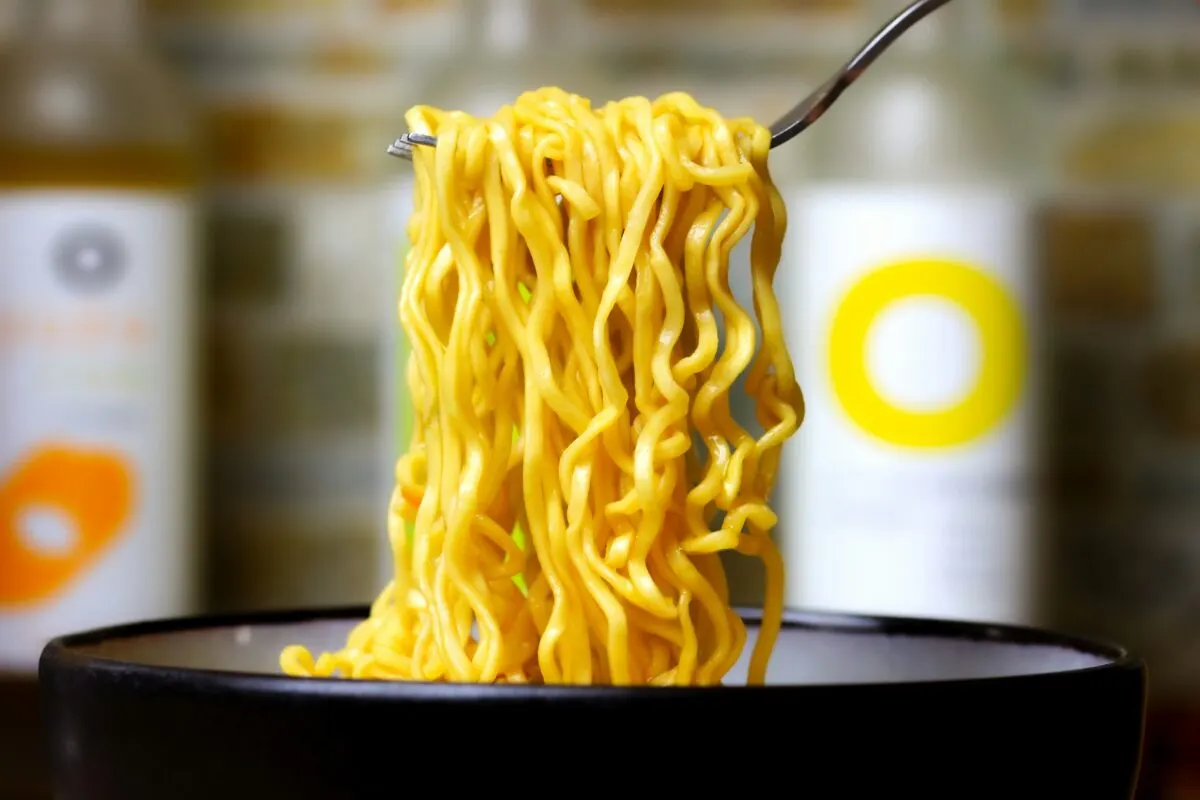
Ramen noodles are made from highly refined carbohydrates derived from wheat flour and fried at high temperatures. With a glycaemic index (GI) of 85 or higher, they are considered a high-GI food that can raise blood sugar more quickly than white rice.
Ramen is also usually eaten as a meal on its own, which often means missing out on protein and vegetables. Consuming refined carbohydrates quickly without protein or dietary fibre makes a sudden rise in blood sugar—often called a blood-sugar spike—more likely.
The resulting surge in insulin can lead to post-meal fatigue or drowsiness, and repeating this pattern may increase the risk of insulin resistance.
How can you cut back?
Eating protein and dietary fibre, such as eggs or bean sprouts, before the noodles can slow digestion in the stomach and delay the absorption of the carbohydrates that follow.
Some studies have found that eating protein first can lower the post-meal blood-sugar peak by about 20 to 30 percent.
Adding fibre-rich vegetables such as bean sprouts, mung-bean sprouts or spinach to the pot can also help blood sugar rise more gradually.

4. Frequent consumption can raise the risk of metabolic syndrome and cardiovascular disease
What is the problem?
This is not merely a theoretical concern; it has been observed repeatedly in several studies.
A joint research team from the Harvard T.H. Chan School of Public Health and Baylor College of Medicine examined about 10,000 Koreans aged 19 to 64. The researchers found that women who ate ramen at least twice a week had a 68 percent higher risk of metabolic syndrome.
Another study analysing data from the Korean National Health and Nutrition Examination Survey found that the group with the highest ramen intake had a 1.4-times higher risk of high blood sugar than the group with the lowest intake. Among women, the risk of abdominal obesity was 1.6 times higher.
In a study of adolescents, those who ate ramen at least three times a week had a higher risk of cardiometabolic disease than those who ate it once a month or less—2.1 times higher among boys and as much as six times higher among girls.
The researchers emphasised that eating instant noodles once or twice a month is unlikely to pose a major problem. The concern is eating them repeatedly several times a week.
How can you cut back?
The most reliable approach is to reduce how often you eat ramen.
Since the Harvard research team also found that eating instant noodles once or twice a month was not a major concern, a realistic goal may be to avoid eating ramen several times a week rather than giving it up completely.
Women in particular may want to pay closer attention to how often they eat ramen, given the larger increase in metabolic syndrome risk observed in studies.
5. It is high in sodium and fat but low in essential nutrients
What is the problem?
According to a Korean study analysing the dietary habits of frequent ramen eaters, those who ate ramen more often consumed relatively more sodium and vitamin B2. At the same time, they tended to consume less iron, potassium, vitamin A, vitamin B1, niacin and vitamin C, as well as a poorer overall mix of carbohydrates.
In other words, a bowl of ramen can fill you up without providing enough of the minerals and vitamins your body needs.
Repeating this kind of meal can lead to an overall nutritional imbalance. Studies have also found that frequent ramen eaters tend to have relatively higher blood levels of triglycerides and total cholesterol.
How can you cut back?
The simplest solution is not to treat a bowl of ramen as a complete meal on its own.
Add protein with an egg or tofu, and include vegetables such as spring onions, mushrooms or onions to provide more fibre and vitamins. This can make up for a considerable share of the nutrients ramen lacks.
Drinking plain milk alongside the meal can also help make up for a calcium shortfall. Ultimately, it is not just the ramen itself but what you eat with it that determines the nutritional balance of the meal.
Five reasons, one conclusion
Excess sodium, the fat in fried noodles, blood-sugar spikes caused by refined carbohydrates, the increased risk of metabolic syndrome documented in research, and nutritional imbalance all point to the same conclusion: we need to distinguish between the occasional pleasure of a bowl of ramen and the risks of making it a repeated dietary habit.
As the Harvard research team noted, eating ramen once or twice a month is not considered a major problem. There is no need to demonise ramen itself. The real issues are how often you eat it and how you prepare it.
Using only half the seasoning, adding vegetables and an egg, and leaving a reasonable amount of broth behind can significantly reduce the burden ramen places on your health.
Rather than giving up ramen entirely, making these practical adjustments is a more sustainable way to strike a balance between enjoyment and health.
Frequently asked questions (FAQ)
Q1. Is it okay to eat ramen about once a week?
According to the Harvard research team, eating instant noodles once or twice a month is not considered a major problem. Eating ramen once a week is unlikely to greatly increase the risk of metabolic syndrome, but since the clearest increase in risk was observed at two or more servings per week, it is safer to keep consumption below that level whenever possible.
Q2. Are air-dried, non-fried noodles a healthier choice?
Air-dried noodles do contain fewer calories and less fat than fried noodles because they are not cooked in oil. However, studies have found that their sodium content is similar to that of fried noodles, so choosing air-dried noodles does not solve the sodium problem. Even with air-dried noodles, it is still wise to use less seasoning and leave some of the broth behind.
Q3. Does adding eggs and vegetables to ramen really help?
Yes. There is evidence to support this approach. Eating protein such as an egg first can slow digestion in the stomach and reduce the rate at which blood sugar rises after the carbohydrates are absorbed—by about 20 to 30 percent, according to some studies. Vegetables such as bean sprouts and mung-bean sprouts provide fibre that helps moderate the blood-sugar rise, while their potassium may also help the body eliminate sodium.
Q4. Why should women be especially careful about eating ramen?
Several studies have found that women experience more pronounced increases than men in the risks of metabolic syndrome, abdominal obesity and high triglycerides associated with ramen consumption. In the Harvard study, women’s risk of metabolic syndrome increased by 68 percent. In the adolescent study, the risk of high triglycerides among girls was much higher than among boys. The precise biological mechanisms require further research, but based on the data available so far, women may want to pay particular attention to how often they eat ramen.
Q5. How much difference does it make to drink all the broth rather than leave it behind?
Because a substantial share of ramen’s sodium dissolves into the broth, drinking only half can significantly reduce sodium intake. Epidemiological studies have also identified the habit of drinking large amounts of broth as one factor associated with higher risks of mortality and metabolic disease. Eating mainly the noodles and toppings while leaving as much broth as possible is one of the simplest and most reliable ways to reduce the sodium burden.