
7 Ways to Protect Your Eye Health — Practical, Evidence-Based Tips
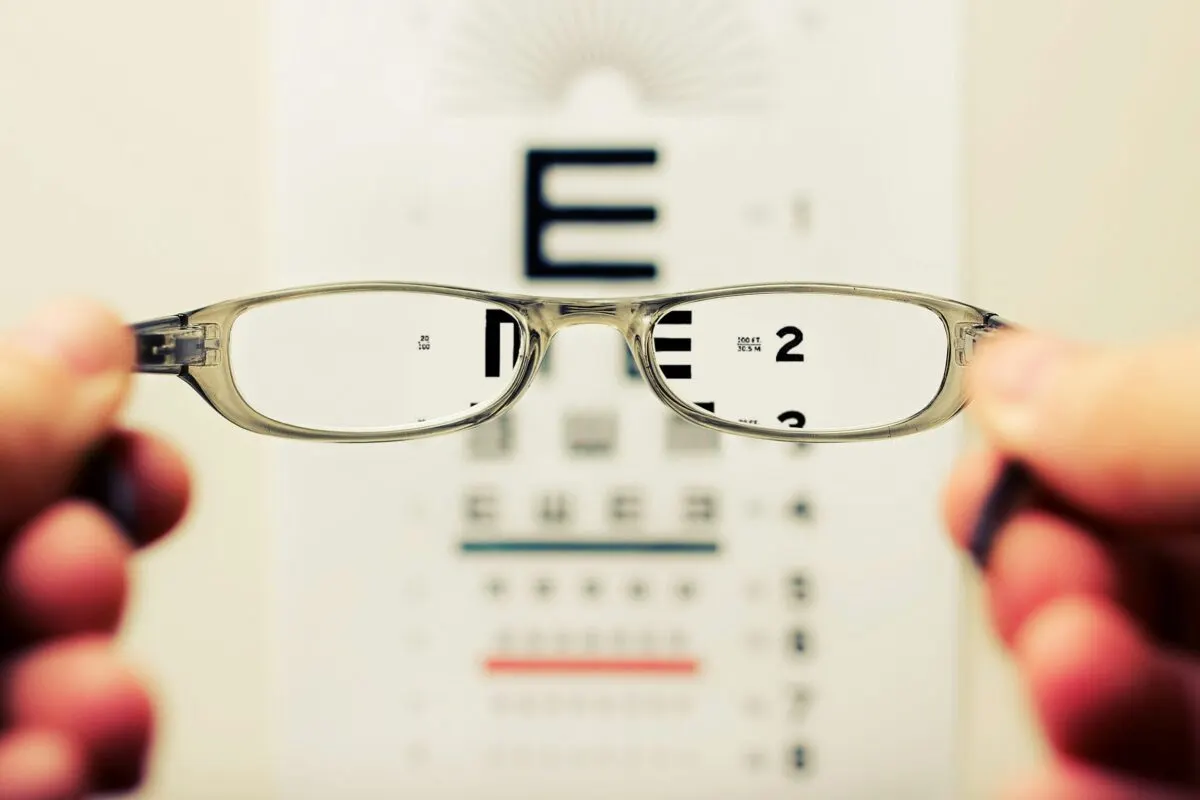
How many hours do you spend looking at your smartphone and computer screen over the course of a day?
Our eyes are among the hardest-working organs in the body, yet they are easy to neglect until they begin sending out warning signals.
The problem is that eye tissues—particularly the optic nerve and retina—are difficult to repair once they have been damaged. From a medical perspective, protecting your vision is less about a secret remedy than about consistently practicing a few habits supported by evidence.
Here are seven ways to protect your eye health, along with the science behind them and practical advice for incorporating them into everyday life.
1. Use the 20-20-20 rule to manage digital eye strain
Why it matters
Staring at a computer monitor for long periods can damage the cornea, affect visual acuity and interfere with the eye’s ability to produce enough tears to stay moist.
In fact, about half of people who work in front of a computer every day are reported to experience digital eye strain.
The American Optometric Association recommends the 20-20-20 rule: every 20 minutes, look at something 20 feet—about 6 meters—away for 20 seconds.
A study by researchers from Spain, Slovakia and the United Kingdom found that participants who actually followed the rule experienced noticeable reductions in symptoms including dry eye, sensitivity and discomfort.
The principle is simple. When you focus on a nearby screen for a long time, the ciliary muscles inside the eye remain tense. Looking into the distance allows them to relax, while deliberately blinking helps spread an even tear film across the eye.
How to make it a habit
Setting a timer or reminder app on your smartphone can make it much easier to follow the rule every 20 minutes.
Closing your eyes briefly can help to some extent by reducing visual stimulation, but the key to the 20-20-20 rule is relaxing the focusing muscles by looking into the distance. Whenever possible, actually look at something far away for the best effect.
2. Get antioxidant nutrients such as lutein and zeaxanthin
Why it matters
Lutein is an antioxidant pigment concentrated around the outer region of the macula, while zeaxanthin is concentrated in its center. Both may help manage age-related eye conditions such as macular degeneration.
According to AREDS2, a large clinical study conducted by the National Eye Institute, consistently taking these antioxidant nutrients was found to slow the progression of macular degeneration by about 25 percent.
That does not mean, however, that everyone needs these nutrients to the same extent.
Ophthalmologists explain that people without signs of macular degeneration do not necessarily need to take them. For patients with diabetic retinopathy, blood-sugar control is more important, while people with glaucoma should focus primarily on treatments that lower eye pressure.
In other words, lutein and zeaxanthin may be more meaningful options for people who already show early signs of macular degeneration or are concerned about declining vision.
How to get enough
Lutein and zeaxanthin are fat-soluble compounds, so they are better absorbed when taken immediately after a meal containing fat rather than on an empty stomach.
The recommended daily intake is roughly 10 to 20 milligrams combined, and both nutrients can also be obtained from leafy greens such as spinach and kale.
Smokers should be cautious, however. Some reports have linked high doses of carotenoids to an increased risk of lung cancer, so anyone considering supplements should consult a health professional.

3. Manage dry eye with omega-3 fatty acids
Why it matters
Omega-3 fatty acids—EPA and DHA—are best known for supporting cardiovascular health, but research also suggests they may help relieve dry eye.
Tears consist of three layers: a lipid layer, an aqueous layer and a mucin layer. Omega-3s are thought to improve the stability of the lipid layer, helping prevent tears from evaporating too quickly.
When eye strain builds up, it can lead to more than dry eye. Symptoms may also include tension headaches, eyelid twitching and pain in bright light. Keeping the tear film stable is therefore more than a matter of comfort—it is a foundation of overall eye care.
How to get enough
One of the most natural ways to increase your intake is to eat oily fish such as mackerel or salmon two or three times a week.
If it is difficult to get enough through your diet, an omega-3 supplement may be an option. Anyone with an underlying medical condition or taking blood thinners should consult a health professional before using one.
4. Wear sunglasses that block ultraviolet light
Why it matters
Long-term exposure to ultraviolet light can oxidize and damage proteins in the lens, increasing the risk of cataracts.
Ultraviolet light and short-wavelength blue light are also known to cause oxidative stress in the retinal pigment epithelium. They are closely associated with macular degeneration, while conditions such as pterygium and dry eye have also been linked to UV exposure.
Brief exposure to intense UV light can burn the cornea, causing photokeratitis and severe pain.
The important point is that UV damage is not limited to the summer months.
Ultraviolet light is present on cloudy days and in winter as well, so protection should be part of your daily routine year-round.
How to make it a habit
When choosing sunglasses, check their UV protection before considering their style.
Products rated UV400 or higher, blocking 99 percent of UV-B and at least 50 percent of UV-A, are recommended.
Be wary of glasses that are merely darkened to block visible light without offering genuine UV protection. They can cause the pupils to dilate, potentially allowing more UV light to enter the eyes.
UV-blocking coatings on lenses can deteriorate over time, so it is worth considering replacement after about four years.

5. Handle contact lenses hygienically
Why it matters
Contact lenses can interfere with tear flow and cause microscopic damage to the corneal epithelium. Poor handling can increase the risk of infectious keratitis.
Keratitis is the most common complication associated with contact-lens wear. If left untreated, it can cloud the cornea and lead to vision loss or, in severe cases, blindness.
Washing lenses with tap water or wearing them in a swimming pool, spa or bathhouse is especially risky because it can expose the eyes to organisms such as Acanthamoeba. These infections can progress rapidly and are difficult to treat.
How to make it a habit
Always wash your hands with soap before and after handling lenses, then dry them completely. Hand sanitizer residue containing alcohol can damage the corneal epithelium and should be avoided.
Replace the solution in your lens case every day and allow the case to dry completely before reusing it. Replace the case itself every three to six months.
Follow the recommended daily wearing times: about 10 hours for hard lenses, eight hours for soft lenses and four hours for colored lenses. Remove lenses before swimming or showering.
Never share or swap lenses with another person, as this can directly spread bacterial infections.
6. Quit smoking
Why it matters
Smoking’s harmful effects on the lungs and cardiovascular system are well known, but its impact on the eyes receives less attention.
Toxic substances in cigarette smoke can damage the retina and optic nerve, trigger inflammation and interfere with blood flow to the retina.
As a result, the risk of serious eye diseases—including macular degeneration, glaucoma and retinal vein occlusion—is thought to increase by two- to fourfold. Smoking has also been linked to as many as 20 percent of blindness cases after age 50.
Compounds in cigarette smoke have also been shown to cause iron accumulation, damaging corneal epithelial cells.
The National Health Information Portal likewise identifies smoking as a major risk factor for age-related macular degeneration and recommends quitting as a preventive measure.
How to make it a habit
Quitting completely is the most reliable approach, but if that feels impossible right away, reducing the amount you smoke can still help lower your risk.
Smokers who have already been diagnosed with macular degeneration should also be careful when choosing antioxidant supplements. Products containing beta-carotene may raise the risk of lung cancer in smokers, so it is safest to choose supplements in consultation with a health professional.
7. Have regular eye examinations
Why it matters
Glaucoma gradually damages the optic nerve. It is particularly dangerous because damage to the optic nerve cannot be reversed with treatment.
Most glaucoma produces no obvious symptoms until it has reached an advanced stage. For that reason, regular eye examinations are considered the only reliable way to detect it early.
A Korean study found that about one-third of people whose comprehensive health screenings raised concerns about glaucoma were ultimately diagnosed with glaucoma or suspected glaucoma.
The risk of developing glaucoma rises sharply from the 40s, when age-related farsightedness typically begins, making regular eye examinations especially important from this point onward.
How to make it a habit
Adults aged 40 and older are advised to have an annual eye examination that includes an eye-pressure measurement and a fundus examination.
People with a family history of glaucoma, severe myopia, diabetes or high blood pressure should be especially proactive about screening.
Contact-lens wearers should also have a separate eye examination once or twice a year because of the risk of corneal damage.
If straight lines begin to look bent or the center of your field of vision becomes difficult to see, visit an ophthalmologist immediately, even if you are not due for a routine examination.
Seven habits, one guiding principle
The 20-20-20 rule, antioxidant nutrients, omega-3s, UV protection, lens hygiene, quitting smoking and regular eye exams may take different approaches, but they all come back to one principle: protect your eyes before damage occurs.
Because the cornea, optic nerve and macular tissue are often extremely difficult or impossible to repair once damaged, consistent care before symptoms appear is far more effective than waiting to respond after problems develop.
You do not have to adopt all seven habits perfectly at once.
If you spend a lot of time on digital devices, start with the 20-20-20 rule. If you are over 40, begin with regular eye exams. If you smoke, make quitting your first priority. Choosing an order that fits your circumstances and tackling the habits one by one is the most realistic approach.
Frequently Asked Questions (FAQ)
Q1. Should I start taking lutein supplements even if I do not have poor vision?
Not necessarily. Ophthalmologists say that lutein and zeaxanthin supplements are not essential for people who show no signs of macular degeneration. Instead, prioritize basic lifestyle habits such as eating plenty of leafy greens, protecting your eyes from UV light and not smoking. If you are particularly concerned about your vision or have early signs of macular degeneration, consider supplements after consulting an ophthalmologist.
Q2. Do I need to wear sunglasses on cloudy days?
Yes. Ultraviolet light passes through clouds to a significant extent and can still reach your eyes on overcast days. UV protection is not just a habit for bright summer weather; using it year-round, regardless of the season or conditions, is more effective for helping prevent cataracts and macular degeneration.
Q3. Is it dangerous to take a short nap while wearing contact lenses?
Each type of lens has a recommended wearing time, and exceeding it places additional strain on the cornea by reducing its oxygen supply. Even a short nap can increase the risk of corneal hypoxia and infection if you repeatedly sleep in your lenses. When possible, remove your lenses before resting.
Q4. Can quitting smoking restore eye health that has already deteriorated?
Quitting cannot reverse existing macular degeneration or damage caused by glaucoma. It can, however, clearly help slow the progression of disease and prevent further damage. Anyone with a history of smoking should be particularly diligent about regular eye examinations to understand and manage their current condition.
Q5. I am in my 20s. Do I already need regular eye examinations?
Glaucoma screening is particularly emphasized after age 40, but regular examinations are recommended before 40 for people with severe myopia or a family history of glaucoma. Young adults who spend a great deal of time on digital devices should also see an eye-care professional rather than putting it off if they develop digital eye strain or dry eye. Regardless of age, anyone who experiences blurred vision or sees straight lines as bent should seek an examination promptly.