Recommended Nara Itinerary
Destination: Nara, Japan
Trip length: 2 nights, 1 day (2 days total)
Travel style: Top attractions
Day 1 – Central Nara (Nara Park and Nearby Attractions)
08:00–09:00 | Morning walk in Nara Park
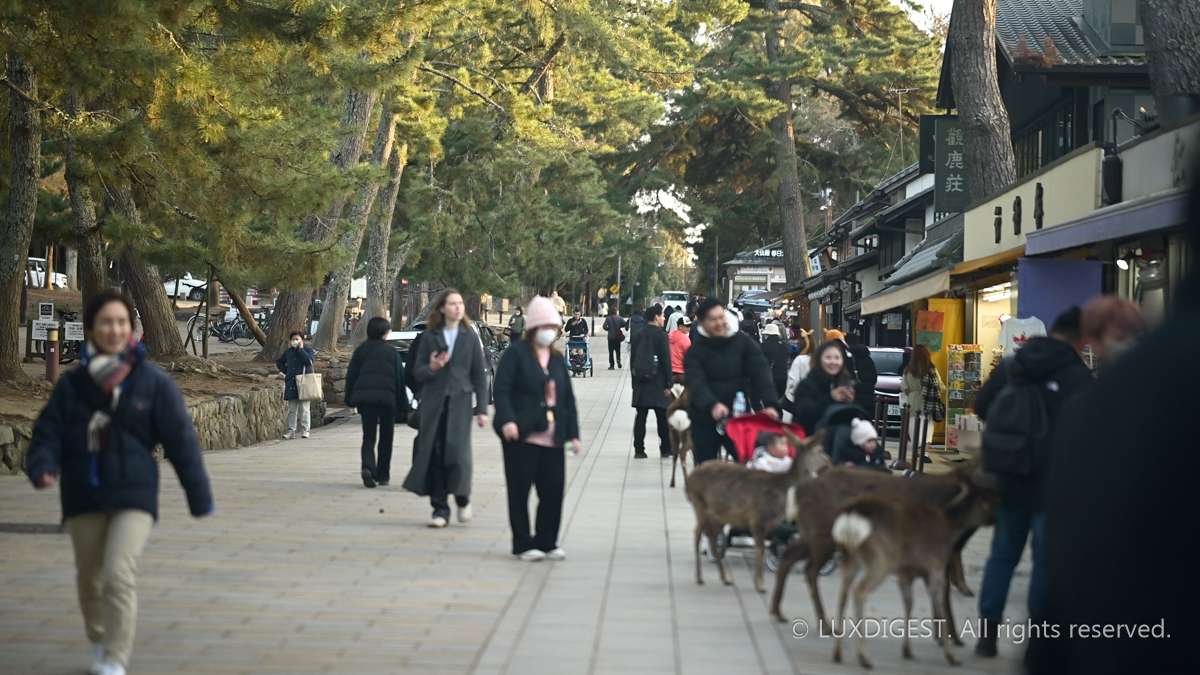
Start the day with a refreshing walk through Nara Park, in the heart of the city. Meet Nara’s famous free-roaming deer and enjoy the park’s peaceful morning atmosphere. With its broad, scenic paths, the park is ideal for an early workout and some memorable photographs.
09:00–09:15 | Walk from the entrance to Nara Park to Todai-ji Temple
(Getting there: on foot, 15 minutes)
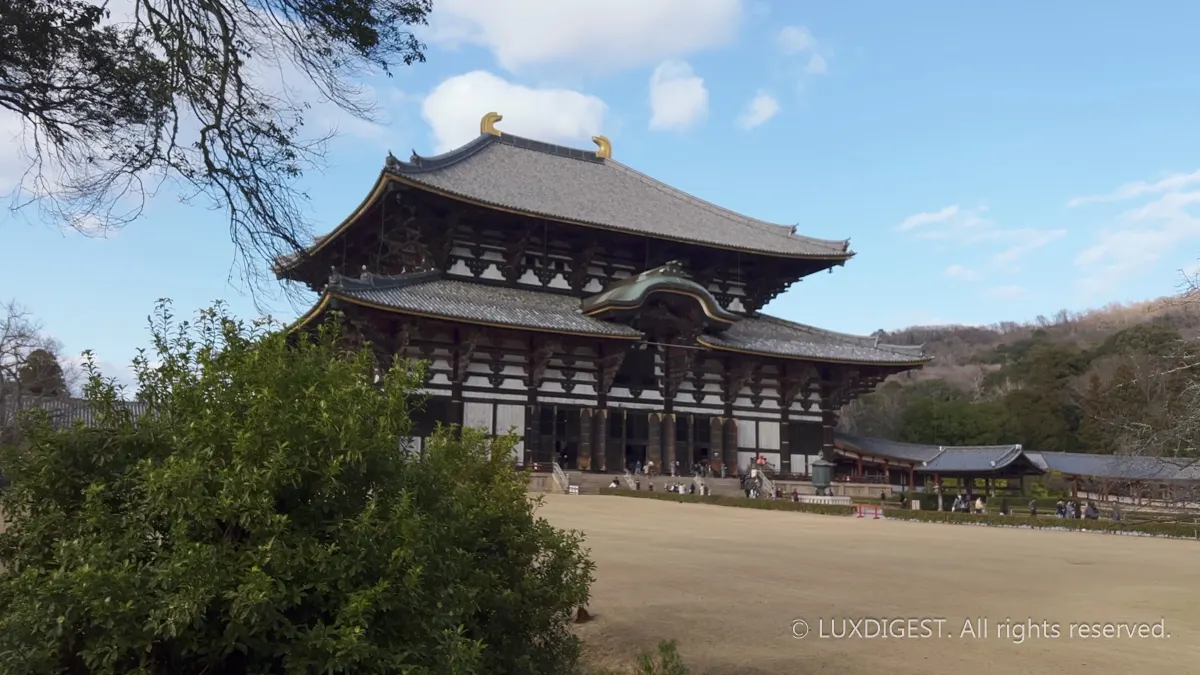
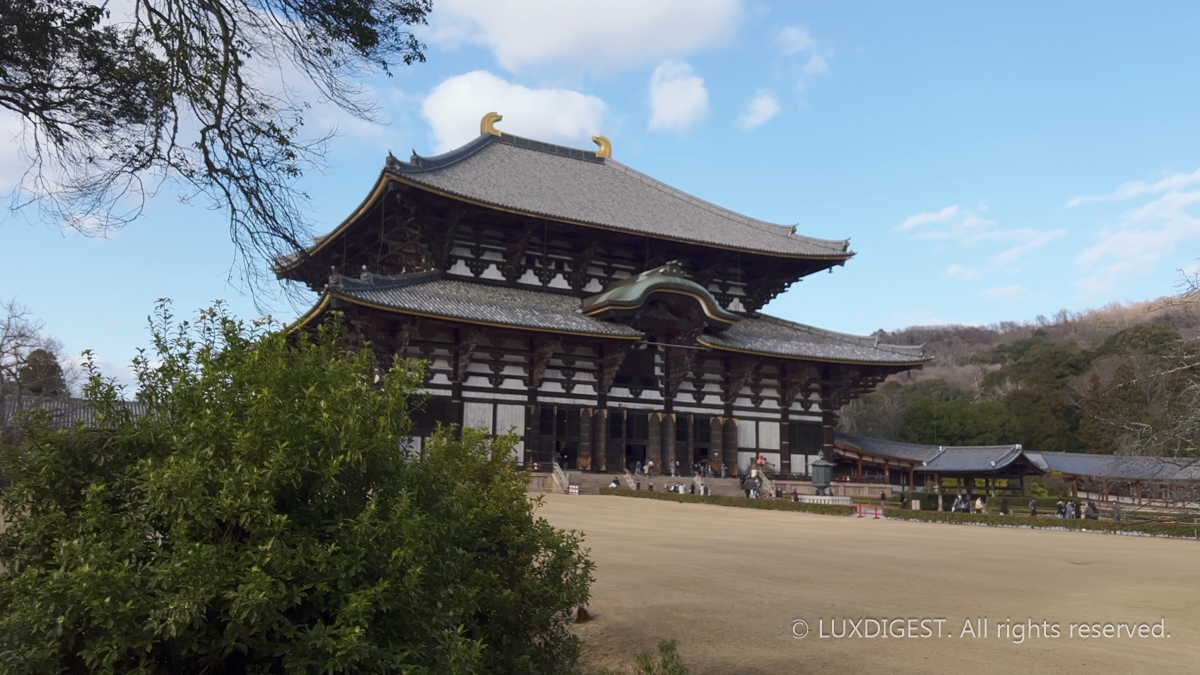
Walk from the main entrance to Nara Park to Todai-ji, one of Japan’s most famous and largest wooden buildings. The temple houses the Great Buddha. Since it is within the same park and the attractions are close together, walking is the easiest way to get around.
09:15–10:15 | Visit Todai-ji Temple
Spend about an hour exploring Todai-ji’s Great Buddha Hall and the surrounding temple grounds. This historic site is a must-see cultural landmark, with plenty of excellent photo opportunities both inside and outside the temple.
10:15–10:20 | Walk from Todai-ji to the Nara National Museum
(Getting there: on foot, 5 minutes)
The Nara National Museum is just a short walk east of Todai-ji. The two sites are close enough that walking is the most efficient option.
10:20–11:20 | Explore the Nara National Museum
Allow about an hour to explore the museum’s collection of Buddhist art and cultural artifacts. Along with its beautifully presented indoor exhibitions, the museum offers tranquil garden views.
11:20–11:35 | Walk to Kasuga Taisha Shrine
(Getting there: on foot, 15 minutes)
Follow the forest paths through Nara Park south toward Kasuga Taisha Shrine, known for its lantern-lined approach and long history.
11:35–12:35 | Visit Kasuga Taisha Shrine
Explore Kasuga Taisha and the surrounding woodland paths. The shrine’s serene atmosphere and rows of stone lanterns create beautiful settings for photographs.
12:35–13:05 | Walk to Nara Central Bus Terminal
(Getting there: on foot, 30 minutes)
Walk back toward the city center near Nara Station and the central bus terminal. Walking is recommended because the route is scenic and brings you back to the center of town in time for the afternoon’s activities.
13:05–14:15 | Check in and take a break
Check in at a hotel or ryokan in the city center, then take some time to rest before heading out again.
14:15–14:45 | Travel to Kofuku-ji Temple on foot or by taxi
(Getting there: on foot or by taxi, 15 minutes on foot / 5 minutes by taxi)
Kofuku-ji is close to both Nara Station and the city center, making it easy to reach on foot or by taxi.
14:45–15:30 | Visit Kofuku-ji Temple
Explore Kofuku-ji, known for its five-story pagoda and Eastern Golden Hall. It is a popular photography spot and conveniently close to several other attractions in the city center.
15:30–16:00 | Walk through the Naramachi historic district
Stroll through Naramachi, a former merchant district lined with traditional homes, shops and small shrines. It is a wonderful place for photographs and a glimpse of local culture.
16:00–16:45 | Visit Isuien Garden
This traditional Japanese garden near Naramachi is within walking distance and features carefully landscaped grounds that are perfect for photography and quiet reflection.
16:45–17:15 | Return to your accommodation
(Getting there: on foot, 30 minutes)
Walk back to your hotel, rest, and get ready for the evening.
17:15–18:00 | Evening walk around Sarusawa Pond
End the day with a gentle walk around Sarusawa Pond near Kofuku-ji. It is a lovely early-evening photo spot, with reflections of the illuminated pagoda shimmering on the water and a softly atmospheric setting.
18:00 | Return to your accommodation and stay overnight
Day 2 – Mount Wakakusa and the Surrounding Scenery
07:30–08:30 | Morning walk and light hike on Mount Wakakusa
Walk for about 20 minutes from central Nara to the foot of Mount Wakakusa. Follow the gentle slope upward for sweeping views over Nara and its historic sites. Because the mountain is relatively low, most visitors can make the climb with ease. Allow about an hour for the hike and photography.
08:30–09:00 | Descend Mount Wakakusa and walk to the Ukimido Pavilion
(Getting there: on foot, 15 minutes)
After coming down the mountain, walk to Ukimido Pavilion, a waterside gazebo on Ukigumo Pond. It is a beautiful place for quiet reflection or nature photography.
09:00–09:30 | Visit Ukimido Pavilion and the surrounding waterfront
The pavilion is surrounded by tranquil water and beautiful plant life, making it an excellent spot for morning photographs.
09:30–10:10 | Travel to the Heijo Palace Site Museum on foot or by taxi
(On foot: 35 minutes, by taxi: 10 minutes)
A taxi is the better choice if you want to save time. The journey from Ukigumo Pond to the Heijo Palace Site in eastern Nara takes about 10 minutes by taxi.
10:10–11:10 | Explore the Heijo Palace Site and Museum
Visit the Heijo Palace Site, a UNESCO World Heritage Site, and explore the remains of the imperial palace of Japan’s ancient capital. Reconstructed buildings and museum exhibits offer a glimpse into Nara’s historical importance.
11:10–11:50 | Walk from the Heijo Palace Site to Yakushi-ji
(Getting there: on foot, 40 minutes)
Yakushi-ji is about 3 kilometers south of the Heijo Palace Site, and you can walk there while taking in the surrounding streets. If you would rather avoid a longer walk, however, taking a taxi is recommended.
11:50–12:50 | Visit Yakushi-ji
One of Nara’s Seven Great Temples, Yakushi-ji is known for its distinctive pagodas and garden scenery. It is an excellent place to capture unique photographs.
12:50–13:30 | Take a taxi or bus to the area around Nara Station, then check out and depart
(Getting there: taxi or local bus, approximately 35 minutes)
Take a taxi or local bus back into central Nara to check out of your hotel or continue to your next destination. Several buses operate near Yakushi-ji and Nara Station. Buses are inexpensive but can take longer, so a taxi is the better option if you are short on time.
This itinerary covers Nara City’s most popular and accessible cultural and scenic attractions, while allowing for realistic walking distances and transportation options. It balances sightseeing with downtime, includes iconic photo spots, and takes travel times and local accessibility into account.
Videos about traveling in Nara