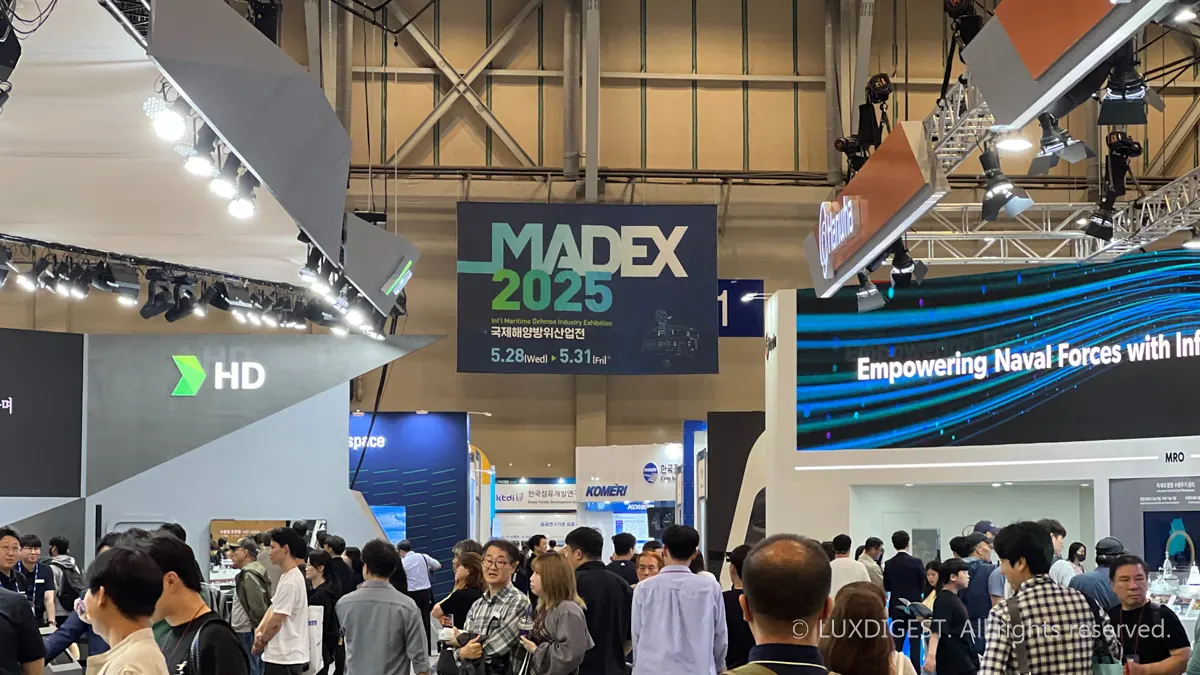
MADEX 2025 concludes on a high note
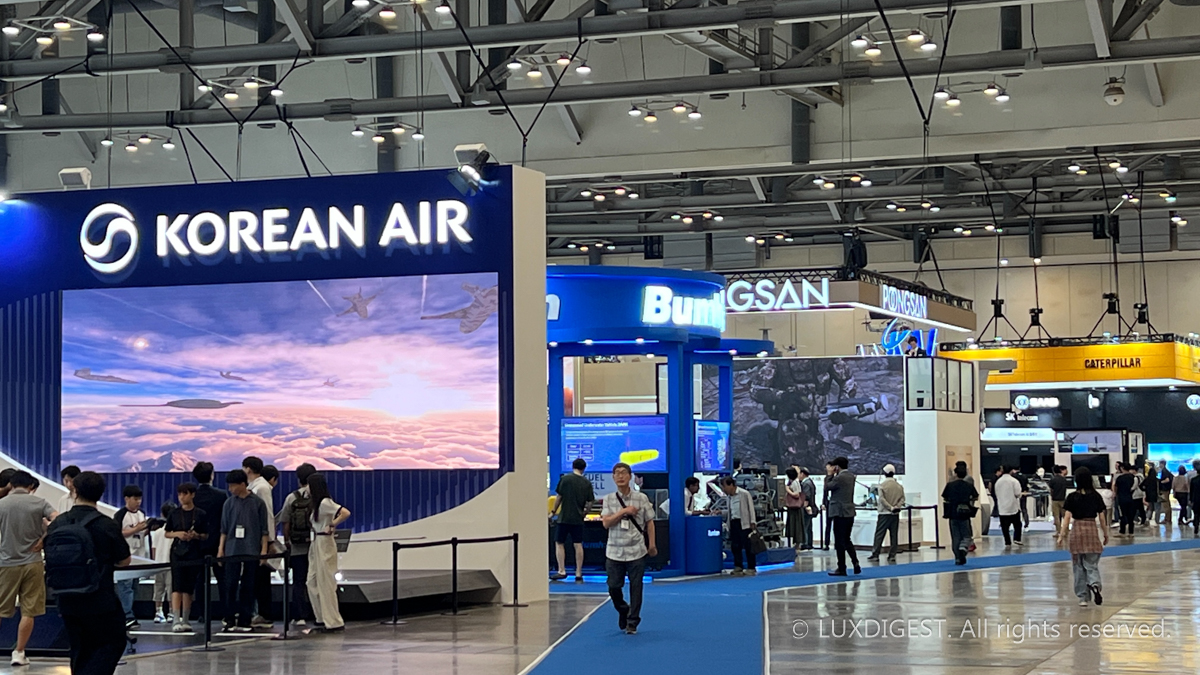
More than 200 defense companies from 14 countries took part, drawing 21,313 visitors as the show closed as the largest edition in its history.
Against the backdrop of a shifting global maritime-security landscape, the exhibition was widely seen as a pivotal moment that underscored the distinctive technological capabilities of Korea’s naval defense industry and helped diversify its export opportunities.
The milestones MADEX 2025 set for Korea’s naval defense industry
[BEXCO, Busan — Defense Correspondents] MADEX 2025, the International Maritime Defense Industry Exhibition, offered a comprehensive view of the cutting-edge trends and future direction of the global maritime defense sector at BEXCO in Busan, the heart of South Korea’s shipbuilding and marine industries.
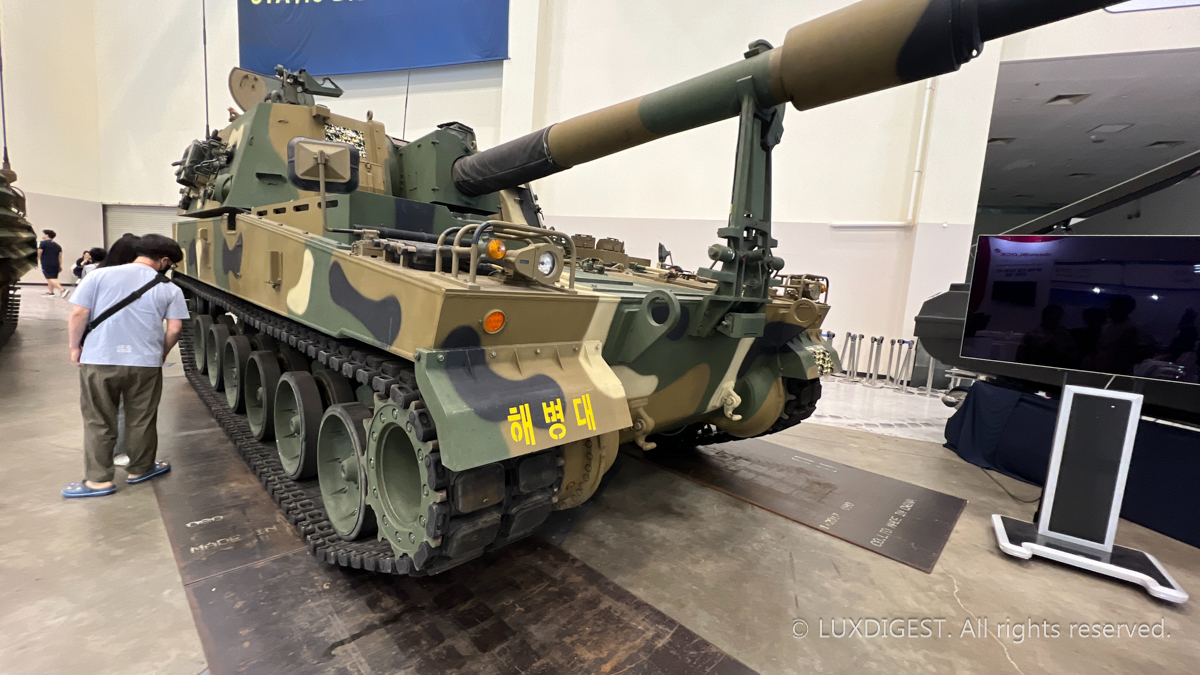
Co-hosted by the Republic of Korea Navy, the Korea International Trade Association and the Korea Naval Association, this year’s MADEX drew more media attention than ever, coinciding with the historic 80th anniversary of the Navy’s founding.
The exhibition also became a major arena for defense diplomacy, attracting unprecedented attention from defense officials around the world amid a series of favorable developments—including the Trump administration’s request for South Korean shipbuilders to help rebuild U.S. naval power, effectively issuing a “SOS” to Korea’s shipbuilding industry.
As the global maritime-security paradigm rapidly shifts toward manned-unmanned teaming (MUM-T) and AI-enabled intelligent systems, MADEX 2025 provided a showcase where advanced defense technologies converged with the broader marine industry.
1. A record-breaking edition, with global standing reflected in the numbers
MADEX 2025 set records across both scale and substance, establishing itself as the largest edition in the exhibition’s history.
The exhibition area expanded by more than 30 percent compared with the 2023 show, while all 700 booths in BEXCO Exhibition Hall 1 were filled.
Particularly notable was the influx of overseas buyers and senior military officials. A total of 129 international delegates—including naval and marine corps commanders, senior generals representing 30 countries and high-ranking defense-acquisition officials—traveled to Busan.
Alongside 15 major overseas buyers from 13 countries invited through close cooperation with KOTRA, more than 15,000 professional buyers held intensive business meetings throughout the exhibition, helping drive tangible contract opportunities.
2. A head-to-head battle for the next generation of naval technology
HD Hyundai Heavy Industries and Hanwha Ocean, the two companies that dominate South Korea’s special-purpose naval shipbuilding sector, went head-to-head with innovative portfolios aimed at securing leadership in the maritime forces of the future.
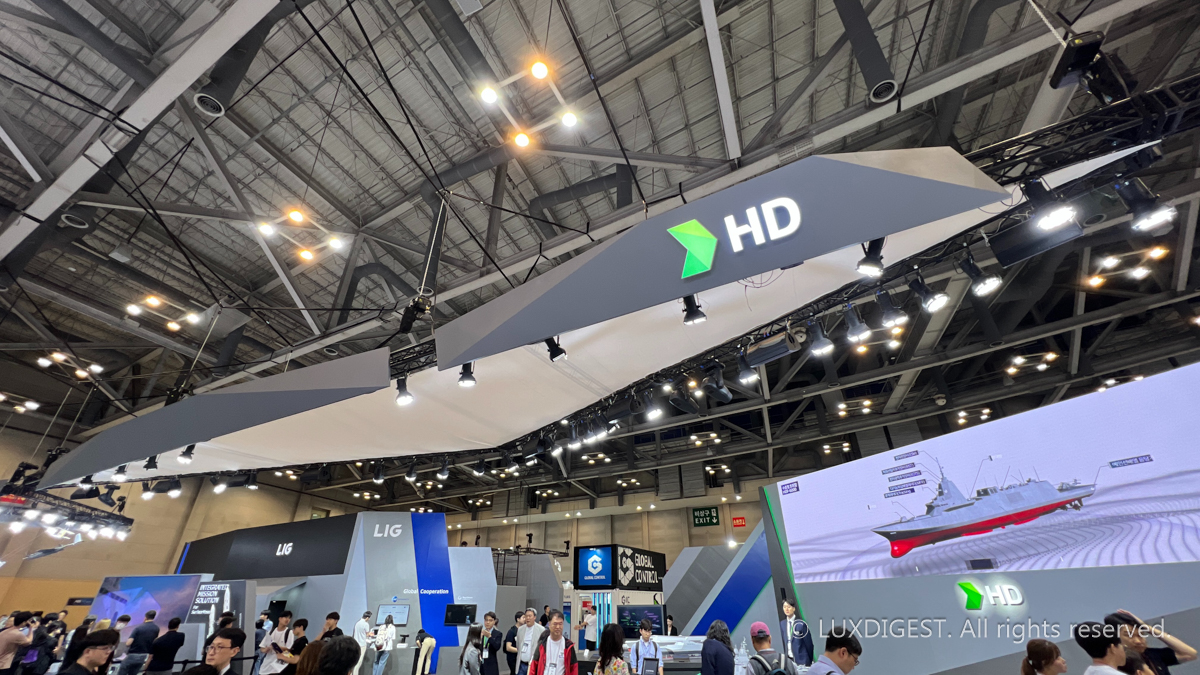
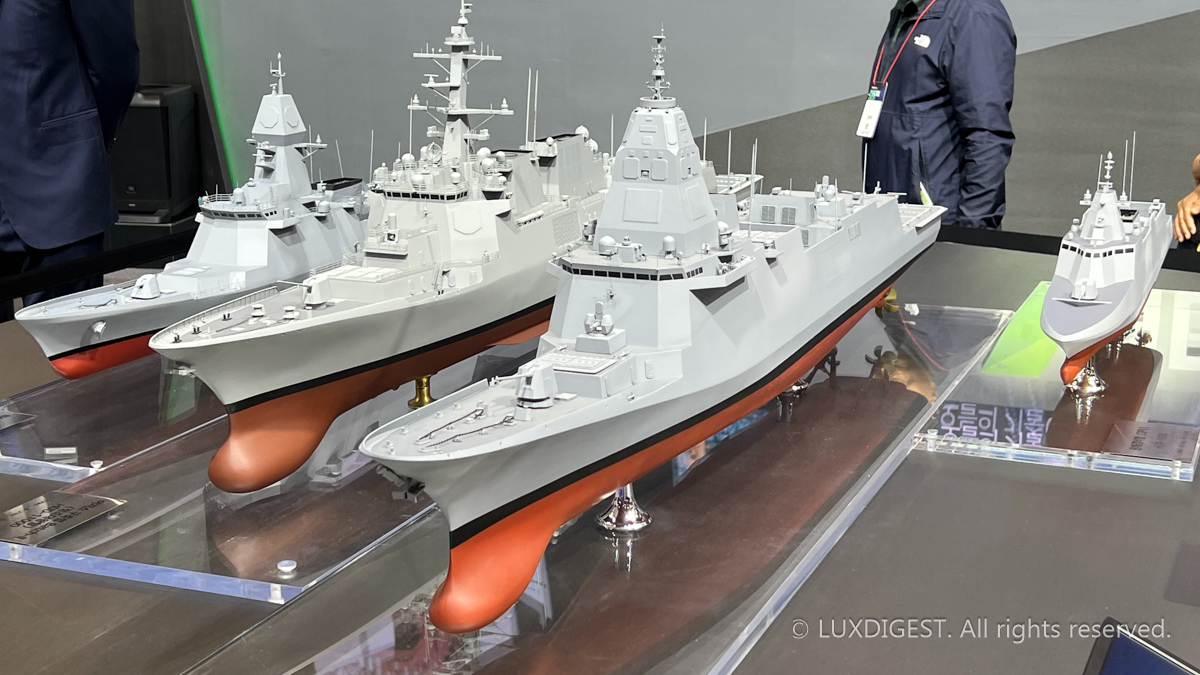
HD Hyundai Heavy Industries: an advanced portfolio from a renowned naval shipbuilder
HD Hyundai Heavy Industries showcased a broad lineup that reflected its accumulated expertise in designing and building large naval vessels. The centerpiece was a smart model of the next-generation Korean Destroyer (KDDX), joined by a range of export-oriented warship models tailored to international markets.
Its advanced hull-automation systems and stealth-design technologies, developed to maximize survivability in the event of an attack, drew considerable praise from U.S. Navy representatives and delegations from Asia and the Middle East.
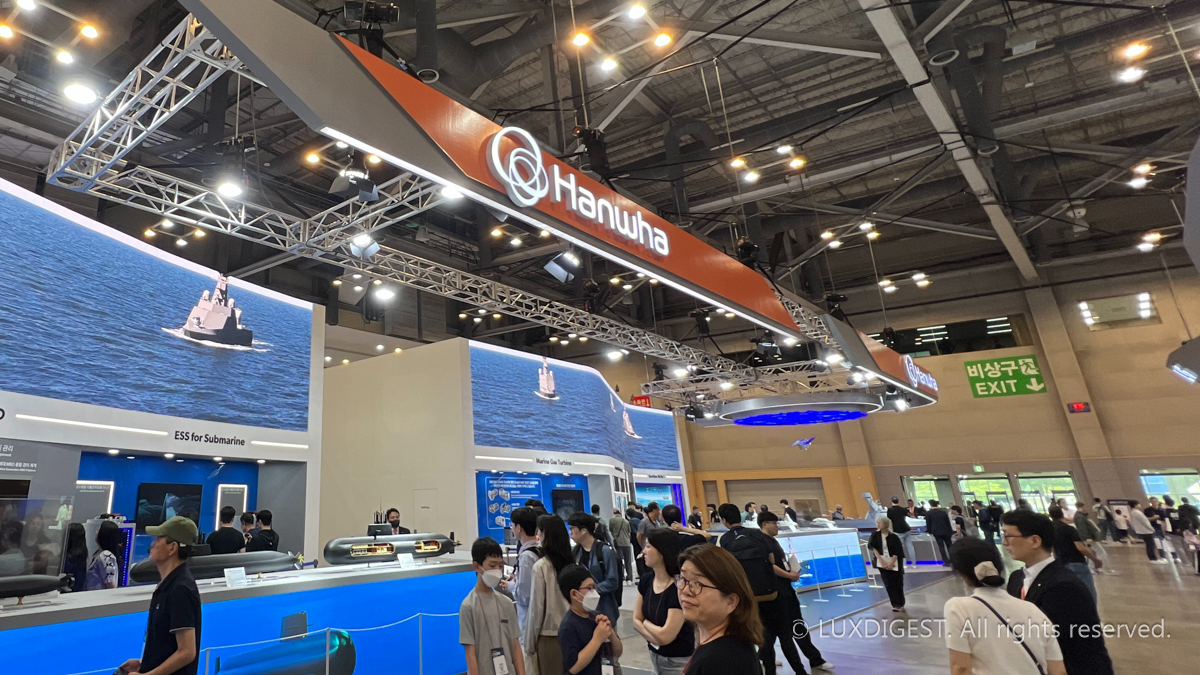
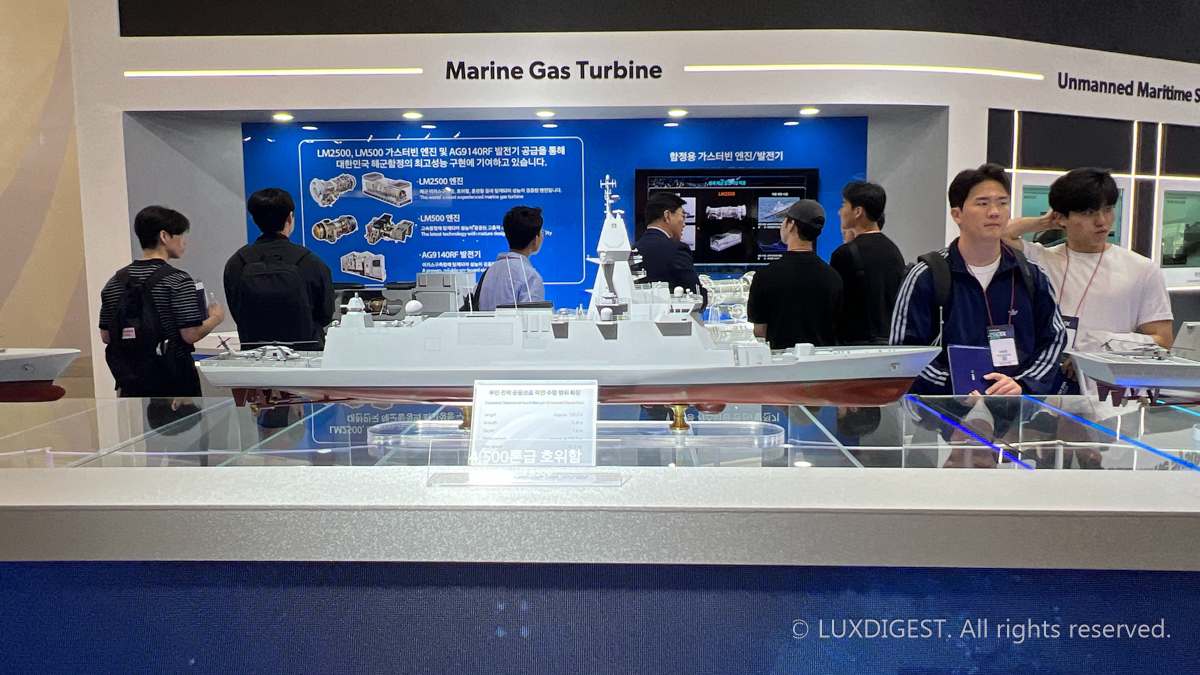
Hanwha’s integrated defense pavilion: maximizing synergies
At this year’s MADEX, Hanwha Group made a strong brand statement by creating, for the first time, an “integrated defense pavilion” bringing together the capabilities of Hanwha Ocean, Hanwha Systems and Hanwha Aerospace.
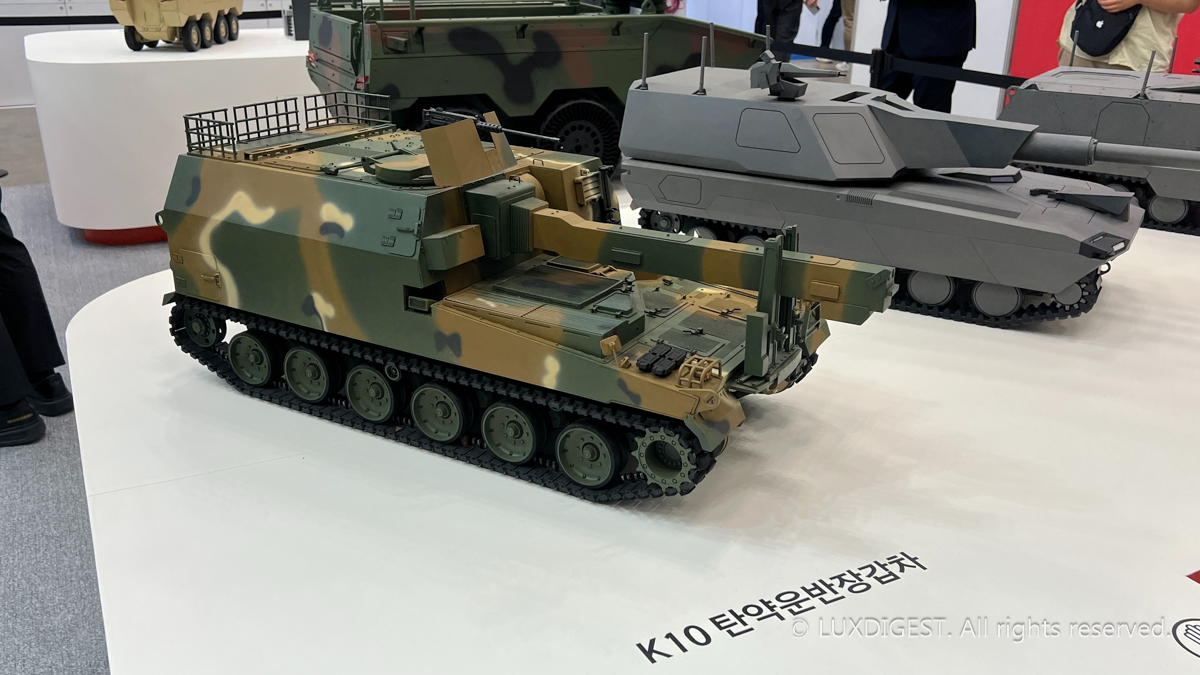
- Hanwha Ocean: Highlighting its distinctive expertise in surface ships and submarines, the company put the Jangbogo-III Batch-II model—the flagship of South Korea’s indigenous submarine program—front and center.
- Hanwha Systems: The company demonstrated its software capabilities by combining an indigenous advanced combat management system (CMS), which serves as a warship’s brain, with multifunction radar (MFR) and unmanned-force control systems.
- Hanwha Aerospace: It unveiled next-generation lithium-ion battery-based energy storage system (ESS) technology designed to significantly extend submarines’ endurance during underwater operations, completing a fully vertically integrated warship solution.
3. MUM-T and AI bring the future of maritime warfare into focus
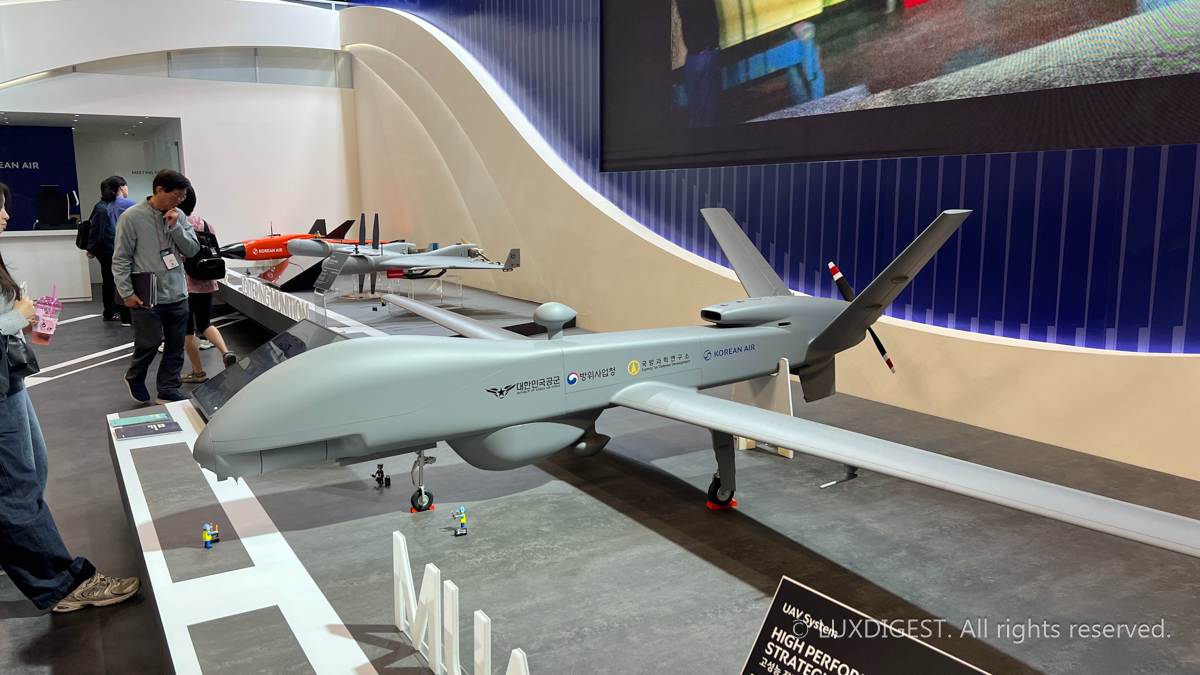
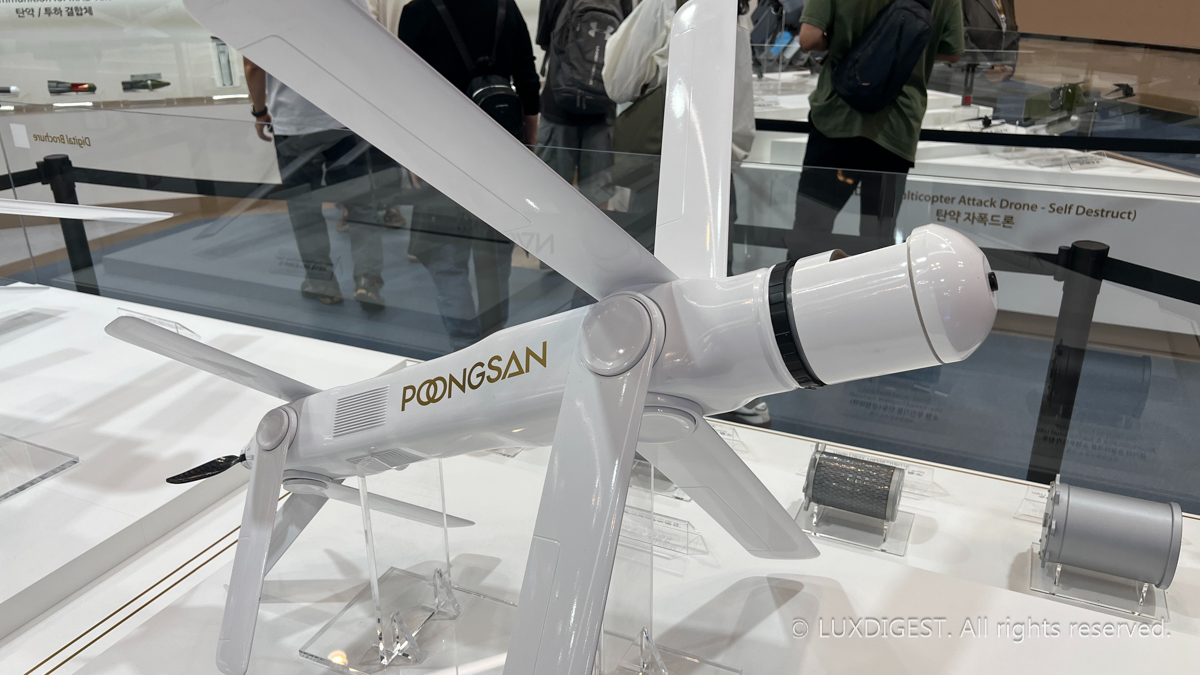
The defining themes of MADEX 2025 were undoubtedly “AI-enabled autonomy” and “interoperability across different systems.” Rather than merely presenting concepts, exhibitors showcased unmanned platforms capable of being deployed in real-world operations.
In line with the Navy’s drive to establish the “Navy Sea Ghost” manned-unmanned teaming architecture, LIG Nex1 displayed an expanded lineup of autonomous unmanned surface vessels (USVs), including the Haegum series, as well as unmanned underwater vehicles (UUVs).
Visitors were given a vivid glimpse of the future maritime battlespace through demonstrations in which AI identified threats at sea in real time and linked data with strike assets.
Traditional aerospace leaders also entered the maritime weapons-systems market. Korea Aerospace Industries (KAI) unveiled for the first time its NI-500VT vertical-takeoff-and-landing unmanned reconnaissance aircraft, alongside an assault helicopter and a mine-countermeasure helicopter that the Navy is considering for future acquisition. KAI also outlined a vision for developing an indigenous maritime patrol aircraft platform based on the MC-X multipurpose transport aircraft, offering a concrete alternative for South Korea’s future naval aviation capabilities.
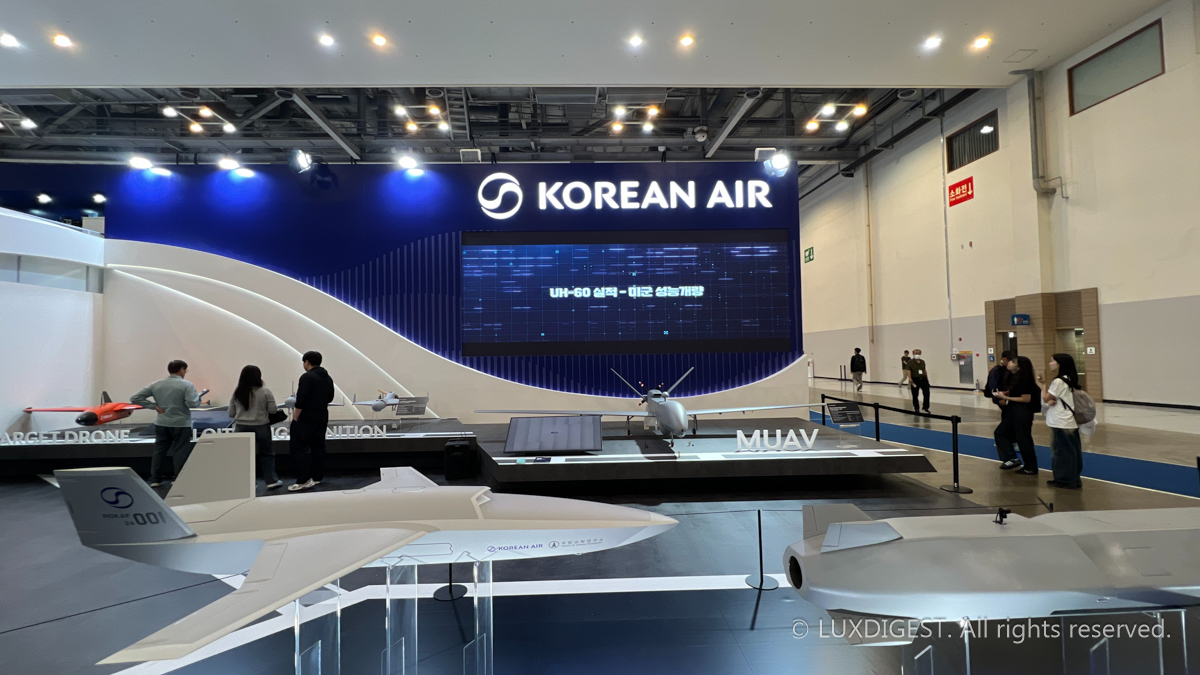
Korean Air likewise presented an extensive range of concepts for integrating its high-performance unmanned-aircraft technologies with shipborne platforms.
4. Global defense giants and practical defense diplomacy
As South Korea’s defense market continues its explosive growth and the country’s importance as an Asia-Pacific hub comes into sharper focus, major global defense companies flocked to Busan to strengthen partnerships.
- GE Aerospace and Rolls-Royce: The companies reinforced technology cooperation in gas turbines and propulsion systems—the engines at the heart of the Republic of Korea Navy’s principal warships.
- Babcock, Thales and Leonardo: By presenting advanced maintenance, repair and overhaul (MRO) systems and sophisticated anti-submarine and air-defense sensor solutions, the companies accelerated discussions with South Korean shipbuilders on joint expansion into overseas markets.
These global companies used MADEX as more than a trade show. By proposing multinational cooperation models that combine South Korean shipbuilders’ strong cost competitiveness and ability to meet delivery schedules with their own proprietary technologies, they turned the event into a platform for reshaping global supply chains.
5. The best of public-private-military cooperation, showcased through dynamic events and demonstrations
This year’s MADEX went beyond the static display of products inside BEXCO, making full use of Busan’s geographic advantages to offer a dynamic, multidimensional program.
Demonstration of a future-ready amphibious operation
The event that attracted the greatest attention was a future-ready amphibious-operation demonstration at the Busan Operations Base, featuring a manned-unmanned teaming architecture.
In the scenario, unmanned surface vessels and unmanned aircraft were deployed ahead of the landing force to neutralize enemy mines, while coastal-defense missile sites and small enemy vessels were identified and eliminated with precision in real time. The demonstration left a strong impression on military officials.
Public Day brings the exhibition closer to the public
The final day of the event, May 31, was designated as “Public Day,” opening the exhibition to the general public.
The Navy operated a joint Navy and Marine Corps public-relations pavilion featuring a 3D hologram zone showcasing advanced capabilities and a special zone commemorating the Navy’s 80th anniversary, helping build a closer connection with visitors.
It also opened the large amphibious transport dock Marado (LPH, approximately 14,500 tons) and the new Gyeongnam-class frigate (FFG-II, approximately 3,600 tons) to civilians. The ship tours made a significant contribution to strengthening public confidence in national defense.
6. [Analysis] MADEX 2025’s message and the challenges facing Korea’s naval defense industry
A comprehensive analysis of MADEX 2025 shows that South Korea’s naval defense industry has moved beyond its role as simply a shipbuilding nation and has fully transformed into a “global high-value system integrator.” The strategy is beginning to resonate in global markets: Korea is no longer just building ships, but selling an integrated ecosystem that combines unmanned systems, combat systems, aviation assets and environmentally friendly energy technologies.
Several challenges, however, must be addressed if South Korea is to secure a decisive advantage in the global naval defense market.
- Take the lead in the MRO market: Alongside selling warships, the industry must establish the infrastructure and standardized contract models needed to provide reliable maintenance, repair and overhaul (MRO) services throughout the full life cycle of a weapons system.
- Develop independent core technologies: Investment is urgently needed to further reduce reliance on foreign technologies and secure indigenous capabilities in critical software areas of the future battlefield, including AI and communications and control for manned-unmanned teaming.
- Build sustainable governance: Leading domestic companies, including HD Hyundai Heavy Industries and Hanwha Ocean, must avoid excessively destructive competition and pursue a mutually beneficial strategy that enables “Team Korea” to compete with major overseas defense conglomerates.
![6. [Analysis] MADEX 2025’s message and the challenges facing Korea’s naval defense industr](https://luxdigest.com/wp-content/uploads/2026/06/marin-2025-in-busan-0058.jpg)
[Epilogue] South Korea’s maritime reach, seen in Busan, is ready for the world
MADEX 2025 was more than a quantitative success, marked by record attendance and the largest exhibition scale in the event’s history. It was an opportunity for South Korea to proclaim its national stature and the sophistication of its maritime defense technologies to the world.
In this turbulent era of intensifying global maritime-security crises, the blue flame of Korea’s naval defense industry that burned brightly at BEXCO in Busan is now fully prepared to extend beyond the waters of the Korean Peninsula and out into the open ocean.
That is why MADEX 2027, which will return in an even more advanced form two years from now, is already eagerly anticipated.
