- Detergent storage is more about preventing access than about organization.
- Accidents often begin with seemingly minor carelessness.
- The correct answer is the original container, not the high location.
- The more concentrated the detergent, the more important it is to prevent any contact with it.
- Before relying solely on the lock, check the packaging and your habits.
- Frequently Asked Questions.
- Recommended WordPress Plugins
Is it safe to place detergents on high shelves? If a child brings a chair and a cat jumps onto the shelf, that shelf can quickly become a ladder.
In a household with both children and pets, the most important question is: where should detergents be stored to ensure daily safety?
Detergent storage is more about preventing access than about organization.
The key to storing detergents is not about using pretty baskets or placing them in high locations. It is about ensuring that detergents are always kept in a state where children and pets cannot see, touch, lick, or chew them.
According to data from the U.S. Poison Control Center, in 2024, among cases of exposure to toxic substances in children aged 5 years or younger, household detergents accounted for 87,031 cases. This represents 10.1% of the total.
The U.S. Consumer Product Safety Commission and the Pet Poison Helpline also recommend the same approach. Detergents should be kept in their original containers and stored in a locked cabinet that is inaccessible to children and pets.
In particular, detergent pods are small and colorful. Their soft shape can make them appear like candy or toys to children, rather than detergent.
Prevention is more important than simply making storage look good.
Accidents often begin with seemingly minor carelessness.
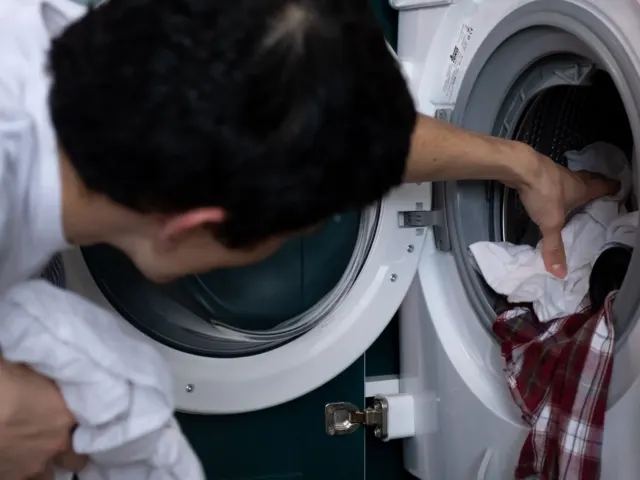
After you finish doing laundry and have temporarily placed the detergent on top of the washing machine, a phone call might come. The same is true when a pet discovers a drawer that is slightly open.
Laundry detergent pods have been available in the U.S. market since 2010, and have been subject to warnings about the risk of mistaken ingestion by children. The U.S. Consumer Product Safety Commission identified approximately 500 incidents involving children and adults related to laundry detergent pods in the year 2012.
In 2024, approximately 8,200,000 pouches of Tide, Gain, Ace, and Ariel detergent pods were recalled. This was due to a risk of the zipper seal around the pouch opening, and there were also 4 reports of children accessing the contents of the pouches.
Of those cases, 3 involved consumption, but it has not been confirmed whether those incidents were caused by packaging defects. Nevertheless, the message conveyed by these cases is clear.
Even if the packaging appears intact, you cannot be completely reassured.
The correct answer is the original container, not the high location.
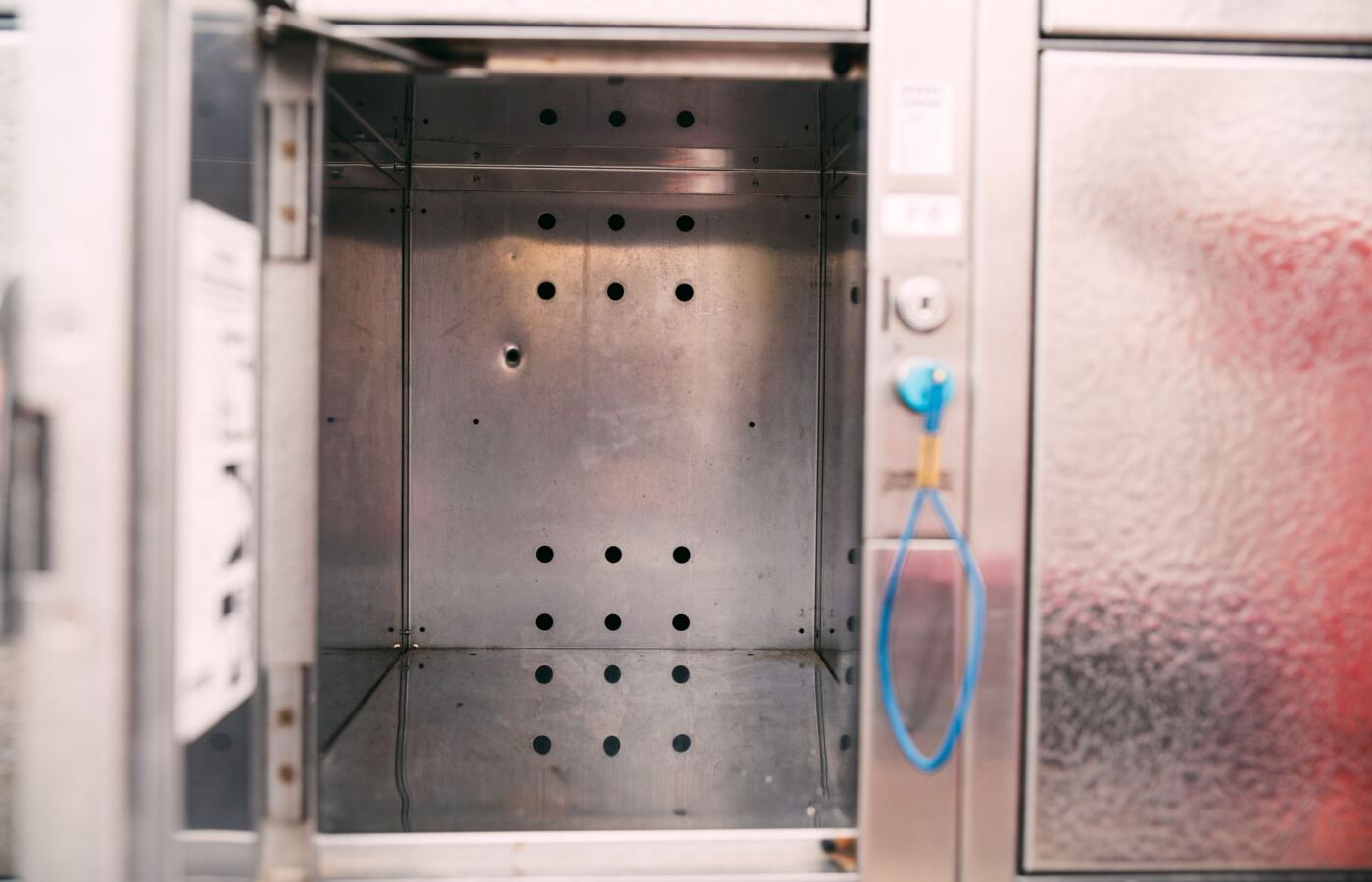
A reliable location is one that can be securely locked, is the original container, and is inconspicuous. A lockable storage cabinet is a place that meets all three of these criteria.
The U.S. Consumer Product Safety Commission advises that detergent pods should be placed in their original packaging, kept locked, and stored out of reach of children’s sight and hands. The U.S. Poison Control Center also recommends closing the container’s locking mechanism after each use.
In households with pets, a “high shelf” may be a less stable choice. This is because dogs and cats may lick or chew on objects to investigate them.
Therefore, it is safer not to use the space on top of the washing machine, inside the laundry basket, or in the lower drawers as storage places for detergent capsules. It is best to keep them locked in a storage cabinet until just before use, and to close the cabinet immediately after taking them out.
Security is more important than height.
The more concentrated the detergent, the more important it is to prevent any contact with it.
Both regular liquid detergents and powder detergents can cause nausea, vomiting, and diarrhea if ingested. Detergent pods contain concentrated detergent in a small package, which can exacerbate these problems.
Exposure to detergent pods can cause severe vomiting, drowsiness, aspiration into the airway, and breathing difficulties. This is why they should not be taken lightly due to their small size.
The capsule may dissolve quickly if it comes into contact with water, wet hands, or saliva, potentially exposing the contents. Therefore, it should be handled one at a time with dry hands, and the packaging should not be torn or punctured.
The labels “eco-friendly” or “safe” do not eliminate storage risks. While the U.S. Environmental Protection Agency‘s safety certification can be a reference when choosing ingredients, it does not allow such labels on liquid detergent capsules contained in water-soluble films.
Even if the name sounds gentle, it is still necessary to maintain the same level of access control.
Before relying solely on the lock, check the packaging and your habits.
Even with a locked storage compartment, gaps can still occur. This can happen if the packaging shifts, if the detergent leaks, or if the lid is left open immediately after use, before the compartment is closed.
Similar to the recall in 2024, the seams around the zipper of the detergent capsule pouch may come apart. If the pouch is swollen, torn, or the zipper does not close properly, do not use it and check with the manufacturer regarding the recall.
It is necessary to avoid transferring detergents to other plastic bottles or beverage containers. This is because the original label and emergency response information may be lost, making it difficult to identify the product in case of a problem.
Today, take 10 minutes to gather all the laundry products in your house.
- First, verify that it is the correct container.
- It is moved into a locked storage cabinet.
- The translation examines the opening of the bag and any spillage of the contents.
- Immediately wipe up any spilled liquid.
- After taking it out, close the container and wash your hands.
It is best to lock away not only laundry detergent but also fabric softener, dryer sheets, and stain removers together. If pets can open drawers or doors, the focus should be on “locked” rather than “closed.”
Even if you have a washing machine in your home with children, do not let them take the detergent capsules out themselves. It is safer for an adult to take one capsule out with dry hands, immediately close the container, and then wash their hands.
When exposure is suspected, do not wait for symptoms to appear. In the United States, for children, contact Poison Help at 1-800-222-1222, and for pets, immediately contact a veterinarian or the ASPCA Animal Poison Control Center at 1-888-426-4435.
If a pet licks or ingests a corrosive product, contact a veterinarian even if there are no visible symptoms, and do not induce vomiting without professional guidance.
“Lock,” “Original Container,” and “Immediate Closure” are key phrases. Phrases like “Lock,” “Original Container,” and “Immediate Closure” can be highlighted in yellow within the main text using DecoBlocks’ highlighting feature, making them stand out. These three elements are the criteria.
Frequently Asked Questions.
Q. Is it sufficient to place detergents on a high shelf?
A. It may not be sufficient. Since a child may use the chair or a pet may climb onto the shelf, it is essential to store the original container inside a locked storage cabinet.
Q. Can I transfer the detergent to a pretty container?
A. It is safer not to transfer the contents. The original label and emergency response information may be lost, so store the product in its original container.
Q. What should I do if my child has touched a detergent capsule?
A. If ingestion or eye exposure is suspected, do not wait for symptoms to appear; contact a poison control center immediately. If it involves a pet, consult a veterinarian and do not induce vomiting without professional guidance.