Stronger Regulations Introduced as Follow-Up Measures
The government announced that the Cabinet reviewed and approved amendments to the enforcement decree at a Cabinet meeting on July 28. The amendments follow the anti-price-gouging measures announced at an expanded national tourism strategy meeting on February 25 and will take effect immediately upon promulgation on August 4.
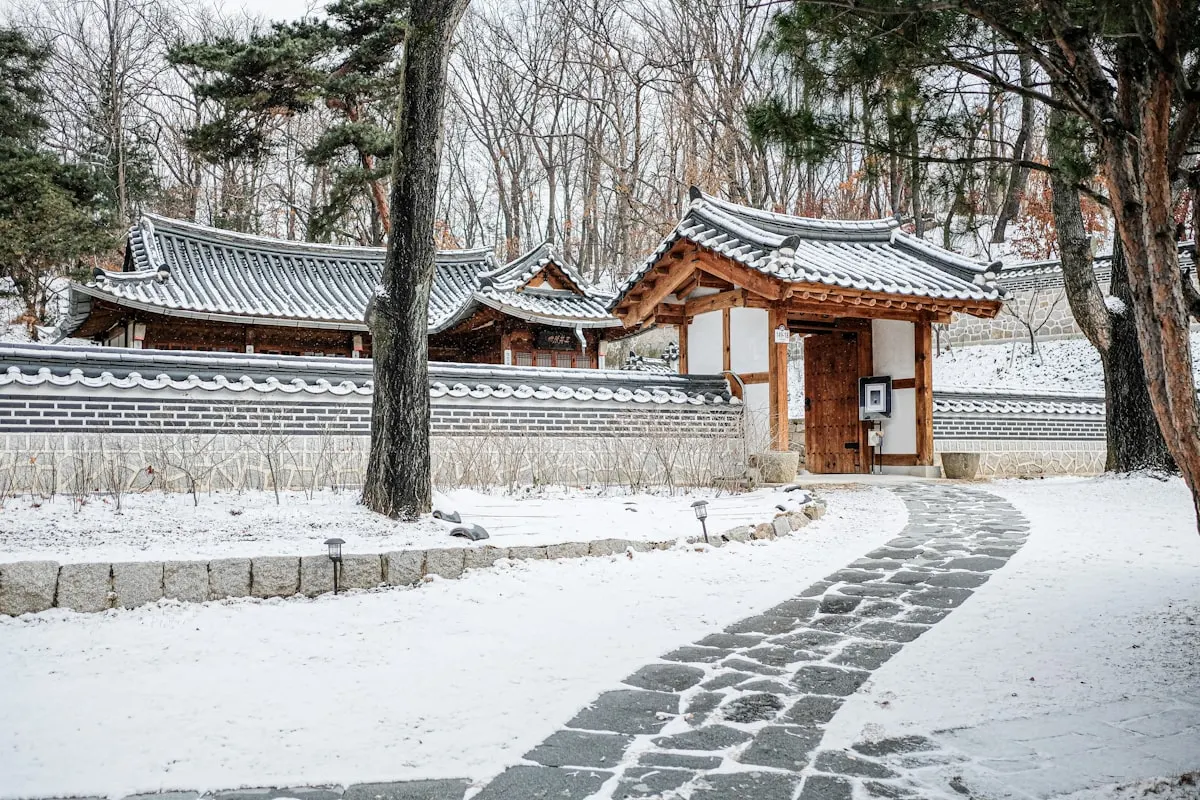
In the past, hanok stay businesses that failed to display accommodation rates or charged more than the posted rates faced only corrective orders for a first violation, prompting criticism that the system lacked teeth. Urban lodging businesses serving foreign tourists were left in a legal blind spot because no rules required them to display or honor posted rates in the first place.
Stricter Penalties
Under the amendments, both hanok stay businesses and urban lodging businesses serving foreign tourists will face a five-day suspension for a first violation if they fail to display accommodation rates or charge more than the posted price. A second violation will result in a 15-day suspension, a third in a one-month suspension, and a fourth in the cancellation of the business registration.
The amendments also establish new requirements for urban lodging businesses serving foreign tourists to display and honor their rates. A price list must be posted in a location that guests can easily see.
Regulations to Be Extended to Other Industries
The government has already enforced similar regulations for general and residential accommodation businesses since July 14. It plans to extend penalties at the same level to restaurants and the taxi industry. It also plans to introduce a voluntary advance rate-reporting system for accommodation businesses, known as the “Safe Pricing Scheme,” under which operators would report and publicly disclose their maximum rates for each period to local governments in advance.
Significance and Expected Impact
The measure is intended to eliminate a longstanding source of distrust in South Korean tourism. Price gouging is driven largely by information asymmetry caused by opaque pricing and excessive rate increases when demand is concentrated during particular periods. Because most people filing complaints with the Tourist Complaint Center about harm suffered by foreign visitors are themselves foreign tourists, the tougher rules are expected to improve confidence in tourist destinations and encourage international visitors to return.
Frequently Asked Questions (FAQ)
- Q. What is price gouging?
- A. It refers to excessive charges that are far higher than the usual price level at a tourist destination. It includes charging foreign tourists unreasonable prices by taking advantage of information asymmetry.
- Q. When will the amendments take effect?
- A. They will be promulgated on August 4, 2026, and will take effect immediately upon promulgation.
- Q. How long does the suspension last for a first violation?
- A. A first violation results in a five-day business suspension. The suspension is 15 days for a second violation and one month for a third. A fourth violation results in cancellation of the business registration.
- Q. Which accommodation businesses are covered by these regulations?
- A. The main targets are urban lodging businesses serving foreign tourists and hanok stay businesses. The same regulations have already applied to general and residential accommodation businesses since July 14.
- Q. Where must the price list be posted?
- A. It must be clearly posted in a location that guests can easily see. Charging more than the posted rate will be treated as a violation.
- Q. Will other tourism businesses be subject to these regulations in the future?
- A. Yes. The government plans to extend price-gouging penalties to restaurants and the taxi industry and is pursuing amendments to the relevant laws and regulations.