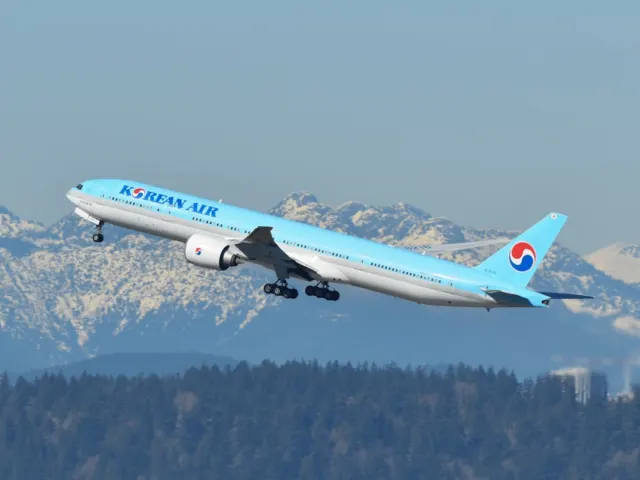
Northeast Asia Reemerges as Demand for Japan and China Grows
As South Koreans resume traveling abroad, destinations across Northeast Asia—including Japan and China—are regaining prominence. According to 2025 international passenger figures from the Incheon International Airport Corporation, routes to Japan accounted for 28.2% of all international passengers, while routes to China represented 15.0%.
The figures show that Japan and China, alongside Southeast Asia, have become major travel corridors for Korean tourists. Rather than concluding that one particular region has been the overwhelming choice of consumers, however, it is more accurate to say that airline demand and arrival and departure figures point to a recovery in the Northeast Asian travel market.
Japan’s Strengths: Easy Access and a Broad Range of Attractions
Japan remains a popular choice for short overseas trips from South Korea, thanks to its short flight times and wide range of air connections. Beyond major cities such as Tokyo, Osaka and Fukuoka, travelers can choose from diverse regional attractions in destinations including Hokkaido and Okinawa.
According to the Japan National Tourism Organization, 42,683,600 international travelers visited Japan in 2025, surpassing the previous record set in 2024 and marking an all-time high. In January 2025 alone, approximately 967,100 South Koreans visited Japan, making Korea one of the country’s largest inbound markets.
Japan’s appeal also lies in the combination of shopping, food, hot springs, and cultural content such as anime and games. The ability to combine city sightseeing with local experiences even on a short itinerary is particularly attractive to families and independent travelers.
China’s Comeback: Visa-Free Entry and a Recovery in Urban Tourism
China is once again attracting attention as a destination where visitors can experience major cities, historic sites and natural scenery in a single trip. Beijing, Shanghai, Qingdao, Zhangjiajie and Chengdu each offer distinct attractions, allowing travelers to build itineraries around a variety of interests.
According to the Chinese government, the number of border crossings into and out of China reached 697 million in 2025, up 14.2% from the previous year. Visa-free entries by foreign nationals also rose 49.5% year on year to 30.08 million, supporting the recovery of international tourism.
People-to-people exchanges between South Korea and China are also showing signs of recovery. According to reports from Chinese state media, exchanges between the two countries exceeded 7.28 million during the first 11 months of 2025, up 24.7% from the same period a year earlier. More convenient visa arrangements and the restoration of air services are helping to expand demand for short trips.
Three Factors Shaping Travel Choices in Northeast Asia
Shorter Travel Times and More Flights
Japan and China are closer than Europe or North America, and they generally offer more flights connecting major cities. That makes it easier for travelers with limited time to plan trips around weekends and public holidays.
Travel Costs and Package Design
Actual costs vary with exchange rates and airfares, but Northeast Asia is generally easier to plan around a straightforward combination of flights, accommodation and local transportation than a long-haul trip. Travel companies are also expanding short-stay packages that combine city sightseeing, food, shopping and historical sites.
A Wide Range of Cultural and Historical Attractions
Japan is known for its regional cuisine, traditional culture and popular entertainment, while China offers ancient sites, modern megacities and natural attractions. For travelers, both destinations make it easy to build itineraries that combine hands-on experiences and cultural content rather than focusing solely on relaxation.
How Travel Strategies Differ from Europe and North America
Europe and North America remain compelling long-haul destinations for their history, art and natural landscapes. But longer travel times, more complicated itineraries and the higher cost of flights and accommodation can make them less competitive than Japan and China for short trips.
By contrast, Japan and China lend themselves to itineraries focused on a single city or linking two or three cities. Travel companies should therefore continue refining their offerings around independent travel, themed trips, regional festivals, and food and shopping experiences in Northeast Asia.
The Outlook for the Overseas Travel Market
Japan and China’s resurgence is not simply a shift in popularity rankings. It reflects the combined impact of flight availability, entry policies, exchange rates and cultural content. China in particular is working to attract travelers from neighboring countries, including South Korea, by expanding visa conveniences and improving its international tourism infrastructure.
Going forward, more specialized products are likely to gain traction alongside big-city package tours, including trips to smaller regional cities, rail journeys, historical and cultural experiences, and culinary tourism. Travelers, meanwhile, should compare not only a destination’s popularity but also flight options, the cost of staying there, entry requirements and the ease of getting around locally.
Frequently Asked Questions (FAQ)
Why are Japan and China attracting attention from South Korean travelers recently?
They are close to South Korea, offer a wide range of flights, and make it possible to build short itineraries around shopping, food, history and cultural experiences.
Are there official statistics showing demand for travel to Japan?
According to the Japan National Tourism Organization, 42,683,600 international travelers visited Japan in 2025, an all-time record. South Korean visitors also accounted for a significant share among Japan’s major inbound markets.
Is demand for travel to China also recovering?
According to Chinese government figures and related reports, both cross-border travel and visa-free entries by foreign nationals to China increased in 2025. People-to-people exchanges between South Korea and China also rose from the previous year.
Which is a better fit: Japan or China?
Japan may be a better fit for travelers who prefer shopping, food, popular culture and short city breaks. China may offer more variety for those interested in historic sites, major cities and expansive natural attractions.
What should travelers check when planning a trip to Northeast Asia?
Before departure, travelers should check not only airfares and accommodation costs but also passport validity, entry and visa requirements, local transportation, payment methods, travel insurance and the latest travel advisories.