Geumsu Bokguk in Dongnae, Busan — Everything to Know About the Michelin-Recognized 50-Year-Old Pufferfish Soup Restaurant
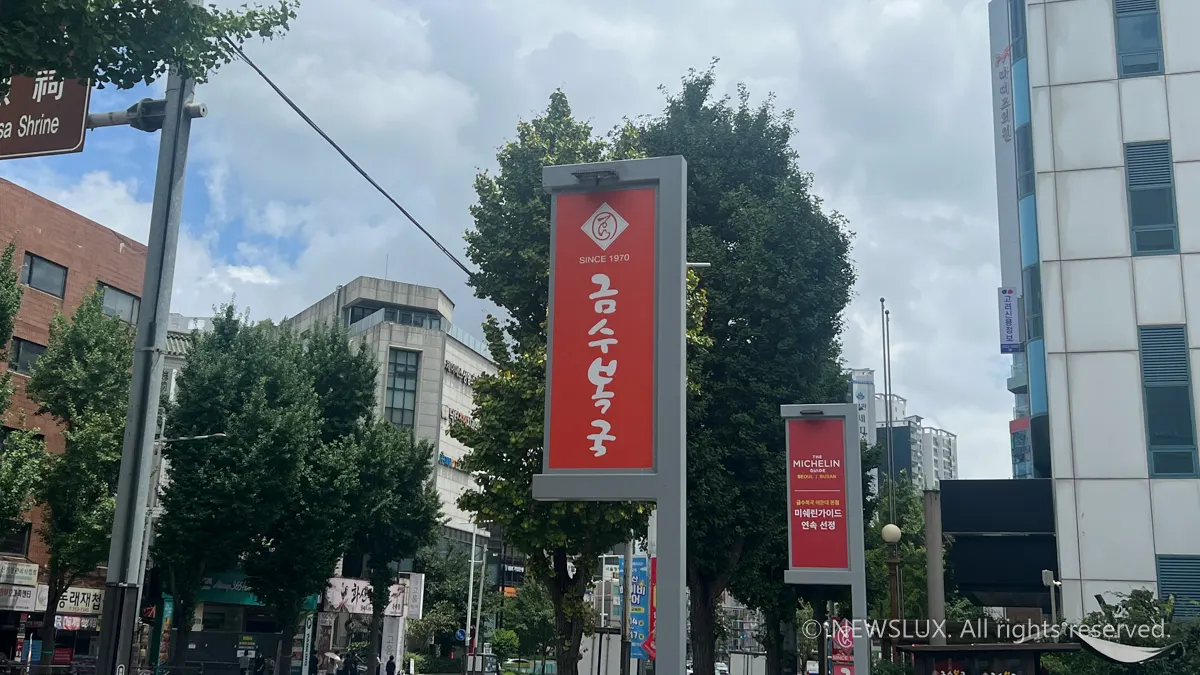
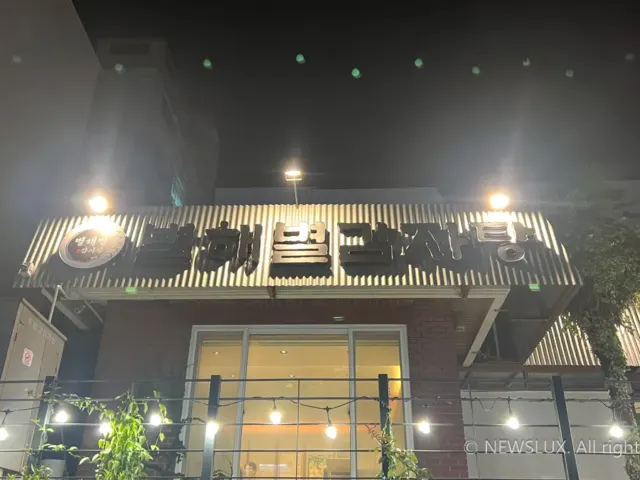
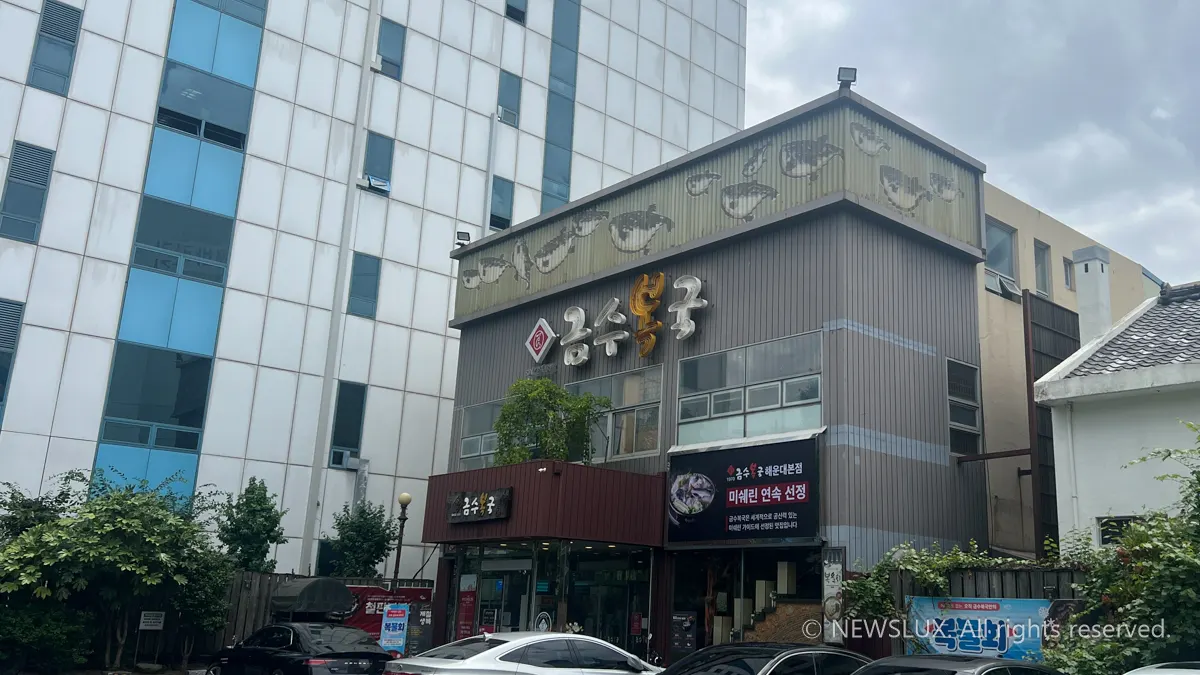
Among the restaurants I consider essential in Busan, Geumsu Bokguk ranks near the top—and it has been a longtime favorite of mine. I usually visit the Haeundae flagship, but today I stopped by the Dongnae branch.
Located on Chungnyeol-daero in Dongnae-gu, Busan, Geumsu Bokguk is one of the city’s best-known restaurants specializing in pufferfish soup. It began in Haeundae in 1970 and has been passed down through generations for more than half a century. Famous for its spicy, refreshing bokguk served in a traditional earthenware bowl, the restaurant has also earned a place in the Michelin Guide. Here is a complete look at its history, menu, the nutritional benefits of pufferfish, and answers to frequently asked questions.
How the 50-Year Tradition Began
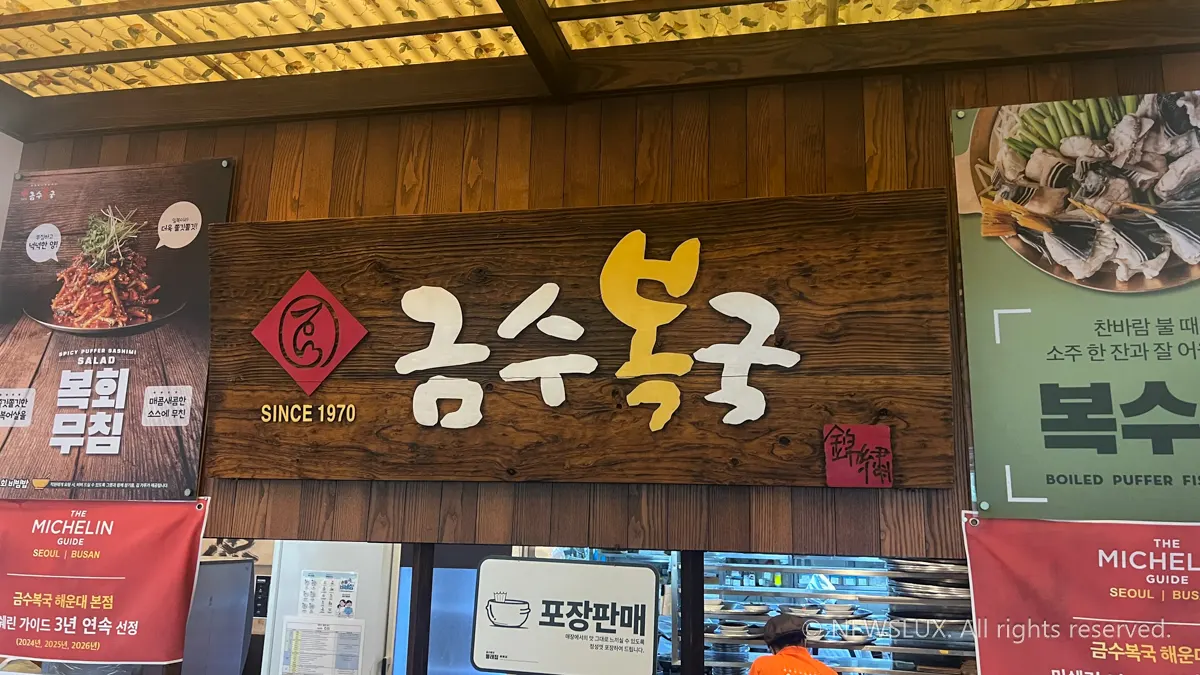
The story of Geumsu Bokguk dates back to 1970, when founder Lee Bong-deok opened the first restaurant in Jung-dong, Haeundae-gu, giving rise to the Geumsu Bokguk known today.
The founder, who came from Jeonju, took inspiration from Jeonju-style stone-pot bibimbap. At the time, pufferfish soup was generally served as a clear broth, but he devised a method of cooking and serving it in a traditional earthenware pot.
The pot’s natural heat retention kept the soup hot from beginning to end, allowing diners to enjoy it piping hot and deeply savory. Word spread, and Geumsu Bokguk’s earthenware-bowl pufferfish soup eventually became a style of its own.
Geumsu Bokguk later expanded beyond its Haeundae flagship, opening branches in Dongnae, at Lotte Department Store in Seomyeon, and in Seoul’s Apgujeong, Seocho and Daechi neighborhoods. It grew into a pufferfish-soup brand known across the country.
The company is now led by CEO Yoo Sang-yong. It is also known as a local business that values its ties to the community, continuing to donate to programs supporting childbirth even in 2021, when the wider restaurant industry was struggling during the COVID-19 pandemic.
Why the Michelin Guide Took Notice
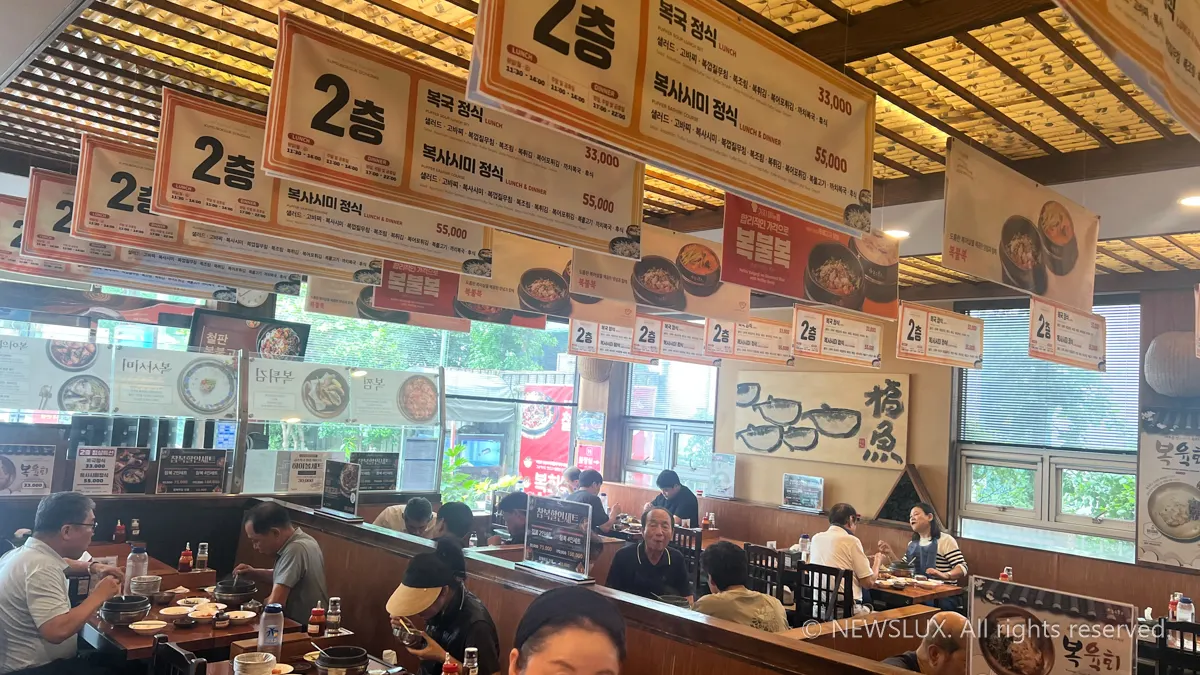
Geumsu Bokguk was included in the ‘Selected Restaurants‘ category in the 2024 edition of the Michelin Guide Seoul & Busan.
This category is separate from Michelin stars and Bib Gourmand distinctions. It recognizes restaurants visited by Michelin inspectors and judged to be worthy of recommendation for their quality.
In Busan, Geumsu Bokguk represented the city’s pufferfish cuisine alongside other Selected Restaurants, including Namakjip for dwaeji-gukbap, or pork soup with rice, and Eonyang Bulgogi Busanjib for grilled beef.
Local restaurant-information platforms say Geumsu Bokguk has continued to appear in the Michelin Guide for several consecutive years, suggesting that the restaurant’s craftsmanship—refined over more than half a century—continues to receive recognition.

Dongnae Flagship: Essential Information
- Address: 210 Chungnyeol-daero, Dongnae-gu, Busan (1-5 Suan-dong, Dongnae-gu)
- Phone: 0507-1380-7700
- Hours: First floor, 8:00 a.m.–10:00 p.m. (last order 9:00 p.m.) / Second floor, weekdays 11:30 a.m.–10:00 p.m., weekends 11:00 a.m.–10:00 p.m. (break 3:30–5:30 p.m. on the second floor)
- Parking: Free parking is available. The lot is not especially large, but it is adequate and convenient.
The restaurant is close to Dongnae Fortress and Dongnae Market, making it easy to include in an itinerary exploring the Dongnae area.
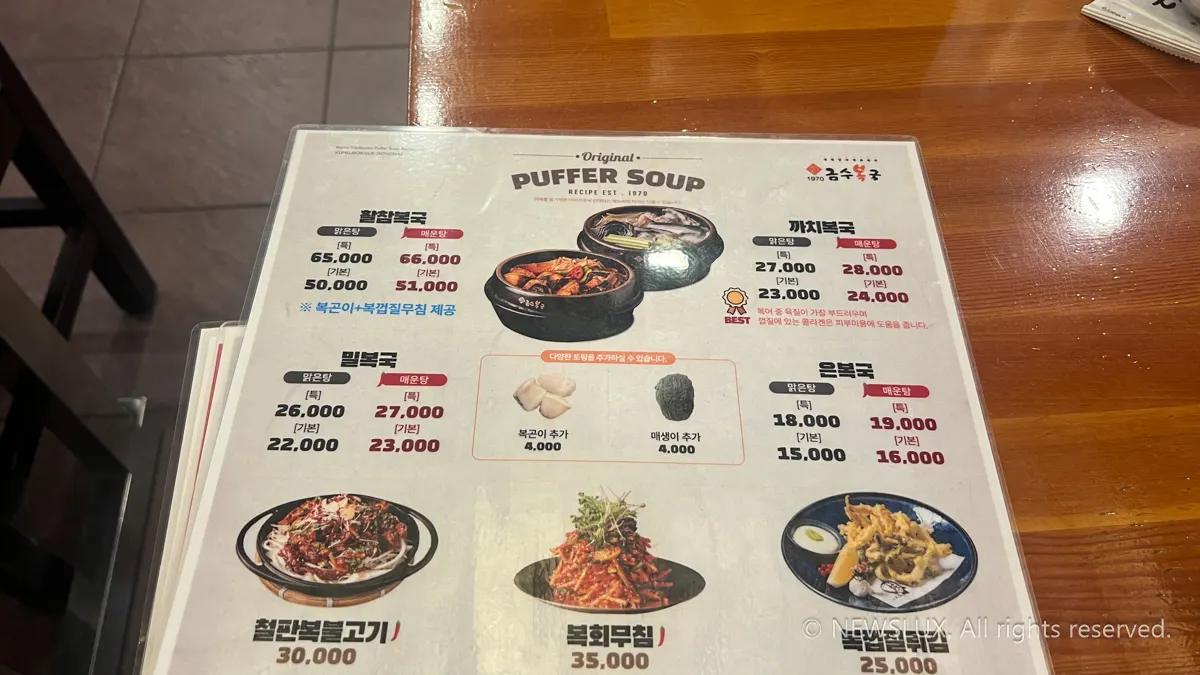
Signature Dishes and Prices
At Geumsu Bokguk, prices and flavor vary according to the type of pufferfish used. Silver pufferfish, a species of milbok with silvery skin, has a clean, delicate flavor and a relatively accessible price, making it a good introduction to bokguk. As you move up to golden pufferfish and true pufferfish, the flesh becomes firmer and the umami more pronounced—along with the price.
- Silver Pufferfish Soup: ₩16,000
- Milbok Soup: ₩23,000
- Golden Pufferfish Soup: ₩24,000
- Live True Pufferfish Soup: ₩51,000
- Pufferfish Sashimi: ₩70,000 (medium) / ₩100,000 (large)
- Grilled Pufferfish Bulgogi on a Hot Plate: ₩28,000
- Fried Pufferfish: ₩30,000
You can also add fish milt or green laver to make the broth even richer.
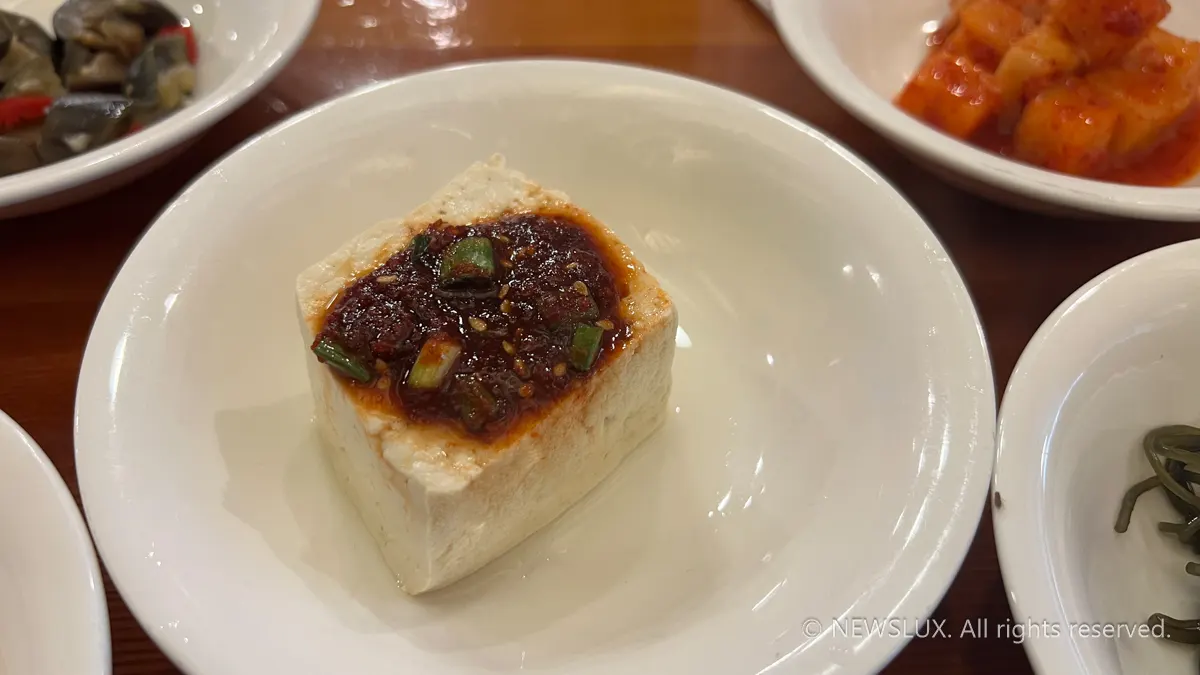
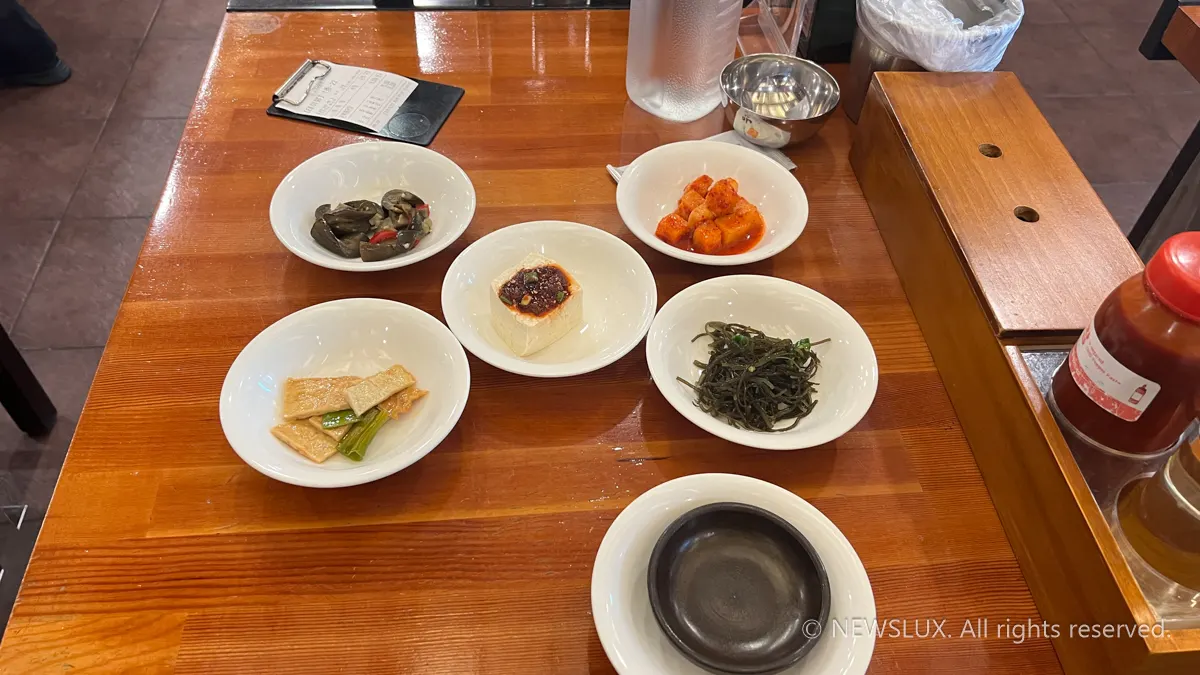
A Classic Choice: Spicy Pufferfish Stew
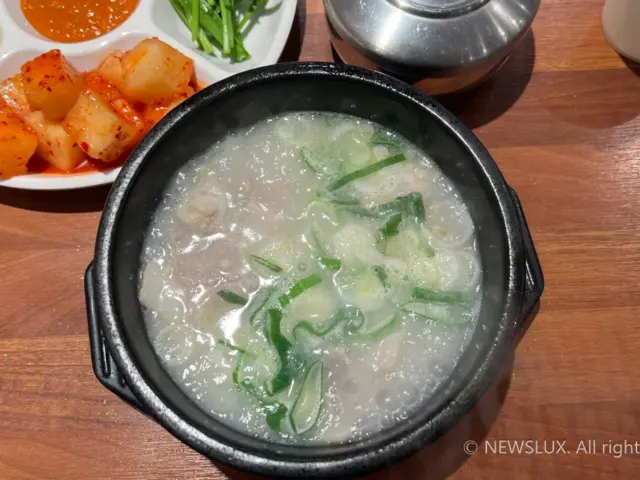
Once you choose the type of pufferfish, you still have to decide between jiri, a clear broth, and maeuntang, a spicy stew. I was in the mood for something warming and spicy today, so I ordered the maeuntang.
With a splash of vinegar, which intensifies the flavor, the broth is exceptionally refreshing.
Interestingly, the bean sprouts used in this restaurant’s jiri and maeuntang are unusually delicate and tender. Their texture and flavor are noticeably different from the sprouts served at typical hangover-soup restaurants. They are exactly my style.
And then there is the cubed radish kimchi, a crucial test of any good restaurant. It may not be easy to tell from the photo, but everything about it—from its level of fermentation to the size of the pieces—passes with flying colors.
Perhaps earning a place in the Michelin Guide really does require this kind of careful attention to every small detail.
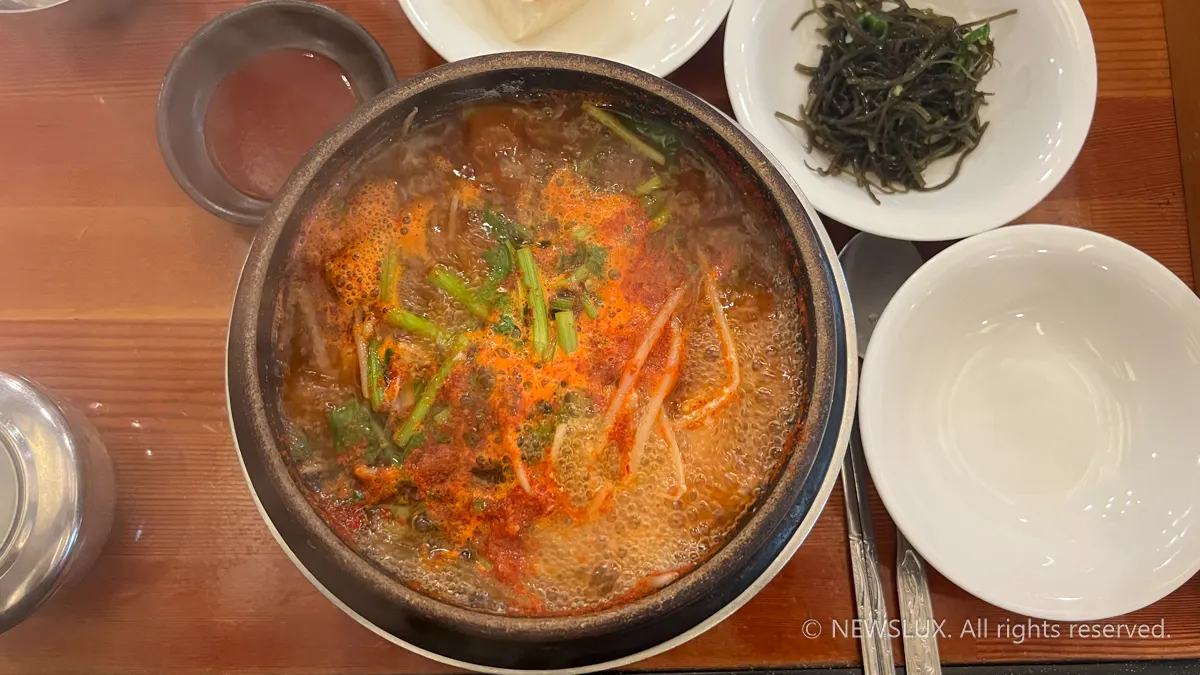
The bowl is double-walled, allowing it to retain heat without burning your hands. It is a thoughtful and practical design.
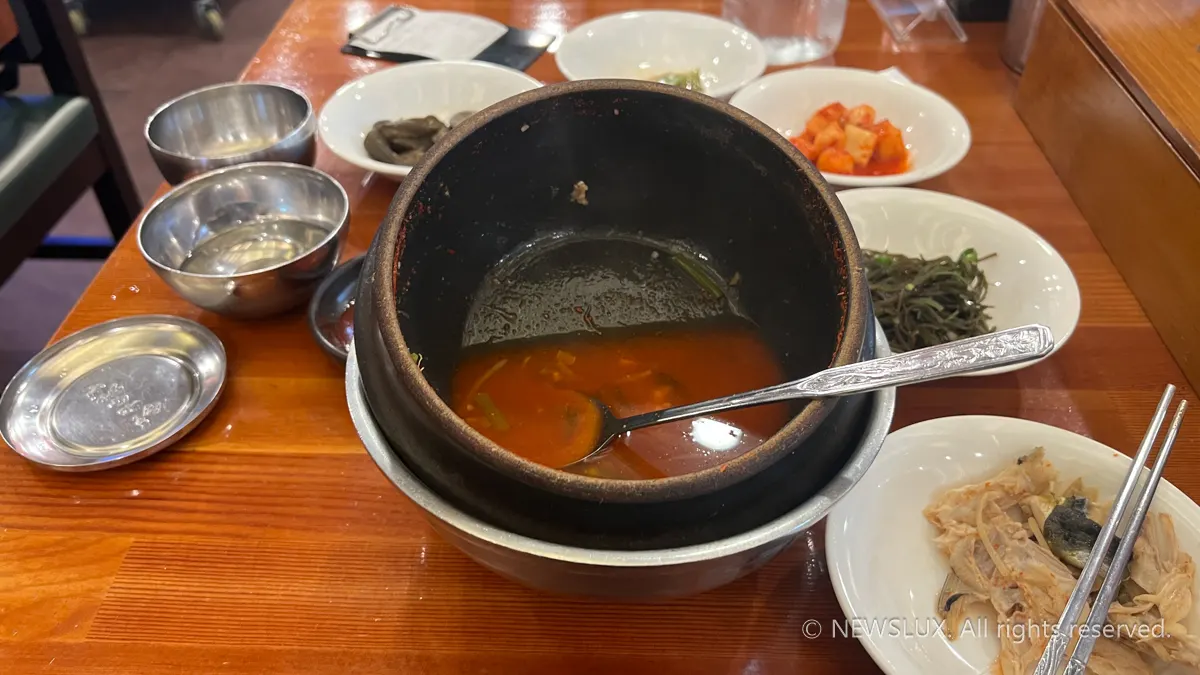
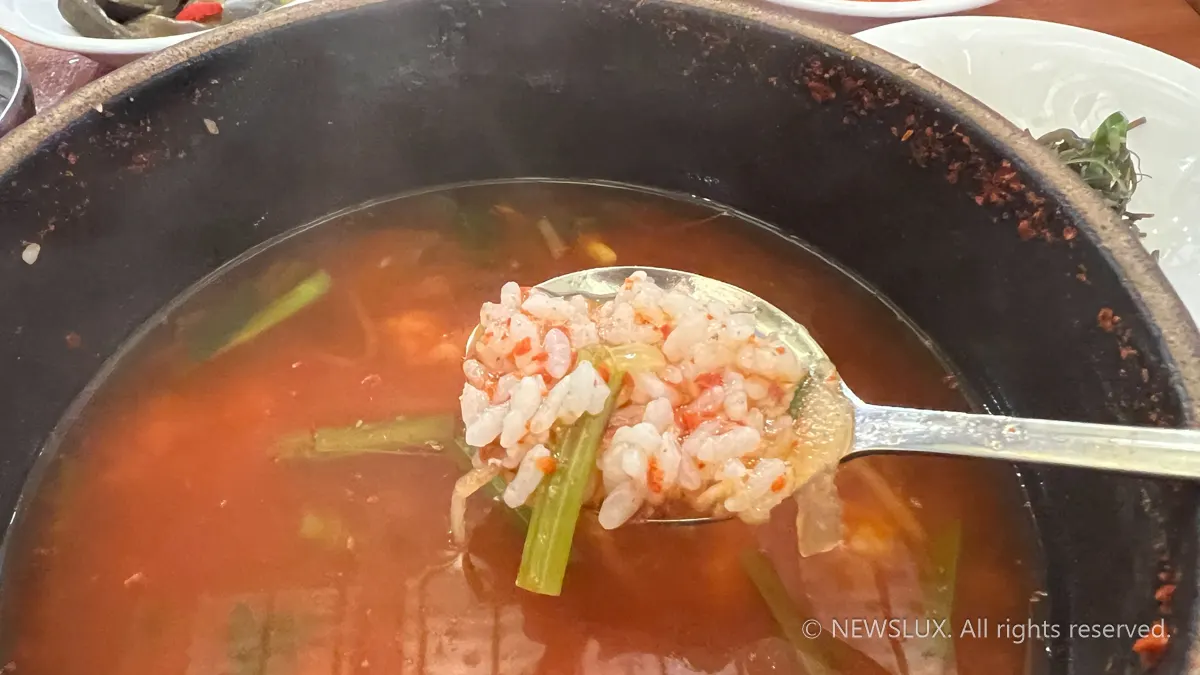
The bowl is also remarkably convenient when you finish by adding rice to the remaining soup. You do not need to hold it or tip it by hand.
Simply rest it on the table and it tilts securely, allowing you to spoon out the broth as shown in the photo.
Why Is Bokguk Considered Good for You? The Benefits of Pufferfish
There is a reason bokguk has long been loved as both a hangover remedy and a restorative meal.
Pufferfish is rich in sulfur-containing amino acids such as methionine and taurine. These compounds are known to help relieve hangovers by increasing the activity of the liver’s alcohol dehydrogenase (ADH) enzyme, which breaks down alcohol. One study even found that ADH activity increased by 25 to 27 percent or more after pufferfish consumption.
Its nutritional profile is also notable. With approximately 19–20 grams of protein per 100 grams, pufferfish is considered a high-protein food, while containing only around 1 gram of fat.
A significant portion of that fat consists of omega-3 fatty acids such as EPA and DHA, which are considered beneficial for cardiovascular health. This is why pufferfish is sometimes called the “meat of the sea”—a lean but satisfying source of protein.
It also contains calcium, phosphorus, iron and B vitamins, while its collagen, which gives the meat its springy texture, is said to support joint health. These nutrients also explain why some people believe pufferfish may help ease gout symptoms, particularly for those who want to enjoy high-protein foods while keeping an eye on their blood uric acid levels.
However, pufferfish contains tetrodotoxin, a neuroparalytic toxin, in its internal organs and liver. It should therefore be eaten only at establishments where it has been prepared by a professionally trained chef with the required pufferfish-preparation certification. The reason diners seek out long-established specialists such as Geumsu Bokguk ultimately comes down to trust in their safety standards.
What Makes a Restaurant Truly Good?
When people hear the phrase “must-visit restaurant,” many are willing to stand in line simply to add the experience to their personal food histories. But is good food alone enough?
I do not think so. A restaurant is also a service business, and the attitude of its staff can make you reach for another spoon—or make you put it down immediately.
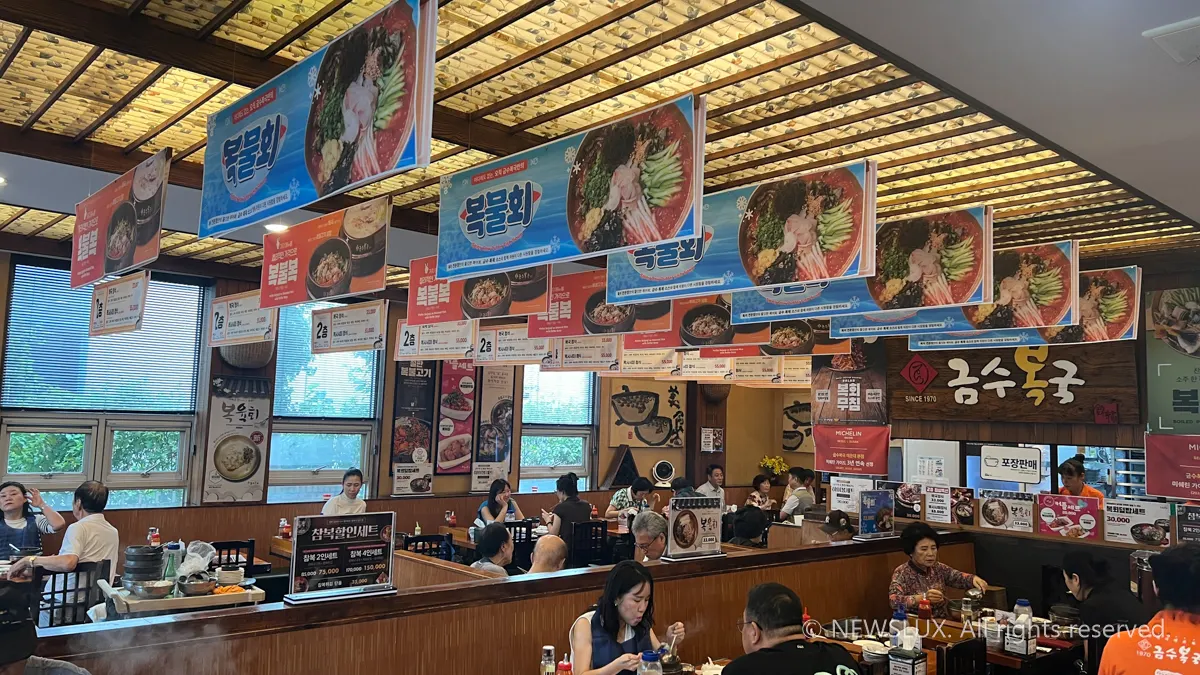
It had been a while since I last visited Geumsu Bokguk. I noticed the same thing at the Haeundae flagship, too: the staff are friendly. They cheerfully call out greetings such as “A guest is arriving,” “A guest is leaving,” and “Yes, sir” or “Yes, ma’am,” while moving quickly and efficiently. Their presence makes the restaurant comfortable and enjoyable, and you immediately feel that you are somewhere that knows how to treat its customers properly.
There is a makguksu restaurant right next door, and it is always full of customers as well. But it is extremely noisy and chaotic.
It is not literally a market street, but eating there feels like having a meal in the middle of one. The staff often speak curtly, perhaps because they are tired and overworked, and they do not seem to communicate well with one another. I would not want to stay in a place like that for even a moment.
It leaves you feeling as though you have thrown your hard-earned money into the street.
What do you think? If you are paying your own money, do you want to be treated like a valued customer—or do you want to feel as though you are simply handing your money away?
Frequently Asked Questions (FAQ)
Q1. Do I need a reservation at the Geumsu Bokguk Dongnae flagship? Reservations can be made in advance by calling 0507-1380-7700. Reservations are recommended during peak lunch and dinner hours and on weekends, when there may be a wait.
Q2. I’m not sure which pufferfish dish to order. If you are trying bokguk for the first time, the silver pufferfish soup is a safe choice thanks to its delicate flavor and relatively reasonable price. For a deeper umami flavor and chewier texture, consider the golden pufferfish soup or live true pufferfish soup.
Q3. Is pufferfish really safe to eat? Because the toxin is concentrated in the fish’s internal organs and liver, Korean law requires pufferfish to be cleaned and prepared only by professional chefs who hold the national pufferfish-preparation certification. Long-established specialists such as Geumsu Bokguk are generally considered more trustworthy in this regard.
Q4. What are the parking arrangements? The Dongnae flagship offers free parking, making it convenient to visit by car.
Q5. In which Michelin Guide category was the restaurant selected? It was not awarded a star or Bib Gourmand distinction. Instead, it was included in the “Selected Restaurants” category, which recognizes restaurants visited by Michelin inspectors and judged worthy of recommendation. It was selected in the 2024 Michelin Guide Seoul & Busan as a representative pufferfish restaurant in Busan.